Reconciling Mass Balance Variances in Industrial Alkaline Scouring of Hackled Flax Roving
Standardizing dry mass calculations and auditing liquor COD reconciles industrial scouring loss variances between raw hackled flax and finished packages.

Standardizing dry mass calculations and auditing liquor COD reconciles industrial scouring loss variances between raw hackled flax and finished packages.

Klason lignin testing combined with wet spinning draft analysis establishes raw flax mill suitability and prevents costly frame end breaks.

Standard flax fiber corrections adjust billable consignment weight to a twelve percent regain baseline derived from laboratory-verified oven-dry mass.
Calculating weft tension wave velocity and boundary reflections predicts peak dynamic stress spikes, allowing precise brake tuning to minimize loom stop failure rates.

Verifying flax scutching yield requires dry-mass normalization of input straw against output long fibre, tow, and shive fractions across batch records.

Optimal PVA size pick-up on flax warps ranges from 8.0 to 9.0 percent dry weight, balancing yarn friction resistance with hot-water desizing washability.
Thermal pectin depolymerization degrades flax middle lamellae above 70°C, lowering bundle tenacity and forcing coarse count downgrades.
Adjusting weaver loom allocations based on high-density flax warp end-break rates maximizes loom-hour output and prevents stop-mark quality losses.

Gravimetric oven drying at 105°C establishes bone-dry mass, allowing conversion from wet moisture content to 12% standard regain for commercial mass adjustments.
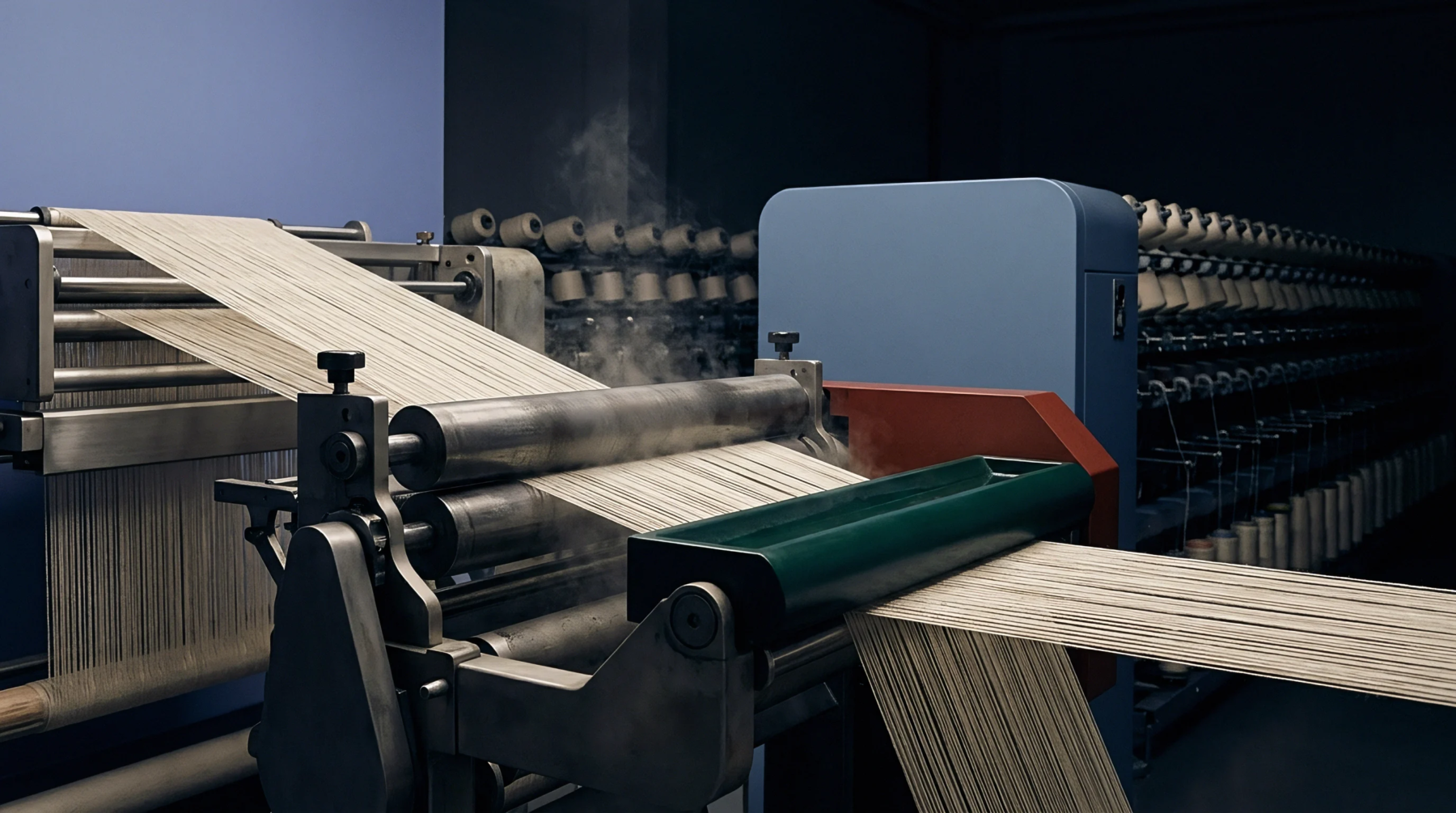
Microfibrillar thermal degradation reduces line flax tenacity, requiring adjusted gauge testing, lower wet-spinning temperatures, and recalibrated contract thresholds.

Dry spinning flax intake standards require strict bundle fineness under 2.2 tex, residual shive below 0.8 percent, and 11 percent target moisture regain.

Controlled pectin removal enables clean bundle cleavage, elevating metric fibre fineness above Nm 2000 while maintaining long line yield above 60 percent.
Resolving wet spun flax roving contract disputes requires invoicing based on oven-dry mass plus official commercial regain rather than net scale mass.
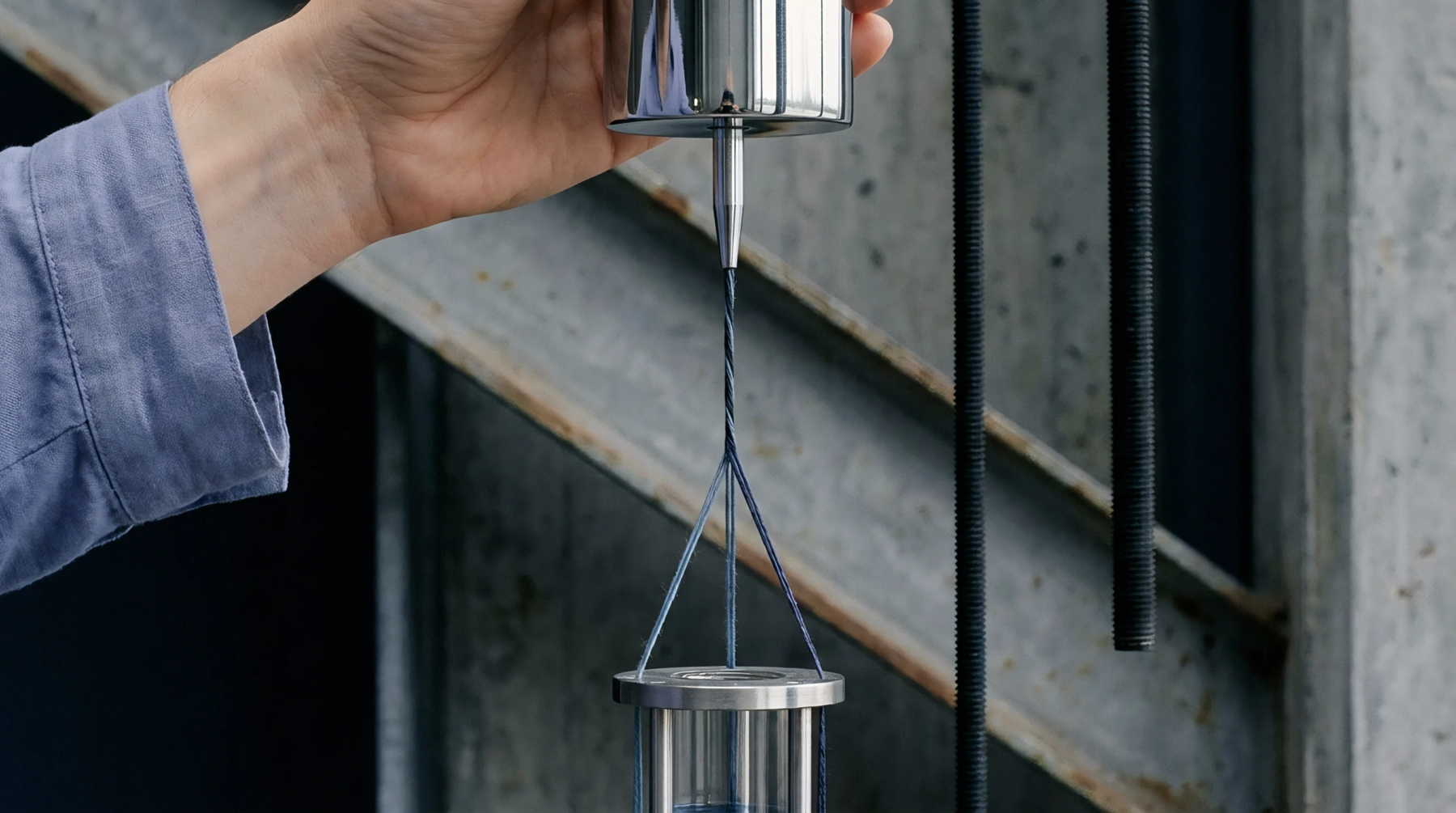
Optimizing Jacquard shed depth and backrest synchronization caps dynamic tension below 60 percent yarn strength, eliminating warp breaks in fine linen.

Residual pectin levels below 1.5 percent dictate successful wet spinning of fine flax yarns above Nm 40 without elevated end breakage rates.
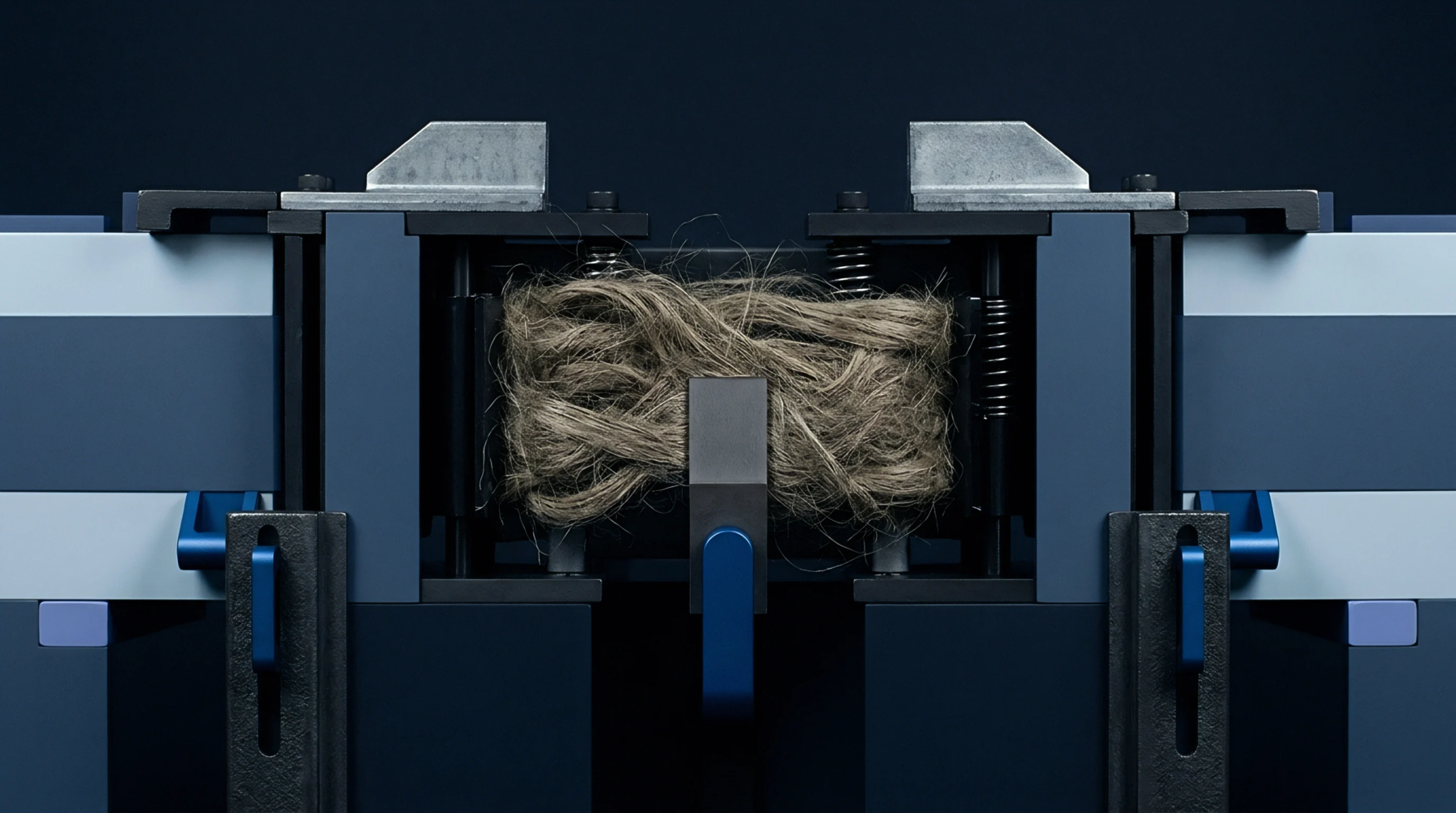
Continuous accumulation of pectin degradation products in closed-loop wet spinning troughs alters fluid rheology, impairing strand drafting and dropping yarn tenacity.
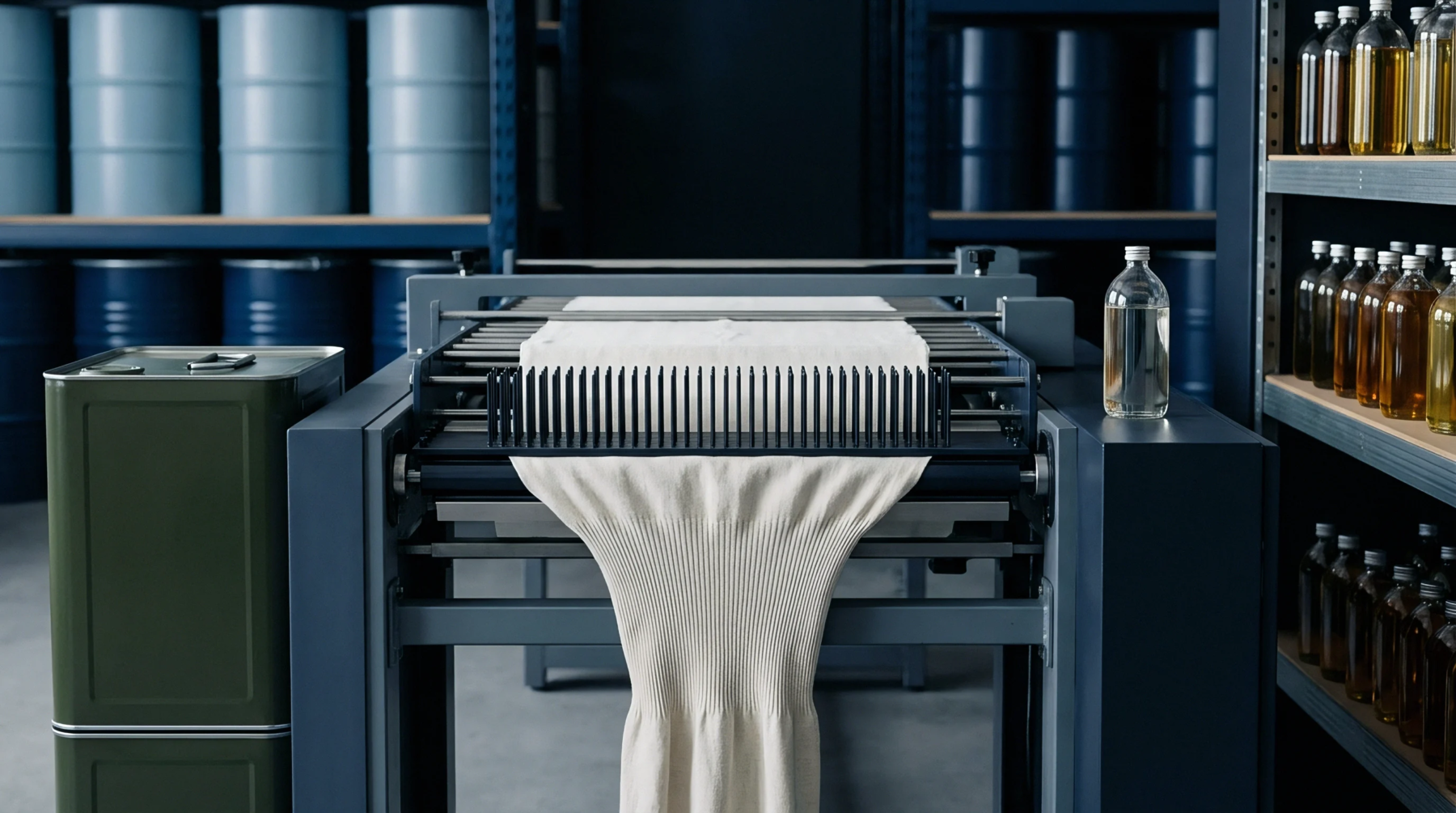
Determining fine wet spun linen tensile thresholds demands setting single end tenacity limits above 18 cN/tex to maintain high-speed loom shed efficiency.

Hydynamic boundary layer reduction in wet-spinning troughs accelerates core hydration, stabilizing swelling and lowering yarn count CV percent.

High temperature oven drying above 105C volatilizes flax pectins and waxes, causing gravimetric moisture errors that distort commercial dry mass ledgers.

Standard regain for scutched flax fibre is 12.00 percent, used to convert lab oven-dry mass into binding commercial invoice mass under ISO 6741.
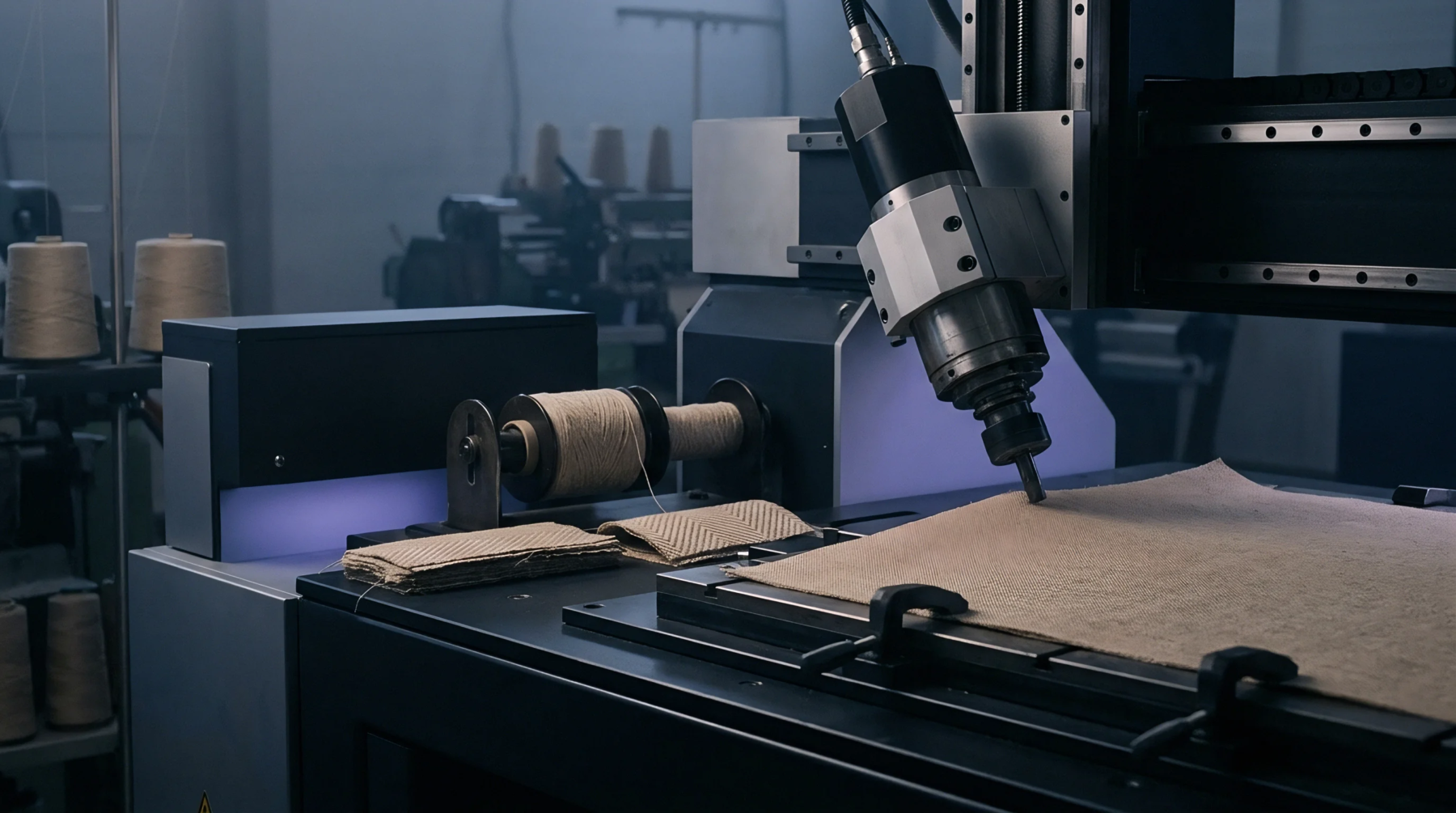
Non-linear crimp dynamics in heavy linen require modeling fiber swelling and non-linear interchange to control width loss, loom hours, and landed cost.

Chemical extraction baselines under ISO 1833 quantify non-cellulosic scrap fractions in certified linen to enforce chain-of-custody purity and pricing.

Dynamic backrest dampening absorbs peak shedding shock in fine bast weaving, cutting fatigue end breaks by seventy percent and lowering meter production cost.
Mass balance accounting in wet spinning requires dry mass tare calibration and trough dissolution loss tracking to prevent certified claim dilution.
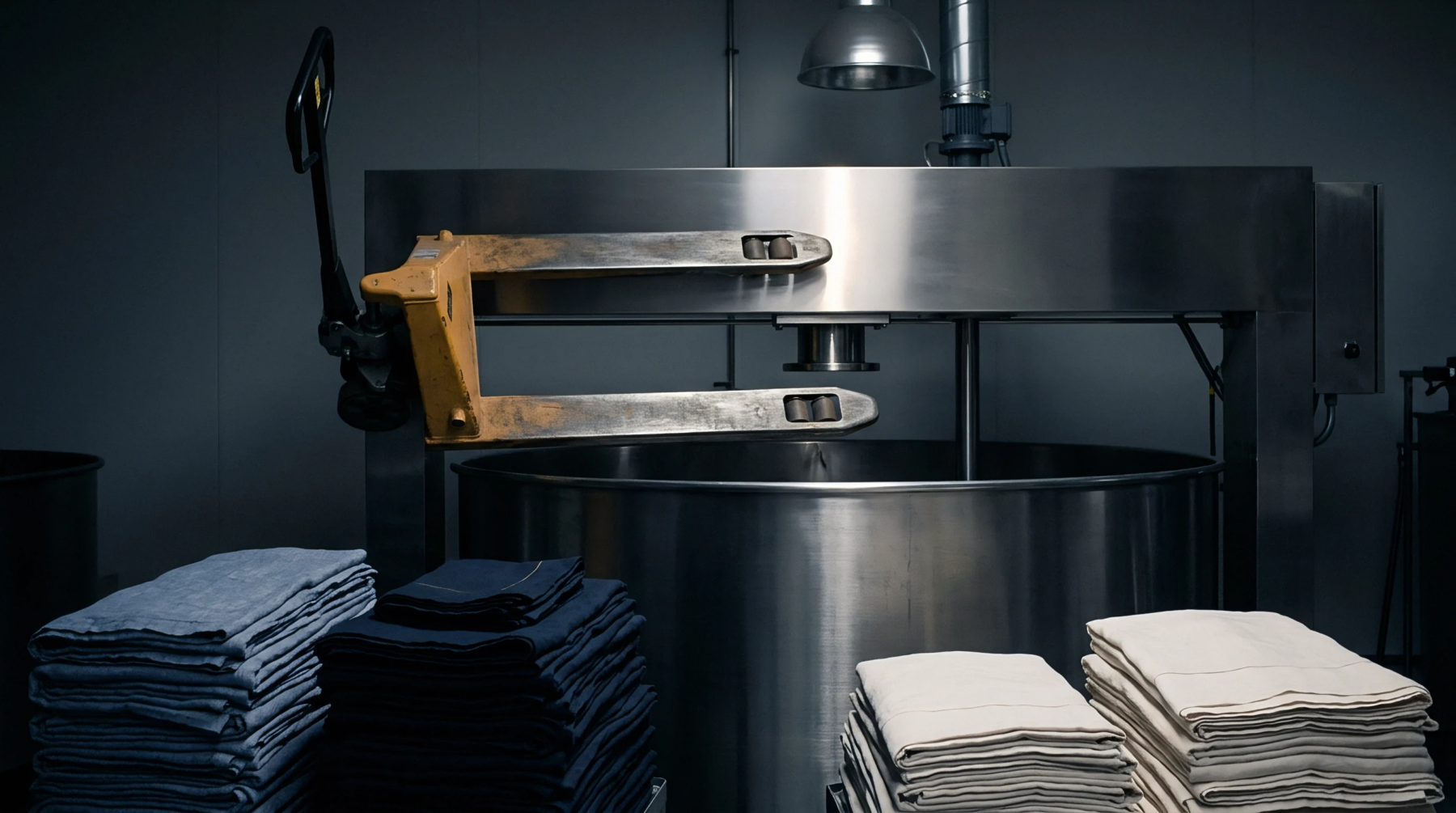
Deriving finished linen weight from greige density factors requires adjusting thread counts for dimensional contraction while subtracting non-cellulosic scour loss.
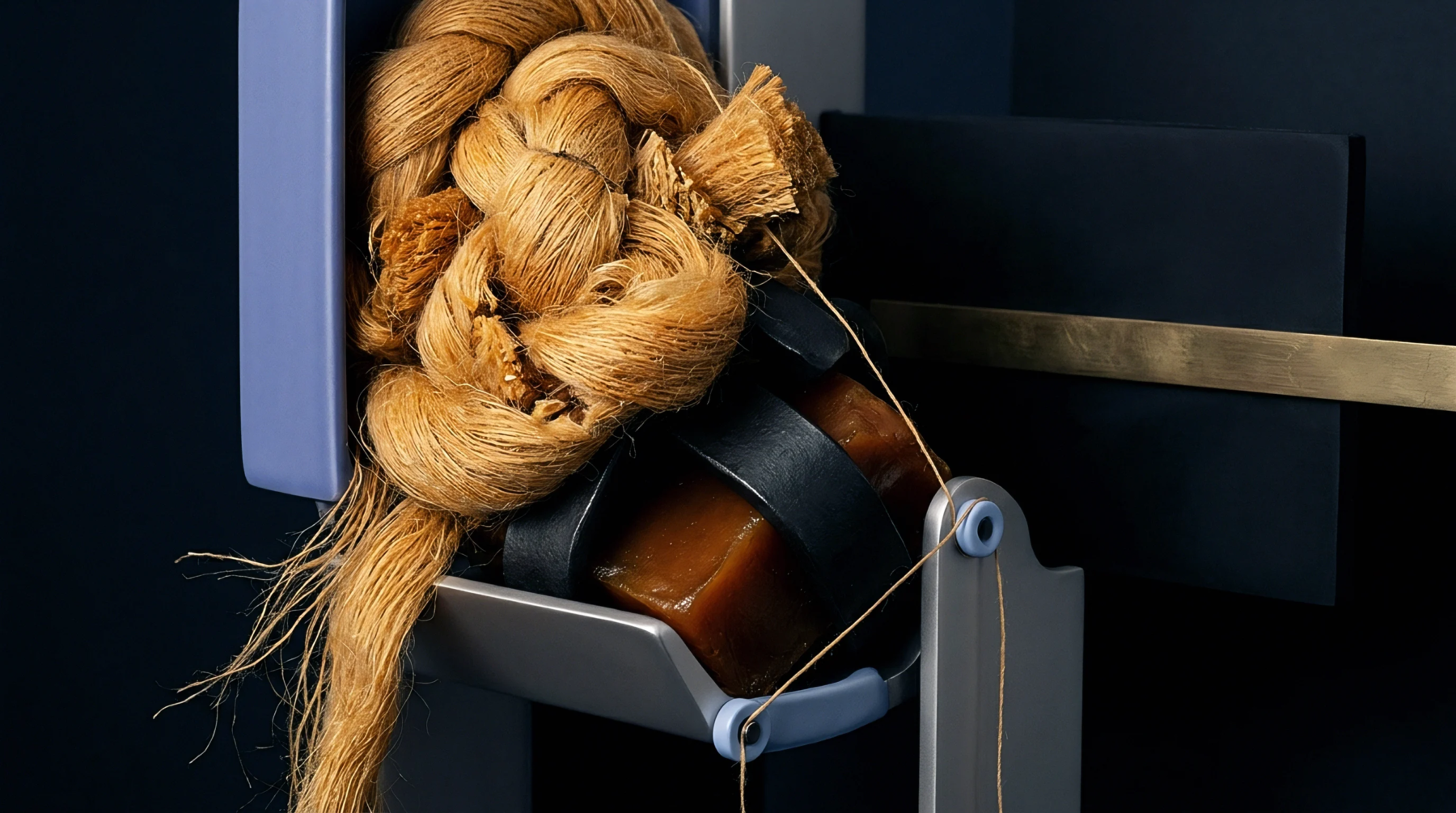
Trough temperature at 68°C accelerates pectin dissolution, lowering drafting force to stabilize wet-spun linen yarn counts up to Nm 60.
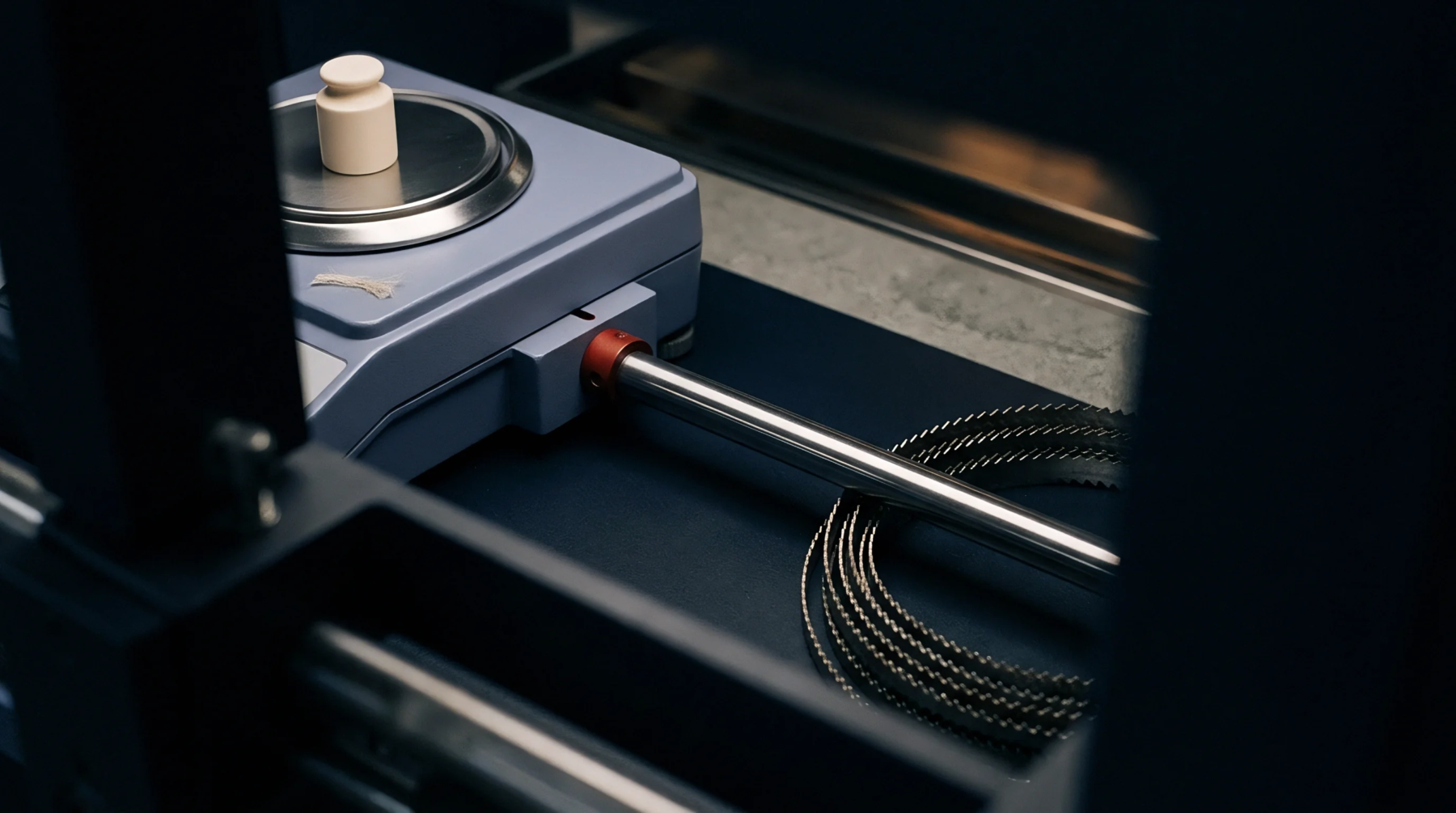
Control enclosure humidity to within one percent and apply buoyancy corrections to eliminate inter-laboratory microbalance drift in flax density audits.

Ammonium oxalate extraction at ninety degrees solubilizes middle lamella pectins to isolate elementary flax fibres for accurate microbalance decitex audits.

Quantifying epicuticular wax mass fractions in dew-retted line flax bales isolates true fiber yield and optimizes wet-spinning boundary lubrication parameters.

Standard moisture regain correction normalizes hackled flax linear density back to twelve percent regain, preventing draw frame drafting errors and financial overpayment.
Expertise is a utility, not a secret. sentiention™ publishes its working knowledge as open reference: intelligence layer covering the materials it sources, the markets it enters, and the reference that serves both.