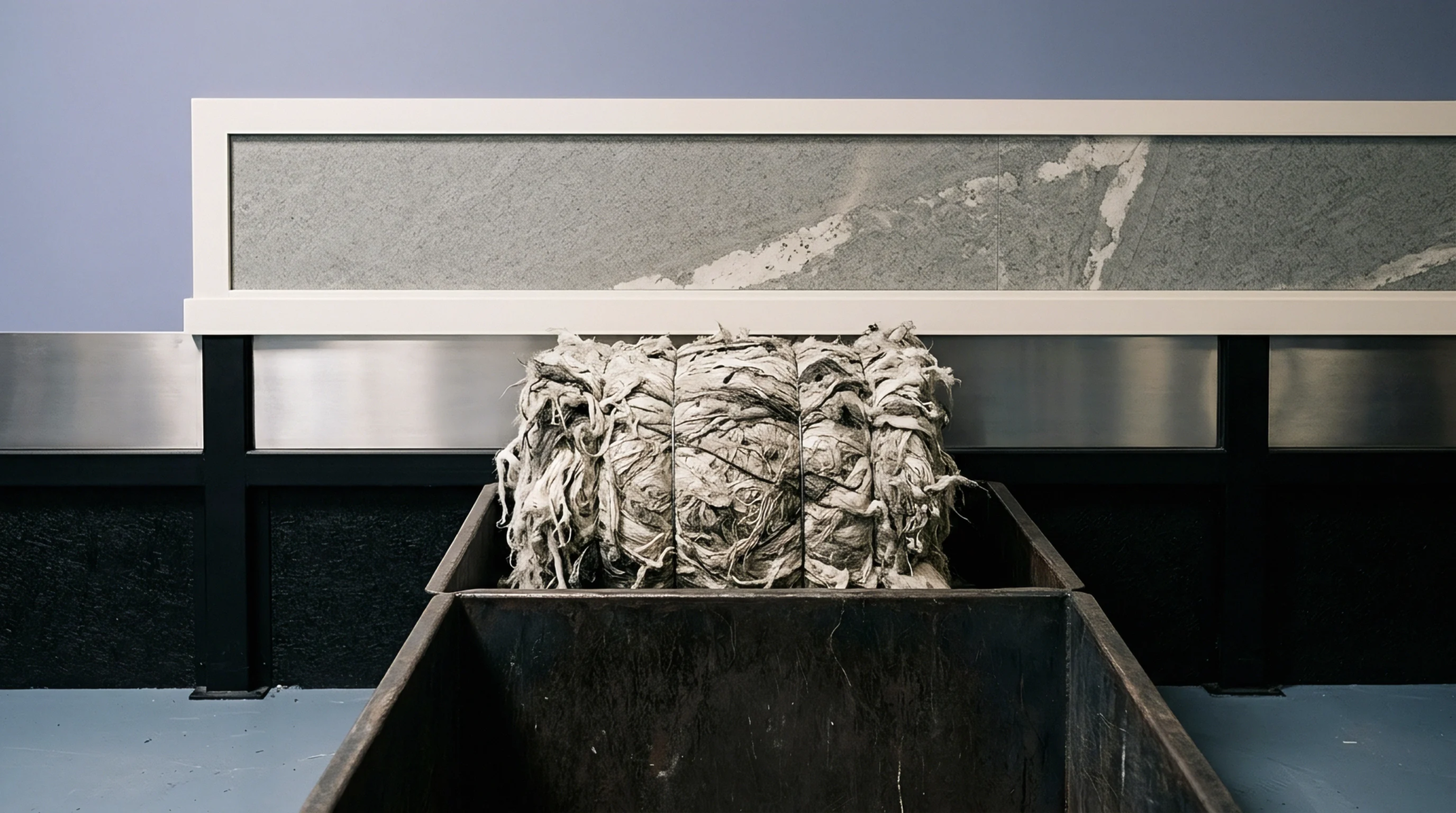
Separating Viscoelastic Crimp Interchange from Biochemical Mass Loss in Scouring
Scouring linen increases GSM despite mass loss because wet viscoelastic crimp interchange condenses thread count faster than non-cellulosic extraction lightens yarn.

Scouring linen increases GSM despite mass loss because wet viscoelastic crimp interchange condenses thread count faster than non-cellulosic extraction lightens yarn.

Deriving greige linen count requires dividing target finished linear density by chemical yield and adjusting for warp crimp, reed spread, and sizing loss.
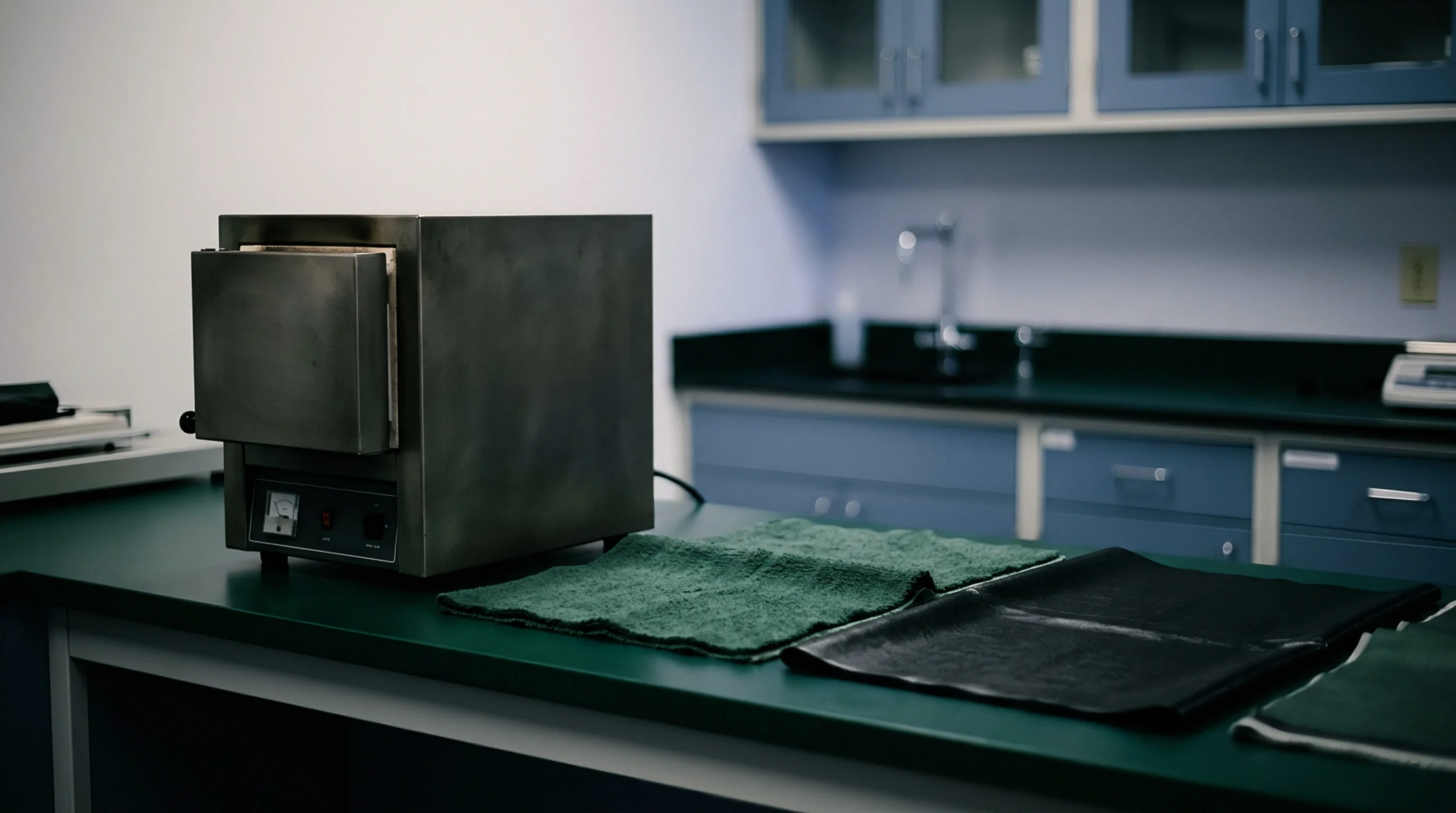
Resolving inter-laboratory bias in flax comb sorting requires strict humidity control, calibrated clamp pressure, and master reference sliver standardization.

Dynamic weaver dispatch using Hawkes process intensity modeling cuts linen warp stop wait times by seventy percent and secures eighty-nine percent shed efficiency.

Comb sorter diagrams define the true upper quartile length and short-fibre mass of hackled flax, setting frame ratch distances and determining wet-spun yields.

Manual comb sorting isolates true flax bundle length arrays, determining Upper Quartile Length and Short Fibre Content to set mill drafting ratches.
Expertise is a utility, not a secret. sentiention™ publishes its working knowledge as open reference: intelligence layer covering the materials it sources, the markets it enters, and the reference that serves both.