Biological Separation
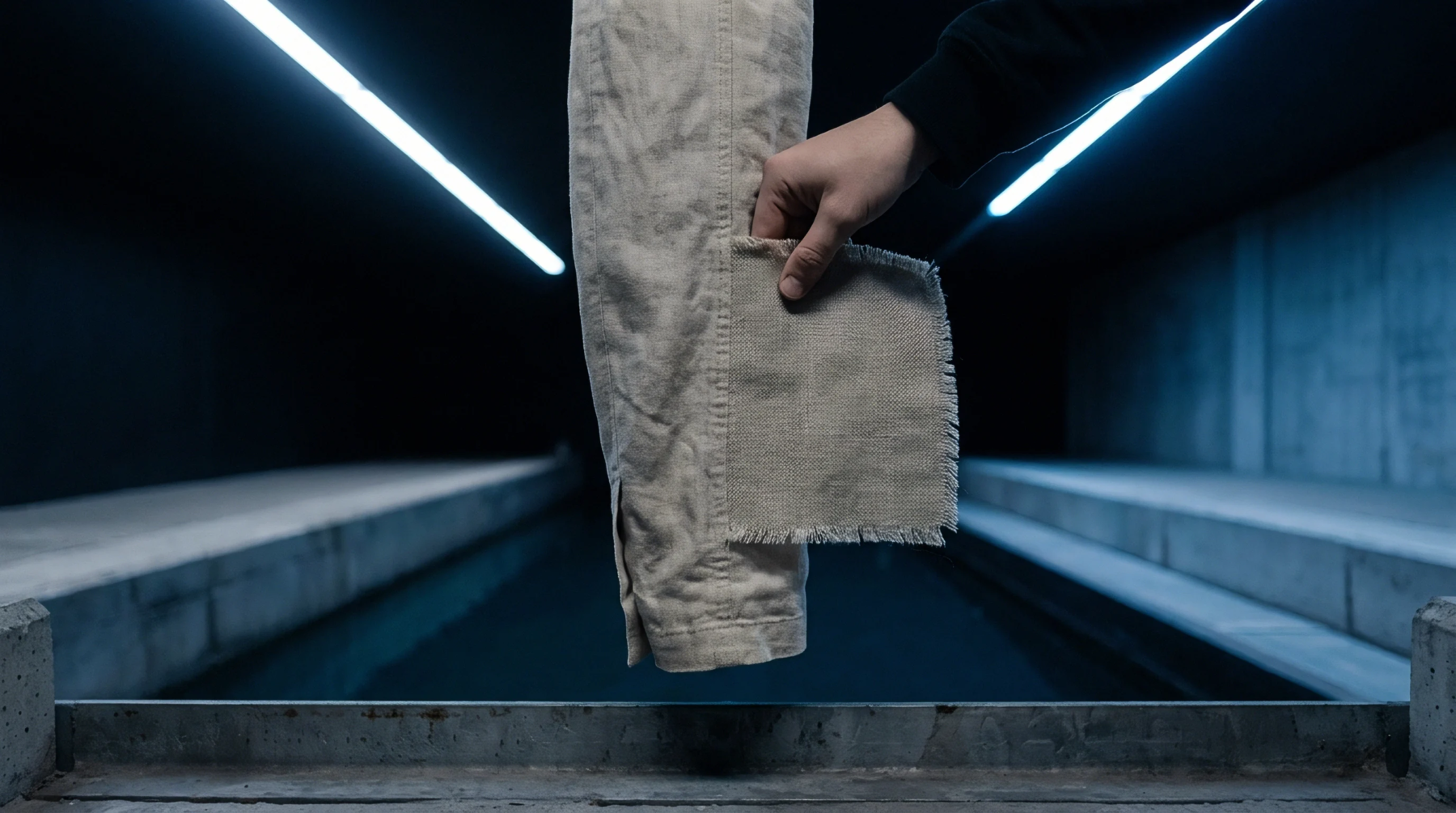
Microbial degradation of the pectinous substances that bind the bast fibers to the woody core of the plant allows for mechanical extraction. While historically done in rivers, modern flax retting occurs primarily on the soil surface or in controlled tanks. This stage is the primary determinant of the color and strength of the subsequent linen.
Environmental Variable
Dew retting relies on the moisture from rain and morning dew to activate fungi on the field. The stalks are spread in thin layers and turned periodically to ensure even exposure to the elements. If the weather is too dry, the fermentation stops and the fibers remain glued to the stalk.
Excessive rain leads to over-retting, which weakens the cellulose and darkens the fiber.
Industrial Outcome
Quality control at the mill starts with assessing the success of this biological process before the scutching begins. Tank retting offers more consistency by submerged the stalks in warm water where anaerobic bacteria work rapidly. This method produces a pale, high quality fiber but requires significant water treatment infrastructure.
The chemical composition of the retted stalks dictates how easily the fiber bundles will split during the hackling process. Proper timing of the harvest and the subsequent flax retting ensures the fiber maintains its integrity during high speed spinning.