
Reconciling Fiber Mass Losses across Long Ocean Transits in Containerized Linen Shipments
Reconciling ocean transit linen losses requires calculating bone-dry fiber mass plus statutory regain rather than comparing uncorrected scale weights.

Reconciling ocean transit linen losses requires calculating bone-dry fiber mass plus statutory regain rather than comparing uncorrected scale weights.
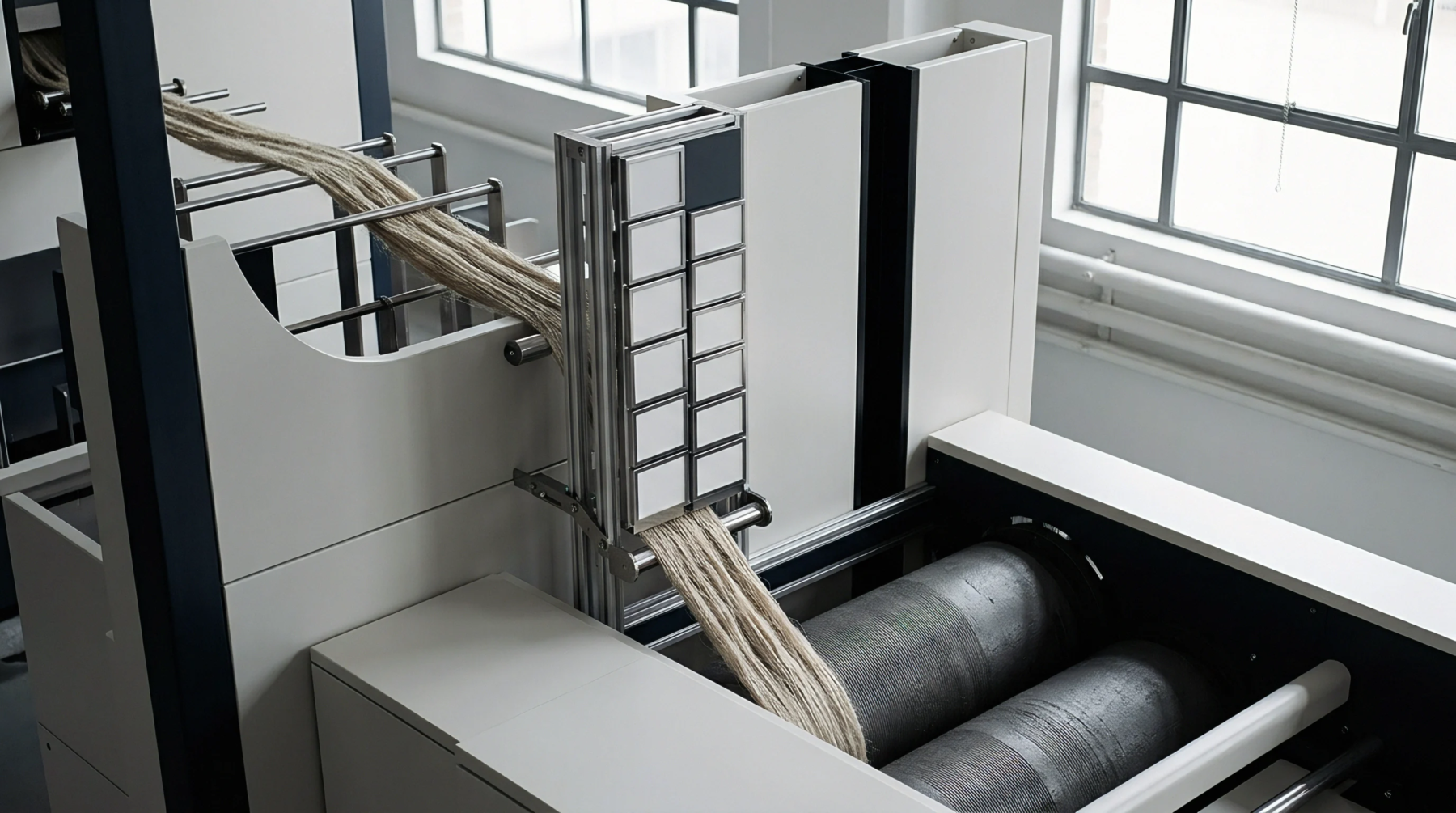
Discrete length distribution transformations control drafting breakage, wet trough bundle dissociation, and finished spinning margins in flax yarn production.
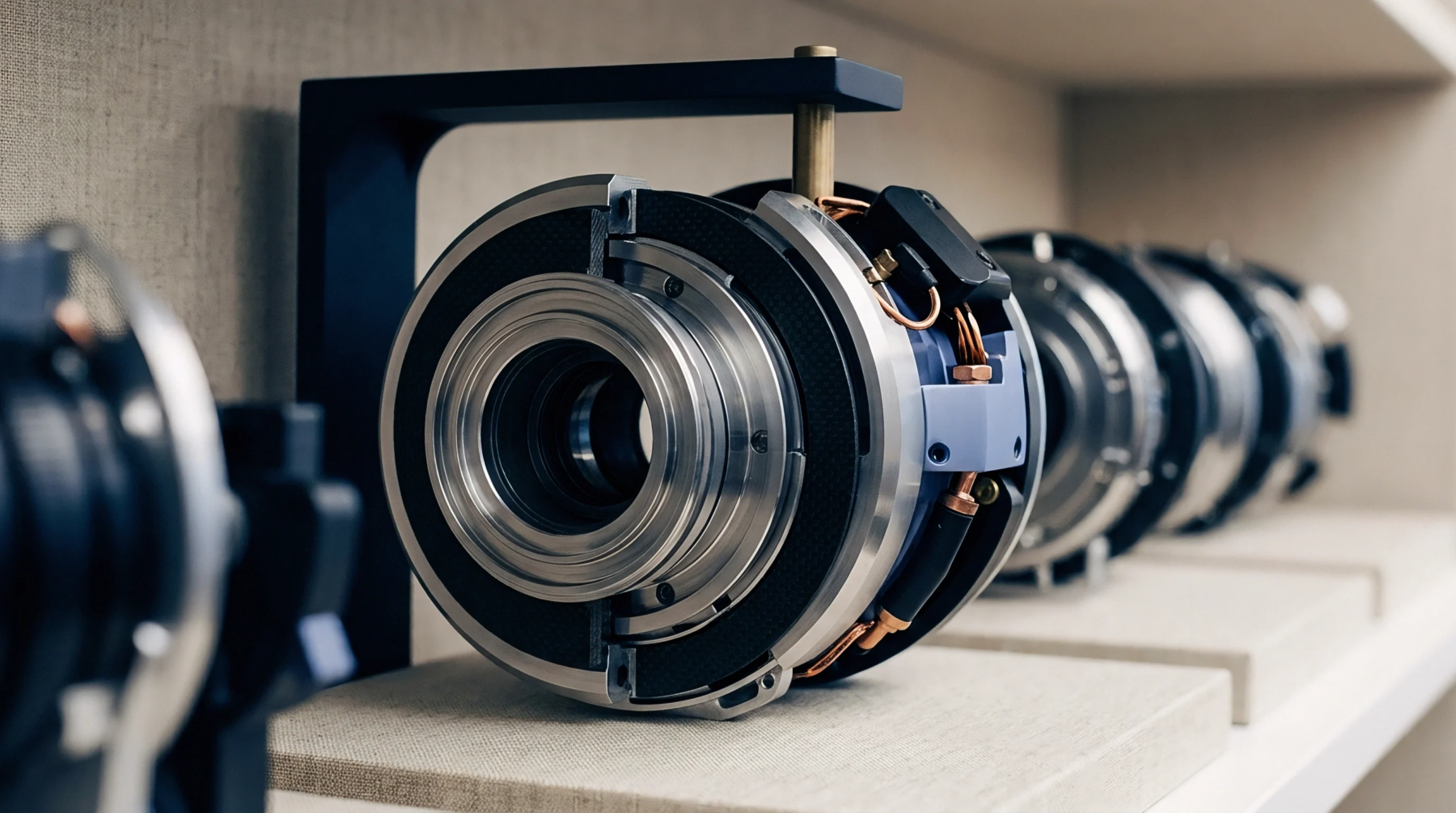
Linear density offsets in long line flax contracts require progressive financial adjustment schedules to offset downstream wet-spinning waste and tenacity losses.

Cut length density variance destabilizes wet drafting by altering dynamic friction in the trough, demanding precise ratch, saddle pressure, and thermal control.

Cut-and-weigh gravimetric testing on conditioned bundles establishes the baseline tex that determines drafting limits, spinning counts, and invoice weights.

Sizing add-on increases greige cantilever bending length non-linearly, cubically elevating flexural rigidity and directly degrading loom-shed runnability.

Deduct isolated shive mass from cut-length bundle specimens using precision sieving to prevent false linear density coarsening in wet-spinning fineness grades.
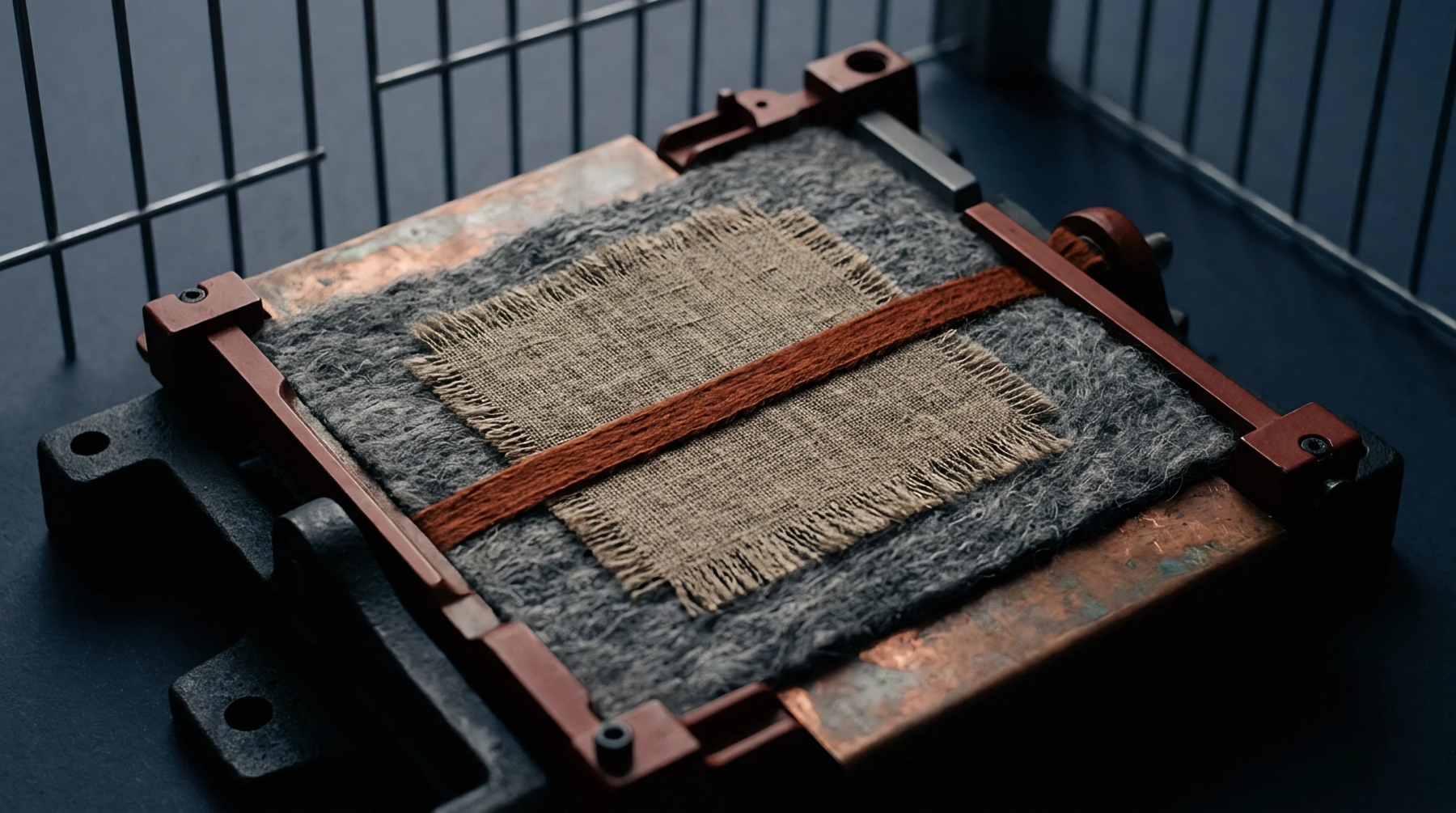
Gravimetric cut-length flax linear density testing converts as-tested bundle mass to official twelve percent commercial regain to prevent drafting and count errors.

Standardizing raw flax container intake moisture regain requires core boring oven drying to adjust physical weighbridge scale tonnage to invoice allowances.

Commission scutching mass balances require dry-weight intake logging, strict physical line purges, and automated shive-to-fibre reconciliation to ensure integrity.

ASTM D5430 limits define first-quality greige at 20 points per 100 square yards, capping individual rolls at 28 points before mandatory commercial debit notes.

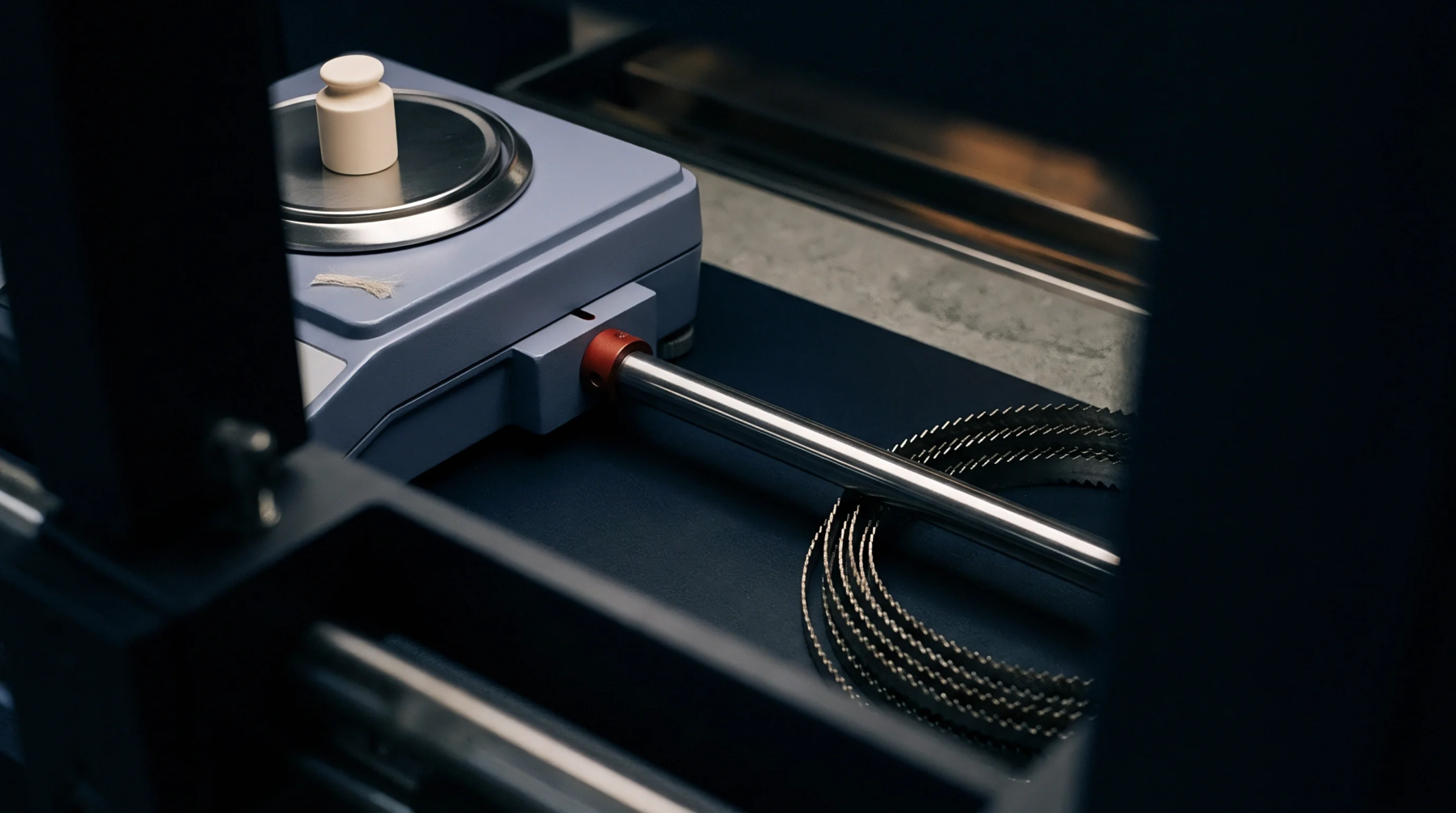
Standard bundle cut gravimetry determines line flax linear density by sectioning combed parallel strands to fixed length and weighing conditioned mass per ISO 2370.

Scutcher turbine calibration balances blade clearance and tip speed to strip woody shive while preserving bast bundle tenacity and long line yields.

Critical wet spinning breakage thresholds occur when delivery speeds push dynamic balloon tension past wet bast cohesion, causing breaks above 40 ED1000.

Low-pectin flax fibers lack internal viscoplastic damping, requiring wider ratch gauges, softer roller cots, and reduced draft ratios to stop drafting waves.
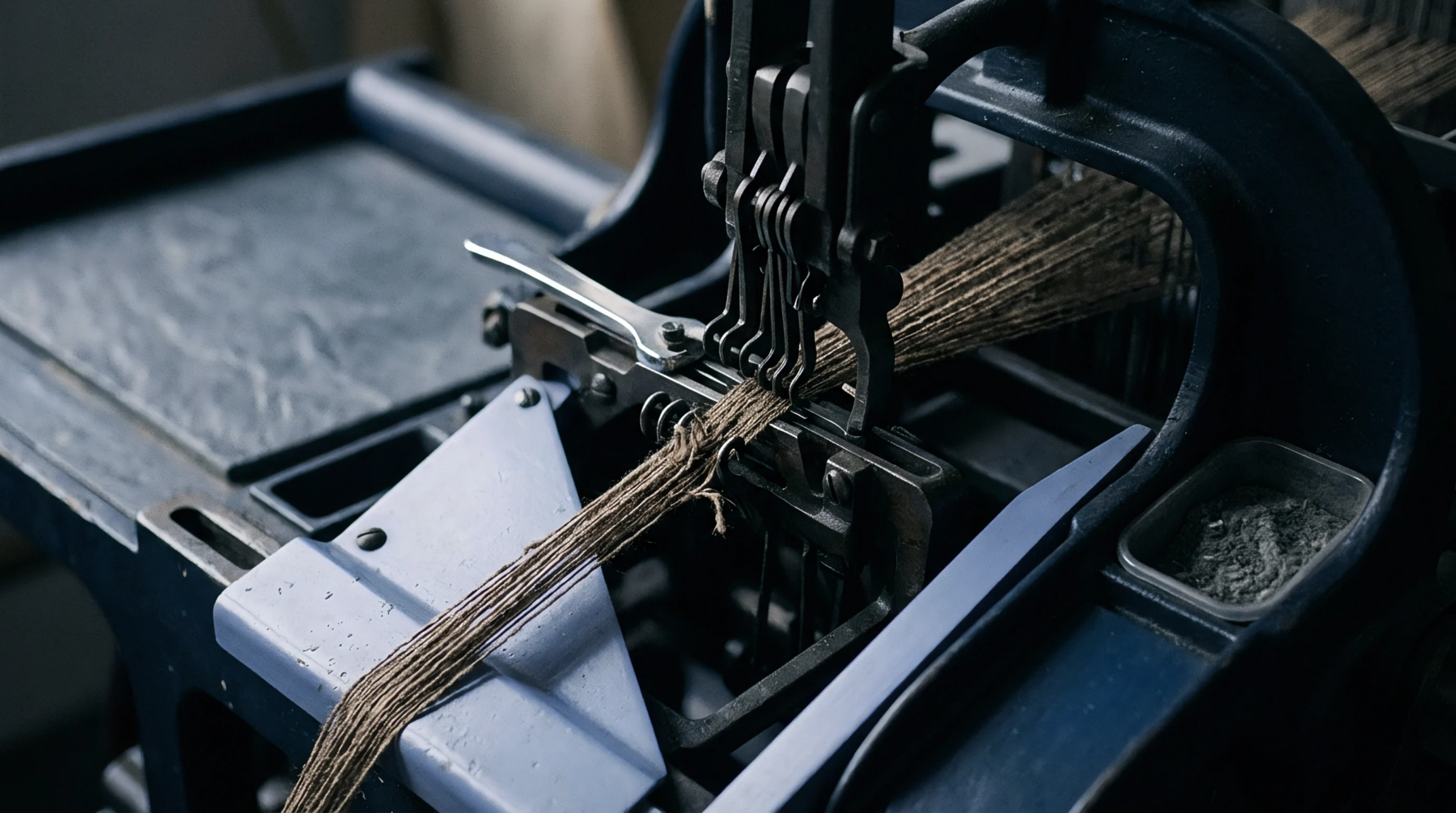
Controlled decortication moisture and roller clearances prevent fiber wall dislocations that degrade flax tenacity and trigger contractual price rebates.

Sliver cohesion limits wet-spun flax counts by governing technical bundle division into elementary fibres under hot water drafting tension.
Moisture regain plasticizes pectic middle lamella bonds, dropping interfacial shear strength from 38 to 10 MPa and dictating drafting stability.

Capping peak cyclic warp tension below thirty-five percent yarn tenacity stabilizes dense wet spun flax tabby production at 340 picks per minute.

Fine wet spun linen above Nm 50 requires 1.35% to 1.85% bound xylan to preserve elementary bundle cohesion and prevent drafting breaks in warm water troughs.

HPAEC-PAD tracking of neutral xylans during roving softening prevents over-degumming, securing 65 Nm wet-spun yarn tenacity above 32 cN/tex.
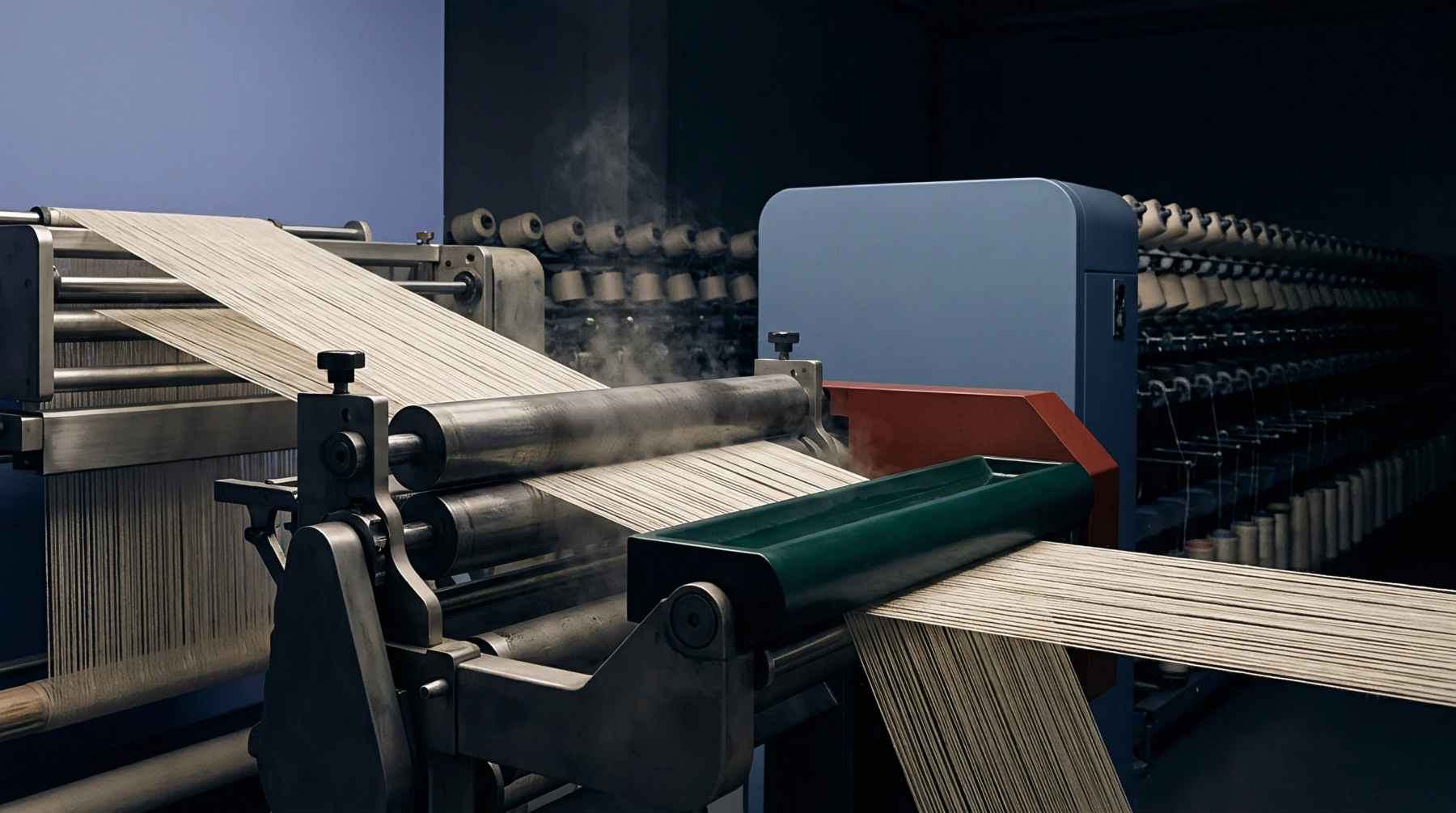
Polymer single-end sizing binds wet-spun linen fibrils below 50 s3 hairs per 100m, elevating loom speed to 700 ppm and cutting total landed weaving costs.

HPLC tracking of neutral sugars in wet spinning troughs enables bleed-and-feed control that prevents drafting cot glazing and reduces ring-frame end breaks.

Controlled hot water soaking leaches middle lamella pectins so drafting roller shear divides technical bundles into elementary fibrils without fibre fracture.

Staple length distribution dictates wet spinning limits because unguided short fibers trigger attenuation waves that multiply end breaks and inflate cost per meter

Elevating the backrest 30mm and adopting two-end denting resolves fell bounce and reduces fiber shear in high-density flax plain weaves.

Wet spun flax tenacity peaks in medium counts where drafting trough pectin removal balances inter-fibre alignment with frictional twist cohesion.

Selecting an 11.8-millimetre Pressley clamp gauge over zero gauge measures inter-filament pectin shear, yielding tenacity figures that predict flax spinning performance.

Reconciling hackling yield requires continuous mass balance records matching physical sliver, tow, and extraction waste to incoming scutched flax lot certificates.

Manual comb sorting fractions technical flax bundles to establish true length distributions, setting drafting roller ratches and defending spinning yields.
Expertise is a utility, not a secret. sentiention™ publishes its working knowledge as open reference: intelligence layer covering the materials it sources, the markets it enters, and the reference that serves both.