
Calculating Commercial Regain and Dry Weight for Long Flax Sliver
Commercial regain calculations correct long flax sliver invoice mass to a twelve percent standard moisture level using validated oven dry weight testing.
Commercial regain calculations correct long flax sliver invoice mass to a twelve percent standard moisture level using validated oven dry weight testing.

Reconcile cross-border fiber logistics ledgers by converting gross weighbridge scale mass to certified commercial weight using ISO 6741 oven-dry core test values.

Flax moisture disputes require oven-dry testing under ISO 6741, enforcing financial adjustments when measured regain exceeds contractual deadbands by over 0.50%.

Invoicing for international linen shipments adjusts scale weight to commercial mass using oven-dry testing and a standardized twelve percent moisture regain.

Commercial regain standards fix raw scutched flax at 12.00 percent, converting certified oven-dry mass into legally binding invoice settlement weights.

Mass balance accounting in offshore linen spinning succeeds only when spinners isolate comber noil and verify dry weight loss at each draw frame stage.

Mass balance allocation in mixed flax spinning requires empirical yield adjustments, quarterly ledger reconciliation, and strict legal origin compliance.

Standardizing raw flax container intake moisture regain requires core boring oven drying to adjust physical weighbridge scale tonnage to invoice allowances.

Scutcher weighbridge tickets determine raw transit mass, while ISO 6741 oven-dry tests apply 12.0% commercial regain to fix true invoiced linen fibre weight.

Commercial mass calculations for flax yarn convert scale weight to oven-dry mass before applying the twelve percent standard regain across container billings.

Compacting fine linen damasks demands 14-18% moisture, 135-145°C drum heat, and 2.2-3.4 kN/cm nip load to hold residual warp shrinkage under 2% without fibre damage.

Transaction certificate reconciliation requires matching certified input mass to finished fabric area using yarn count, construction density, and moisture regain.
Standard moisture regain baseline calculations convert gross delivered flax mass to 12% commercial invoice mass via certified laboratory oven dry testing.

Moisture regain shifts distort linen origin audits; normalizing scale weights to bone-dry fibre mass prevents origin claim revocation and retroactive tariffs.

Cross border flax roving settlements adjust gross package mass to bone dry fiber weight using standardized oven desiccation and contractual regain factors.

Mechanical scutching parameters govern flax fiber separation efficiency, yield ratios, customs origin transformation, and commercial batch verification.
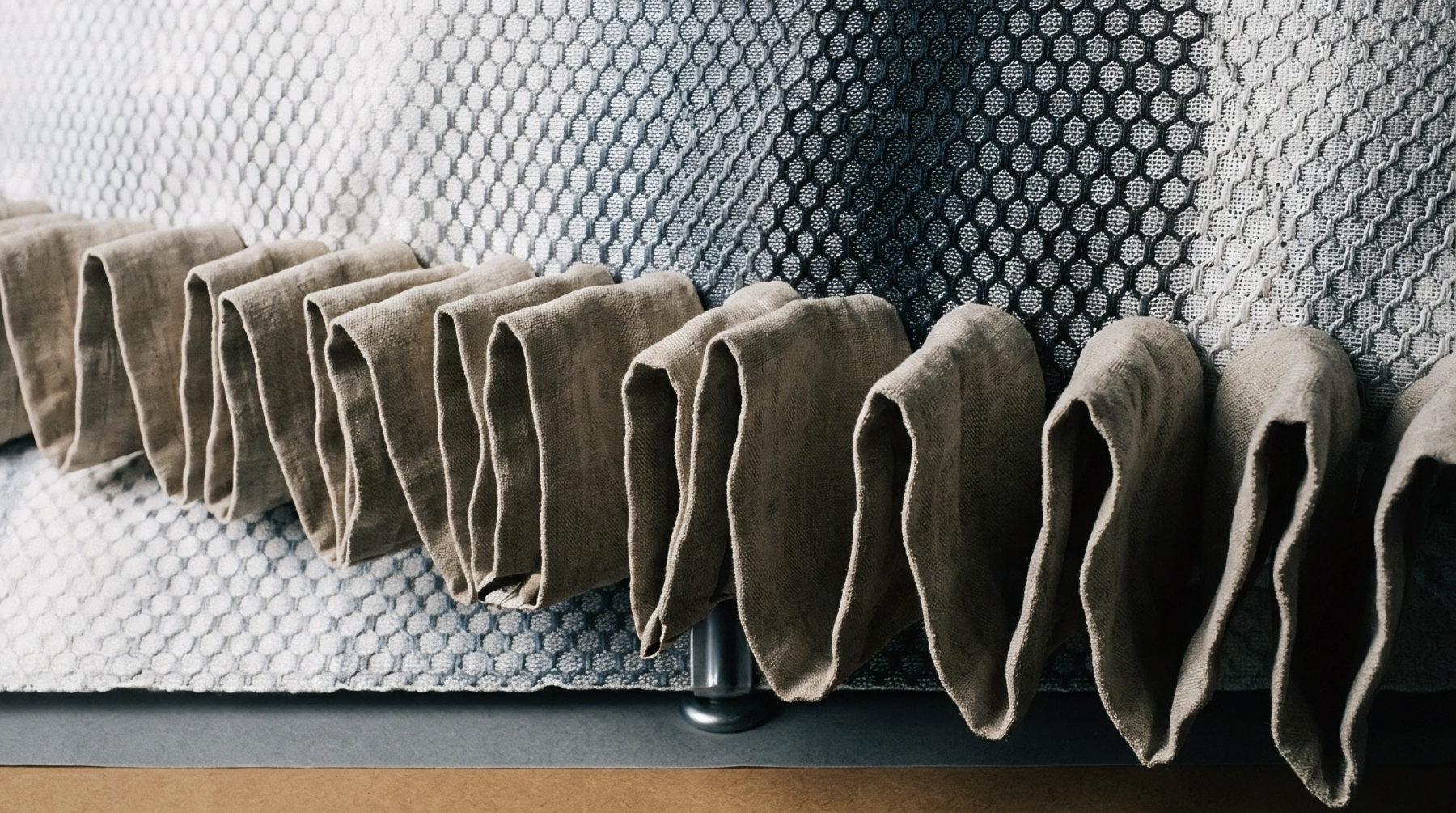
Standard moisture regain formulas adjust raw flax invoice mass by converting weighed tonnage into bone-dry weight plus contractual water allowances.

Commercial mass adjustment corrects delivered flax invoice weight by calculating bone-dry mass via oven drying and applying standard regain allowances.

Commercial moisture adjustments convert raw flax scale weight to invoice weight using dry mass and the contractual twelve percent regain baseline.

Base moisture regain calculations adjust raw flax bale mass to standard commercial allowances, preventing buyers from paying fibre prices for ambient water.
Expertise is a utility, not a secret. sentiention™ publishes its working knowledge as open reference: intelligence layer covering the materials it sources, the markets it enters, and the reference that serves both.