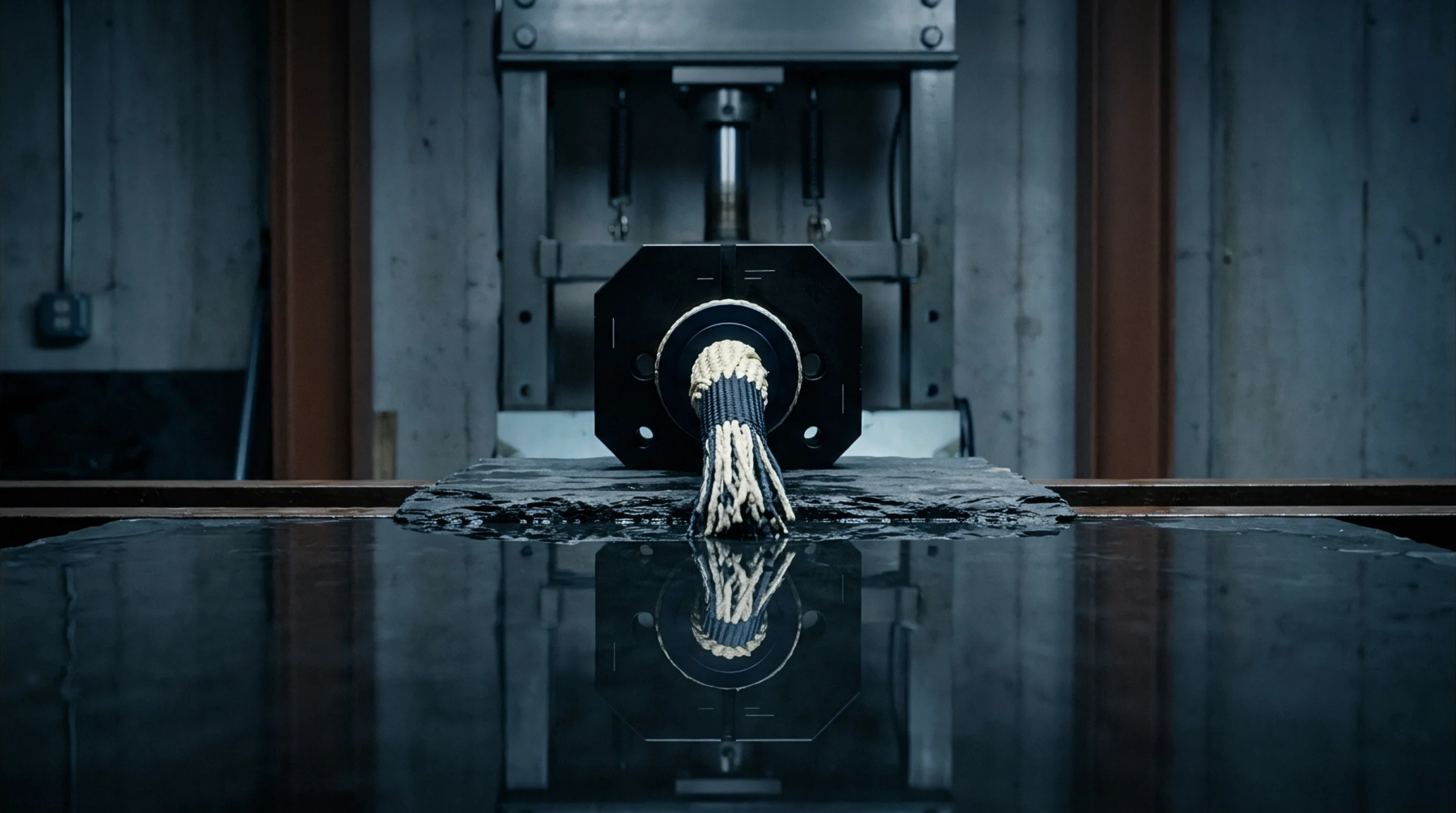
Wet Spun Flax Yarn Dynamic Tensile Fatigue Testing Protocols
Dynamic tensile fatigue protocols for wet spun flax quantify cyclic inter-fiber pectin shear, predicting high-speed loom warp stops before beam mounting.
Dynamic tensile fatigue protocols for wet spun flax quantify cyclic inter-fiber pectin shear, predicting high-speed loom warp stops before beam mounting.

Hot water trough temperatures between 68°C and 74°C plasticize middle lamella pectins, preventing microfibril rupture and securing fine yarn counts up to Nm 80.
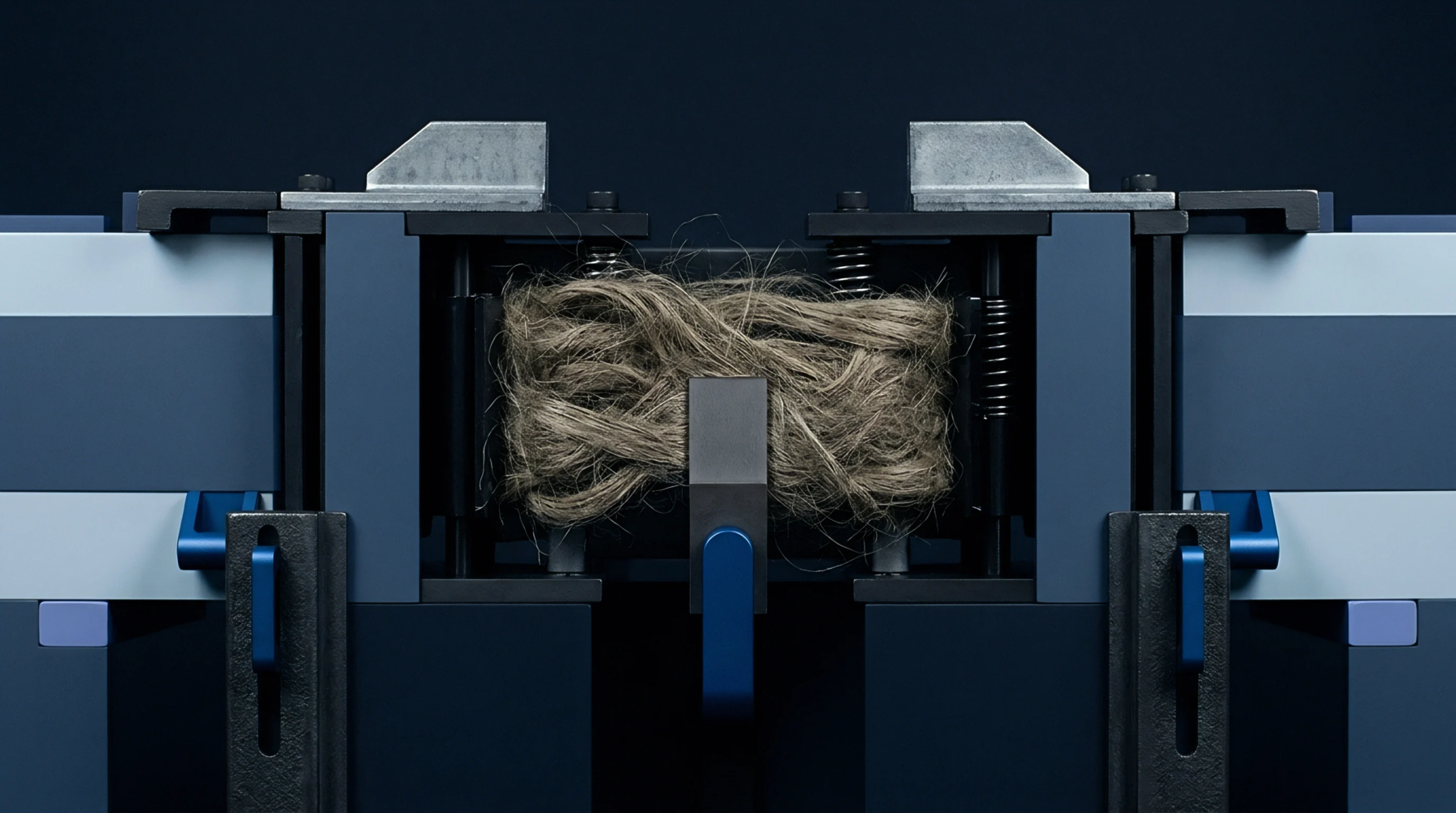
Continuous accumulation of pectin degradation products in closed-loop wet spinning troughs alters fluid rheology, impairing strand drafting and dropping yarn tenacity.
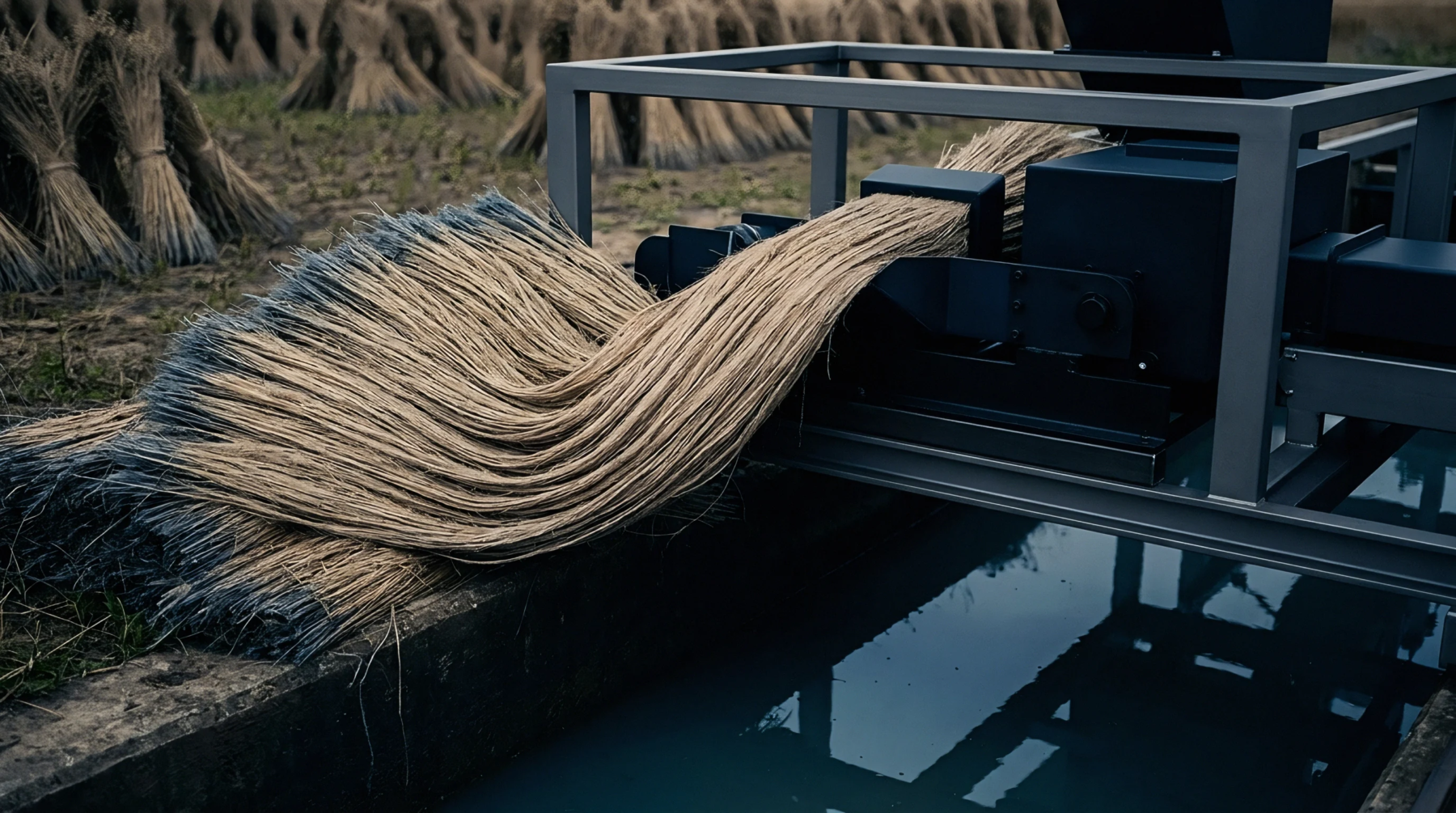
Spectrophotometric galacturonic acid assays overestimate retting degree unless corrected for neutral sugar and phenolic background interference.

Graduated hackling pin density increases flax sliver tenacity by splitting bundles until needle pitch falls below bundle diameter, causing fiber truncation.
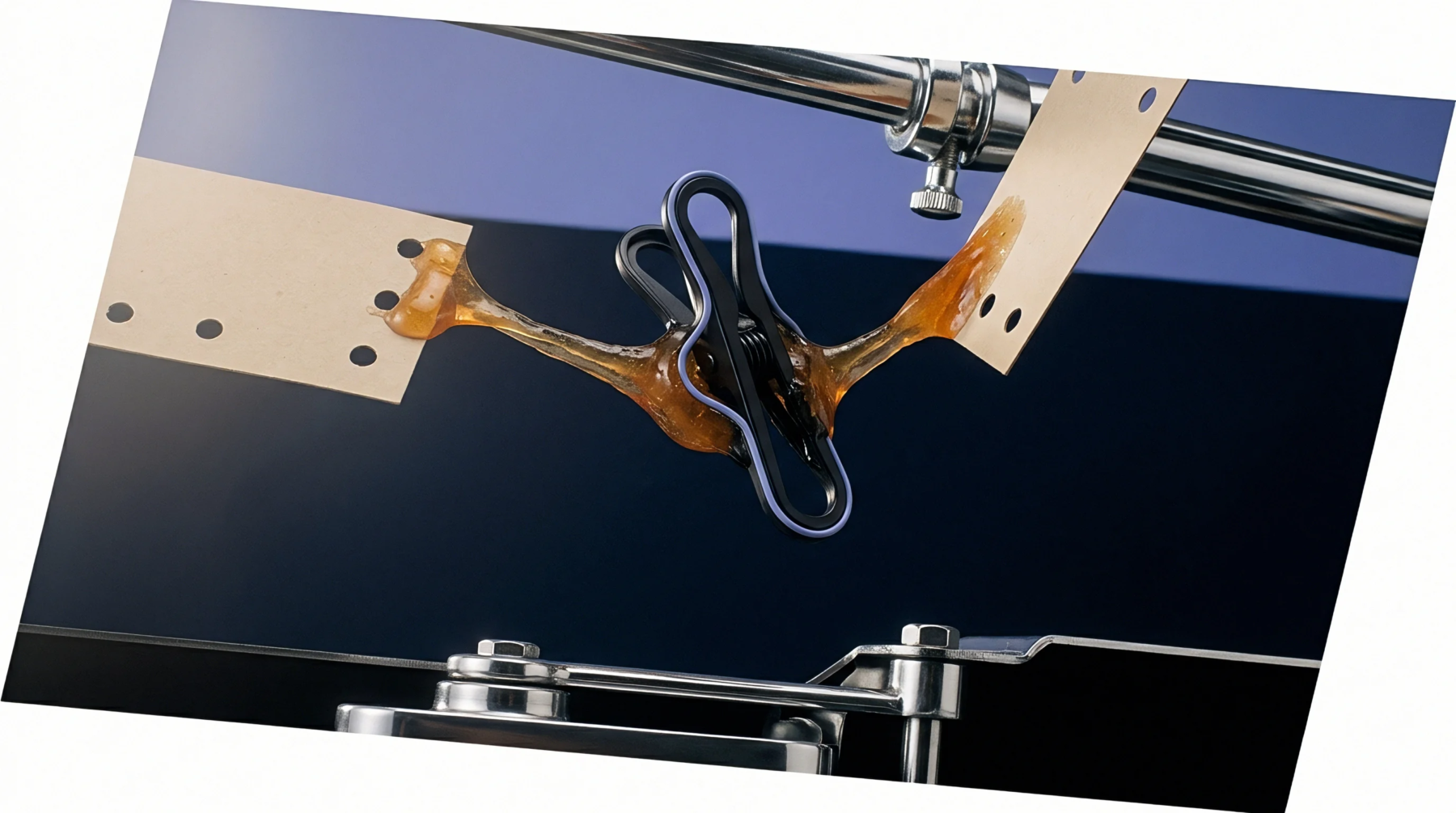
Steep secondary cell wall microfibril orientation maximizes bast fiber axial tenacity, reducing yarn breakages and lower landed spinning costs.
Spectrophotometric m-hydroxydiphenyl quantification of ammonium oxalate extracted pectin predicts bast fibre sliver drafting behavior and wet spinning yield.
Expertise is a utility, not a secret. sentiention™ publishes its working knowledge as open reference: intelligence layer covering the materials it sources, the markets it enters, and the reference that serves both.