Enzyme Penetration
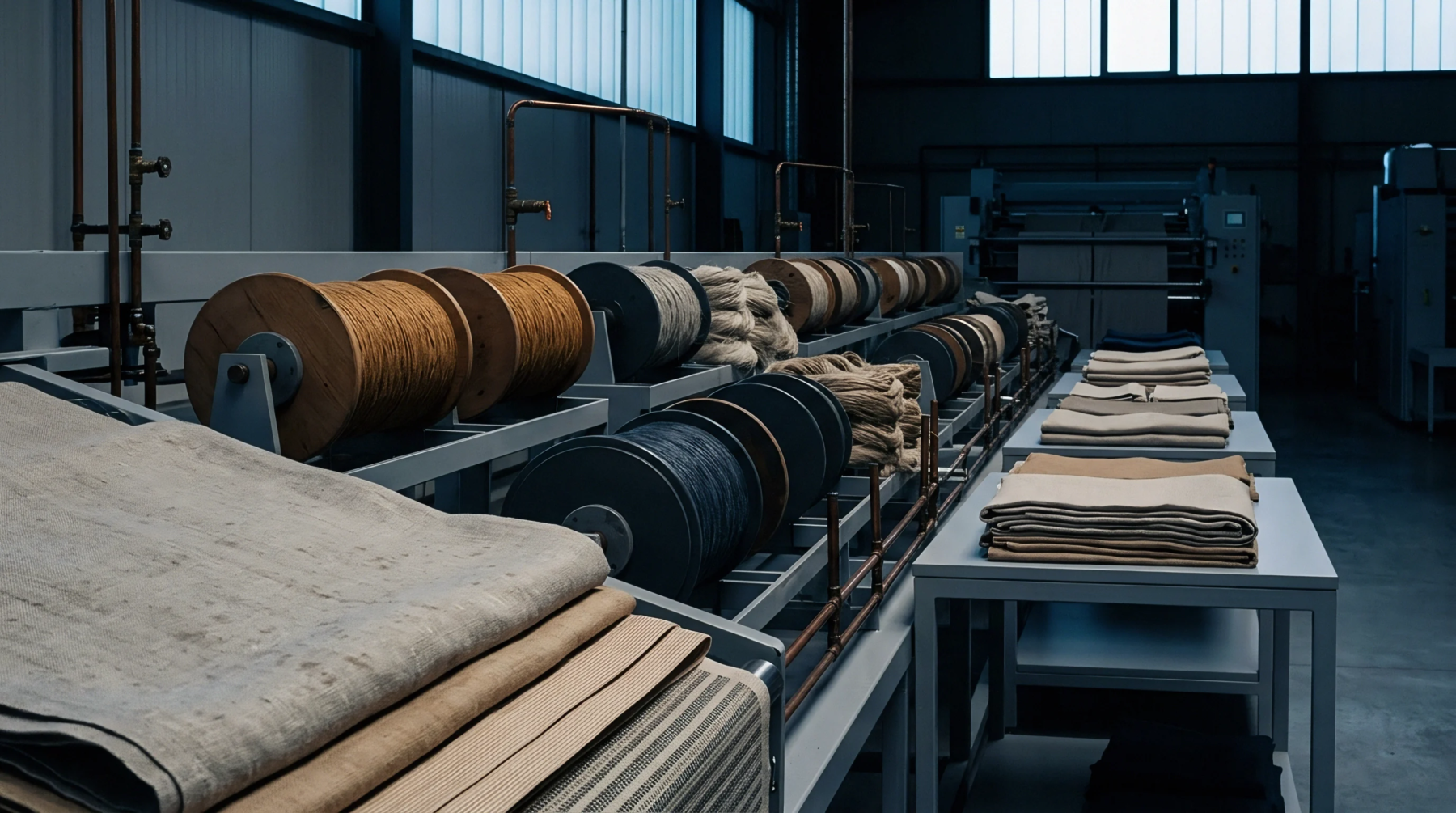
Alkaline scouring baths remove natural pectins and starches from flax rovings before wet spinning begins. Starch size applied during warp preparation dissolves entirely when desizing washability allows hot liquor to penetrate dense yarn bundles without filament damage. Residual sizing agents alter final fabric handle by creating stiff patches that reject dye molecules during padding operations.
Desizing washability measures how completely enzymatic solutions dissolve polyvinyl alcohol coatings from woven linen goods within a standard timer frame. Mill laboratories record these cleansing parameters in the daily finishing log alongside alkali concentration and water temperature metrics.
Hydrolysis Rate
Hot water rinsing removes broken starch fragments after enzymatic breakdown finishes its chemical work on the loom state cloth. Soluble carbohydrates leave the cellulose matrix rapidly once the washing machine agitator creates adequate mechanical shear against the fabric surface. Processing speed depends entirely on bath saturation levels because dry yarn cores absorb moisture slowly during initial immersion.
Unwashed size residues react with finishing chemicals to produce yellow streaks across bleached export bolts destined for apparel houses.
Scour Compliance
Finished linen cloth passes inspection when residual sizing drops below acceptable gravimetric limits set by international buyers. Buyer acceptance criteria demand zero starch traces on the final roll whereas the mill internal standard permits minor variations within standard tolerance bands. Laboratory technicians boil extracted fabric samples in iodine solution to detect unremoved dextrins under ultraviolet illumination before signing the export docket.
Desizing washability determines whether grey goods clear all sizing agents sufficiently to meet export strength and dye uptake specifications.