
Bast Fibre Sorption Hysteresis Basics for Import Ledgers
Sorption hysteresis alters landed fibre mass; import ledgers require ISO 6741-1 core dry-mass calculations to adjust raw invoice weights accurately.
Sorption hysteresis alters landed fibre mass; import ledgers require ISO 6741-1 core dry-mass calculations to adjust raw invoice weights accurately.

Auditing scutching intake tickets requires verifying axle scale calibration, applying standardized moisture and dockage deductions, and reconciling net straw mass.

Audit conditioned mass at each subcontract gate to separate tow carding waste from wet chemical extraction losses.

Moisture regain shifts distort linen origin audits; normalizing scale weights to bone-dry fibre mass prevents origin claim revocation and retroactive tariffs.

Gravimetric extraction combined with stable isotope profiling verifies European dew-retted flax origin and detects blended Asian mill yarn batches.

Alkaline scouring degrades flax yarn strength when cellulose degree of polymerization drops below 900, requiring strict intrinsic viscosity controls during package processing.

Strontium isotope mass spectrometry isolates bioavailable soil ratios in flax cellulose, enabling direct verification of European origin against mill declarations.

Reconciling organic flax spinning losses requires adjusting transaction certificates for count-dependent extractive solubilization and moisture regain.

Origin audits reconcile scutched flax inputs to spun yarn outputs by calculating moisture regain, mechanical hackling yields, and wet bath pectin losses.

European Flax ring spinning mass balance audits require moisture-adjusted dry fiber weight reconciliation across every transformation stage from raw bale to spun package.

Asian spinning transforms certified European flax into local yarn for customs while retaining material pedigree through transaction dockets.

Tariff shift for linen requires verifying mechanical transformation at each HS heading, from raw fiber to spun yarn and woven cloth, backed by lot-level mill logs.

Flax blend classification under Section XI Note 2 depends on commercial mass calculations after applying standard moisture regain percentages to dry fiber weight.

Substantial transformation audits in multi-country linen supply chains require linking lot-level transaction certificates from European flax fields to Asian spinning and weaving facilities to satisfy customs origin rules.

Physical segregation of certified Western European flax at high-speed drawframes demands dedicated creel tracks, line flushes, and mass balance audits.

Isotopic testing exposes flax origin by comparing carbon, oxygen, and strontium isotopes against mass balance records to prevent Asian spinning mill blending.

Verifying flax scutching yield requires dry-mass normalization of input straw against output long fibre, tow, and shive fractions across batch records.

Scutching confers non-preferential origin when mechanical decortication permanently transforms raw straw into clean fiber under verified mass balance audit dockets.
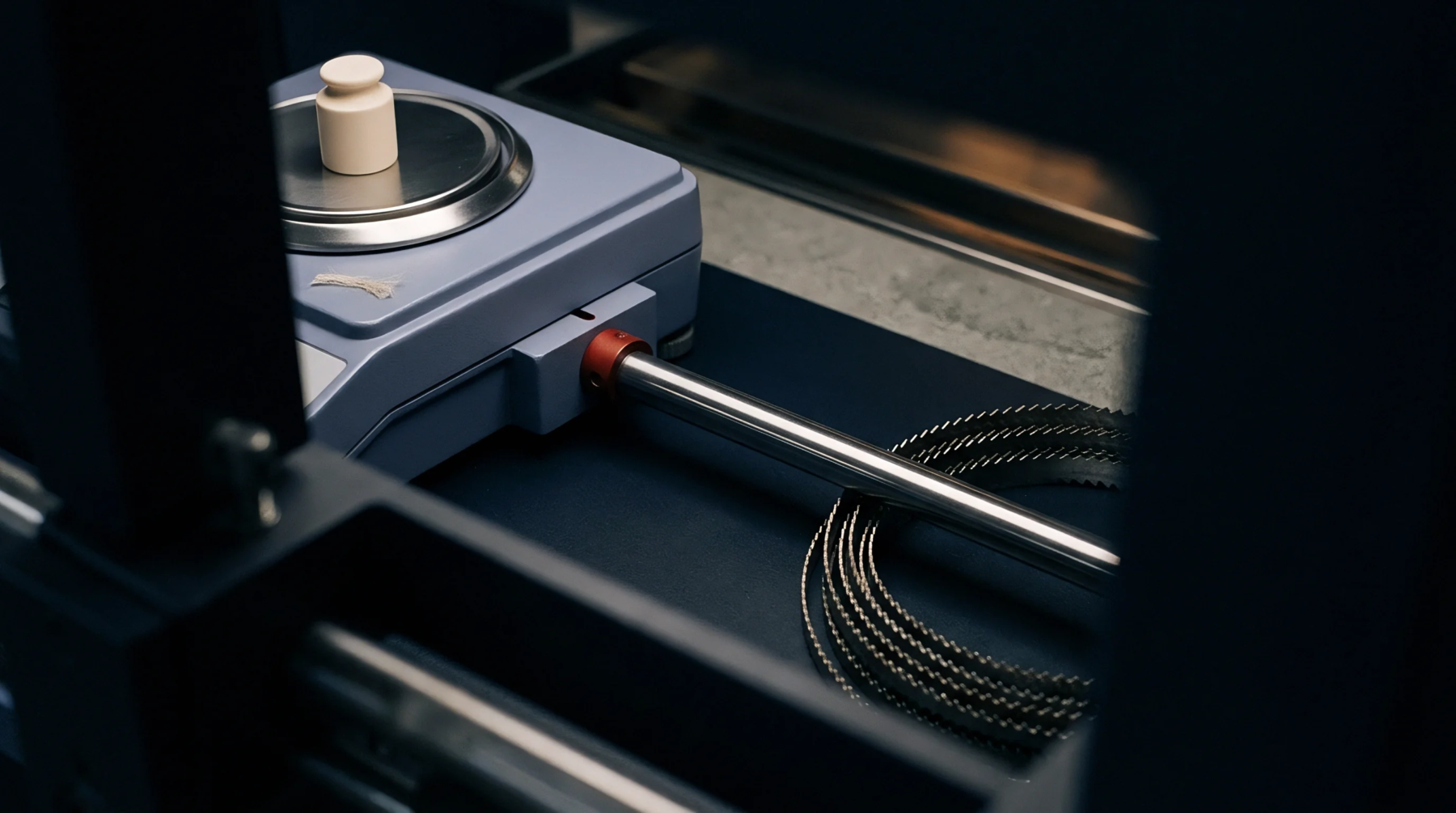
Mass balance weight verification between European scutchers and Asian mills requires normalizing scale weights to absolute dry mass plus twelve percent regain.

Reconcile bast fibre customs ledger discrepancies by converting scale weights to invariant oven-dry mass using core testing before applying commercial regain rates.

Establishing isotopic soil baselines for European flax requires measuring bioavailable strontium and oxygen ratios to verify fiber origin against document claims.

Forensic microscopic and spectroscopic testing quantifies chemical degumming residuals, exposing invalid provenance claims on non-European linen yarn entries.

Harmonized System bast fiber classification relies on physical shive percentage, pectin degradation depth, and mechanical hackling status.

Harmonized System Chapter 53 classification of flax fabrics relies on an 85 percent mass threshold verified through dry-weight chemical analysis.

Intake weighbridge cross checking reconciles gross straw mass, core moisture regain, and soil tare against scutching manifests to verify net fibre yields.

Auditing spinning mill mass balance requires reconciling net dry fiber intake against yarn output, waste logs, and moisture adjustments across fixed audit windows.

Reclassifying third country blended yarn under Union Customs Code requires audit files linking ISO 1833 dry mass testing to mill spinning logs.

Long staple flax tenacity and scutcher loss dictate yarn spinning limits and processing economics, requiring standardized ISO gauge length testing and mill-level mass balance verification.

Intake weighbridge data cross-checked against scutcher manifests and corrected for moisture regain prevents origin fraud and raw flax short-weight invoicing.
Expertise is a utility, not a secret. sentiention™ publishes its working knowledge as open reference: intelligence layer covering the materials it sources, the markets it enters, and the reference that serves both.