Continuous Pectin Degradation Accumulation Effects on Closed Loop Wet Spinning Trough Rheology and Tenacity
Continuous accumulation of pectin degradation products in closed-loop wet spinning troughs alters fluid rheology, impairing strand drafting and dropping yarn tenacity.
Extract
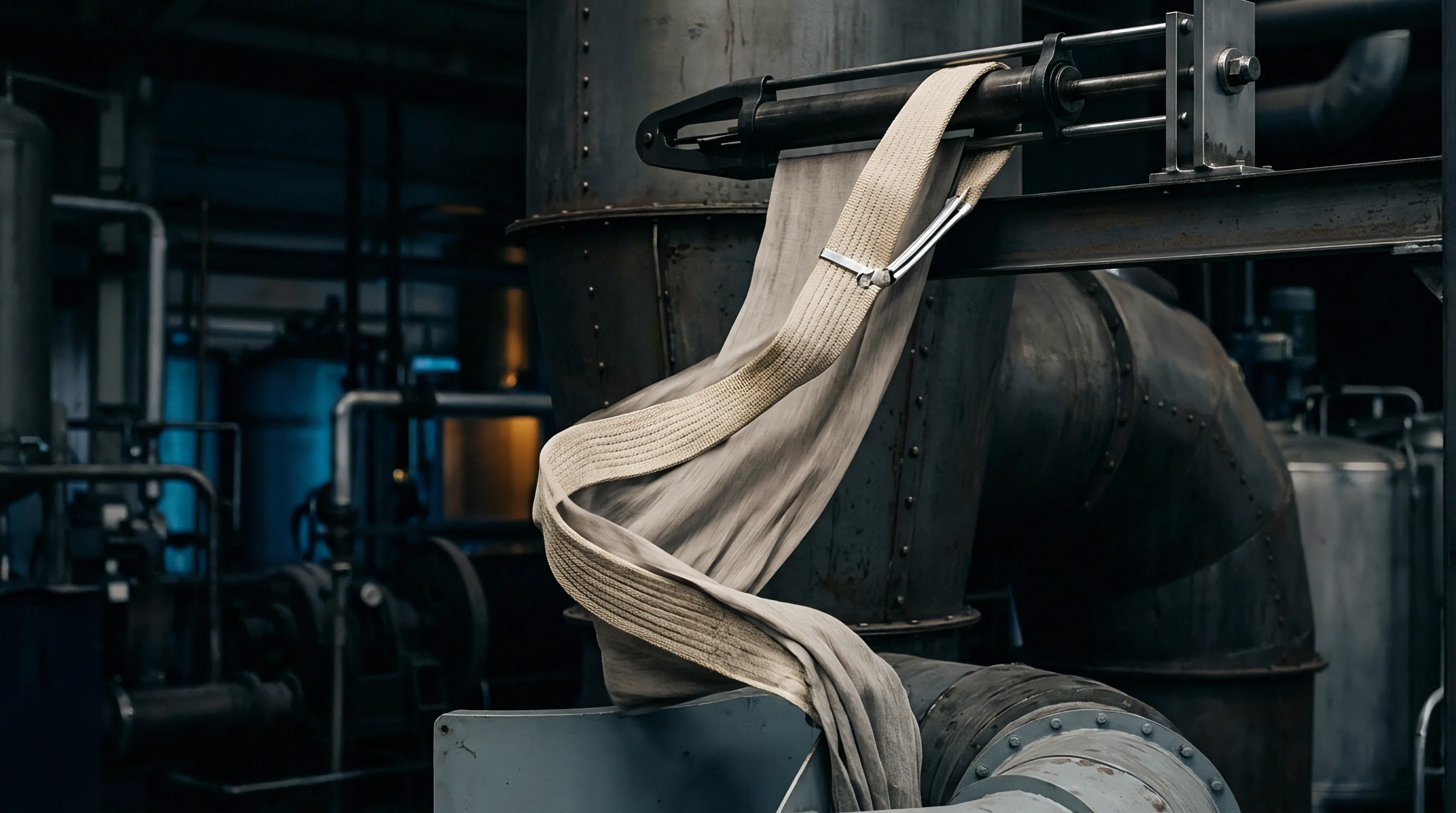
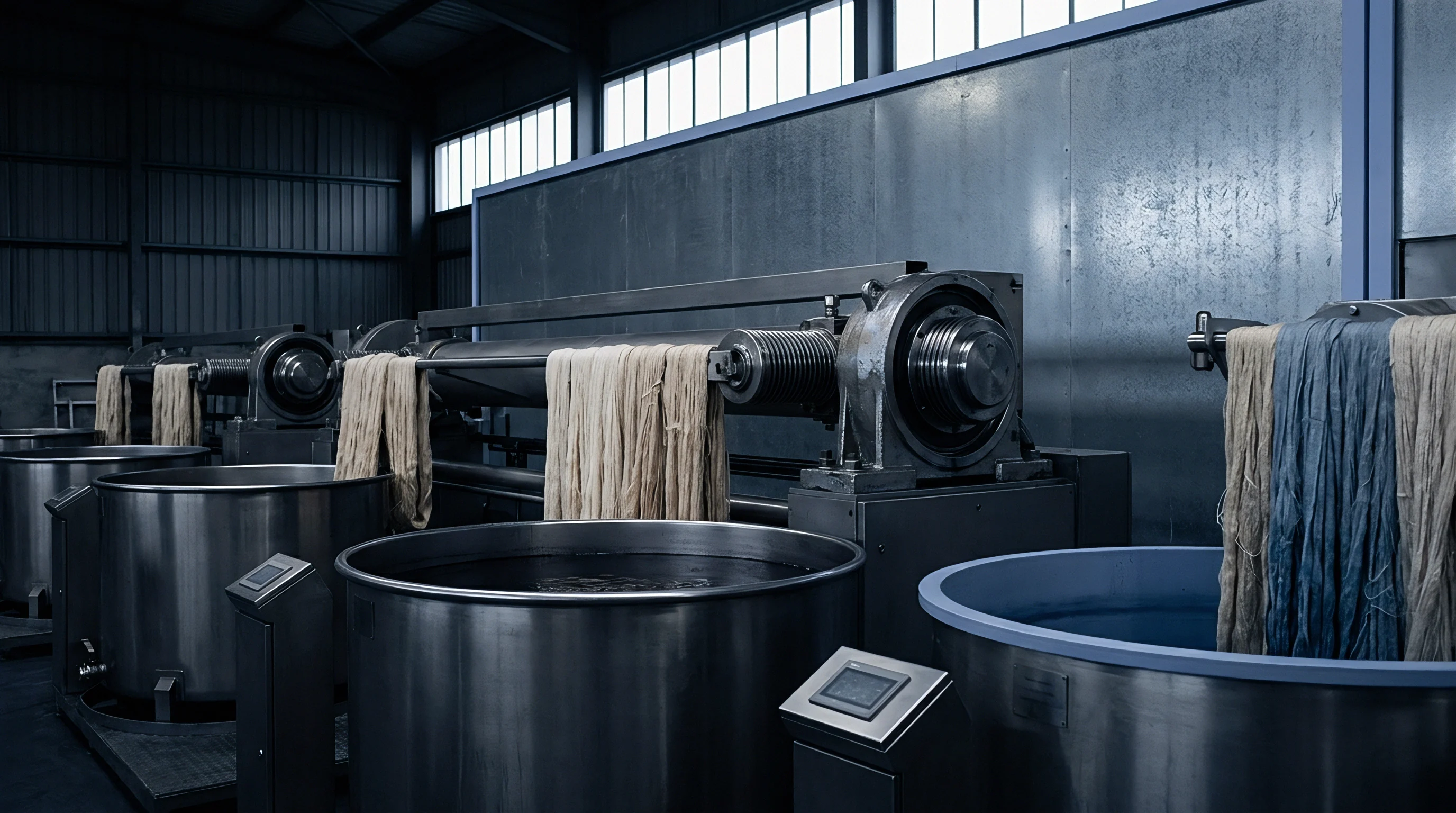
In wet spinning long-staple flax, ropings enter an aqueous bath heated between 60°C and 75°C to soften the intercellular binder binding elementary filaments together. Softening permits controlled slippage of individual bast fibres during drafting, enabling the frame to draw coarse ropings down to fine metric counts. Industrial wet spinning circuits continuously recycle bath liquor to reduce thermal energy losses and fresh water consumption.
Continuous thermal and mechanical processing leaches organic compounds directly from the bast tissue into the circulating water loop. Over extended operating shifts, these dissolved materials accumulate in the recirculation tank, transforming clear process water into a complex organic tea.

Water Soluble Constituents and Thermal Cleavage
Flax fibre bundles contain between four and eight percent binder compounds by mass, composed predominantly of homogalacturonans and rhamnogalacturonans. Immersing flax roving in hot water initiates rapid leaching of non-cellulosic polysaccharides. Unesterified galacturonic acid residues dissolve easily in neutral to slightly alkaline mill water.
High bath temperatures break weak glycosidic bonds within the high-molecular-weight pectic backbone. Thermal cleavage reduces long-chain polymers into low-molecular-weight oligogalacturonides. The rate of solubilization increases when bath temperatures exceed 65°C. Roving packages held in continuous contact with recirculated liquor release up to twelve grams of soluble organic matter per kilogram of dry fibre processed.
Dissolved binder fragments remain chemically active inside the fluid circuit, where long heating cycles promote continuous depolymerization. Pectic chains hydrolyze into monomeric D-galacturonic acid, neutral monosaccharides including rhamnose, galactose, and arabinose, alongside residual wax emulsification products. Organic acids lower the natural bath pH from neutral down to 4.8 over thirty hours of closed recirculation, and these acidic conditions further accelerate thermal hydrolysis.
A chemical equilibrium establishes where fresh organic matter leaches into a bath already saturated with degradation products. Dissolved organic carbon concentrations stabilize only when fresh water make-up balances the liquor carry-over on wet drawn slivers.
Standard purchasing specifications under ISO 6741 mandate clear limit values for extracted water-soluble pectic material to protect wet-spinning yarn tenacity.
Degradation Pathways in Recirculated Liquors
Continuous thermal exposure breaks down long polymer chains into short-chain oligogalacturonides and monomeric galacturonic acid. Water quality degrades continuously during standard spinning operations. Soluble organic fractions alter chemical equilibria within the fluid.
Thermal degradation produces specific molecular weight distributions in the closed circuit.
- Homogalacturonan Fragments leach rapidly from the middle lamella during the initial thirty seconds of immersion at 65°C.
- Oligogalacturonide Chains accumulate in recirculated liquor as thermal cleavage breaks high molecular weight pectic polymers into shorter soluble units.
- Monomeric Galacturonic Acid increases bath acidity and creates active sites for divalent cation binding.
- Neutral Hemicelluloses dissolve alongside pectic materials, increasing total organic carbon levels in closed loop troughs.
Secondary degradation reactions occur as dissolved sugars undergo thermal oxidation under aeration within recirculation pumps and flumes. Small organic molecules react with trace metals in process water, forming insoluble micro-precipitates that remain trapped in closed loops without adequate mechanical filtration. Fine suspended solids increase liquor turbidity while providing surfaces for organic aggregation.
Elevated bath turbidity often stems from field retting variations rather than closed-loop liquor accumulation.
Rheology
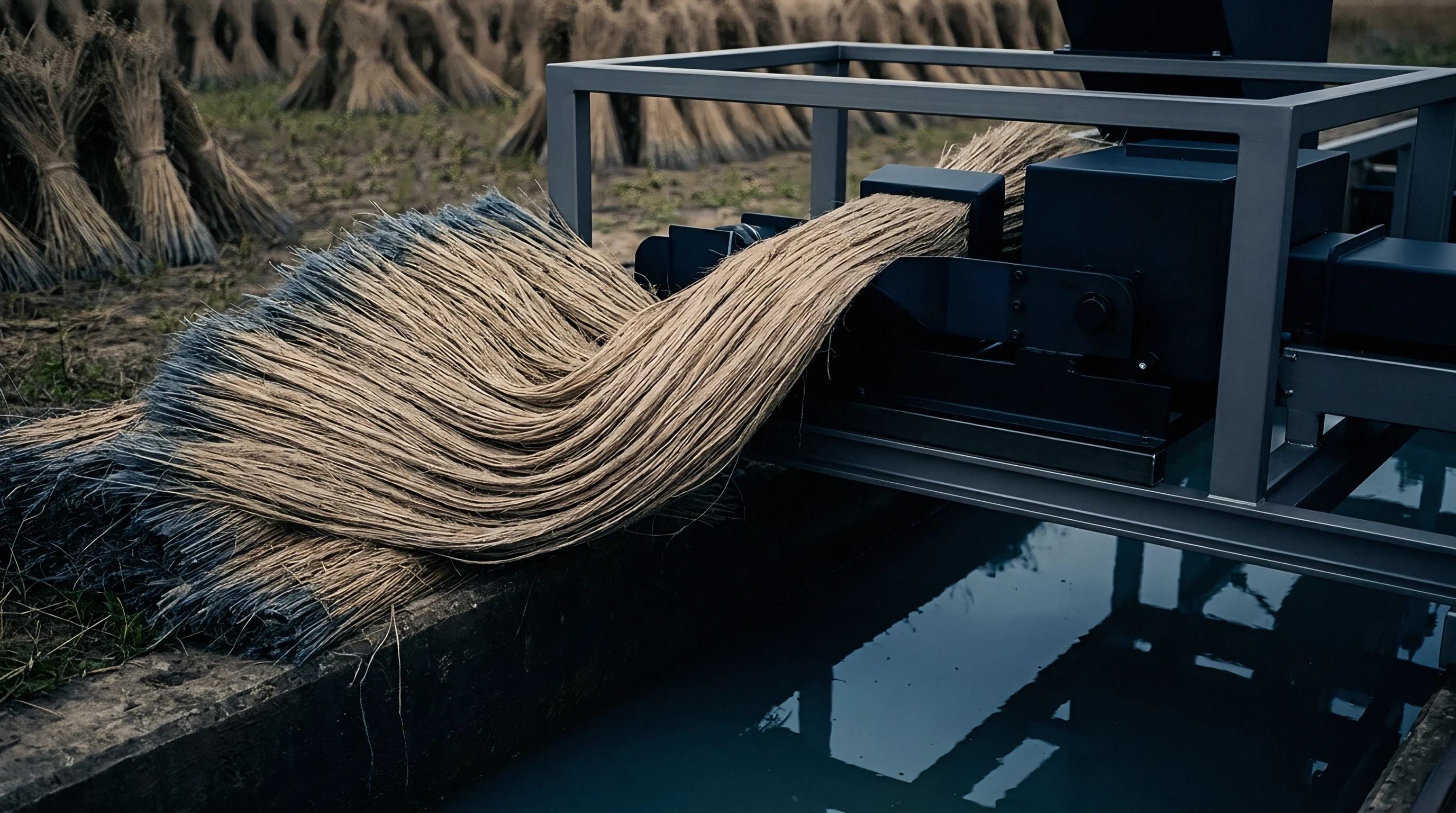
Accumulated organic breakdown products systematically modify the physical flow properties of recirculated trough water. Fresh water behaves as a simple Newtonian fluid with predictable viscosity across standard spinning temperatures. The addition of dissolved polysaccharides, colloidal pectic gels, and surface-active organic molecules transforms process water into a non-Newtonian shear-thinning fluid.
Fluid dynamic properties inside the spinning trough directly govern liquid penetration speed into dense roving packages. Altered fluid dynamics disrupt uniform wetting, creating variance in fibre lubrication before drafting rollers take hold of the strand.
Viscosity Drift and Non Newtonian Shear Behavior
At low shear rates inside the quiescent zones of the bath, dissolved galacturonic chains form loose interchain hydrogen bonds, increasing dynamic viscosity significantly. Fresh soft water at 60°C exhibits a dynamic viscosity of approximately 0.47 mPa.s. In closed loops operating over 300 turnover cycles, dynamic viscosity at the same temperature rises above 3.65 mPa.s under low shear conditions.
High fluid viscosity retards fluid movement into the core of dense ropings; outer filaments absorb water immediately, while inner filaments remain dry during their brief residence time inside the trough.
When roving strands travel through the trough guides at high linear speeds, localized shear rates exceed 10,000 s-1. Non-Newtonian fluid behavior causes pseudoplastic shear thinning directly around the moving strand. Viscosity drops near high-shear roller nips, yet remains elevated in surrounding bath regions.
This shear-dependent viscosity profile generates non-uniform fluid resistance against the moving textile strand. Boundary layer thickness around the roving grows wider as overall solids concentration increases, applying unwanted tensile drag onto fragile un-twisted slivers prior to reaching the main drafting zone.
At dynamic bath viscosities above 4.5 mPa.s at 60°C, roving impregnation times double from 1.2 seconds to 2.4 seconds during high-speed drafting.

Dynamic Surface Tension and Foam Stabilization
Surfactant-like oligosaccharides lower the air-water interfacial energy from 72 mN/m down to less than 48 mN/m. Lower surface tension initially appears beneficial for wetting bast fibres, but rapid surface tension decline causes severe foam stabilization inside recirculating troughs. Agitation from submerged guides and liquor supply jets entrains micro-bubbles into the viscous fluid matrix.
Oligogalacturonide chains align at air-water interfaces, creating viscoelastic surface films that resist bubble collapse.
Persistent foam floating on the trough surface attaches to entering roving strands. Entrained air bubbles displace liquid water, preventing localized hydration of the pectic middle lamella. Dry spots pass through the drafting zone without achieving necessary inter-fibre lubrication.
Foam stabilization worsens as protein fractions and natural flax waxes co-extract into the bath alongside dissolved sugars. Organic solids act as foam promoters, producing stable scums that contaminate machinery surfaces and roller covers.
| Turnover Cycles | Galacturonic Acid (g/L) | Dynamic Viscosity (mPa.s at 60°C) | Surface Tension (mN/m) | Turbidity (NTU) |
|---|---|---|---|---|
| 0 (Fresh) | 0.02 | 0.47 | 71.8 | 2.1 |
| 50 | 0.85 | 0.82 | 62.4 | 18.5 |
| 150 | 2.40 | 1.95 | 54.1 | 64.0 |
| 300 | 4.80 | 3.65 | 48.2 | 142.0 |
| 500 | 7.20 | 5.80 | 44.5 | 235.0 |
| Test method note: Viscosity measured via rotational viscometer at 100 s-1 shear rate; surface tension evaluated via Wilhelmy plate method at 60°C. | ||||
Monitoring fluid property changes over time establishes precise operational thresholds for bath dumping or filtration treatment. Turbidity measurements correlate strongly with galacturonic acid concentrations up to 150 turnover cycles. Beyond 200 cycles, molecular aggregation causes non-linear turbidity spikes that exceed standard optical sensor scales.
Spinners relying solely on visual water clarity checks routinely miss critical viscosity elevations that begin impairing yarn quality long before turbidity reaches maximum saturation limits. Thicker bath liquor reduces capillary penetration into dense roving bundles, creating dry un-softened cores prior to drafting.

Nip
The physical transition from roving strand to drafted yarn occurs across pair-wise rubber and stainless steel rollers operating under hydraulic pressure. Proper drafting requires precise control over inter-fibre friction forces within the wet bundle. Water in the drafting zone acts simultaneously as a lubricant and a capillary adhesive.
High fluid viscosity in the roller contact zone generates hydrodynamic pressure that forces drafting rollers slightly apart. Hydrodynamic lifting reduces effective nip pressure on the textile strand, allowing bundles to slip without achieving full attenuation.

Could Divalent Cations Accelerate Bath Gelation?
Calcium ions leaching from hard process water or raw bast tissue react directly with unesterified carboxyl groups on galacturonan fragments. Divalent cations cross-link adjacent oligomer chains, forming egg-box chemical structures that precipitate as sticky gels inside the restricted clearance spaces between spinning rollers and trough guides. These insoluble calcium-pectate gels deposit onto synthetic rubber roller aprons, altering surface roughness and grip characteristics.
Gel accumulation on roller surfaces increases frictional variation along the drafting arc. Sticky deposits pick individual technical fibres out of the moving strand, wrapping them around bottom steel rollers and causing roller laps. Hard water supplies containing over 150 ppm calcium hardness accelerate gelation rates by a factor of four compared to softened mill water.
Chelating agents added to closed recirculating circuits bind free calcium, maintaining galacturonan fragments in soluble forms until side-stream filtration units purge them from the system.
Higher trough bath solids reduce capillary force consistency between wet filaments and cause premature strand slip at the drafting nip.

Fibre Cohesion and Drafting Force Instability
Capillary drawing forces between individual filaments rely upon consistent bath fluid surface tension and controlled viscous drag. When surface tension drops below 50 mN/m, liquid bridge forces holding elementary fibres together fall below the threshold necessary for stable attenuation. Individual filaments separate prematurely before reaching the front drafting nip, generating drafting waves and periodic mass variations along the drawn sliver axis.
- High viscosity bath fluid coats the entering roving with a thick polymer film, delaying core moisture absorption.
- Incomplete middle lamella softening leaves un-separated technical fibre bundles intact as they reach the drafting zone.
- Hydraulic nip pressure squeezes viscous liquor backward, generating localized hydrodynamic resistance at the front roller nip.
- Inter-fibre slip forces fluctuate wildly across the drafting zone as un-softened bundles resist drafting attenuation.
- Thin places form where soft fibre groups slide prematurely, while thick places persist where un-dissolved binder holds bundles together.
Incomplete pectin extraction creates physical hard spots within the drafting zone. Technical bundles containing un-softened core binder require up to three times higher force to slide past adjacent filaments. When high-resistance bundles hit the front drafting roller nip, the sudden force spike causes transient drive belt slippage and frame vibration.
Slippage events introduce thick slubs into the yarn, followed immediately by weak thin places where drafting forces collapse. Standard yarn RFQs specifying maximum thin places per thousand metres force spinners to maintain active bath bleed management during high-count production.

Tenacity
Yarn breaking force measured under ISO 2062 standard testing directly reflects the structural integrity of the drafted bundle before twist insertion. In wet spinning, final yarn strength depends on two distinct mechanisms: intrinsic single-fibre strength and inter-filament friction locked in by spinning twist. High bath solids interfere with both mechanisms.
Un-softened pectic clusters inhibit uniform twist distribution along the yarn axis, while residual viscous films on dried yarn surfaces reduce inter-fibre friction forces required to prevent filament slippage under tensile loads.
Ends down and Drafting Imperfections
Spindles operating under high bath solids show elevated end breakage counts exceeding 35 breakages per one thousand spindle hours. High breakage rates stem directly from weak thin spots created by uneven drafting forces in the trough. When tensile stress during winding exceeds the local strength of a thin spot, the yarn breaks instantaneously.
Frame efficiency falls dramatically when ends down exceed standard operating thresholds of 15 breaks per thousand spindle hours.
Microscopic examination of break sites reveals distinct failure modes between clean water spinning and high-solids recirculated water spinning. Clean water processing produces clean fibre cleavage breaks where individual filaments fracture under ultimate stress. High-solids processing produces brush-like slip breaks where intact elementary filaments pull past one another without fracturing.
Inter-fibre slip dominates when sticky pectic residues prevent tight filament packing during wet twist insertion, and the resulting lack of structural bundle density reduces single yarn tenacity by up to thirty percent.
| Turnover State | Bath Total Dissolved Solids (g/L) | Mean Tenacity (cN/tex, ISO 2062) | Tenacity CV (%) | Ends Down Rate (per 1000 Spindle Hours) |
|---|---|---|---|---|
| Fresh Bath | 0.5 | 22.4 | 8.2 | 11.2 |
| 100 Cycles | 3.2 | 21.1 | 9.6 | 16.5 |
| 250 Cycles | 8.5 | 18.3 | 12.8 | 28.4 |
| 500 Cycles | 14.2 | 14.8 | 17.5 | 46.0 |
Strength Variance and Lea Count Economics
Tensile testing on single yarns demonstrates that count variation worsens when fluid solids exceed twelve grams per litre. Coefficient of variation in tenacity increases from 8.2 percent in fresh bath production up to 17.5 percent under high contamination states. High strength variance forces weavers to run sizing operations at higher pickage densities or reduce loom speeds to avoid warp breaks during high-speed insertion.
- Tensile Loss occurs when residual un-softened pectic clusters prevent uniform twist distribution along the yarn axis.
- Mass Variation increases as irregular bundle drafting creates random thick and thin places along the single yarn.
- Hairiness Spikes arise when broken elementary filaments protrude from the wet yarn surface prior to drying.
- Splice Failure Rate escalates during automatic winding due to weak spots created by uneven drafting forces.
Lea Strength Product values calculated according to standard trade practices drop below minimum weaving thresholds when trough solids build up unchecked. A typical Nm 26 wet-spun yarn requires a minimum Lea Strength Product of 1800 to survive high-speed air-jet weaving. Operating closed loops beyond 300 turnover cycles drops the mean Lea Strength Product to 1420, rendering the yarn unusable for high-warp density fabrics.
Unchecked degradation accumulation reduces single-yarn breaking force below commercial weave guarantees and triggers costly fabric rejection claims.
Purge
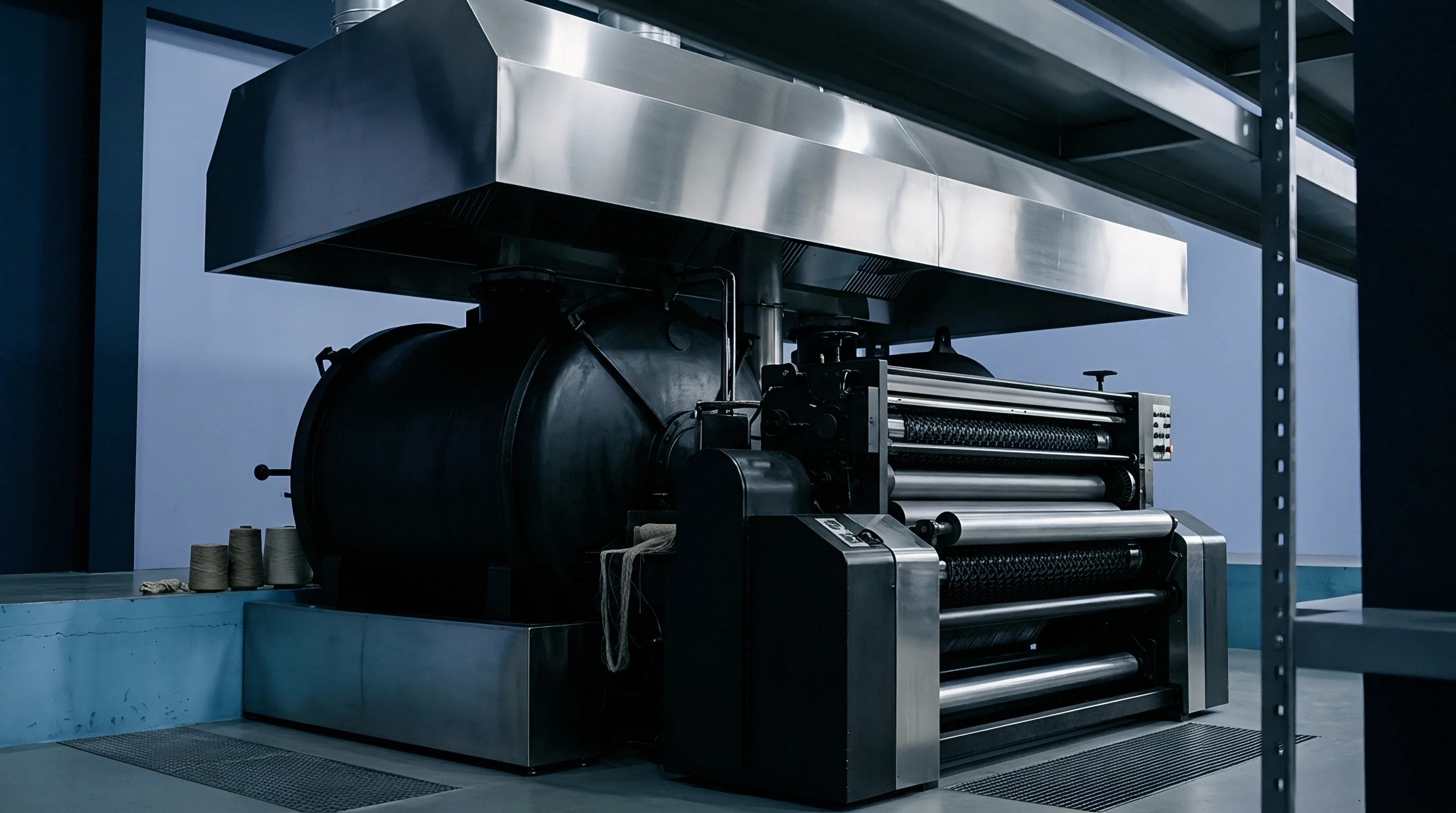
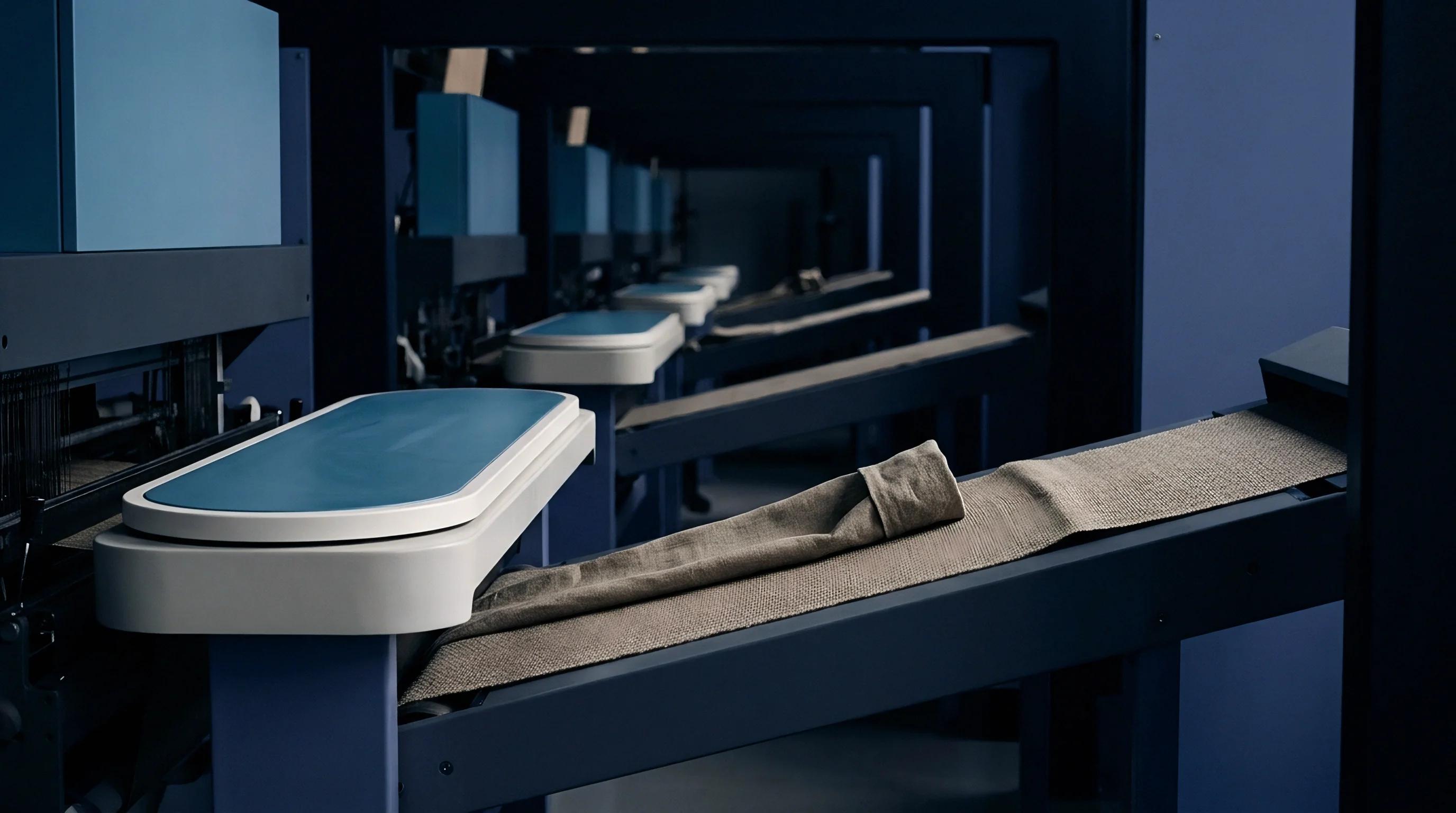
Controlling dissolved solids in closed-loop wet spinning circuits requires structured bleed streams and mechanical separation plant. Open discharge systems consume excessive thermal energy and generate high wastewater volume treatment costs. Closed recirculation systems require continuous purge rates to maintain total dissolved solids below six grams per litre.
Process engineering balances energy recovery against water purification expenditure to protect yarn quality parameters while minimizing environmental compliance costs.
Filtration Technologies and Bleed Rates
Membrane separation units operating at multi-stage cross-flow configurations isolate galacturonic oligomers without requiring chemical additives. Ultrafiltration membranes with molecular weight cut-offs between 5,000 and 10,000 Daltons effectively capture long-chain pectic fragments while allowing water and small salts to pass through. Retentate streams containing concentrated organic degradation products undergo secondary evaporation or anaerobic biological treatment.
Side-stream ceramic microfiltration units provide thermal resistance matching trough operating temperatures at 70°C. Ceramic membranes eliminate the need to cool process water before filtration, preserving heat energy within the recirculation loop. Continuous filtration maintains dynamic fluid viscosity below 1.2 mPa.s and turbidity below 25 NTU. Combined microfiltration and continuous soft water make-up stabilize surface tension at 62 mN/m, preventing dynamic foam formation and roller gelation.

Cost Impact per Delivered Metre
Calculating the total financial footprint of yarn defects against water treatment expenses determines optimal fluid management. Running un-filtered closed loops eliminates water discharge costs but increases yarn rejections by up to four percent across high-speed weaving operations. A four percent fabric rejection rate equates to a loss of 0.18 Euros per delivered metre on fine linen shirting.
Active fluid management plant amortizes fully within fourteen months when evaluated against waste reduction and frame efficiency gains.
Continuous monitoring of galacturonic acid concentrations via online spectrophotometry provides automated triggers for purge valve actuators. When absorbance at 285 nm indicates pectic solids exceeding five grams per litre, the automated control system opens makeup valves to refresh five percent of total bath volume. Continuous side-stream microfiltration combined with controlled soft water make-up balances operational fluid reuse against yarn tenacity compliance.