Quantifying Non Cellulosic Mass Loss during High Temperature Roving Oven Drying
High temperature oven drying above 105C volatilizes flax pectins and waxes, causing gravimetric moisture errors that distort commercial dry mass ledgers.
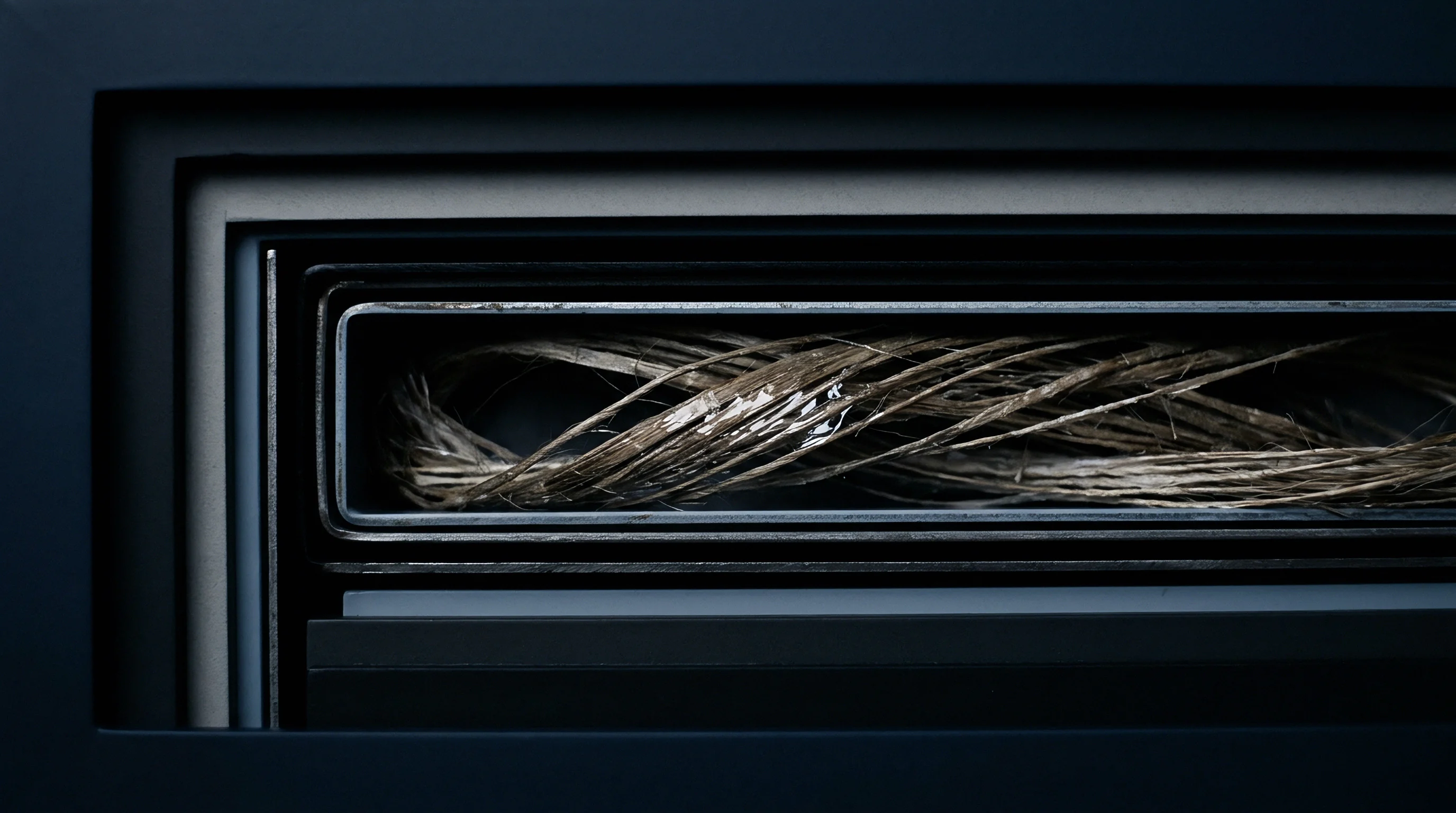

Heat
Forced-air drying of industrial flax roving relies on uniform heat transfer to drive off absorbed water before spinning or mass assay. When roving packages enter convection chambers operated above 105 degrees Celsius, thermal energy penetrates the dense fiber windings through simultaneous conduction and convection. Capillary moisture evaporates rapidly under high thermal drive, but thermal exposure also initiates chemical changes within non-cellulosic polymers.
Bast fibers contain substantial proportions of pectins, hemicelluloses, natural waxes, and residual lignins alongside structural cellulose. Because these non-cellulosic constituents are less thermally stable than crystalline cellulose, they release volatile organic compounds when drying cycles exceed baseline moisture removal parameters.
While rapid convection speeds up surface moisture removal, roving bobbins exhibit significant radial density gradients that create uneven drying rates between outer yarn layers and internal cores. Oven operators frequently raise chamber air temperatures to 120 or 130 degrees Celsius to shorten drying cycle times in high-volume mills. Thermal energy drives water vapor outward, but elevated core temperatures trigger thermal degradation of low-molecular-weight organic compounds.
The loss of these non-cellulosic constituents contributes directly to gravimetric mass reduction, which testing balances measure as evaporated water weight.
Oven temperatures exceeding water boiling thresholds drive the release of volatile wax esters alongside pore moisture.
Because roving packages retain internal thermal gradients, heat exposure during drying alters both physical dimensions and surface chemistry across the strand, as detailed in the following breakdown of thermal effects during rapid forced air processing.
- Surface wax liquefaction causes low-melting fatty acid esters to migrate outward from core fibers toward package surfaces at temperatures above 70 degrees Celsius.
- Pectic ester volatilization releases light organic acids and volatile fractions when localized core temperatures cross 110 degrees Celsius during extended cycles.
- Thermal oxidation of lipids breaks down long-chain aliphatic compounds into short-chain volatile fragments under continuous hot air currents.
- Hemicellulosic decarboxylation liberates carbon dioxide and bound molecular water from amorphous polysaccharide chains above 125 degrees Celsius.
Elevated drying temperatures are often assumed to merely speed up moisture removal without altering the underlying chemical weight of the roving package.

Pectin
Non-cellulosic mass fractions make up to twenty-five percent of raw flax fiber dry mass before chemical degumming or wet spinning. Middle lamella tissues holding individual elementary fibers into technical bundles consist primarily of complex pectic substances cross-linked with calcium ions and polygalacturonic acid polymers. When exposure to high oven temperatures continues past initial water evaporation, thermal cleavage breaks down these pectic networks.
Glycosidic bonds within polygalacturonic acid chains undergo thermal degradation, producing volatile low-molecular-weight fragments that escape into oven exhaust streams and cause a measurable dry mass loss distinct from moisture loss.
The chemical kinetics governing non-cellulosic mass loss depend heavily on temperature. Below 105 degrees Celsius, gravimetric mass change corresponds almost entirely to free moisture liberation and bound capillary water evaporation. Raising oven temperatures to 120 degrees Celsius initiates thermal breakdown of volatile waxes and hemicellulosic side chains.
Above 130 degrees Celsius, rapid pyrolytic degradation converts insoluble pectins into volatile organic acids, furfural derivatives, and carbon dioxide gas. Standard moisture testing protocols that specify accelerated high-temperature drying without correcting for non-cellulosic volatilization yield inflated moisture content figures, directly understating true dry fiber mass.
Flax fibres contain complex non-cellulosic polymers. Thermal breakdown patterns differ across the primary non-cellulosic fiber constituents during oven drying, as quantified in laboratory mass loss assays.
| Temperature Band | Primary Non-Cellulosic Target | Mass Loss Range Percent | Volatilization Degradation Mechanism |
|---|---|---|---|
| 80C to 100C | Epicuticular waxes and lipids | 0.10 to 0.25 | Sublimation of low-molecular-weight fatty acids and aliphatic esters |
| 105C to 115C | Water-soluble pectic oligomers | 0.30 to 0.75 | Thermal cleavage of side-chain galactan and arabinan polymers |
| 116C to 130C | Structural middle-lamella pectin | 0.80 to 1.80 | Decarboxylation and glycosidic bond rupture in polygalacturonic acid |
| 131C to 150C | Amorphous hemicellulose fraction | 1.85 to 3.50 | Thermal depolymerization of xylan backbone and hexosan degradation |
Isothermal drying curves show that non-cellulosic volatilization follows pseudo-first-order reaction kinetics once sample moisture levels drop below two percent. During initial drying, evaporating water absorbs thermal energy through latent heat of vaporization, keeping fiber strand temperatures near the wet-bulb temperature of the air stream. As moisture approaches zero, fiber temperatures quickly match chamber dry-bulb temperatures.
Direct heat exposure on dry fiber structures accelerates pyrolytic mass loss, making exposure time at maximum temperature a critical factor for laboratory accuracy.
Flax pectin undergoes measurable pyrolytic degradation above 115 degrees Celsius, releasing up to 1.8 percent non-cellulosic mass within two hours.
Isolating non-cellulosic volatile loss from capillary water loss requires systematic sample verification during laboratory testing operations, following a structured evaluation protocol.
- Solvent extraction baseline isolates total soluble surface wax content using dichloromethane extraction prior to oven drying runs.
- Low temperature vacuum desiccating removes capillary water at 40 degrees Celsius under reduced pressure without breaking pectic glycosidic linkages.
- Thermogravimetric kinetic profiling tracks derivative weight loss curves to identify distinct evaporation peaks versus pyrolytic breakdown steps.
- Karl Fischer chemical titration measures absolute water mass in sample aliquots to cross-check total weight loss recorded by gravimetric balances.
Whether enzymatic pre-treatments alter the specific volatilization temperature thresholds of low-molecular-weight pectic oligomers under forced convection conditions remains an open analytical question.


Scale
Mass measurement precision determines whether commercial moisture regain calculations accurately reflect clean fiber yield or record non-cellulosic mass loss as false moisture content. Balances integrated into forced-air ovens log sample weight continuously until mass stability criteria are met. Standard balance calibration procedures require isolation from vibration and blower air draughts.
When ovens run at 120 degrees Celsius or higher, buoyant thermal air currents push upward against weighing pans, introducing tare errors. Laboratories must calibrate weighing balances under hot forced-air conditions to eliminate buoyancy artifacts that artificially inflate recorded mass loss.
Since water evaporates before thermal degradation begins, correcting gravimetric data requires subtracting non-cellulosic volatilization constants from total recorded weight loss figures before calculating official moisture regain percentages. Standard commercial moisture regain allowance for flax yarn stands at twelve percent on a dry mass basis. If non-cellulosic breakdown accounts for one point five percent of recorded sample weight loss during high-temperature drying, calculating commercial weight without adjustment significantly inflates invoiced fiber mass.
Precise laboratory protocols require dual-step weight determinations or corrected mass calculations to verify actual moisture levels.
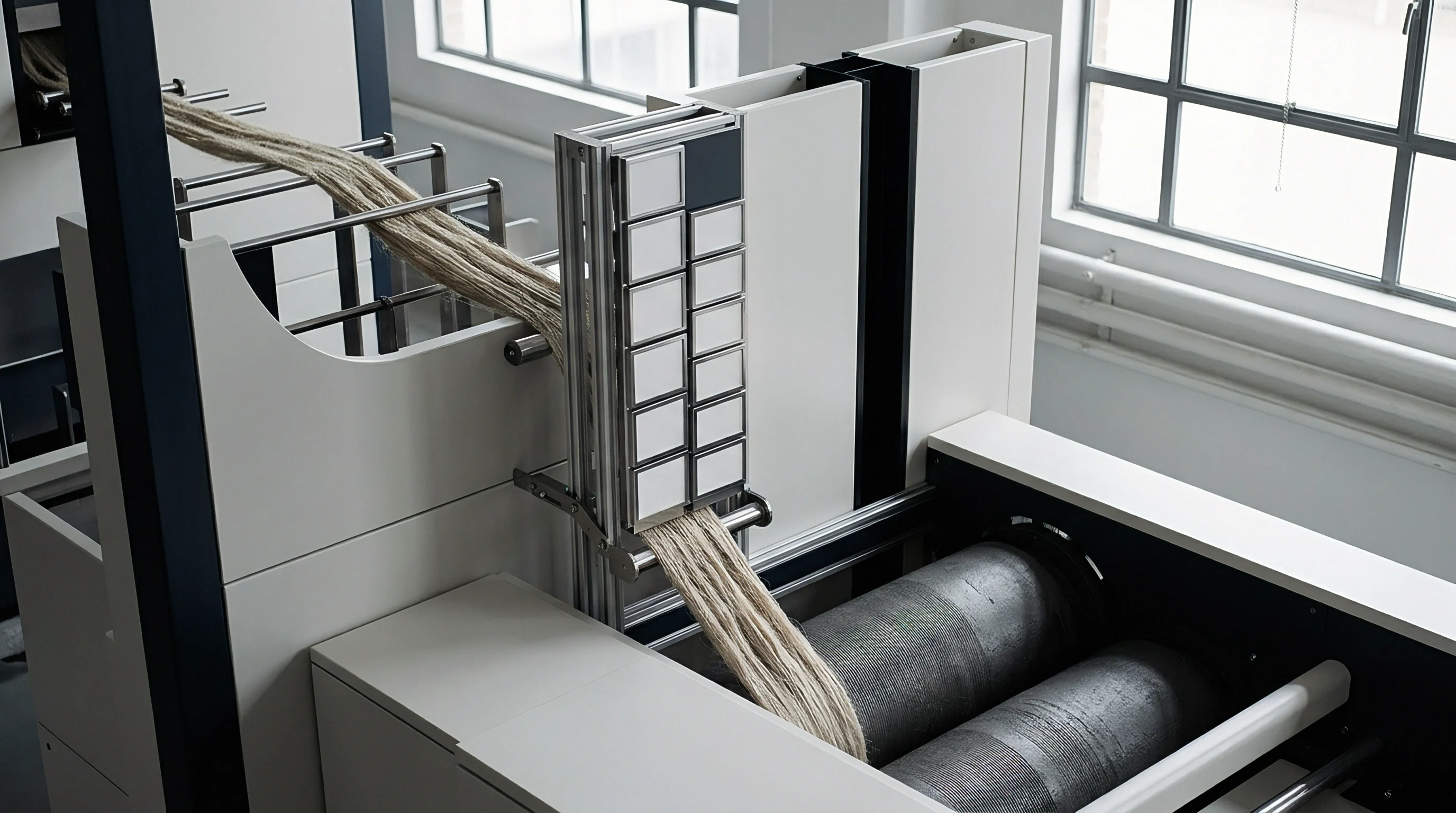
When Does Thermal Volatilization Distort Standard Moisture Regain Calculations?
Laboratory testing demonstrates that thermal volatilization distorts regain calculations whenever oven drying temperatures exceed 105 degrees Celsius for prolonged periods, or when forced convection ovens operate at 115 degrees Celsius or higher on raw, unbleached roving samples containing full pectic content. Accelerated drying schedules designed to clear samples in under sixty minutes generate internal fiber temperatures that break down light pectic compounds long before core drying reaches equilibrium. The resulting gravimetric error directly distorts yield accounting tables used across spinning operations.
| Drying Temperature C | Exposure Time Hours | Apparent Mass Loss Percent | True Moisture Content Percent | Non Cellulosic Mass Loss Percent | Uncorrected Dry Weight Error Percent |
|---|---|---|---|---|---|
| 105 | 4.0 | 10.20 | 10.05 | 0.15 | -0.17 |
| 115 | 2.5 | 11.10 | 10.10 | 1.00 | -1.12 |
| 125 | 1.5 | 11.85 | 10.08 | 1.77 | -2.01 |
| 135 | 1.0 | 12.60 | 10.02 | 2.58 | -2.95 |
Establishing reliable clean dry mass values across industrial testing laboratories requires standard calibration procedures executed in sequential order.
- Tare high-precision analytical balance with specimen holder placed inside active drying chamber under operational forced convection airflow.
- Place exact ten-gram roving sample into specimen container, recording initial mass under standard atmosphere conditions of twenty degrees Celsius and sixty-five percent relative humidity.
- Initiate chamber heating cycle to target temperature while recording continuous mass loss through automated data logging interfaces at thirty-second intervals.
- Monitor rate of mass change until mass loss falls below zero point zero one percent over a ten-minute interval, signaling isothermal endpoint reaching.
- Extract volatile organic gases from chamber exhaust using chilled condensation traps to collect and quantify condensed non-cellulosic volatile compounds.
- Subtract measured condensate mass from total recorded gravimetric mass loss to yield true moisture mass evaporated from fiber structure.
- Calculate corrected commercial dry weight by applying standardized commercial regain allowance formulas exclusively to corrected true dry mass values.
Standard testing methods under ISO 6741 mandate drying at 105 degrees Celsius to prevent thermal breakdown of non-cellulosic structural binder compounds.
Clause 8.2 of ISO 6741-1 stipulates that oven temperatures must be held at 105 degrees Celsius plus or minus 2 degrees, which forces laboratories to extend drying cycles rather than raise temperatures when measuring true dry fibre mass.

Shed
Package drying in spinning mills prepares wet-processed flax roving bobbins for drafting and wet spinning. Thermal drying removes process water introduced during roving pretreatment, bleaching, or boiling. Excessive oven temperatures or prolonged hot-air exposure alter physical strand characteristics, compromising roving cohesion during drafting.
Middle lamella pectins provide the inter-fiber friction needed to prevent draft slippage as roving attenuates in hot water spinning troughs. When oven drying volatilizes these pectin binder polymers, fiber bundles suffer strength loss and structural embrittlement.
Because thermal breakdown alters draft behavior, over-dried roving packages exhibit erratic drafting tension that leads to thick-and-thin yarn places, increased hairiness, and higher end-breakage rates on high-speed wet spinning frames. Mill operators must balance rapid drying throughput against thermal damage thresholds to preserve spinability. Monitoring non-cellulosic mass loss gives quality assurance managers direct insight into thermal history and structural binder integrity.
Because pectin breakdown weakens spun yarn strength, high-temperature package drying induces distinct mechanical and process failure modes during subsequent wet spinning operations.
- Inter-fiber binder degradation weakens bundle cohesion, causing uncontrolled fiber drafting and high count variation in finished yarns.
- Surface wax depletion increases fiber-to-metal friction against spinning frame guides, generating fiber fly accumulation and roving breakage.
- Cellulose hornification reduces moisture re-absorption speed in spinning troughs, preventing proper fiber lubrication during high-speed drafting.
- Thermal embrittlement creates micro-cracks along technical fiber bundles, reducing final yarn tenacity and elongation capacity.
A roving package dried at temperatures that cause yellowing of the outer yarn layers will invariably suffer drafting failures and increased end-breakage in the spinning trough.

Margin
Commercial fiber transactions and custom spinning contracts settle invoices using standardized dry mass allowance calculations. Fiber buyers pay for clean dry mass plus regulatory moisture regain allowances, making accurate dry weight determination the central financial variable in trading contracts. When laboratories use uncorrected accelerated oven drying tests that volatilize non-cellulosic components, recorded dry mass drops below actual fiber weight delivered.
The seller delivers solid fiber mass that testing ovens burn off and record as evaporated moisture, creating financial yield distortions across bulk fiber shipments.
To illustrate how mass balance corrections protect commercial yields, consider an industrial calculation covering a ten-thousand-kilogram gross consignment of raw flax roving submitted for mill testing. Standard oven drying conducted at an accelerated 130 degrees Celsius yields a measured mass loss of thirteen point five percent. Standard low-temperature Karl Fischer chemical analysis establishes that actual moisture content accounts for only eleven point eight percent of total package weight.
The remaining one point seven percent loss represents pyrolytic volatilization of non-cellulosic pectins, waxes, and low-molecular-weight organic acids degraded during forced convection drying.
Wet spinning mills end up paying for lost solid mass when applying standard twelve percent commercial moisture regain to uncorrected accelerated oven dry mass versus true corrected dry mass, revealing substantial financial variances on commercial invoices.
| Metric Parameter | Uncorrected Accelerated Oven Method 130C | Corrected True Moisture Method 105C | Variance Financial Impact |
|---|---|---|---|
| Gross Shipment Mass | 10,000.00 kg | 10,000.00 kg | 0.00 kg |
| Recorded Mass Loss Percent | 13.50 % | 11.80 % | +1.70 % loss error |
| Calculated Dry Mass | 8,650.00 kg | 8,820.00 kg | -170.00 kg unrecorded dry mass |
| Commercial Regain Allowance | 12.00 % | 12.00 % | Standard contract rate |
| Invoiced Commercial Mass | 9,688.00 kg | 9,878.40 kg | -190.40 kg invoice deficit |
| Settlement Value at EUR 14.50/kg | EUR 140,476.00 | EUR 143,236.80 | EUR 2,760.80 loss per shipment |
Uncorrected mass balance entries introduce systemic errors into mill accounting ledgers, as detailed in commercial processing risk profiles.
Financial exposure grows with batch size and drying temperature. In unadjusted accelerated testing, a mill processing five hundred tonnes of flax roving annually absorbs over one hundred thousand Euros in fictitious moisture losses that actually represent destroyed solid fiber binder. Fiber procurement contracts must specify explicit drying temperature ceilings, balance buoyancy adjustments, and mandatory non-cellulosic volatile correction factors for all oven testing.
Contracting parties protecting commercial yield include specific maximum thermal exposure clauses directly in purchasing specifications to align invoiced weights with true physical fiber delivery.
Commercial fiber transactions based on uncorrected gravimetric oven weights systematically overstate the true clean dry weight delivered to the mill.
Miscalculating non-cellulosic mass loss during roving oven drying shifts financial loss directly onto the buyer through overstated clean fibre yields and uncompensated yarn breakage downstream.