
Determining Flax Fibre Fineness and Area Distribution Parameters
Flax fibre fineness and area distribution parameters govern wet-spinning limits, bundle drafting cohesion, hackling yield, and yarn tenacity.

Flax fibre fineness and area distribution parameters govern wet-spinning limits, bundle drafting cohesion, hackling yield, and yarn tenacity.

European Flax verification for Asian spinning mills demands matching annual facility scope certificates with lot transaction certificates and dry mass balance ledgers.

Importers resolve customs fiber discrepancies by adjusting laboratory solvent dissolution dry mass with standard commercial moisture regain factors.

Jacquard repeat limits scale with hook count and warp density, where systematic harness casting-out maintains uniform cord pull angles across the comber board.

Exact yarn mass calculation for plain weave greige linen requires converting Lea to Tex, factoring warp crimp, reed width, and 12% standard moisture regain.

Optimizing wet spinning trough temperature, residence time, and chemical chelating parameters accelerates pectin hydrolysis, reducing end breakages and maximizing yarn tenacity in fine linen spinning.
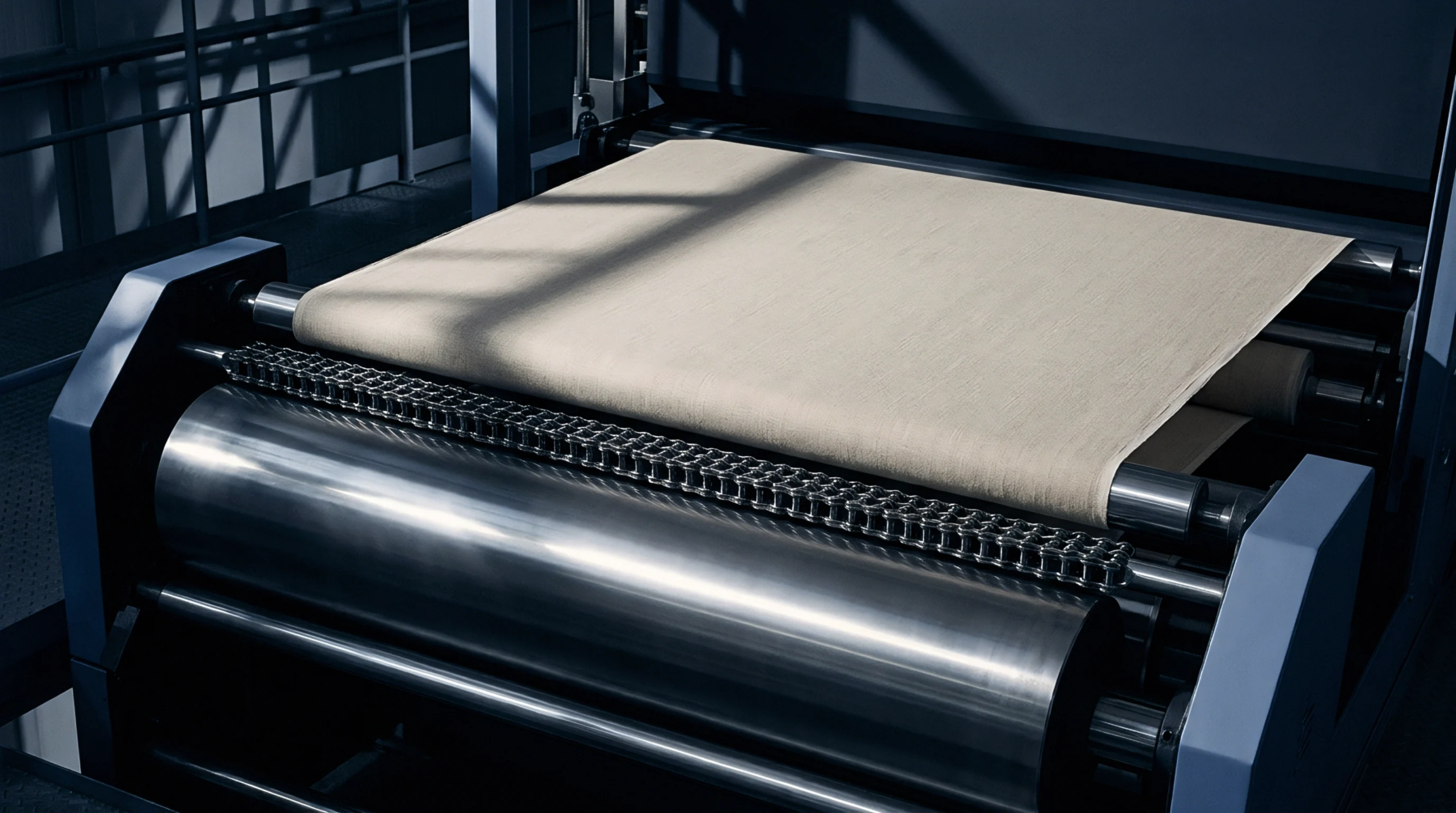
Wide air-jet linen weaving requires synchronized relay nozzle pressures and precise temple pin geometry to stop edge tension drift and edge damage.

Manual comb sorting by ISO 2370 isolates technical flax bundle length profiles to prevent drafting waves, control short fibre content, and enforce purchase contracts.

Optimizing hackling pin density requires matching pin pitch progression directly to the scutched flax length array to maximize fine line yield while preventing fibre breakage.

Cut-length gravimetric variance triggers drafting surges and spinning triangle tension snaps that double end breakage rates unless roller nip parameters adapt.

Verify European Flax Transaction Certificates by validating certifier portal codes, cross-checking bill-of-lading weights, and auditing mill mass balance loss.

Resolving high-speed optical fiber fineness discrepancies in degummed bast fiber blends requires applying cross-sectional shape and pectin correction factors.

Commercial indemnity liabilities for flax transit moisture regain require ISO 6741-1 core audit sampling to enforce dry-mass standard weight adjustments.

Converting hand-loom swatches to rapier loom specs requires rebalancing warp crimp, sizing single yarns, and setting weft brakes to hold cover factor at speed.

Integrating real-time loom telemetry with four-point demerit scoring automates fabric grading by mapping machine stop pulses directly to physical defect coordinates.

Evaluating wet-spun flax sliver linear density requires combining ten-metre cut-and-weigh gravimetric tests with conditioned capacitance spectrogram analysis.

Quantifying residual pectin and protein content via ammonium oxalate extraction and FTIR prevents wet-spinning end-breakage disputes in fine bast lots.

Synthesizing mass balance credits with non-preferential customs origin claims creates severe duty evasion liability under customs transformation rules.

Optical diameter distributions overstate flax fineness due to non-circular cross-sections; calibrating against gravimetric ISO 2370 standards prevents mill spinning failures.

Dock intake reconciliation converts landed gross weight to bone-dry mass via core oven desiccation before adding official twelve percent commercial regain.

Calibrating warp end density within cover factor limits and aligning loom shed geometry prevents thread chafing, maintains loom efficiency, and controls metre cost.

Hackling yield calculations convert scutched line flax mass into spinnable sliver through precise moisture regain corrections and mechanical tow loss balancing.

Managing off-loom flax warp crimp contraction requires precise reed denting allowances, ELO tension tuning, and size solubility control to hit target grey widths.
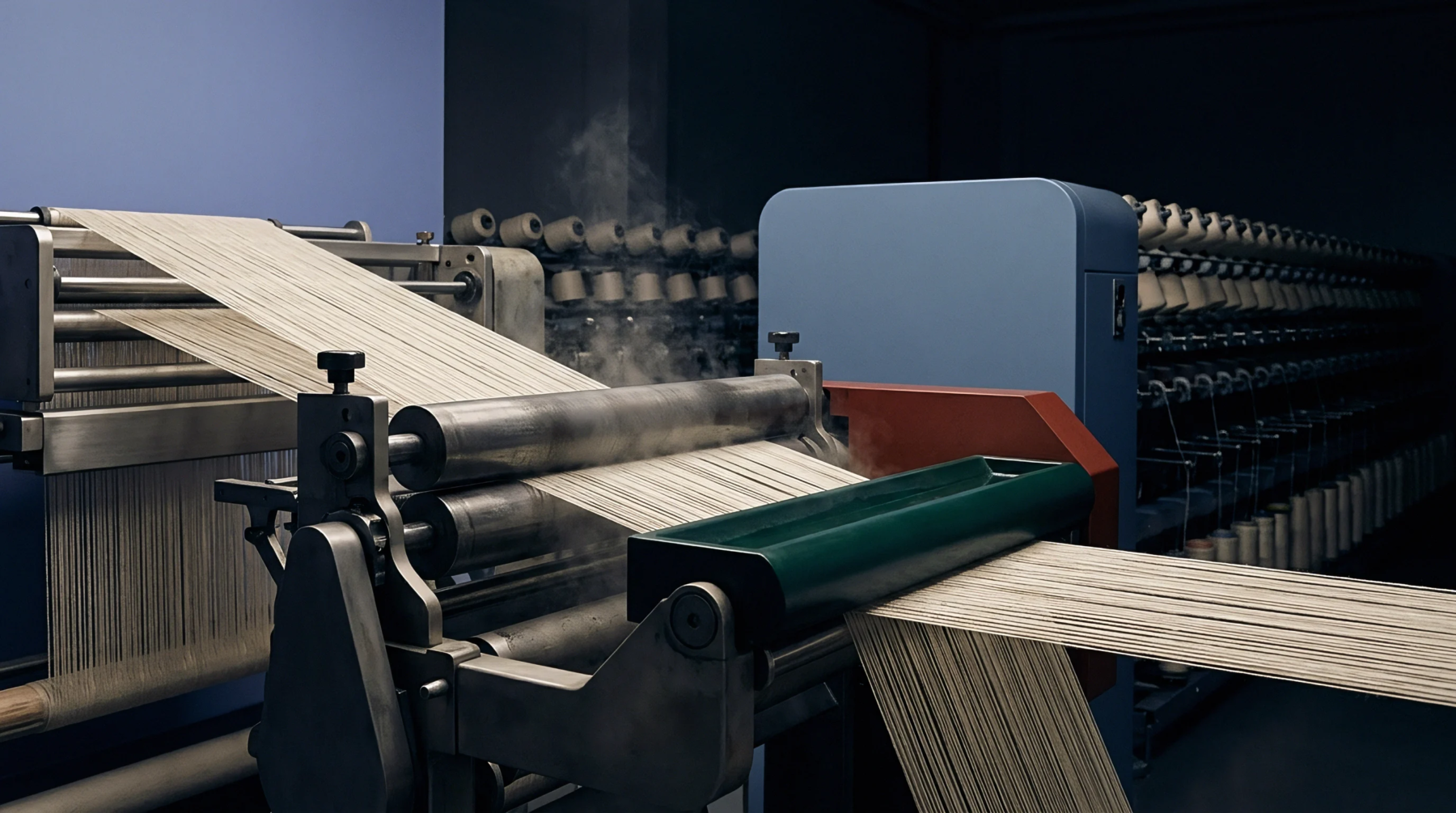
Commercial mass calculations based on ISO 6741 oven-drying protocols protect buyers from paying landed mass prices on sea-transit moisture uptake in flax.

Water-assisted pneumatic yarn splices with optimized wrapper density reduce high-frequency shedding stress failures and protect loom efficiency on rapier sheds.

Lot-to-lot flax variance costed via hackling yield formulas protects mill margins by adjusting line sliver pricing before wet spinning.

Cross-border linen contracts allocate chain of custody discrepancy risks through lot specific warranties, mandatory mass balance audits, and immediate seller indemnity.

Warp sizing requires matching yarn packing factor to polymer viscosity, adjusting squeeze nip pressure for precise solids add-on, and maintaining elongation.

Dew-retted Heilongjiang flax provides cost savings for medium counts, while imported water-retted bales deliver the fineness needed for yarn counts above Nm 50.

Specify long-staple line flax and wet spinning in purchase contracts to prevent spinners from substituting short tow fibre into ambiguous metric yarn orders.
Expertise is a utility, not a secret. sentiention™ publishes its working knowledge as open reference: intelligence layer covering the materials it sources, the markets it enters, and the reference that serves both.