Mechanical Load
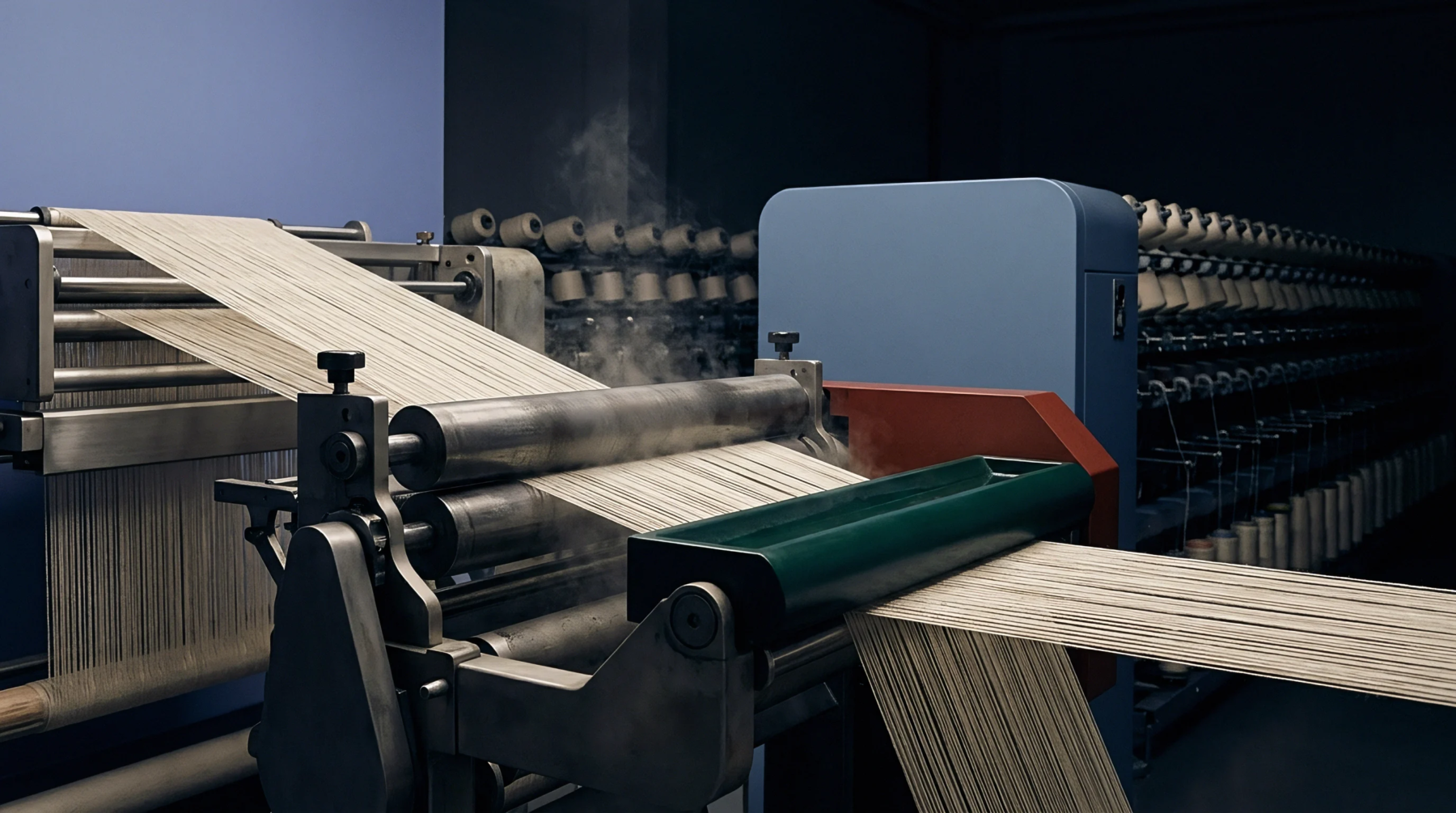
Operating velocity multiplied by active weft insertion cycles per unit time establishes loom efficiency on the workshop floor. Weaving sheds processing wet spun flax yarns track this operational ratio daily within the mill production report. Excessive yarn hairiness and low moisture elasticity on rapier insertions cause warp breakage that pulls down the performance percentage.
Supervisors calculate the metric by dividing actual pick counts by theoretical maximum picks over a defined operational shift. Modern monitoring software logs downtime events caused by reed blockages and harness wire failures automatically. Lower values point to inadequate sizing baths or excessive tension during shedding motions.
Yield Variance
Comparing actual woven output against raw material input creates the margin percentage recorded in the factory export log. Flax mills running fine linen goods measure this conversion efficiency to monitor yarn waste from the creel to the cloth roll. High humidity in the weaving room reduces static electricity and prevents filament splitting during high speed beat up operations.
Plant managers record daily kilogram totals of finished greige goods against issued roving weights. Raw material costs dictate strict minimization of loom stoppages during high grade yarn production.
Contract Grade
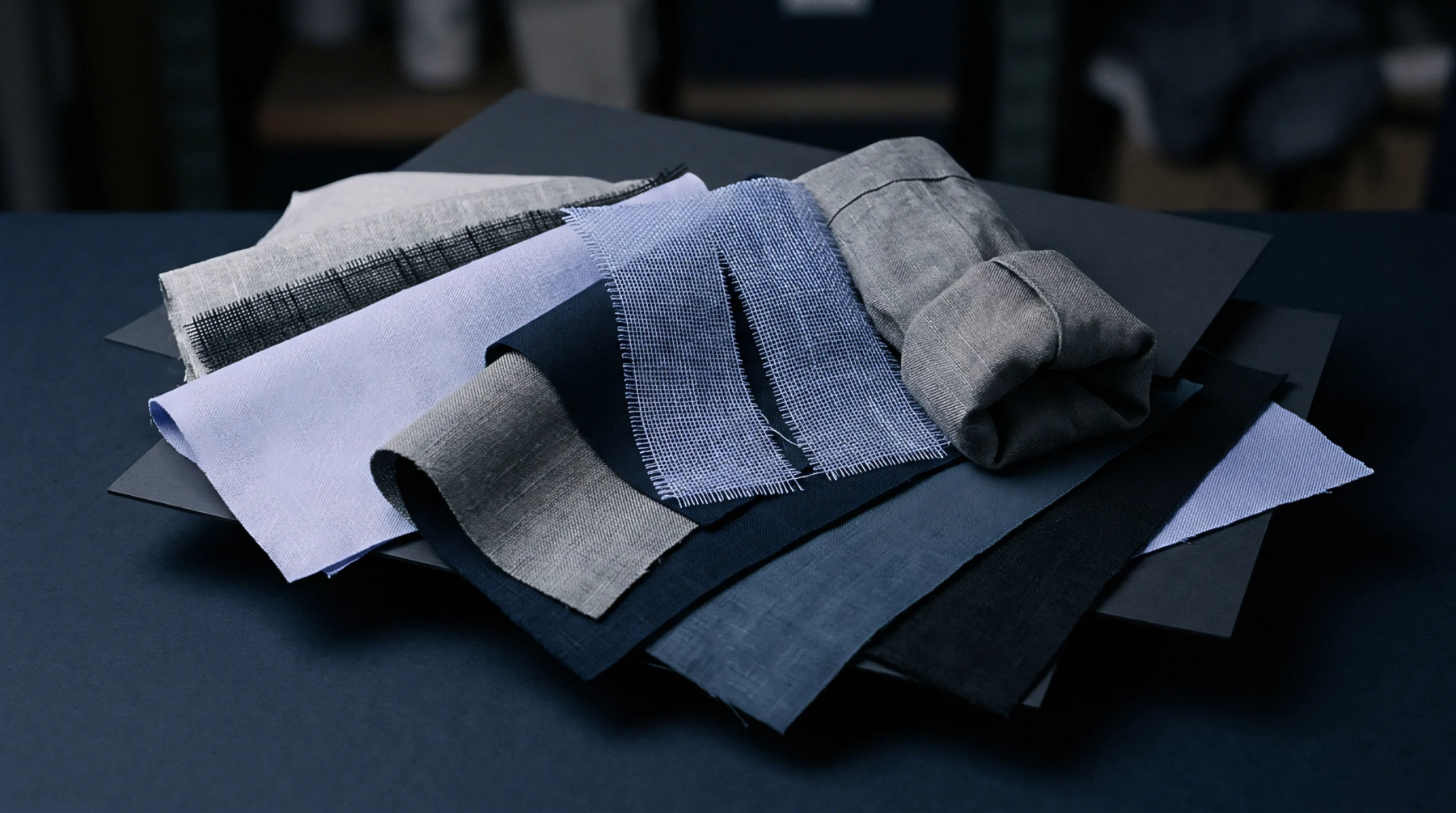
Buyer acceptance thresholds define the commercial standard applied to finished linen shipments before customs clearance. Exporters match fabric density and tensile strength figures against the purchase order specification sheet. Independent testing houses verify tear resistance and dimensional stability prior to issuing the final inspection certificate.
Mills failing to meet specified pick density limits face financial deductions or complete cargo rejection at the port of destination. Final payment terms depend strictly on laboratory verification of the delivered textile batches.