
Calculating ASTM D5430 Demerit Scores for Complex Linen Twill Lots
ASTM D5430 demerit scores for wide linen twills normalize defect counts per 100 square yards or metres to enforce commercial lot acceptance thresholds.

ASTM D5430 demerit scores for wide linen twills normalize defect counts per 100 square yards or metres to enforce commercial lot acceptance thresholds.

Subcontracted wet processing requires dual-stage mass balance audits and quantitative microtome cross-section assays to prevent uncertified fibre substitution.

Standard four-point greige perches require a 45-60 degree tilt, 1200+ lux D65 lighting, synchronized tension drive, and strict ASTM D5430 demerit point scoring.

High-speed rapier friction accelerates evaporative desiccation in wet spun linen, requiring targeted shed micro-climates to maintain eleven percent regain.

European Flax chain of custody requires batch-level Transaction Certificates for every transfer, separating raw fibre origin from customs manufacturing origin.

Selective pectin degradation paired with tuned hackling pin density maximizes fibre bundle separation while retaining staple length for fine wet spinning.

Mathematical transformation between bast fiber numerical and mass length requires power-law bundle scaling to prevent drafting failure and false yield valuation.

Resolve flax container intake mass discrepancies by oven drying core samples to recalculate invoiced weight against standard twelve percent commercial regain.

Cut length flax gravimetric linear density variance triggers tiered commercial debits based on wet spinning draft limits and yarn count yield loss.

Standard cut length gravimetric testing uses strict pretensioning, razor sectioning, and moisture regain corrections to establish spinnable tex accurately.

Resolving seasonal weaving displacements requires shifting warp warps across compatible air-jet looms using strict tension, reed, and sizing adjustments.

Low cohesion flax slivers collapse under high draft ratios, requiring reduced trough temperatures, higher roving twist, and tight ratch settings to hold count.

Calibrating scutching turbine speed and moisture regain maximizes long flax yield and preserves intrinsic bundle tenacity for traceable origin auditing.

HPLC tracking of trough liquor sugar release limits hemicellulose hydrolysis, preserving flax bundle cohesion and yarn tenacity during high-speed wet spinning.
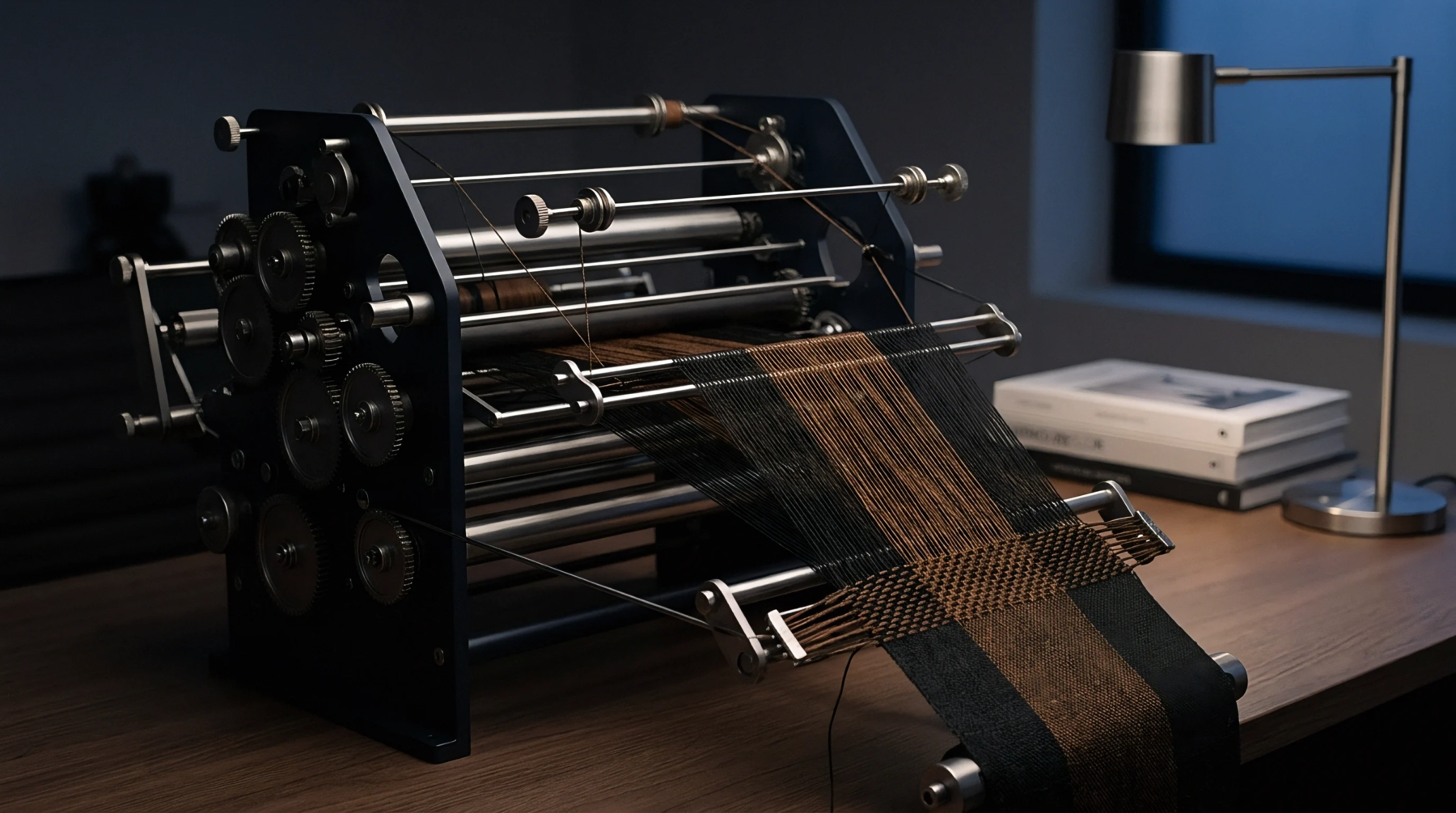
Seasonal Chinese loom allocation demands mapping construction pick counts into hourly machine costs to secure capacity before Q3 peak congestion.
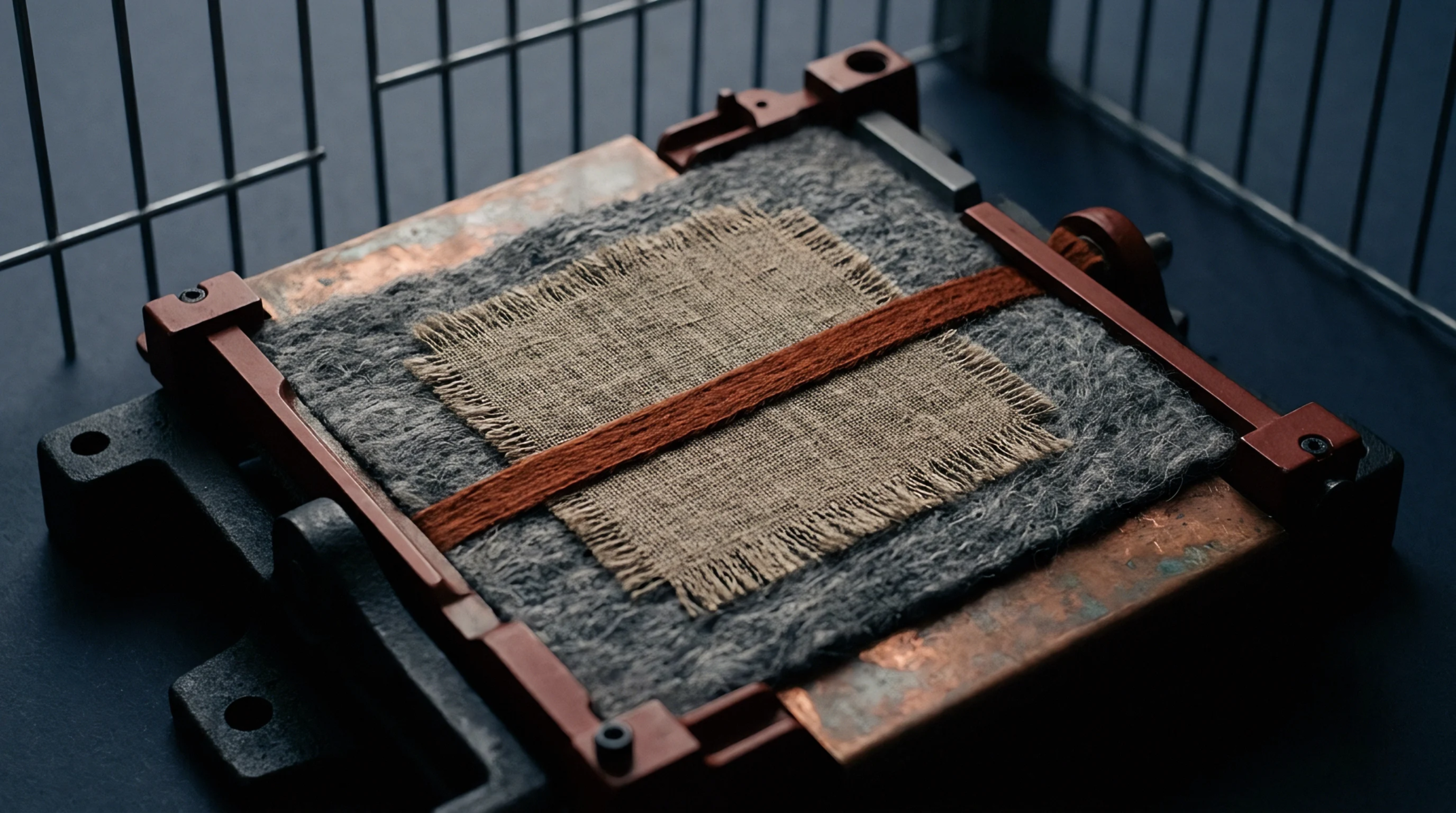
Stelometer bundle testing at 3.2 millimeter gauge length with gravimetric tex verification establishes accurate tensile tenacity limits for long staple flax purchasing.

Night-shift linen weaving defects disappear when electronic let-offs calibrate dynamically to mill hall relative humidity drops and machine thermal expansion.
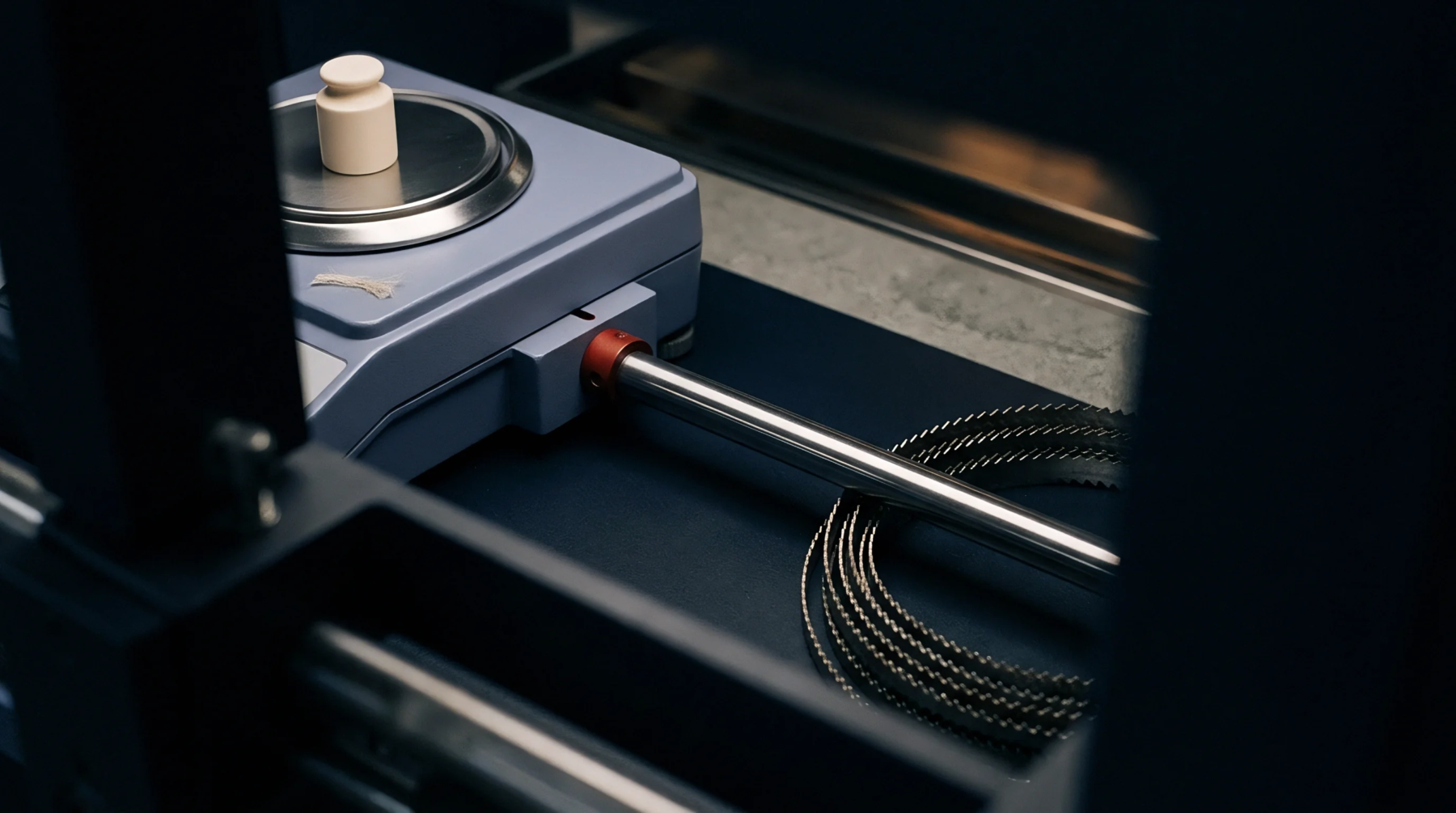
Mass balance weight verification between European scutchers and Asian mills requires normalizing scale weights to absolute dry mass plus twelve percent regain.

Transitioning linen weaving to mass high-speed looms requires adjusting cover factors for yarn flattening and crimp interchange to prevent weight and width off-spec faults.

Warp stop downtime in dense weaving elevates fixed loom overhead by multiplying idle machine hours and start mark defect downgrades across production batches.
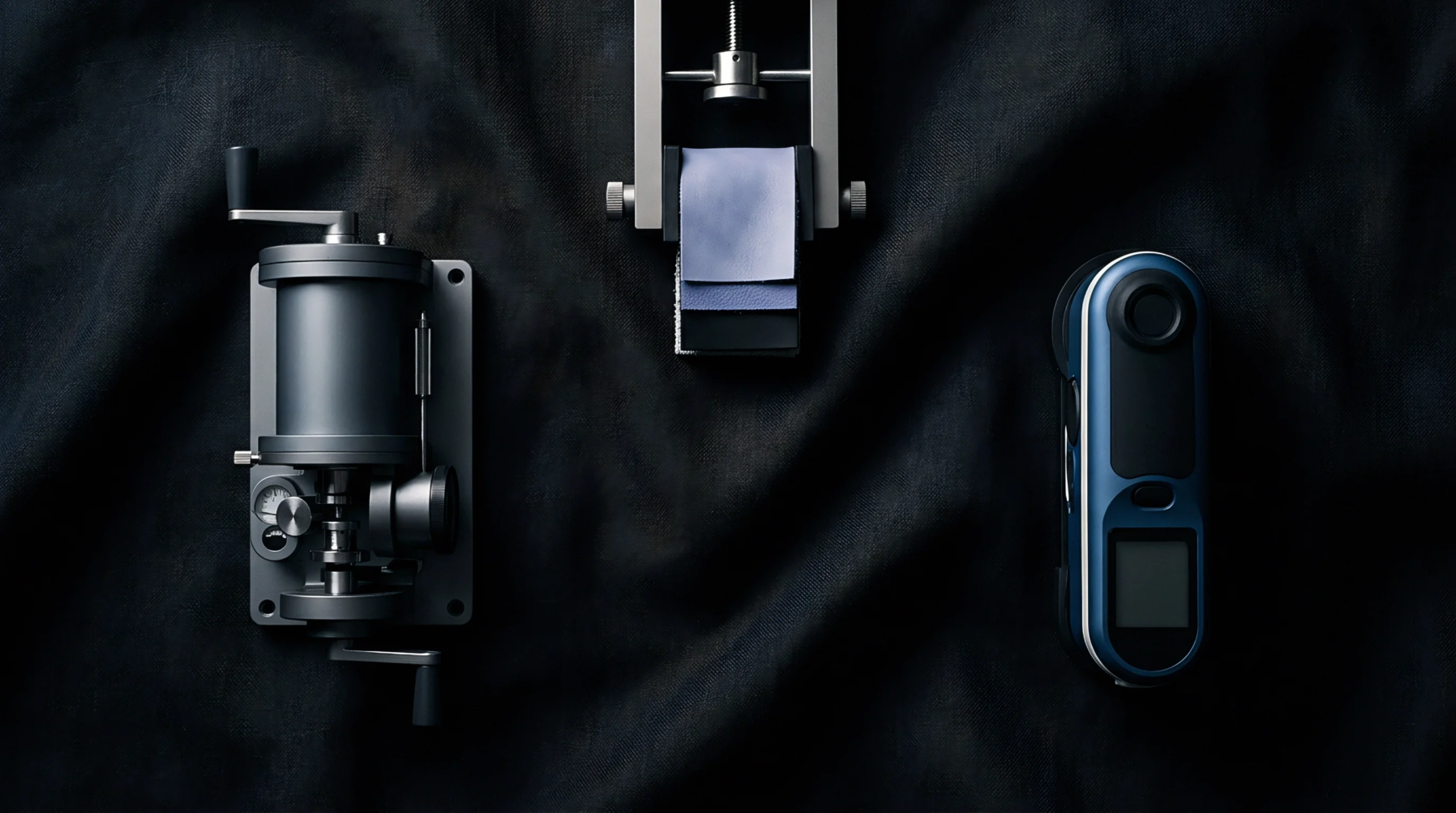
Analytical testing sets baseline proof, but mass balance reconciliation at the mill proves physical chain of custody for linen mixtures.

Comb sorter profiling establishes staple length distribution, short fibre content, and drafting bounds to guarantee target yarn counts and fabric yield.

Linen yarn buyers eliminate moisture invoice inflation by calculating landed payments on laboratory oven-dry mass plus official 12 percent regain.

Auditing flax transformation ledgers requires mass-reconciliation across combing, spinning, and weaving nodes to verify customs origin declarations.

Customs country of origin depends on transformation laws like spinning and weaving, making fibre certificates invalid as sole statutory proof.

Jacquard harness mass and cumberboard splay force mandatory loom speed derating to prevent dynamic hook float, cord burning, and gearbox failure.

Airflow resistance converts to metric fibre count via specific surface area, establishing spinnable yarn count limits prior to spinning commitment.

Starch synthetic hybrid sizing films achieve optimal rapier weaving efficiency when elastic strain recovery exceeds 70 percent under 10 Hz dynamic shedding.

Sizing penetration ratios between twenty and twenty-five percent minimize rapier yarn abrasion while preserving elasticity for peak loom efficiency.

Air permeability testing measures specific surface area to derive bast fibre linear density, requiring precise moisture conditioning and shive removal.
Expertise is a utility, not a secret. sentiention™ publishes its working knowledge as open reference: intelligence layer covering the materials it sources, the markets it enters, and the reference that serves both.