
Nonlinear Extensional Rheology and Non-Isothermal Transport Limits in High-Speed Bast Fibre Wet Drafting Fields
Wet drafting speed limits in bast fibre spinning depend on non-isothermal viscous heating and extensional pectin film strain hardening.
Wet drafting speed limits in bast fibre spinning depend on non-isothermal viscous heating and extensional pectin film strain hardening.

Polyuronide extraction kinetics dictate middle lamella shear failure, establishing draft speed ceilings to prevent yarn delamination and mass variation.
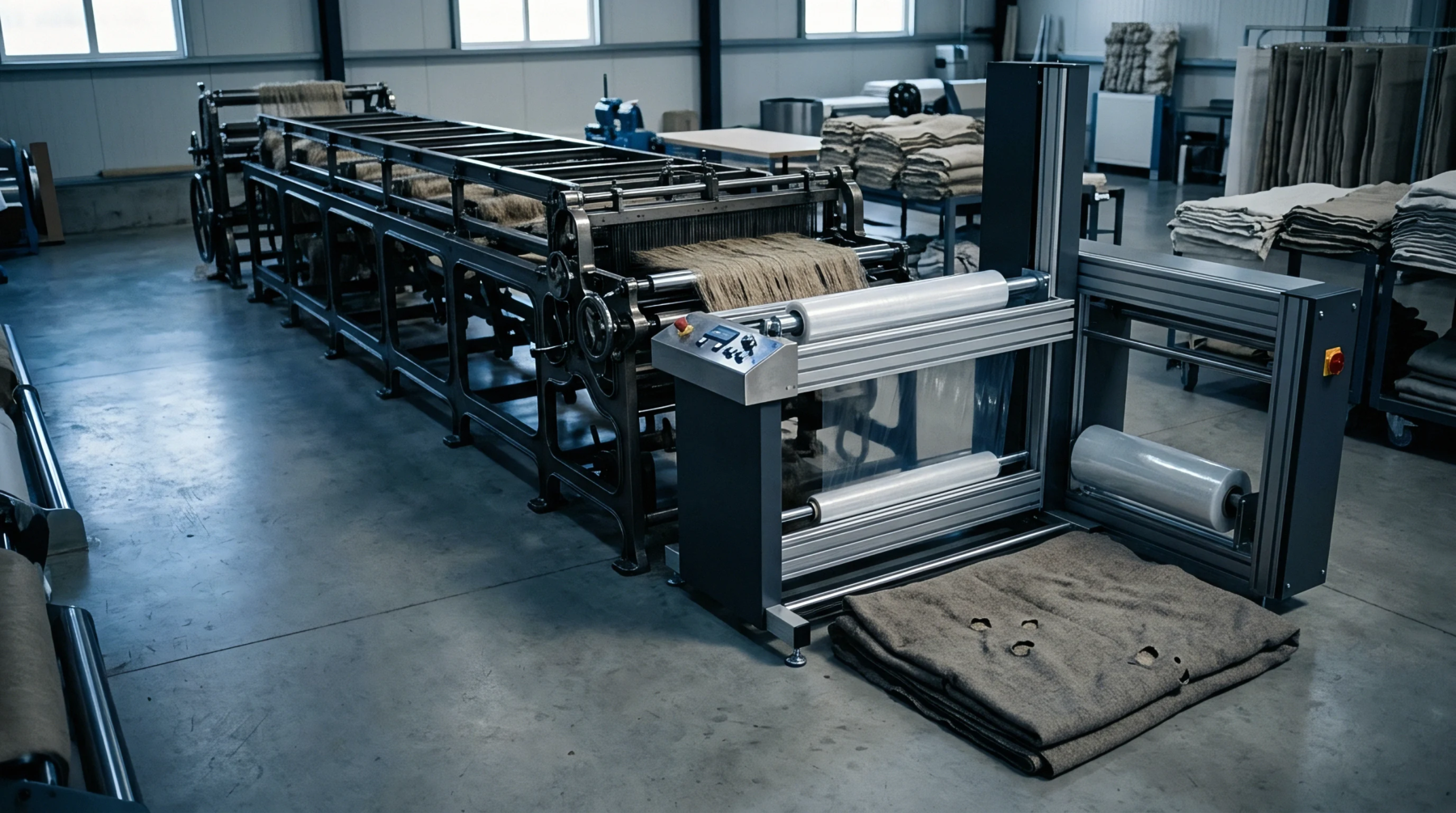
Controlled hydrothermal pectin dissolution in wet-spinning troughs unlocks elementary flax filaments, enabling drafting beyond 80 Lea counts.
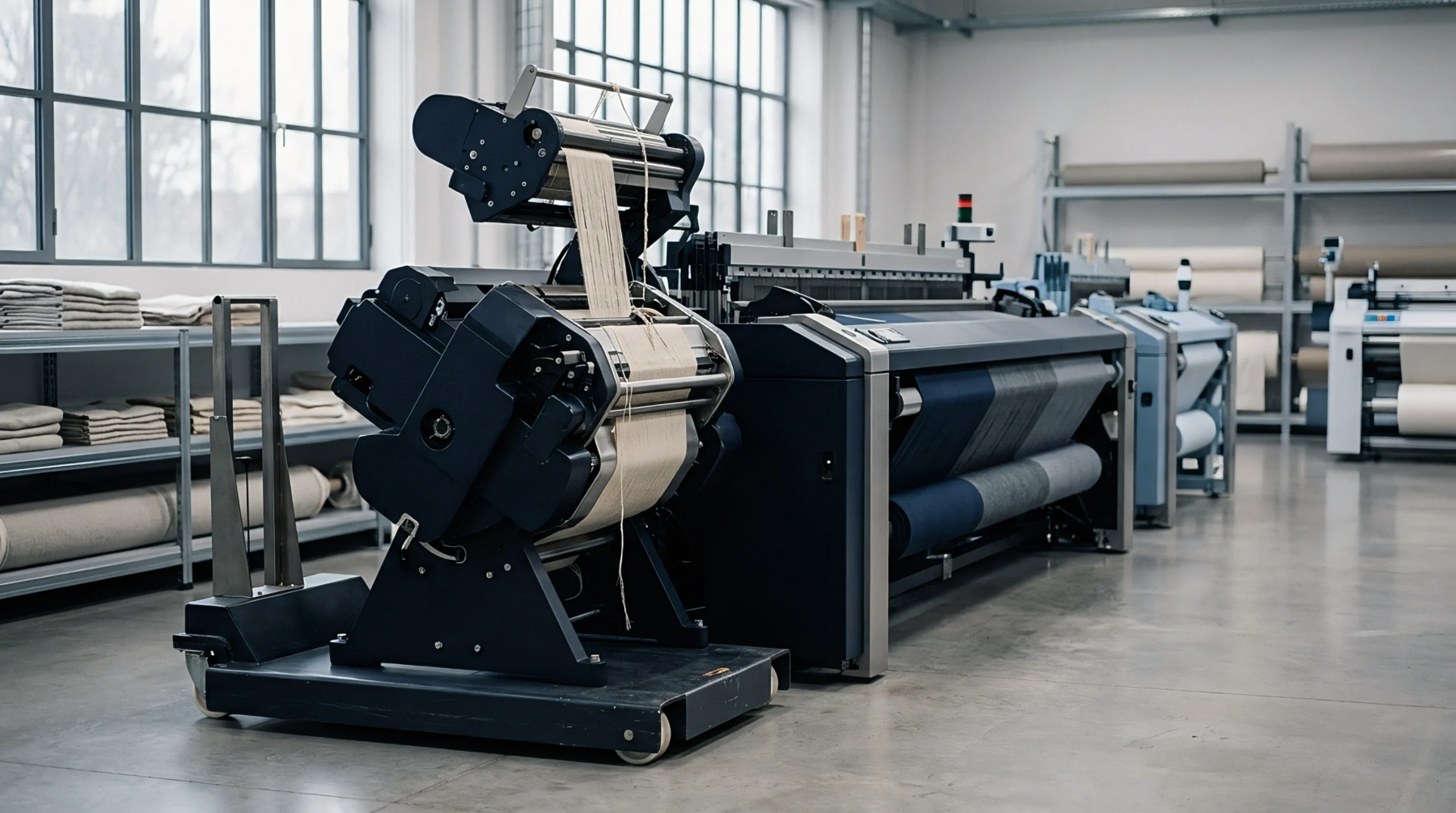
Fine linen warp survival depends on pectin lamella shear limits; FE cohesive zone modeling and 65% RH control prevent inter-fiber slippage under beat-up stress.
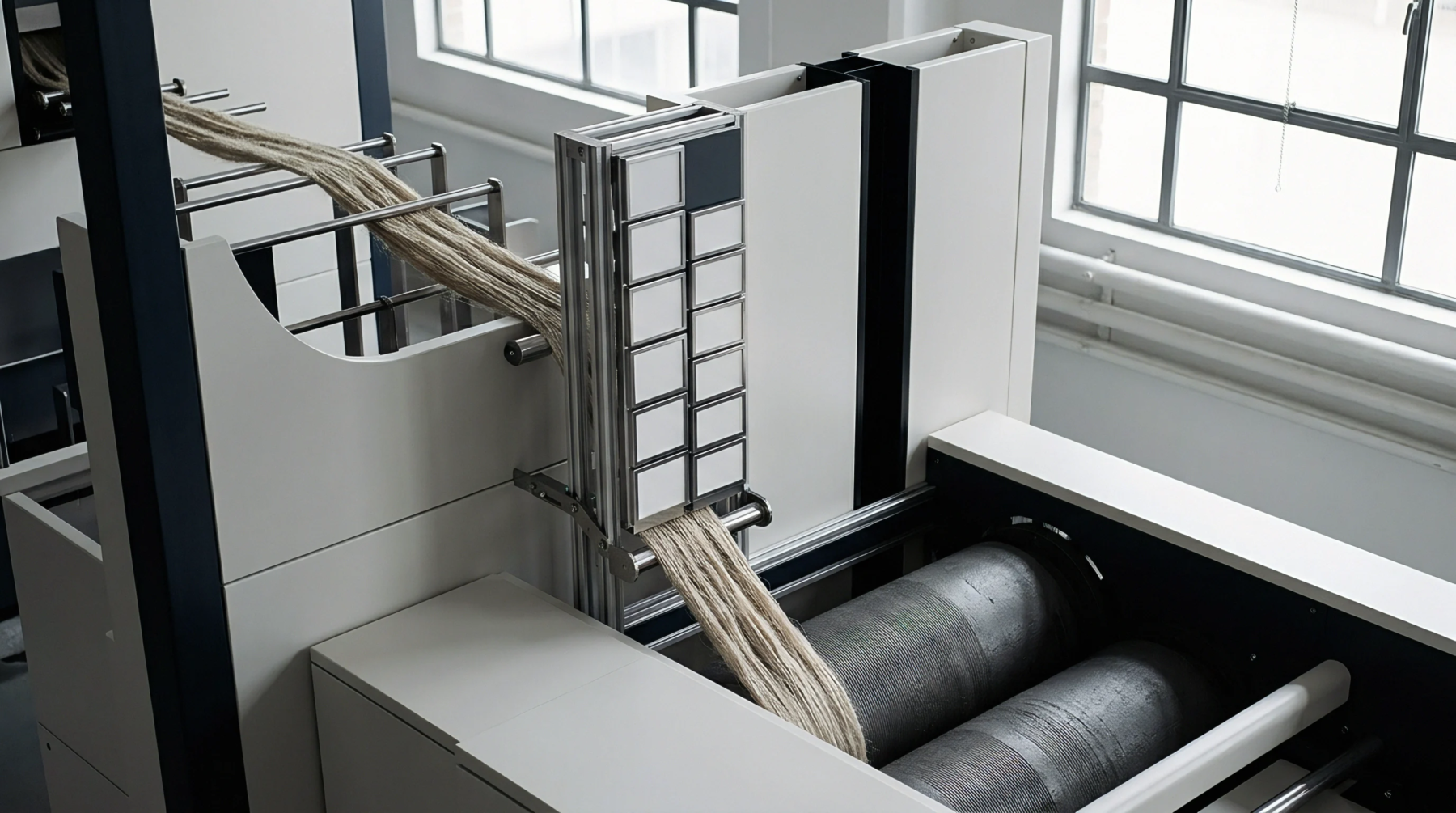
Enzymatic cleavage splits bast bundles into fine subunits, requiring narrower roller gauges and lower draft ratios to prevent drafting waves in wet spinning.
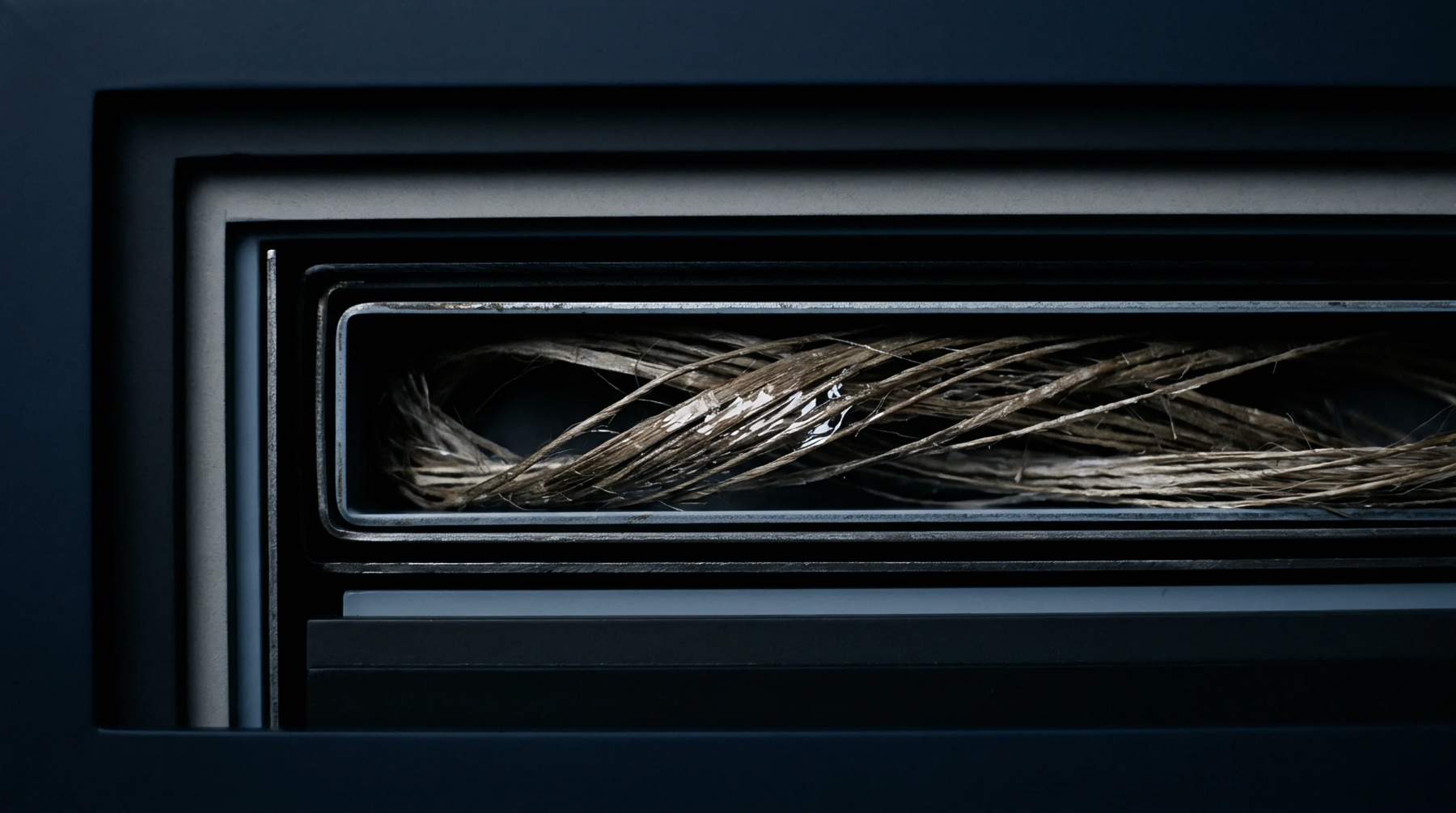
Targeting residual pectin between 1.8% and 2.6% dry mass optimizes fiber division for Nm 80-100 wet spinning while preventing drafting zone breaks.
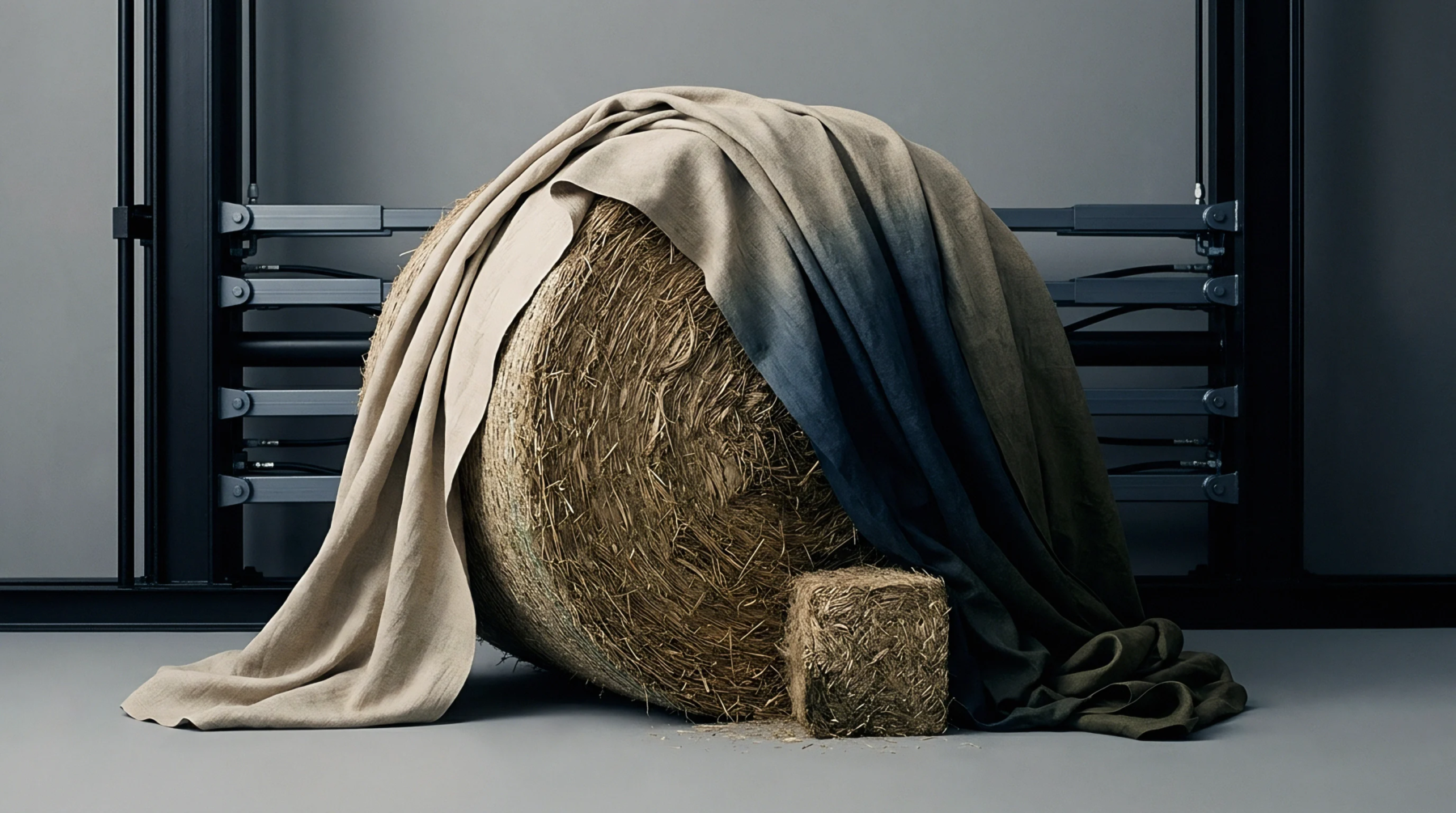
Non-equilibrium container shipping drives sharp radial moisture gradients in dense flax bales, degrading hackling yield and distorting invoiced fiber weight.

Relative humidity during hackling governs pectin plasticization, directly dictating whether gravimetric fineness translates to long line yield or tow waste.
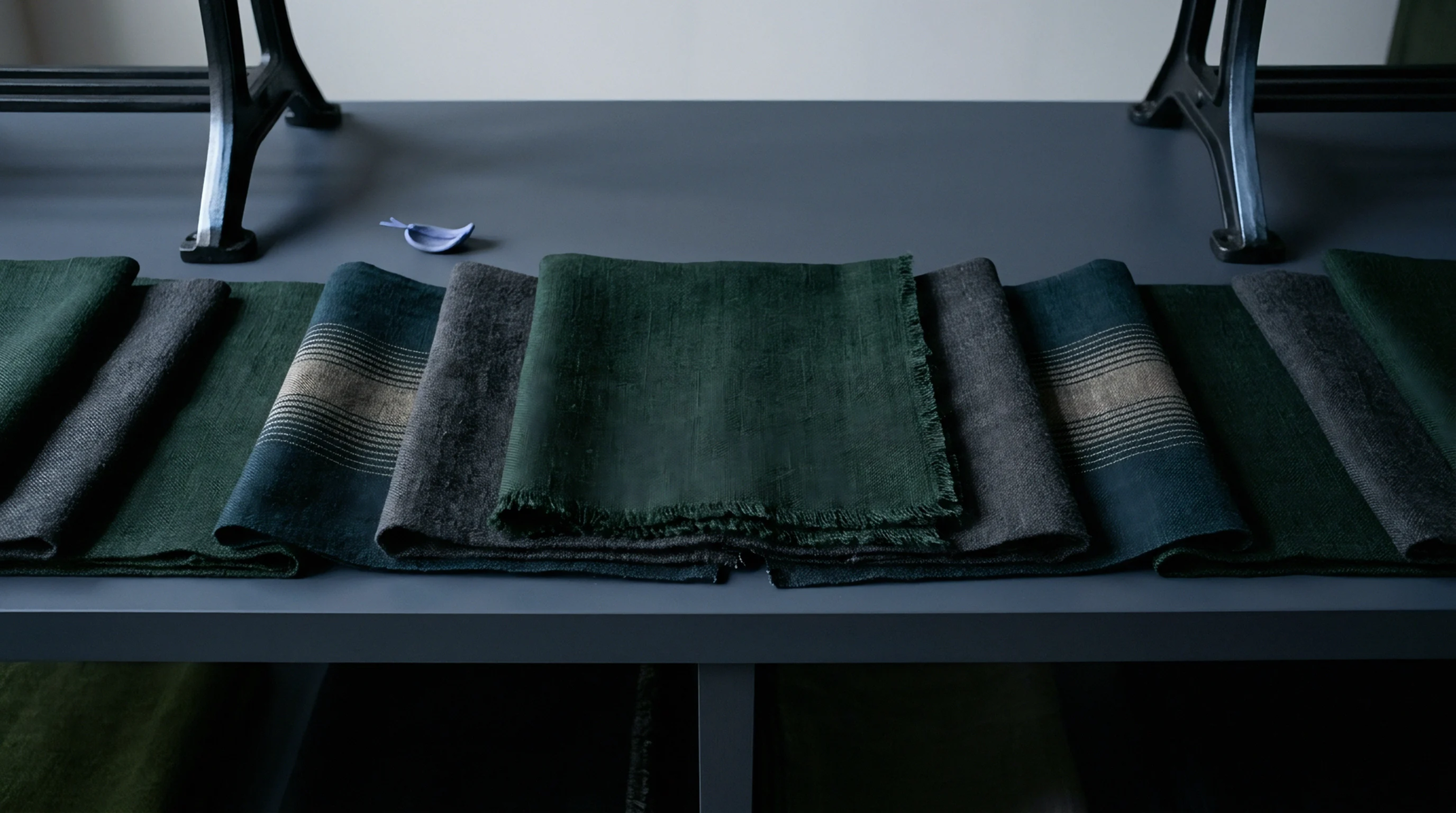
Optical sliver grading quantifies shive area and nep density via line-scan arrays to predict wet-spinning end breaks and enforce raw fibre pricing adjustments.
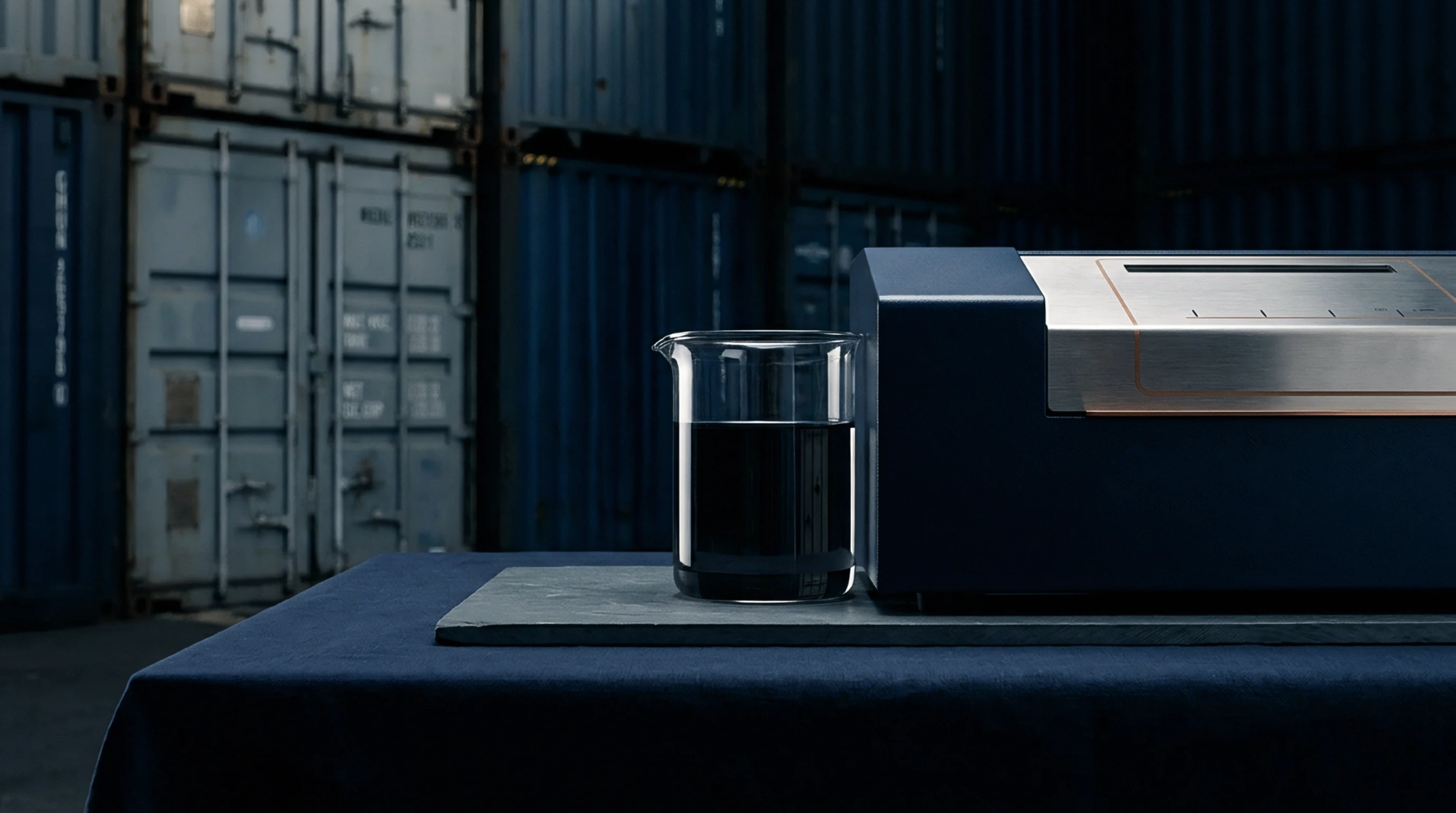
Optical length profiling converts light obscuration along clamped flax beards into precise span length metrics that dictate drawing roller settings and spinnable Nm.
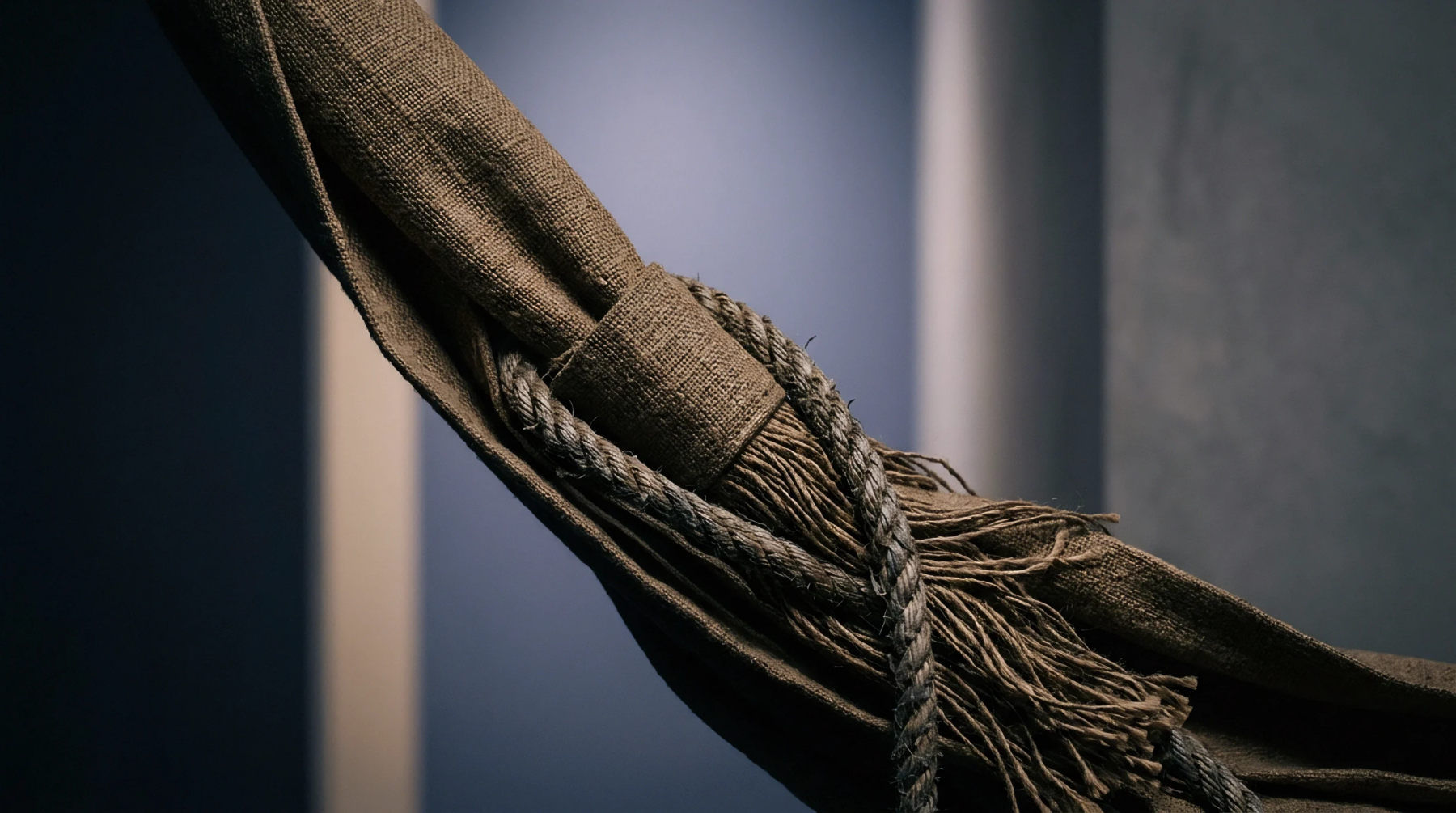
Flax technical bundle fineness dictates maximum spinnable yarn count while 3.2 millimetre gauge tenacity governs wet-spinning end breaks and hackling yield economics.
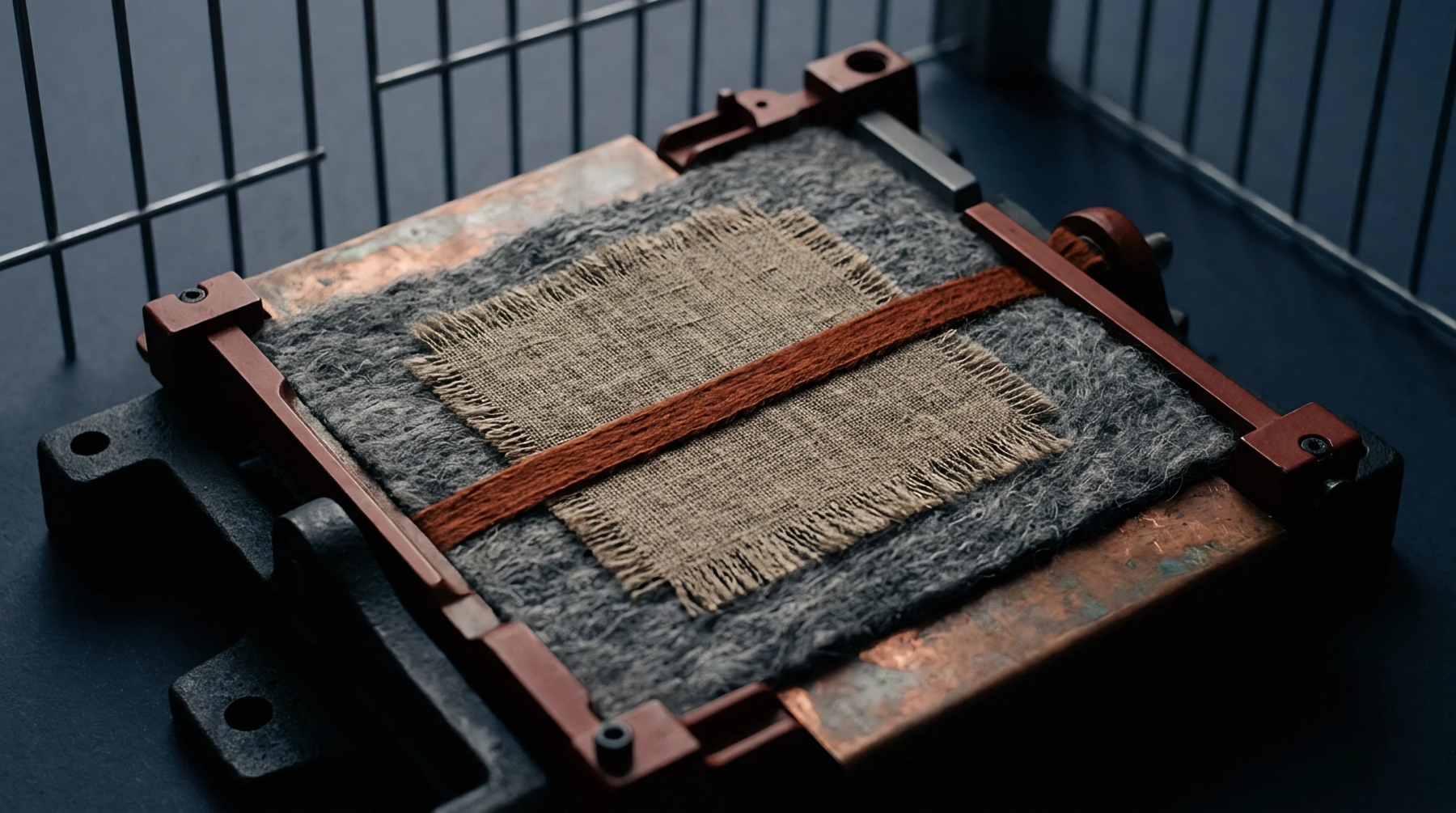
Scutching impact speed and low fiber moisture drive microfibrillar dislocations in flax secondary cell walls, lowering tenacity and hackling yield.

Steep S2 microfibrillar angles below ten degrees direct tensile loads along cellulose chains, raising elementary fibre tenacity above sixty centinewtons per tex.
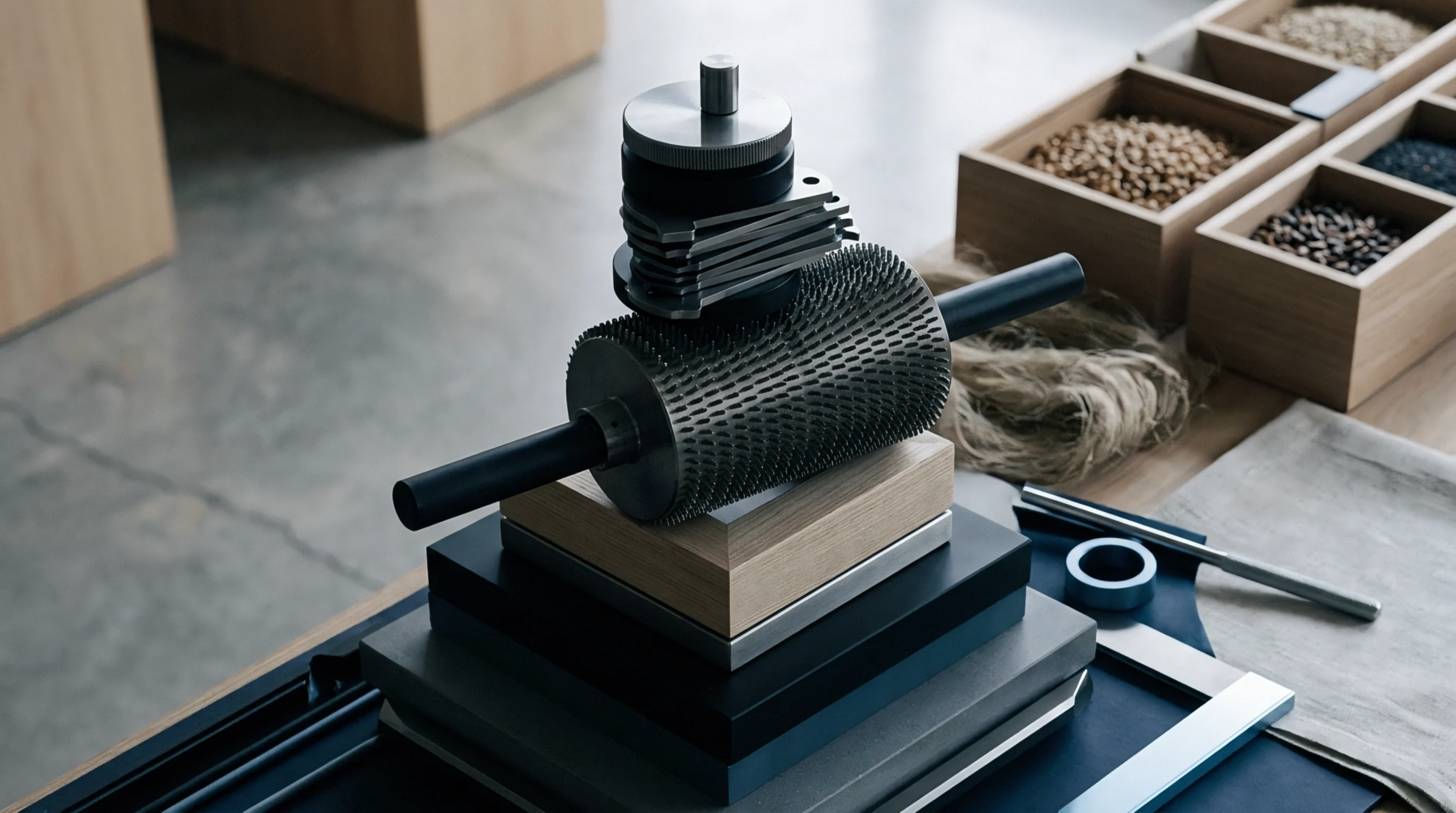
Heating wet drafting bath fluid to 68°C balances pectin relaxation with hydrodynamic drag, stabilizing Nm 80 flax drafting tension below 0.12 N.
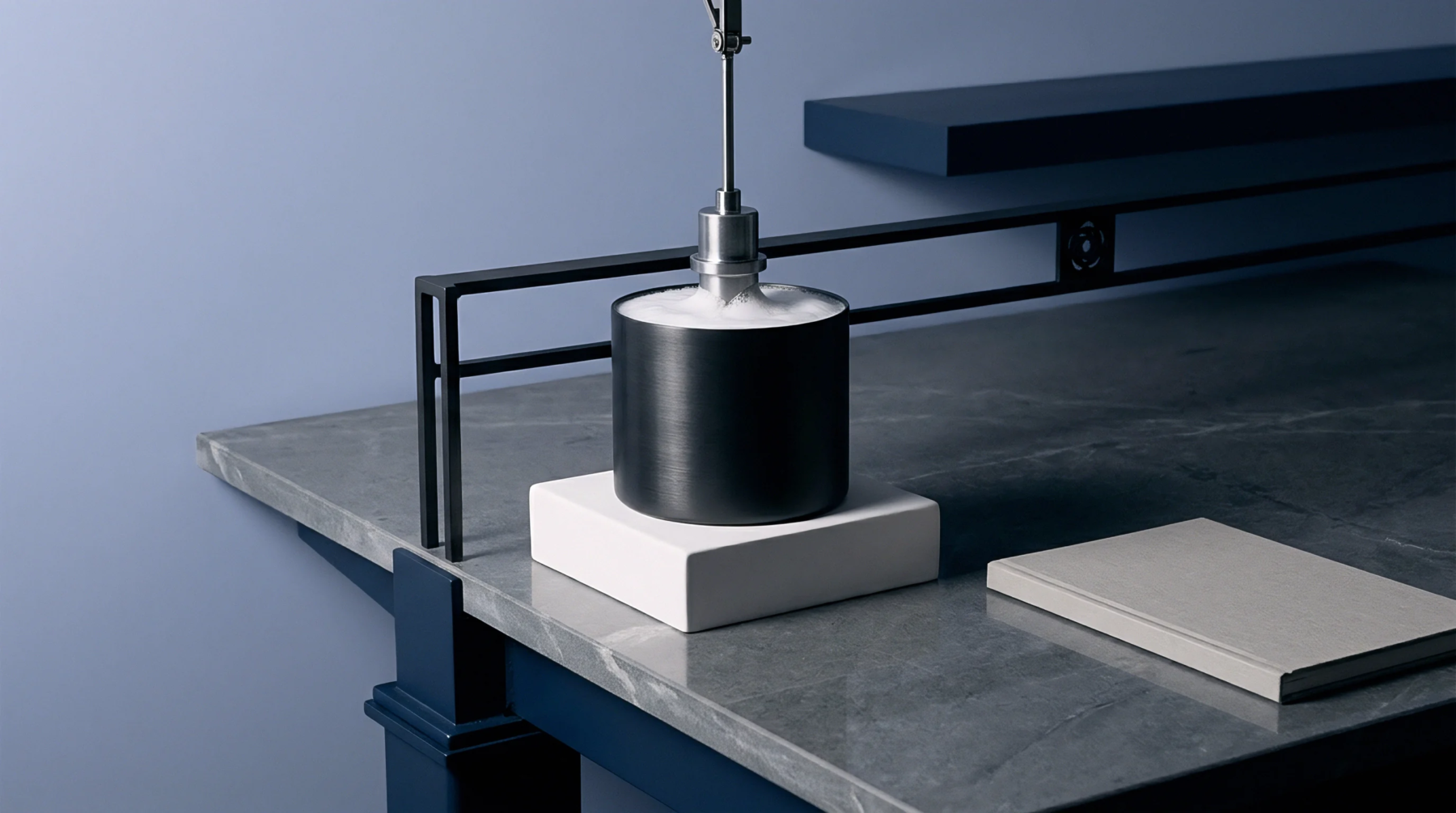
Maintain wet spinning bath at 62-66°C with 2.5 g/L pyrophosphate chelator to cleave middle lamella pectins, cut ends down, and maximize yarn tenacity.
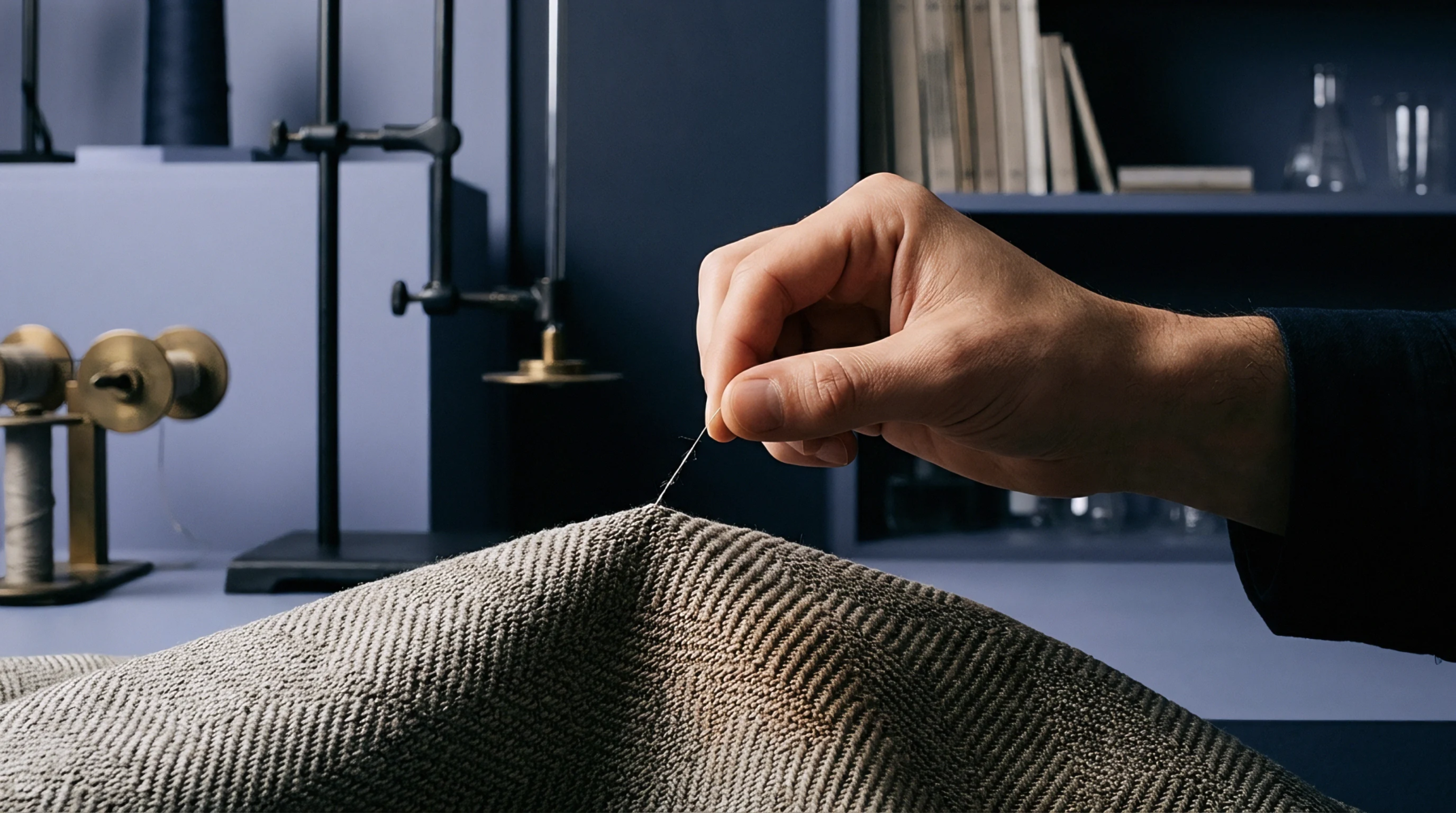
Optimal retting reduces residual pectin below 1.8 percent, allowing ultimate fiber separation to 3 tex and maximizing high-count line yarn yield.
Expertise is a utility, not a secret. sentiention™ publishes its working knowledge as open reference: intelligence layer covering the materials it sources, the markets it enters, and the reference that serves both.