Raw Material Accounting
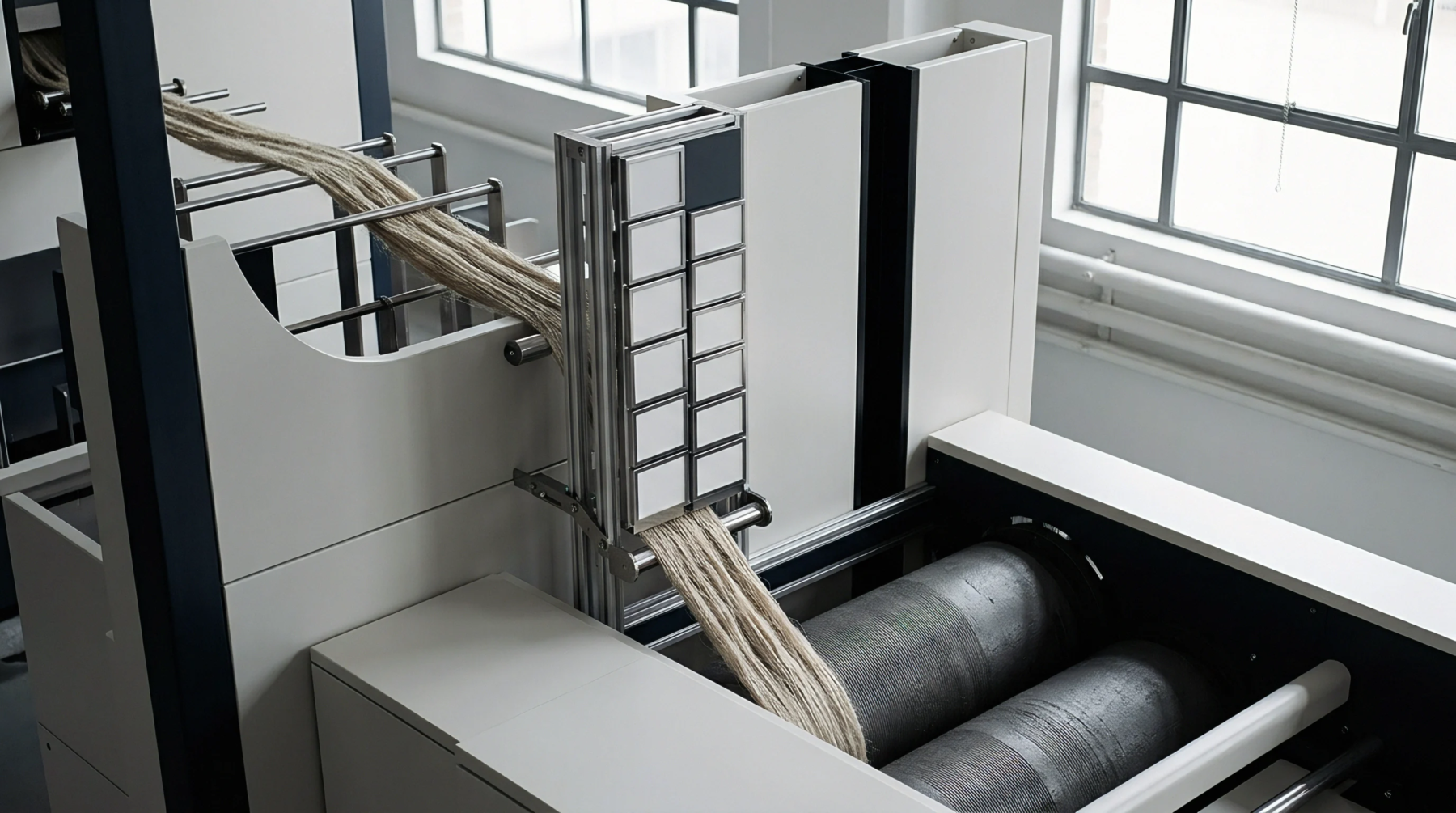
Accounting procedures track the total mass of flax fibre entering the scouring facility against the aggregate output of clean hackled product and waste residuals to ensure accountability for material loss across the processing chain. This mass balance identifies variances between theoretical yields and actual results recorded at each individual station on the production floor. Operators enter data into the internal logbook for every batch of raw flax straw delivered from regional harvests.
Periodic audits confirm the accuracy of weight logs by comparing the sum of outgoing bales and sorted refuse to the starting input tonnage. If the cumulative mass of finished sliver and dry waste falls below the baseline weight, investigators look for moisture evaporation or mechanical separation errors occurring during the breaking process. High-speed equipment sometimes loses fibre fragments into dust extraction systems that operators weigh daily to maintain the validity of the accounting record.
The procedure defines the operational efficiency for every batch of flax processed.
Loss Management Protocol
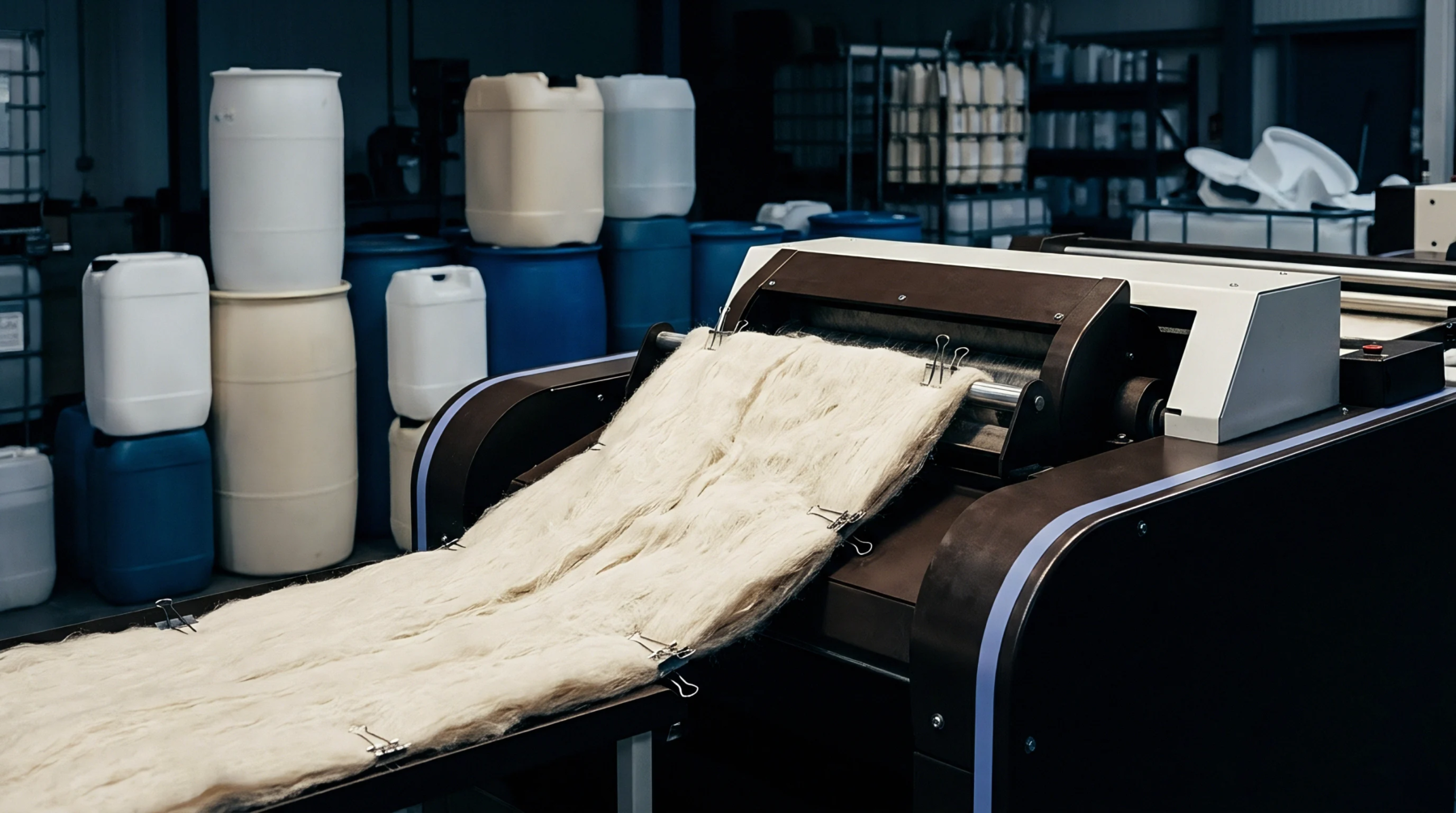
Mill managers monitor the divergence between expected output and verified inventory to prevent hidden stock leakage during the wet spinning stage. This method quantifies the ratio of water absorption and chemical additive uptake relative to the dry fibre weight during the immersion cycles. Technicians record input levels in the daily production register to establish a control baseline for every batch of yarn.
When machines produce a high volume of off-cut waste, staff inspect the settings on the combing cylinders to locate the source of the mechanical discrepancy. Precise oversight of these flows stops the accumulation of unrecorded inventory within the mill storage areas. Proper monitoring prevents the miscalculation of total yields during final finishing.
Inventory Control Measure
Export documentation relies upon the verified record of total weight inputs minus calculated industrial outputs to confirm the integrity of trade shipments. Buyers examine the final mass balance to confirm that the weight of the exported fabric matches the mass of the raw fibre originally reported at the point of origin. Customs authorities use this calculation to verify that no unaccounted material entered the manufacturing sequence.
Discrepancies between the shipping weight and the historical log indicate a failure in the internal controls of the processing facility. Every kilogram of linen represents a fixed proportion of the source flax.