Biological Surface Modification
Bio-catalytic finishing targets the cellulosic polymer chains of flax fibres to modify the aesthetic properties of woven linen cloth. A cellulase enzyme wash performs this action by hydrolyzing glycosidic bonds in the textile material to remove surface micro-fibrils. This reduction in hairiness creates a smoother fabric hand and enhances the clarity of dyed colours.
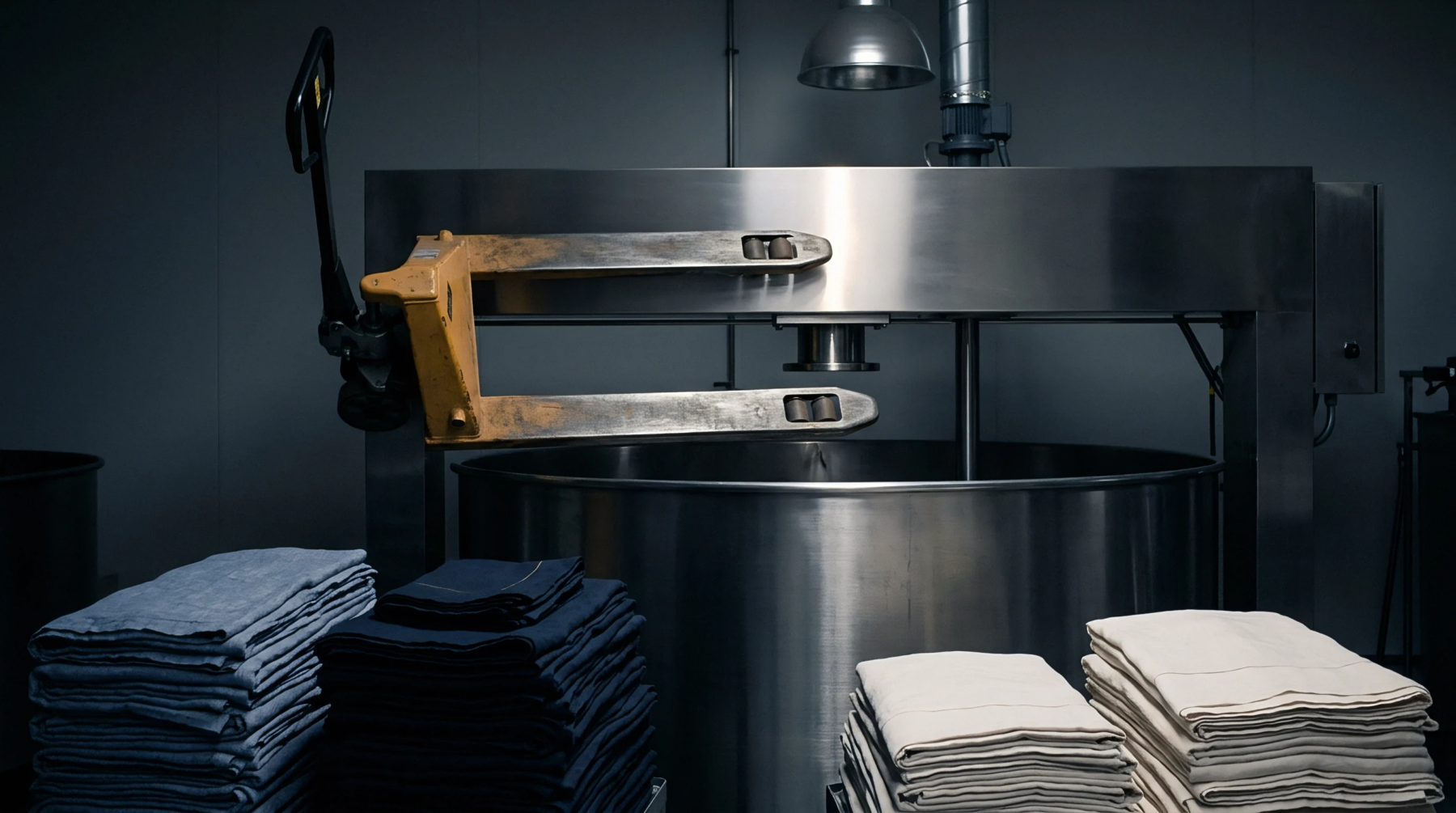
Textile mills apply the process in large industrial tumblers after the fabric reaches a semi-finished state. The reaction remains controlled by temperature, pH levels and the duration of exposure to the enzymatic bath. Once the required surface smoothness exists, technicians neutralize the activity to prevent excessive damage to the primary fibre structure.
Process Efficiency Management
Reducing the abrasive action of mechanical tumbling decreases the time necessary for achieving specific hand-feel targets in high-end linen production. Buyers often specify a particular level of softness or light reflection in the final inspection document to ensure the batch meets quality expectations. Fabric manufacturers monitor the liquor ratio and the active enzyme concentration during the wash cycle to manage the total fibre loss.
Excessive hydrolysis weakens the cloth and compromises the tensile strength, which creates a deviation from standard performance parameters. Consistency relies on the exact timing of the neutralization stage because the reaction continues to degrade cellulose until the chemical agents become inactive.
Quantitative Quality Verification
Lab technicians measure the efficacy of this chemical treatment through objective assessment of surface roughness and mass loss statistics. Precise control over the hydrolysis rate prevents the transition from desired fibre softening to significant structural degradation. Quality assurance departments verify the results against the original mill specification before the linen clears for final shipment to international garment manufacturers.
This analytical verification ensures that the physical properties of the treated goods remain within acceptable limits for subsequent production cycles. The intensity of the enzymatic impact determines the durability of the final textile product.