Moisture Determination
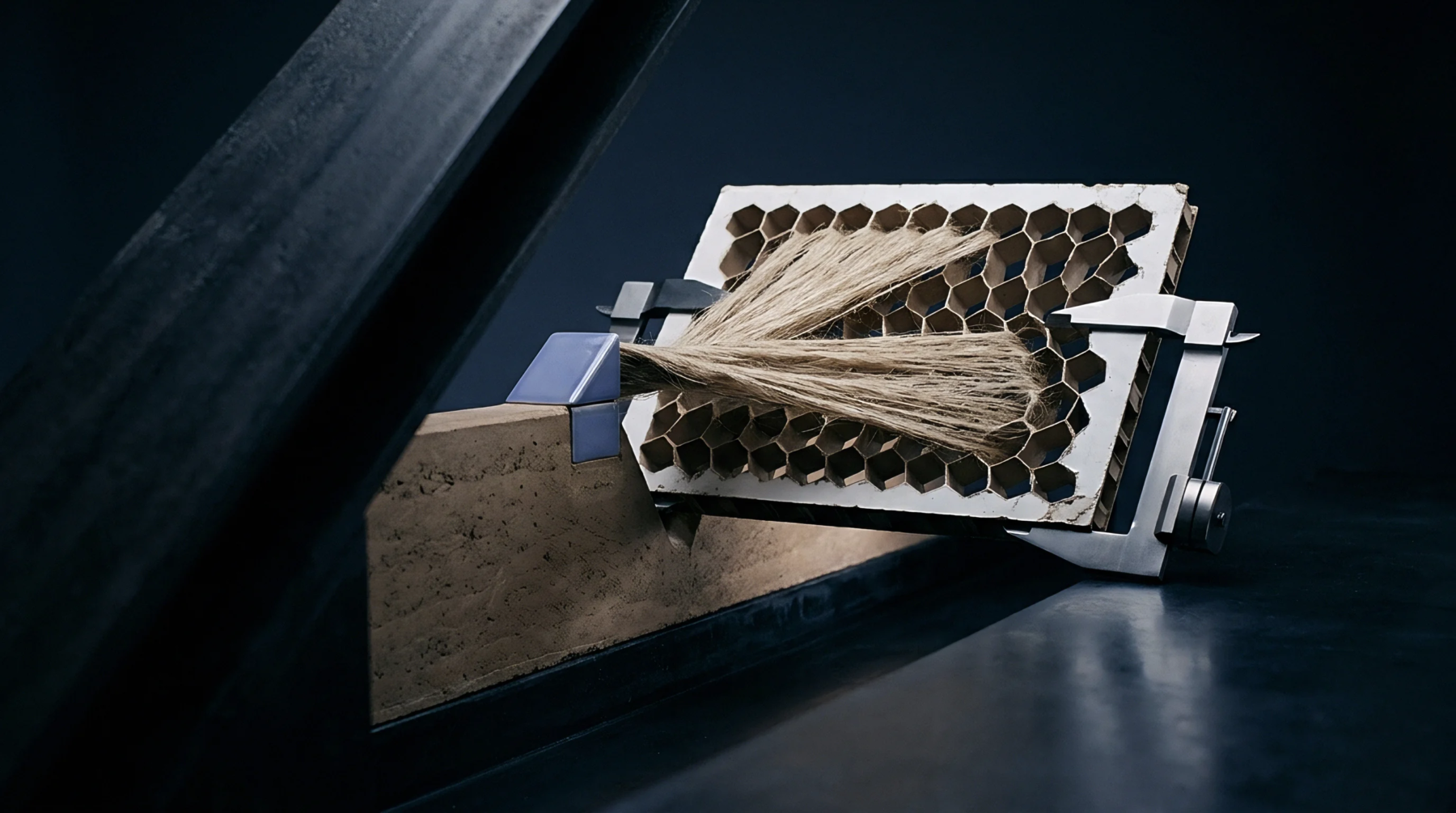
Gravimetric water removal protocols govern the baseline evaluation of raw flax fibers arriving at Chinese spinning mills before wet spinning or blending procedures take place. Oven drying provides the absolute benchmark for establishing dry weight percentages by forcing residual water out of representative raw material samples under strict thermal conditions. Laboratory technicians weigh flax lots before and after thermal exposure inside standardized convection chambers, dividing the final mass by the initial mass to calculate exact moisture regain values.
Export contracts and mill purchasing agreements rely exclusively on these dry mass figures because commercial transactions depend entirely on dry fiber weight rather than water weight.
Thermal Parameters
Convection apparatuses operate at predetermined temperature thresholds, typically maintaining one hundred five degrees Celsius to vaporize interstitial and bound moisture without scorching the delicate cellulose polymers found in natural flax. Prolonged heating periods ensure that internal bundle humidity escapes completely, reaching a constant mass state where successive weight measurements show no further reduction. Technicians place loose fiber handfuls or sliced yarn snippets into wire mesh baskets to maximize hot air circulation around every individual strand during the cycle.
Humidity control protocols inside the laboratory prevent ambient moisture reabsorption during the cooling phase preceding final scale readings.
Commercial Variance
Mill acceptance criteria diverge sharply from buyer grade specifications whenever internal moisture allowances differ from contractual shipment tolerances. Raw flax lots exceeding standard moisture limits incur proportional financial deductions calculated directly from the dry mass baseline established during testing. Fabric graders evaluate woven linen textiles using tactile density and yarn count metrics rather than thermal moisture removal, separating finished cloth classifications from raw fiber evaluations.
Documented test certificates accompany every export batch from provincial processing plants to foreign spinning mills, proving that moisture levels remain strictly aligned with international trade standards.