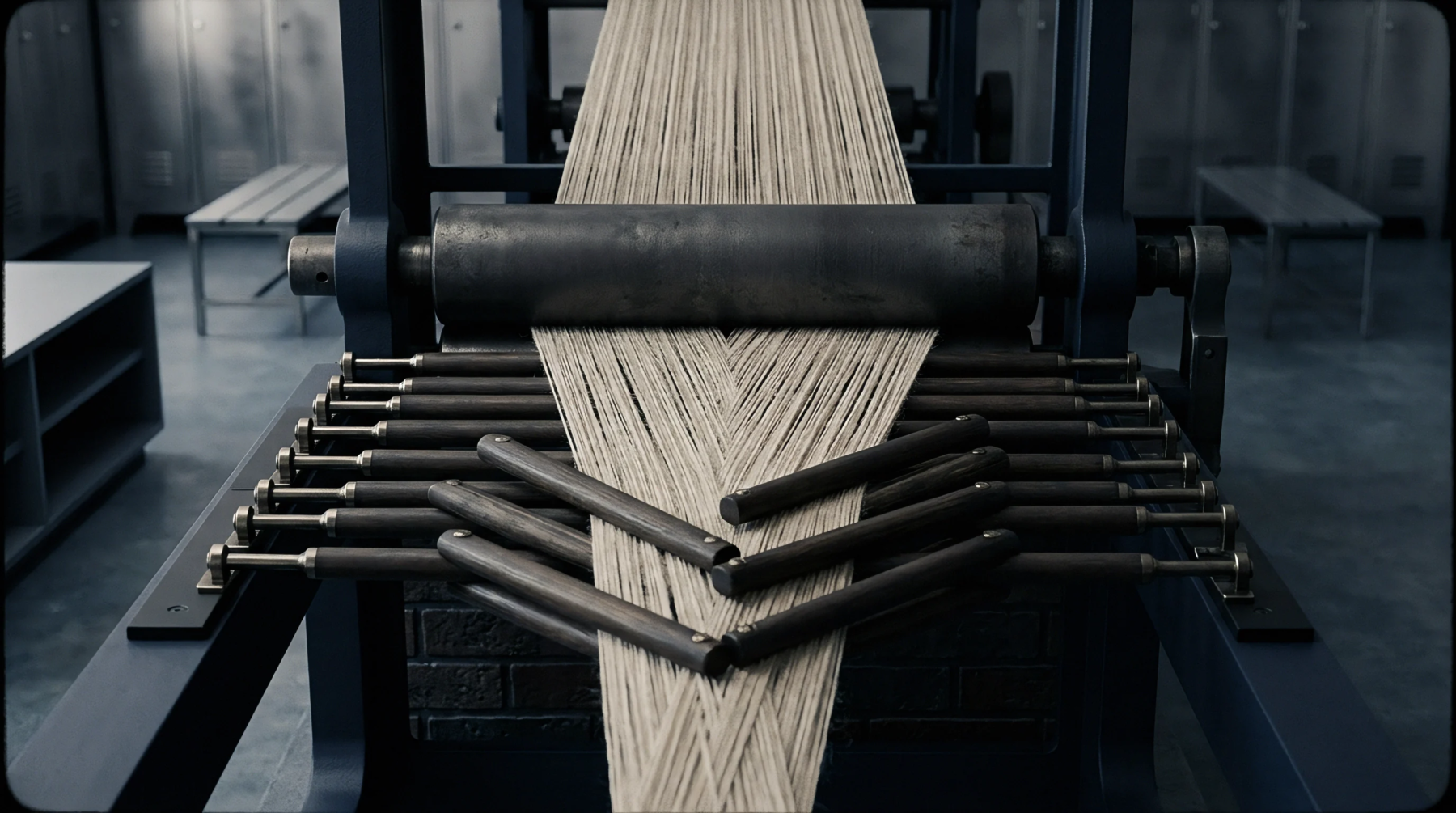
Optimizing Harness Cord Splay Angles in High Density Electronic Jacquards
Keeping harness cord splay angles below ten degrees prevents lateral eyelet binding, eliminates asymmetric creep, and protects loom speed in high density sheds.
Keeping harness cord splay angles below ten degrees prevents lateral eyelet binding, eliminates asymmetric creep, and protects loom speed in high density sheds.
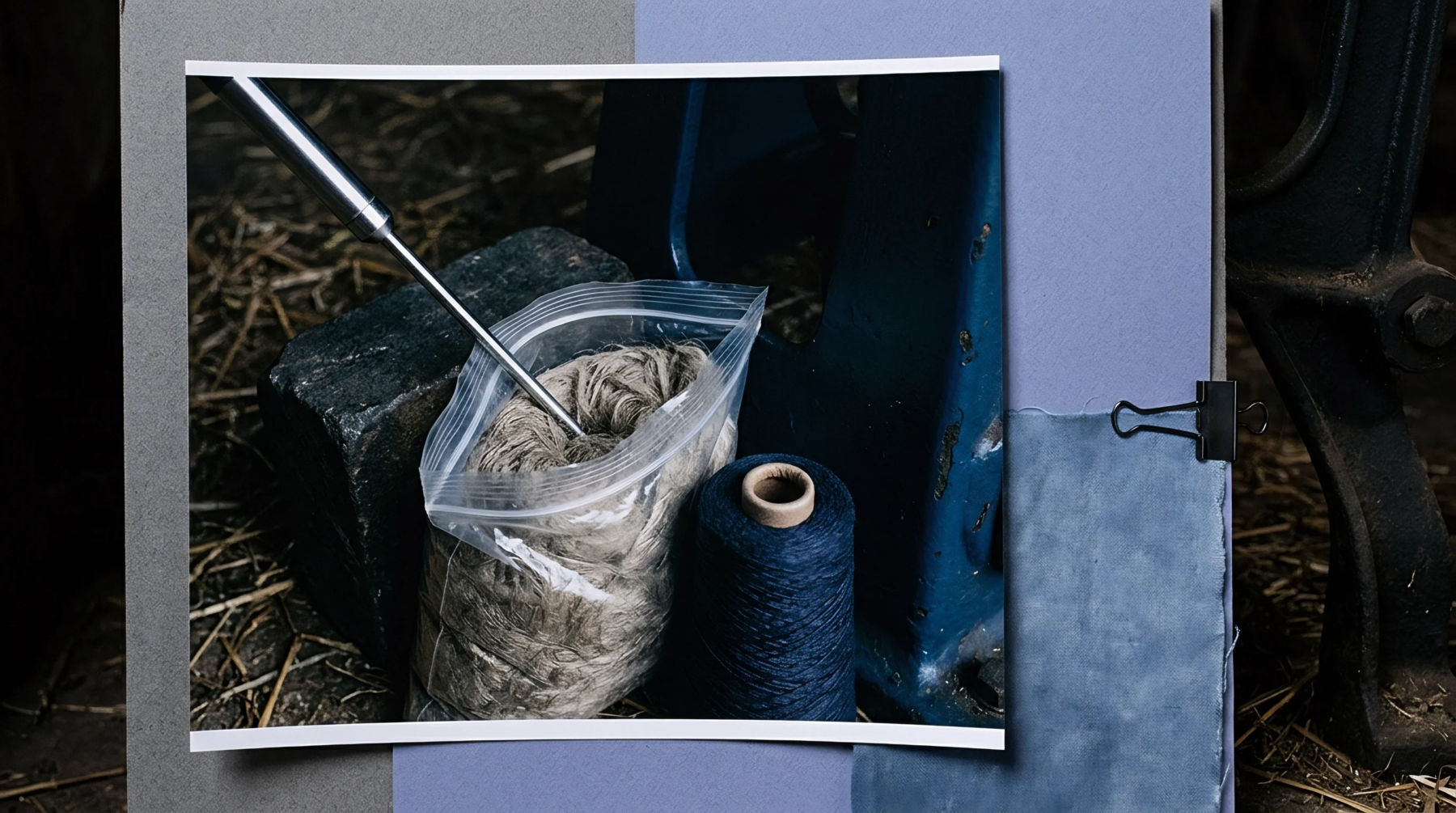
Moisture plasticizes the amorphous pectin matrix in bast bundles, lowering yarn flexural rigidity while elevating cyclic bending energy dissipation.
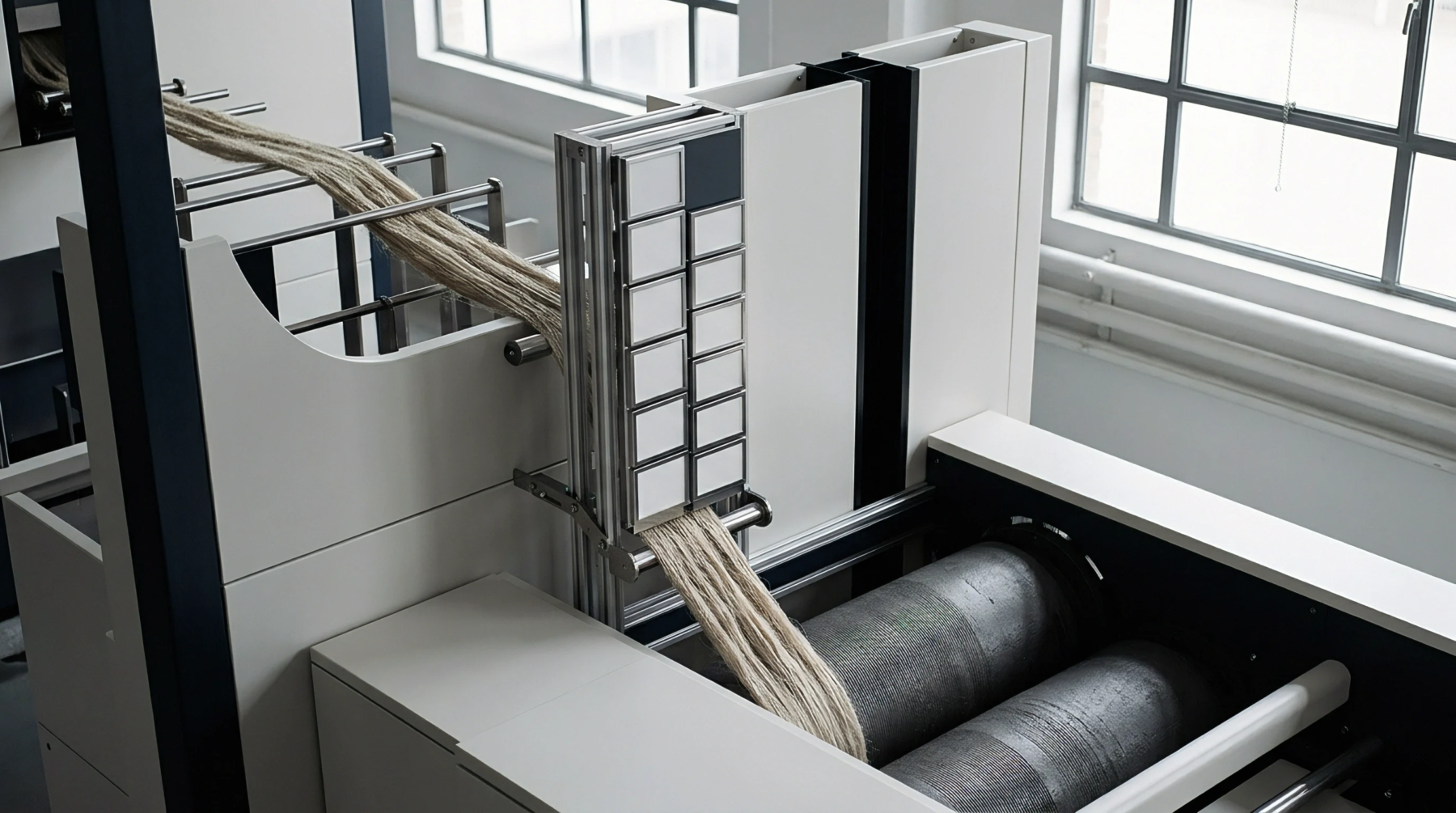
Adjusting weaver loom allocations based on high-density flax warp end-break rates maximizes loom-hour output and prevents stop-mark quality losses.
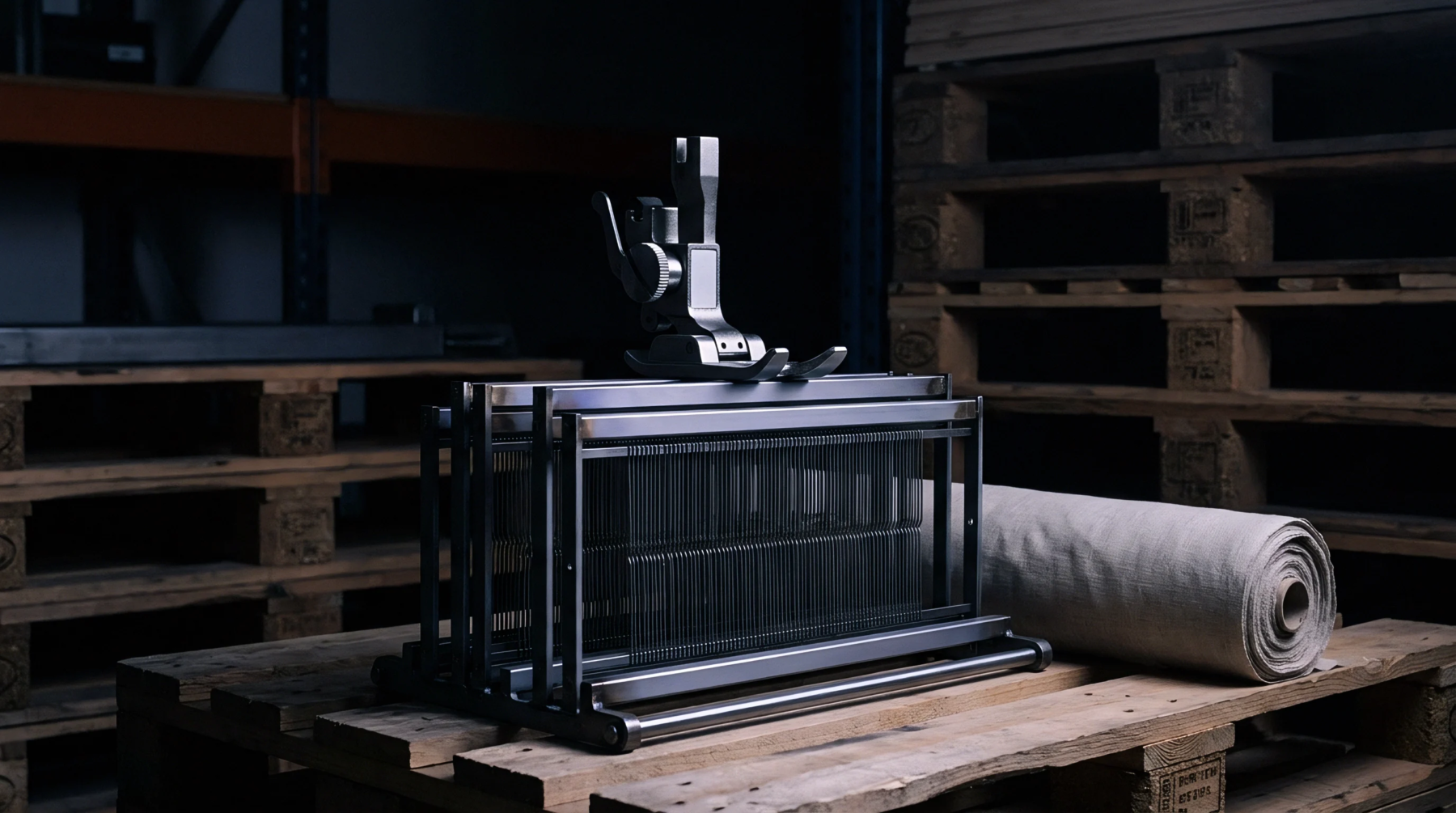
Jacquard repeat limits scale with hook count and warp density, where systematic harness casting-out maintains uniform cord pull angles across the comber board.
Expertise is a utility, not a secret. sentiention™ publishes its working knowledge as open reference: intelligence layer covering the materials it sources, the markets it enters, and the reference that serves both.