
Determining Hackled Flax Linear Density through Manual Bundle Sectioning
Manual bundle sectioning isolates true flax fibre linear density by cutting mid-strick segments for gravimetric tex determination prior to spinning.

Manual bundle sectioning isolates true flax fibre linear density by cutting mid-strick segments for gravimetric tex determination prior to spinning.

Excessive air-jet nozzle pressure degrades fine linen filling yarns through surface shear and pectin cleavage, requiring strict pressure thresholds to avoid loom stops.

Calculate linear greige yield by dividing net picks per hour by pick density, adjusting reed width and warp length for crimp contraction.
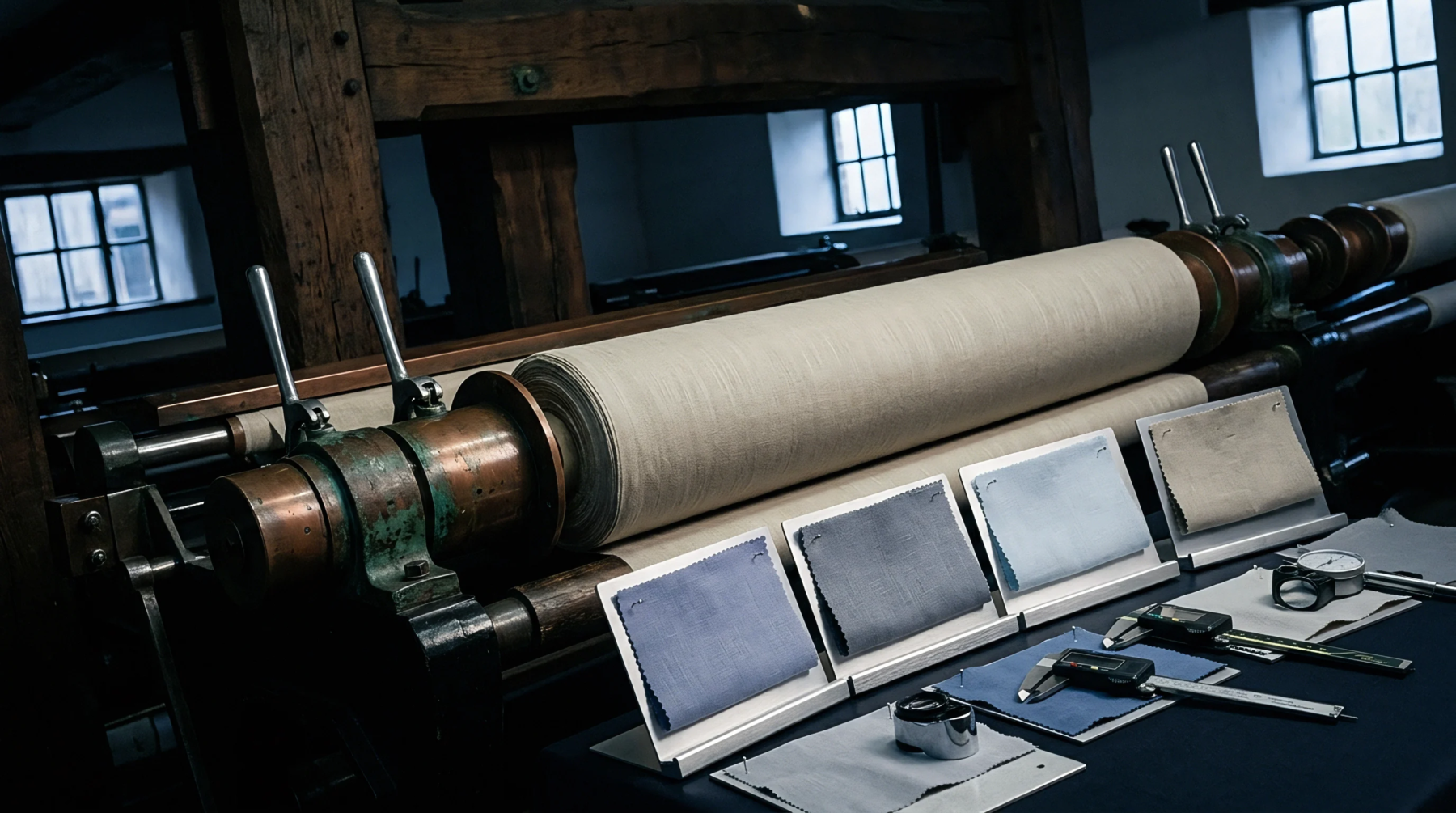
Airflow fineness measurement requires strict thermodynamic equilibrium and morphology calibration to avoid deceptive linear density readings in bast fiber trading.

Auditing offshore linen mass balance demands real-time dry weight tracking, moisture regain adjustments, and batch-level transaction certificate verification.

Precise airflow porosimetry of unhackled dew-retted flax requires axial strick alignment, controlled 196 kPa compaction, and 12 percent regain normalization.

Stable isotope analysis of isolated alpha-cellulose resolves European and Asian long staple flax blends down to ten percent with high statistical confidence.

Excess warp breaks from friction defects add unabsorbed loom downtime costs recoverable through measured stop logging and laboratory coefficient of friction proof.

Dynamic multi-axis loom extension triggers rapid viscoelastic stress relaxation in wet spun flax through pectin matrix slip, requiring tuned backrest dynamics.

Multi-stage chemical scouring depletes carbon-13 and alters oxygen-18 ratios in bast fiber mixtures, requiring mass-balance correction against isolated alpha-cellulose.

Low-pressure air permeability tests determine bast fiber fineness by measuring specific surface area across standardized compressed fiber plugs under ISO 2370.
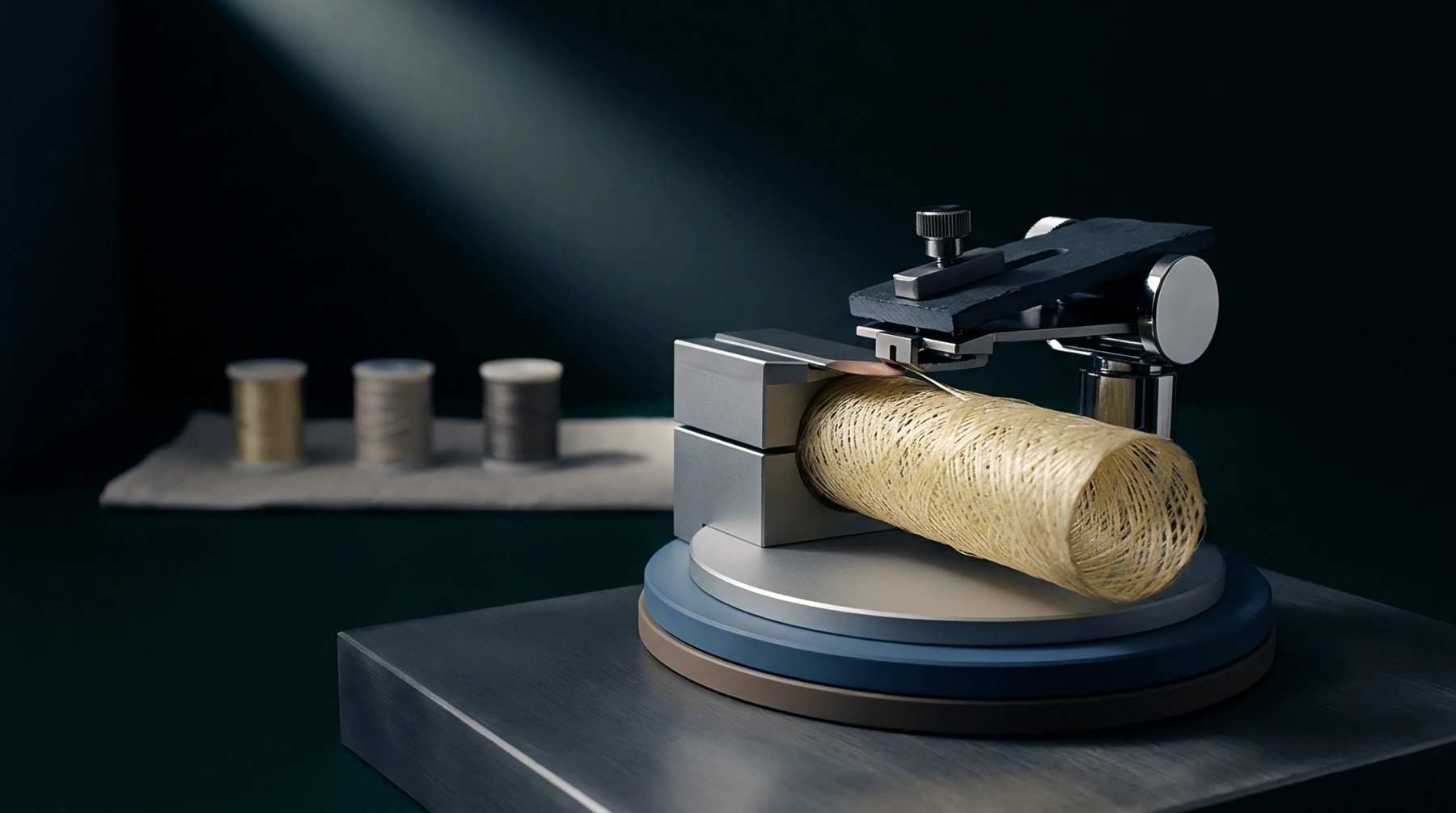
Optimizing flax warp size with modified starches and acrylic binders locks inner fiber bundles, preventing tensile decay and cutting loom stop costs.

Non-European flax fiber substitution in transferred yarn stocks is capped at zero percent for pure European Flax and Masters of Linen claims.

Quantifying fine linen abrasion mechanics requires matching sizing film strength to dynamic shed tension to maintain loom efficiency above ninety percent.

Stable isotope ratio analysis of carbon, oxygen, and strontium authenticates primary flax origin by matching fiber isotopic signatures to regional isoscapes.
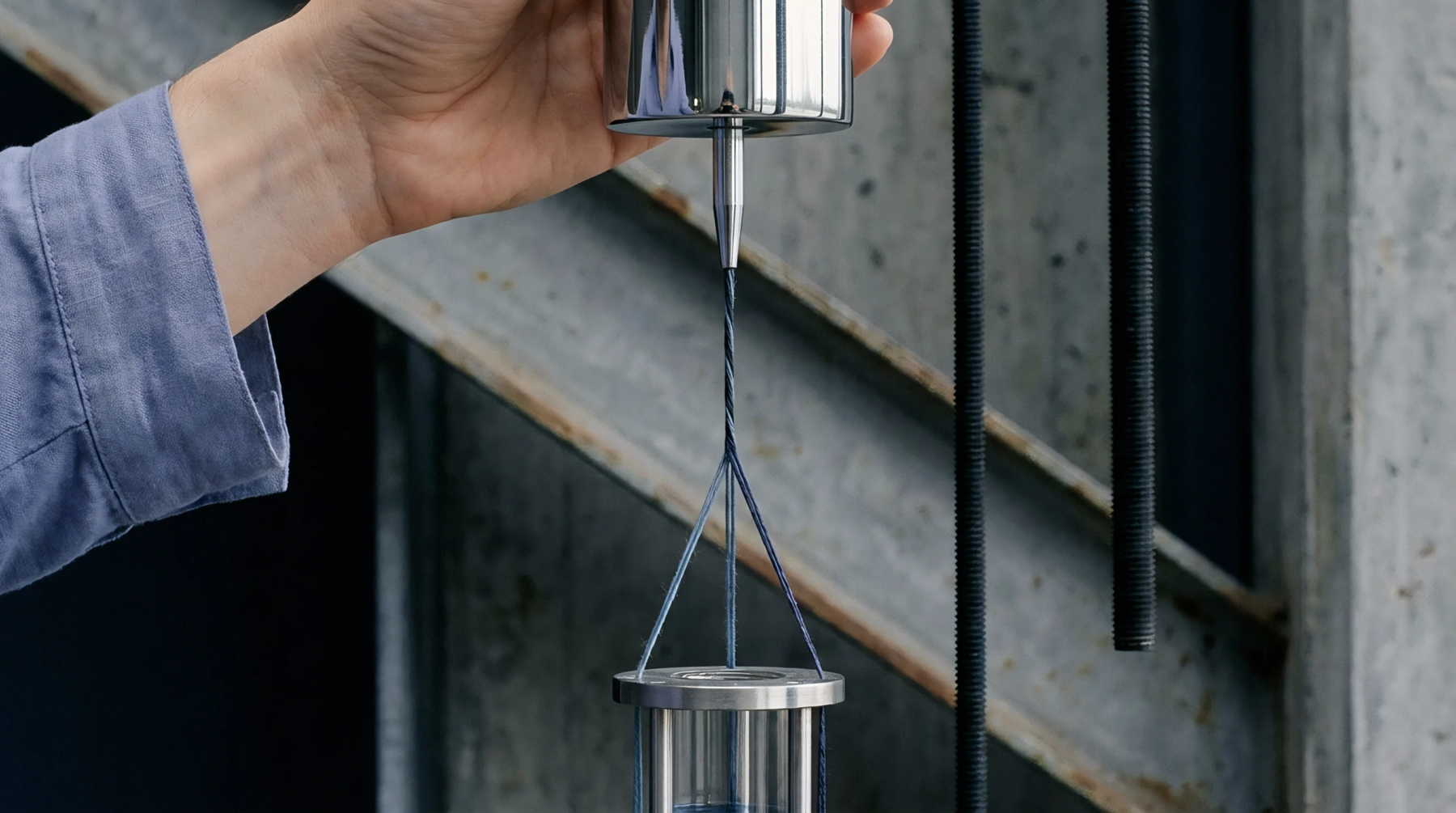
Mass balance reconciliation requires adjusting scutched flax intake for moisture regain and hot water bath solubilization before evaluating yarn yield variance.

Modeling elementary fiber cross-sectional variance predicts wet spinning end breaks by identifying localized cell wall stress concentrations under drafting tension.

Viscoelastic hysteresis and guide friction cause thermal cord elongation, degrading warp shed geometry during high-speed jacquard weaving.

ISO 22095 mass balance allocation demands dry-mass baselines and process waste reconciliation to stop certified credit inflation in mixed flax spinning.

Optimize harness splay angles under 12 degrees and use ceramic mail eyes to reduce dynamic friction below 0.15 for maximum loom speed and efficiency.
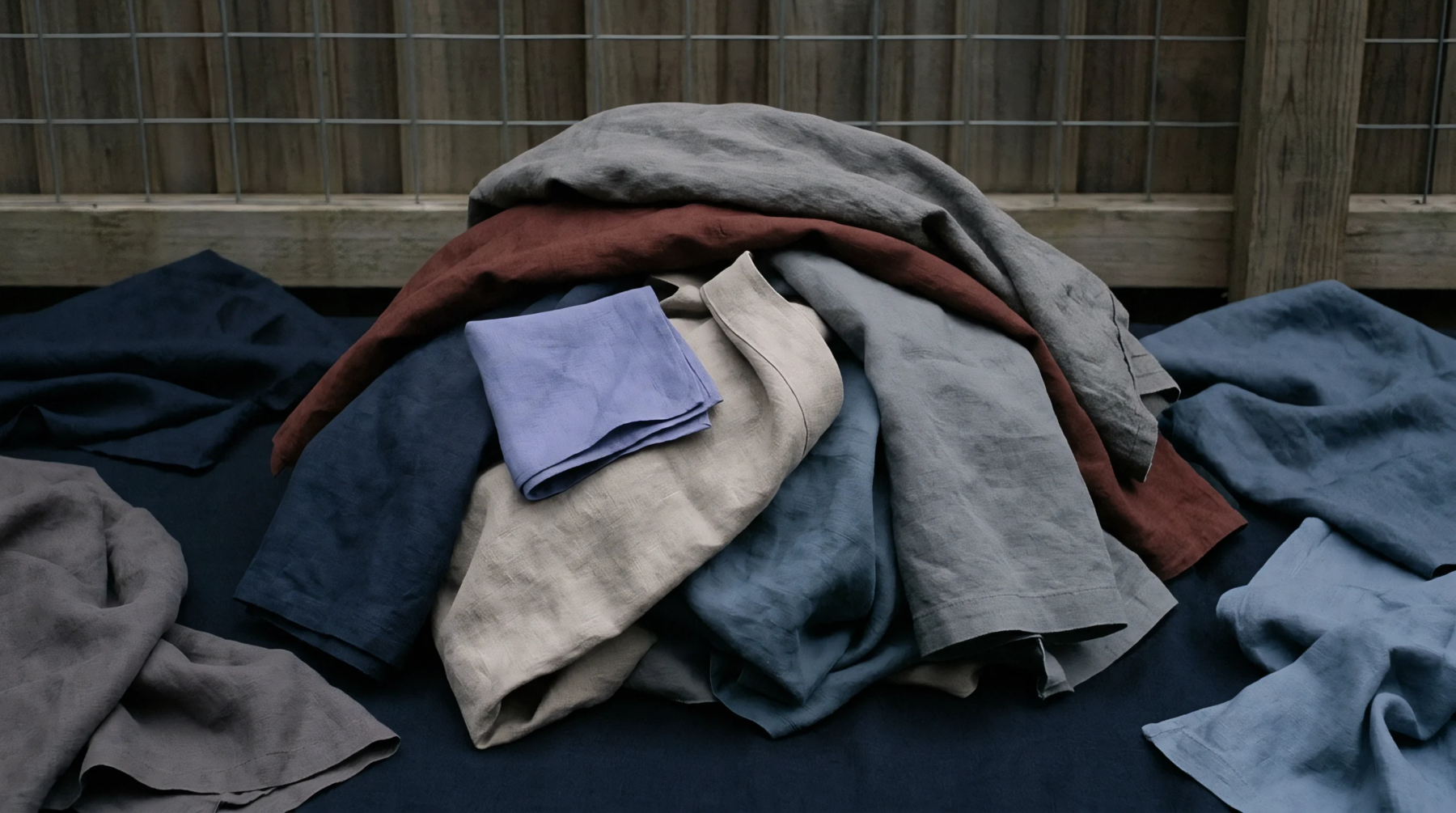
Reconciling wet processed linen weight loss against loom hour billing requires adjusting greige pick counts for chemical extraction and structural shrinkage.

Automated optical bundle metrics predict wet spinning draft resistance limits and eliminate spindle stoppages caused by coarse unseparated flax fibers.

Optical calibration using certified stage micrometers and telecentric lighting eliminates overlap bias, securing true linear density and hackling yield metrics.

Auditing European wet spinning yield requires dry-mass standardization, pectin extraction accounting, and lot-level reconciliation across hackling and combing.

Optical microscopy of resin-embedded cross sections determines true technical flax bundle widths, separating spinnable fine line from coarse drafting defects.
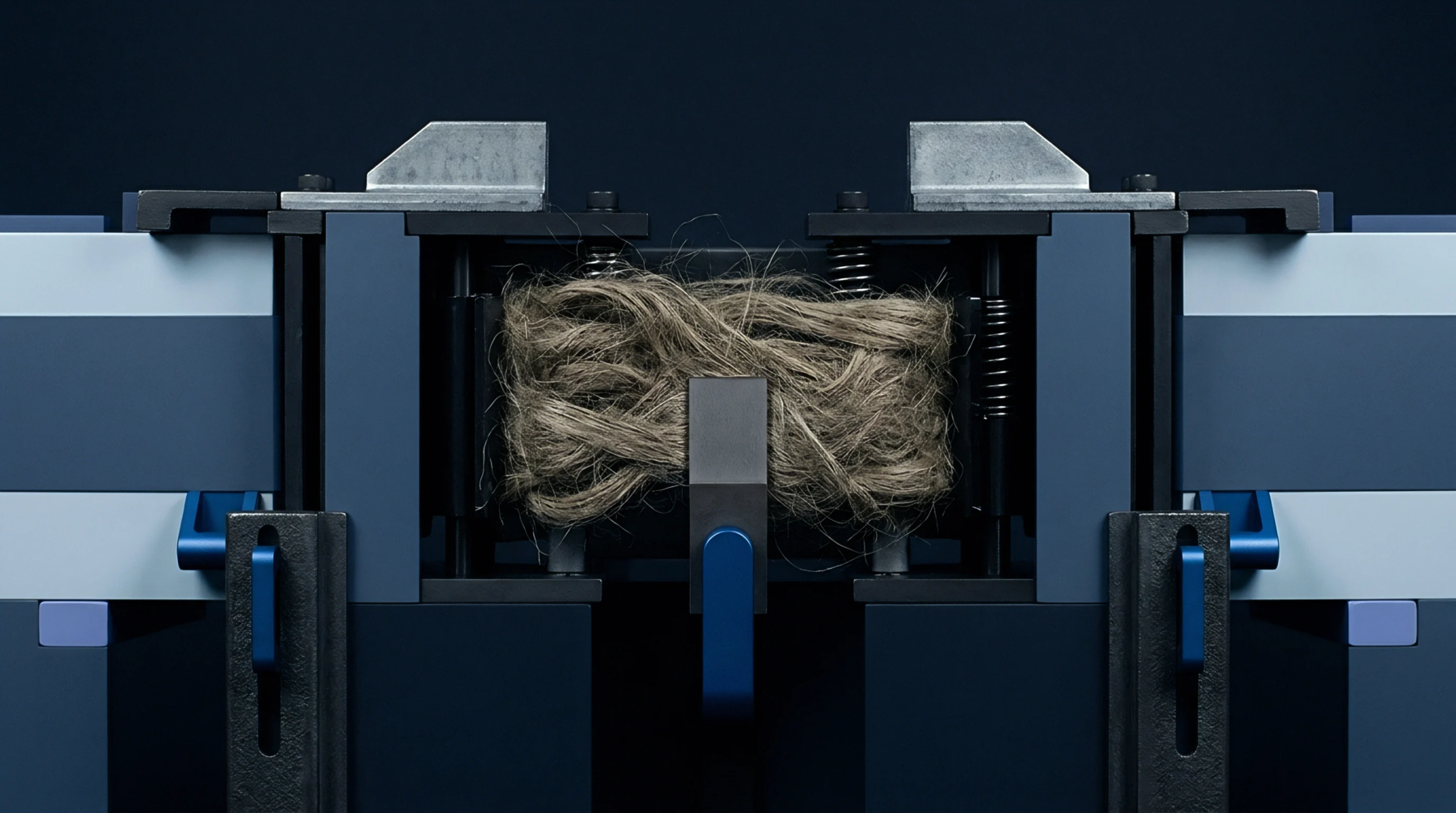
Targeted enzymatic cleavage of middle lamella homogalacturonan enables drafting down to elementary fibrils, yielding Nm 90 wet-spun flax yarns exceeding 38 cN/tex.
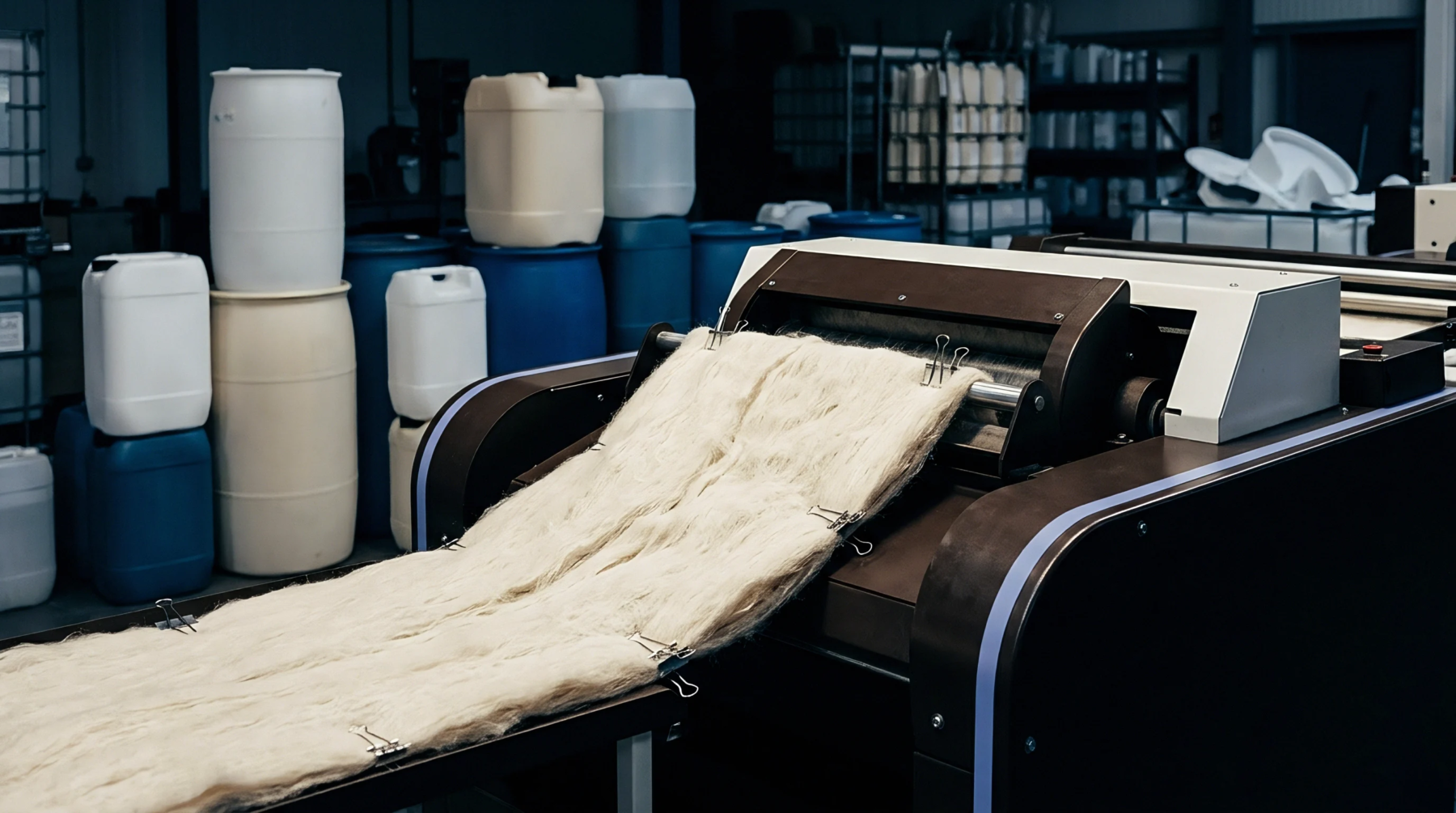
Dynamic flax shedding causes thermal moisture desorption, requiring invoice adjustments based on ISO 6741 oven-dry mass plus standard regain.

Non-preferential linen origin relies on matching raw yarn lots to loom shed operator tickets, proving substantial transformation through verified machine capacity.

Flax moisture regain directly alters measured yarn count and fabric mass; accurate verification requires oven-drying to normalize weights against standard commercial regain allowances.

Non preferential origin for imported linen cloth resides in the country where greige yarns are interlaced on the loom, not where flax fibres were grown or spun.
Expertise is a utility, not a secret. sentiention™ publishes its working knowledge as open reference: intelligence layer covering the materials it sources, the markets it enters, and the reference that serves both.