
Calibrating Hackling Machine Tool Beds for High-Yield Line Fibre Production
Calibrating hackling tool beds within sub-0.05mm tolerances maximizes long-staple line fibre yield, preventing costly stem rupture and securing high-count yarn spinnability.
Calibrating hackling tool beds within sub-0.05mm tolerances maximizes long-staple line fibre yield, preventing costly stem rupture and securing high-count yarn spinnability.

Scutched flax length arrays dictate hackling yield and draft limits, where span length and dispersion metrics set the achievable wet-spun yarn count limit.
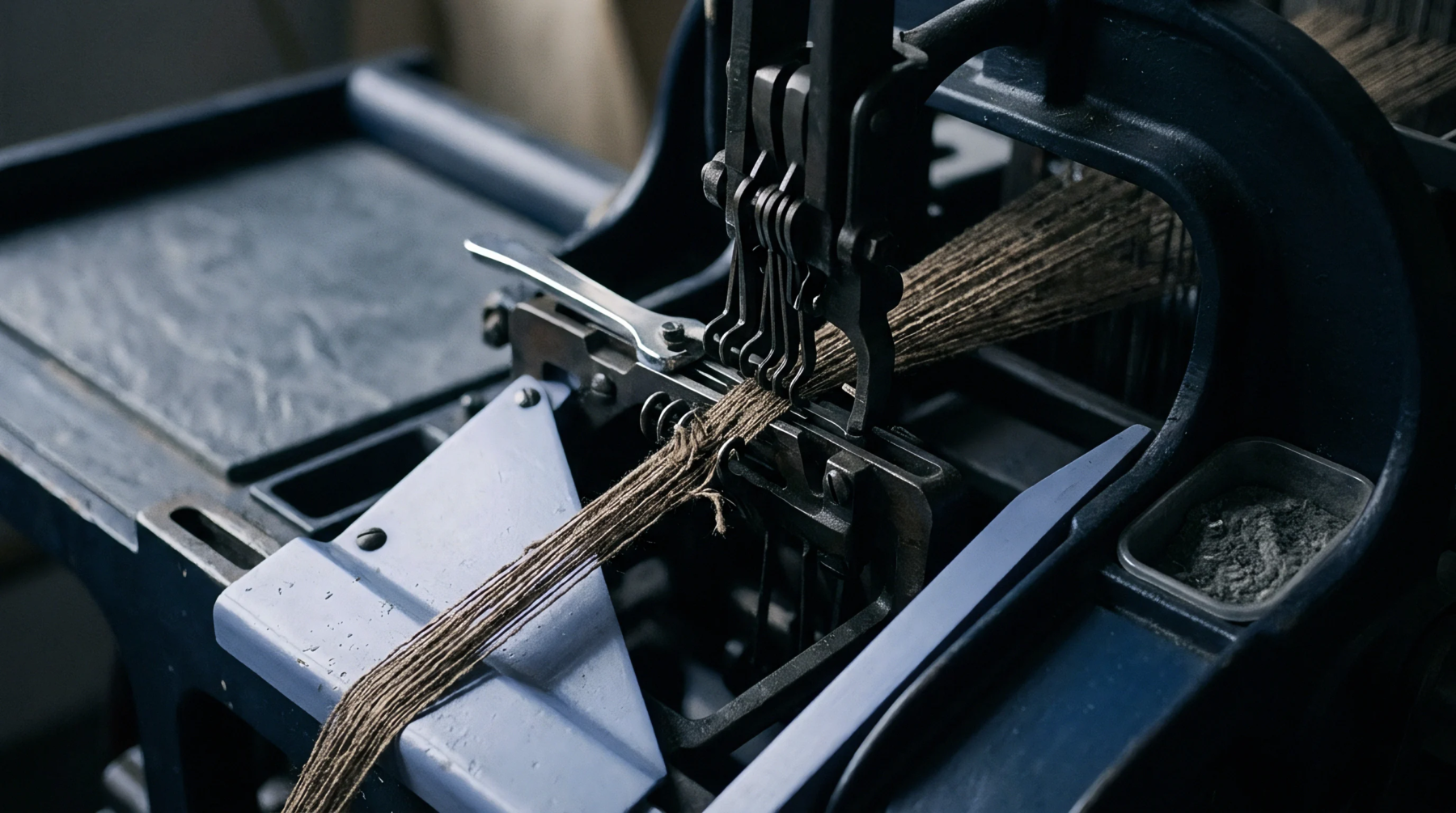
Sliver mass variance generates dynamic force spikes in drafting zones, driving end breaks, reducing frame efficiency, and elevating finished linen yarn costs.

Scutched flax splitting efficiency directly dictates wet-spinning count limits by controlling the distribution of technical bundle diameters prior to roving draft.
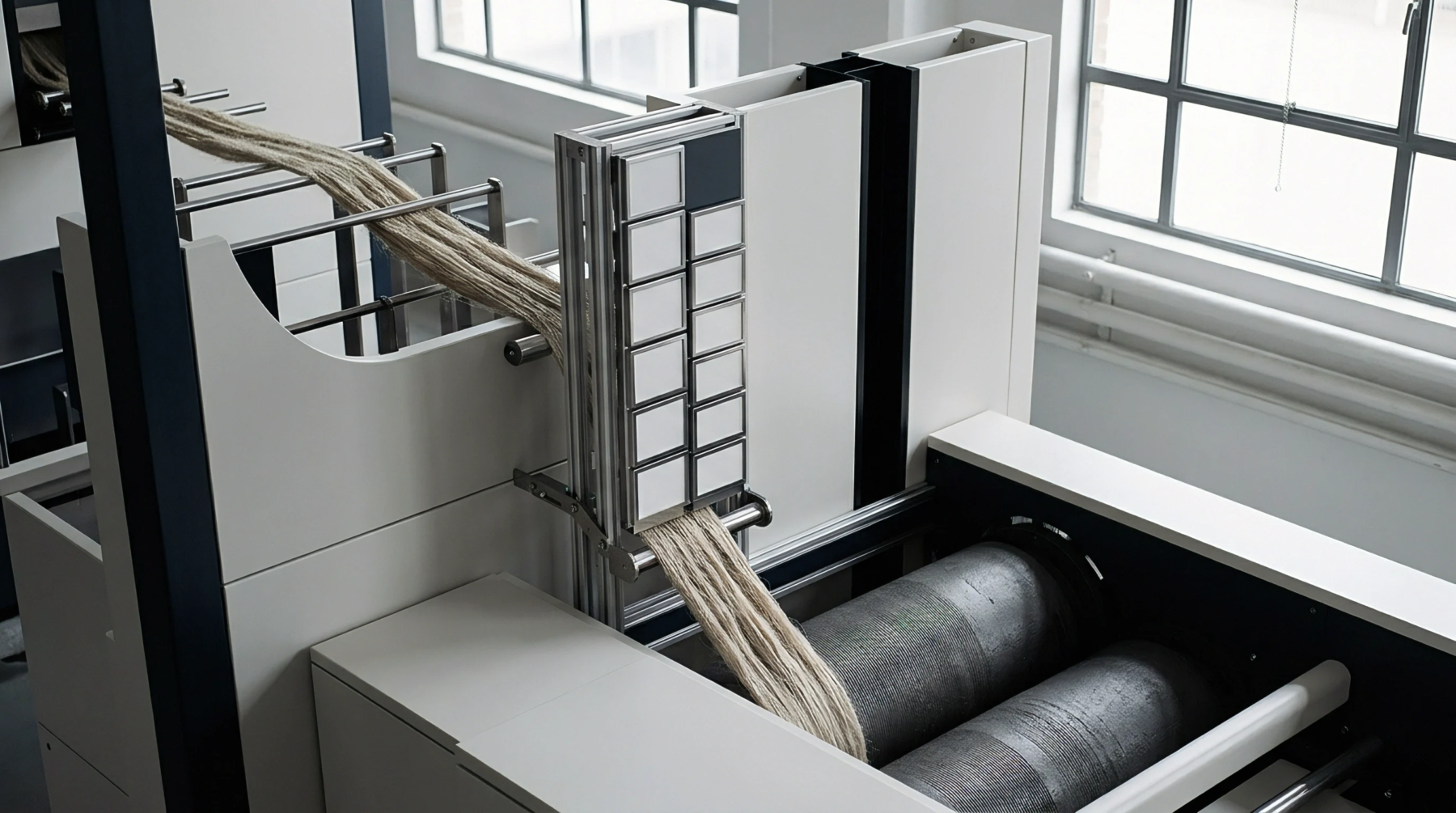
Quantifying residual pectins below 1.2% and proteins below 0.75% via spectrophotometry and combustion prevents wet-spinning end breaks and secures high-count Nm yields.

Hackling yield directly establishes net fiber input costs, where a one percent yield gain lowers landed yarn expense by over two percent per finished meter.
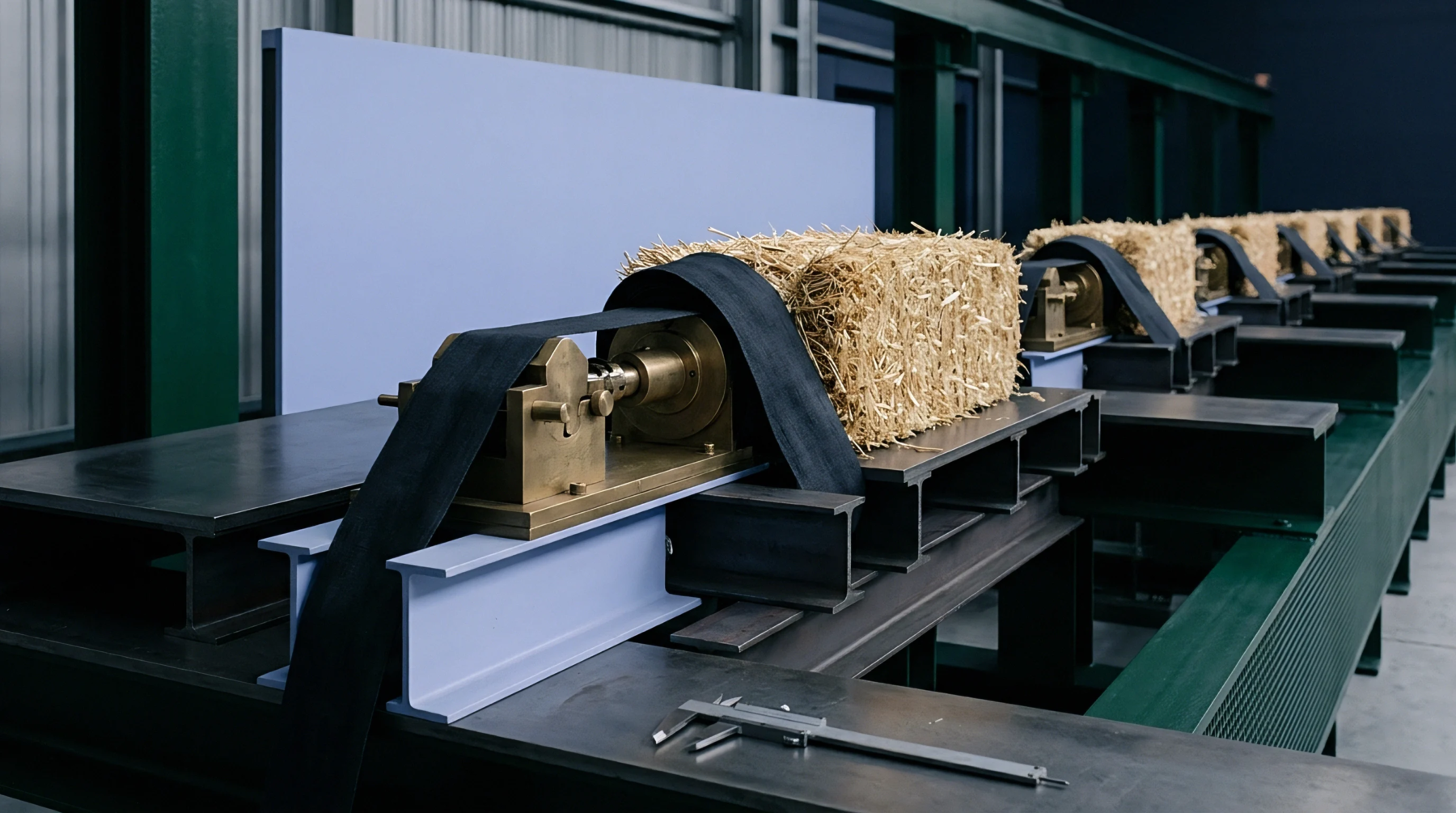
Optimizing hackling pin density and wet-spinning trough temperature stabilizes draft forces, reducing bast yarn end breakage below fifteen breaks per thousand spindle hours.
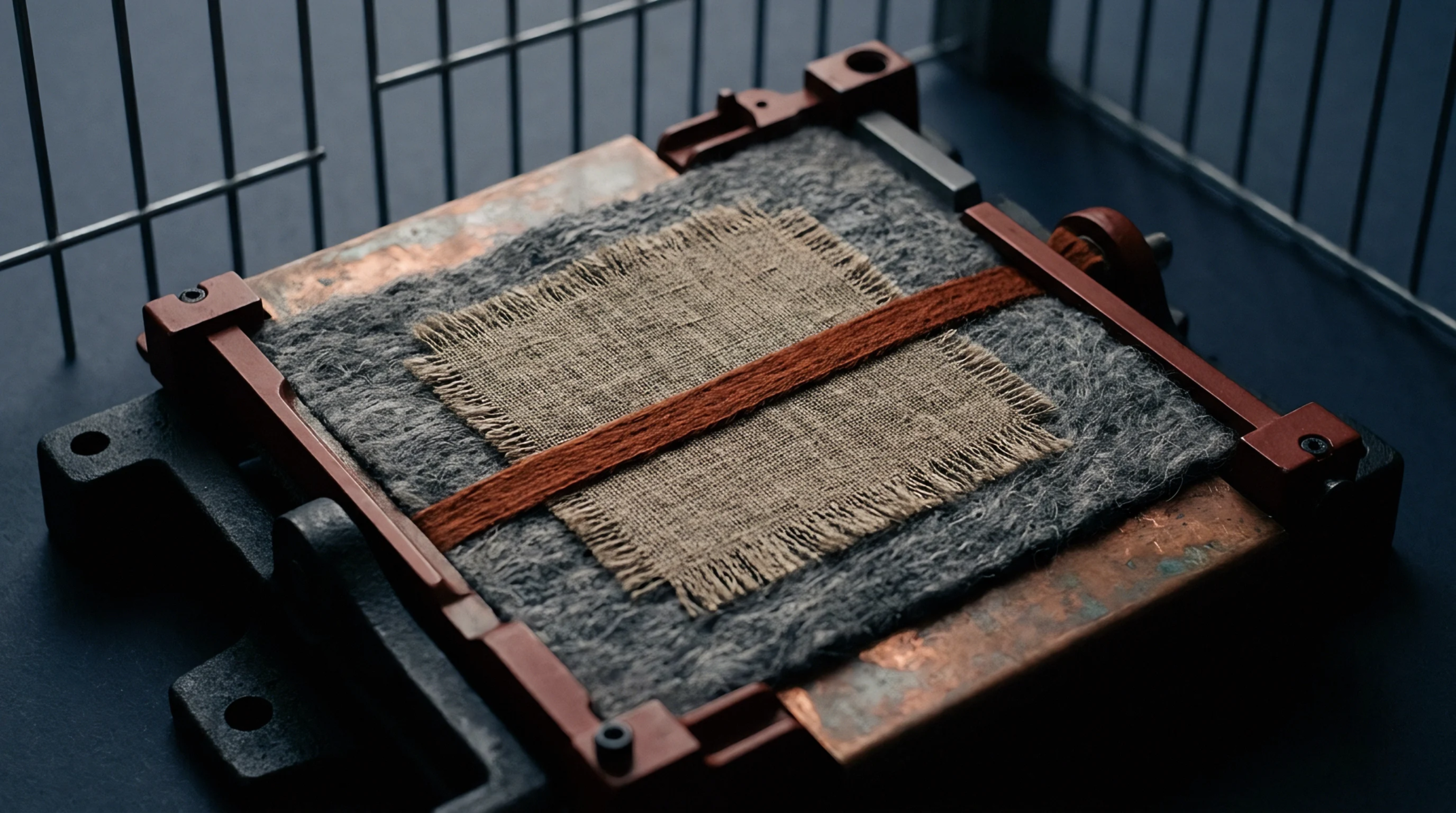
Differentiating line from tow flax in ambiguous quotes requires verifying staple length over 500 mm, shive below 3%, and hackling yields above 50% by contract.

Verifying flax scutching yield requires dry-mass normalization of input straw against output long fibre, tow, and shive fractions across batch records.

Standard moisture regain correction normalizes hackled flax linear density back to twelve percent regain, preventing draw frame drafting errors and financial overpayment.

Comb array length analysis predicts hackling long-line yield, tow waste, and spinnable count limits to establish true landed cost per finished metre.

Hot ammonium oxalate extraction isolates calcium-bound middle lamella pectins to quantify sliver spinning limits and drafting cohesion.
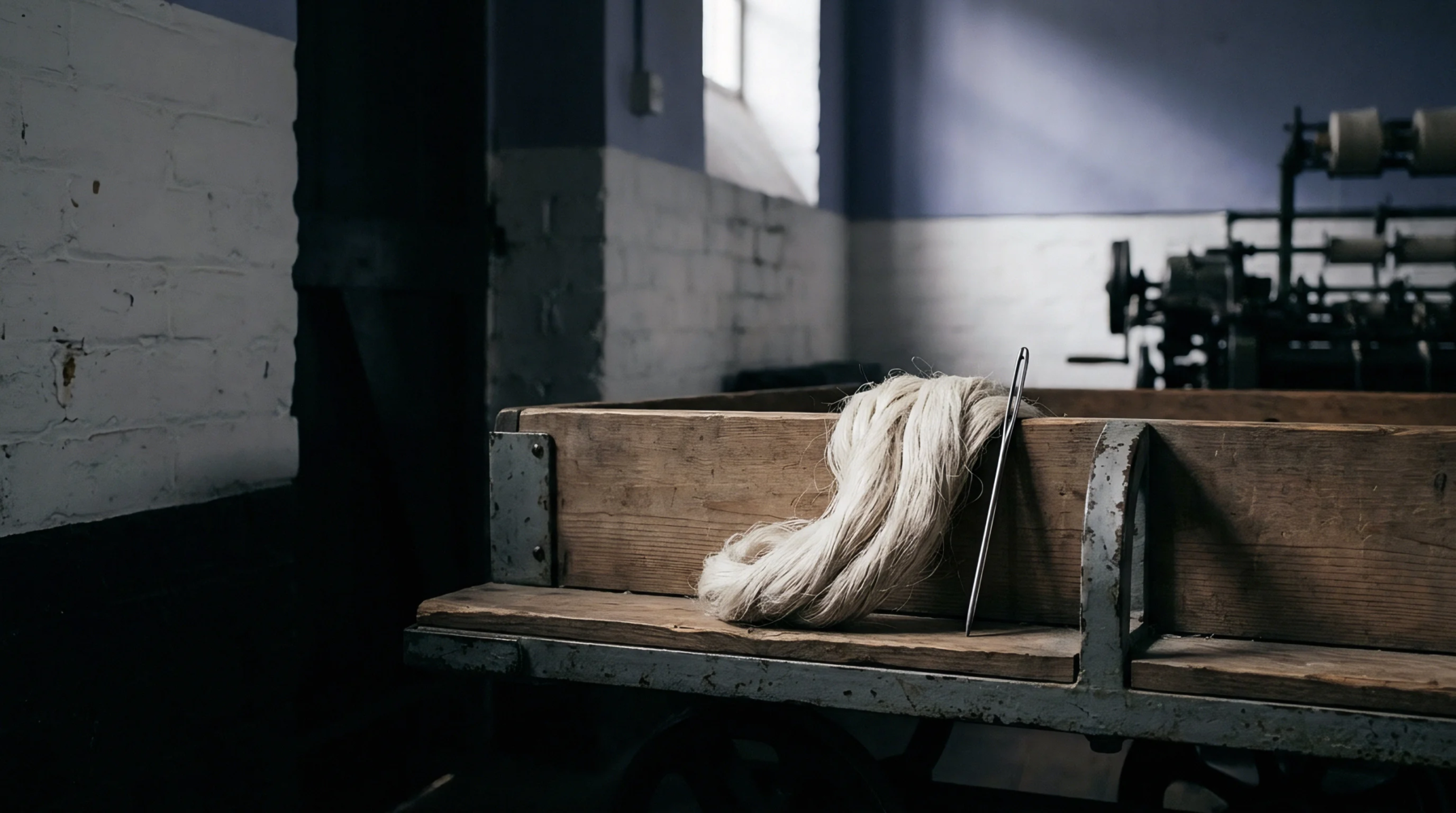
Optical microscopy of resin-embedded cross sections determines true technical flax bundle widths, separating spinnable fine line from coarse drafting defects.

Comb sorter profiling establishes staple length distribution, short fibre content, and drafting bounds to guarantee target yarn counts and fabric yield.

Air permeability testing measures specific surface area to derive bast fibre linear density, requiring precise moisture conditioning and shive removal.

Flax fibre grading determines spinnable yarn count, where hackling yield and fibre fineness dictate wet-spinning efficiency and landed cost per metre.
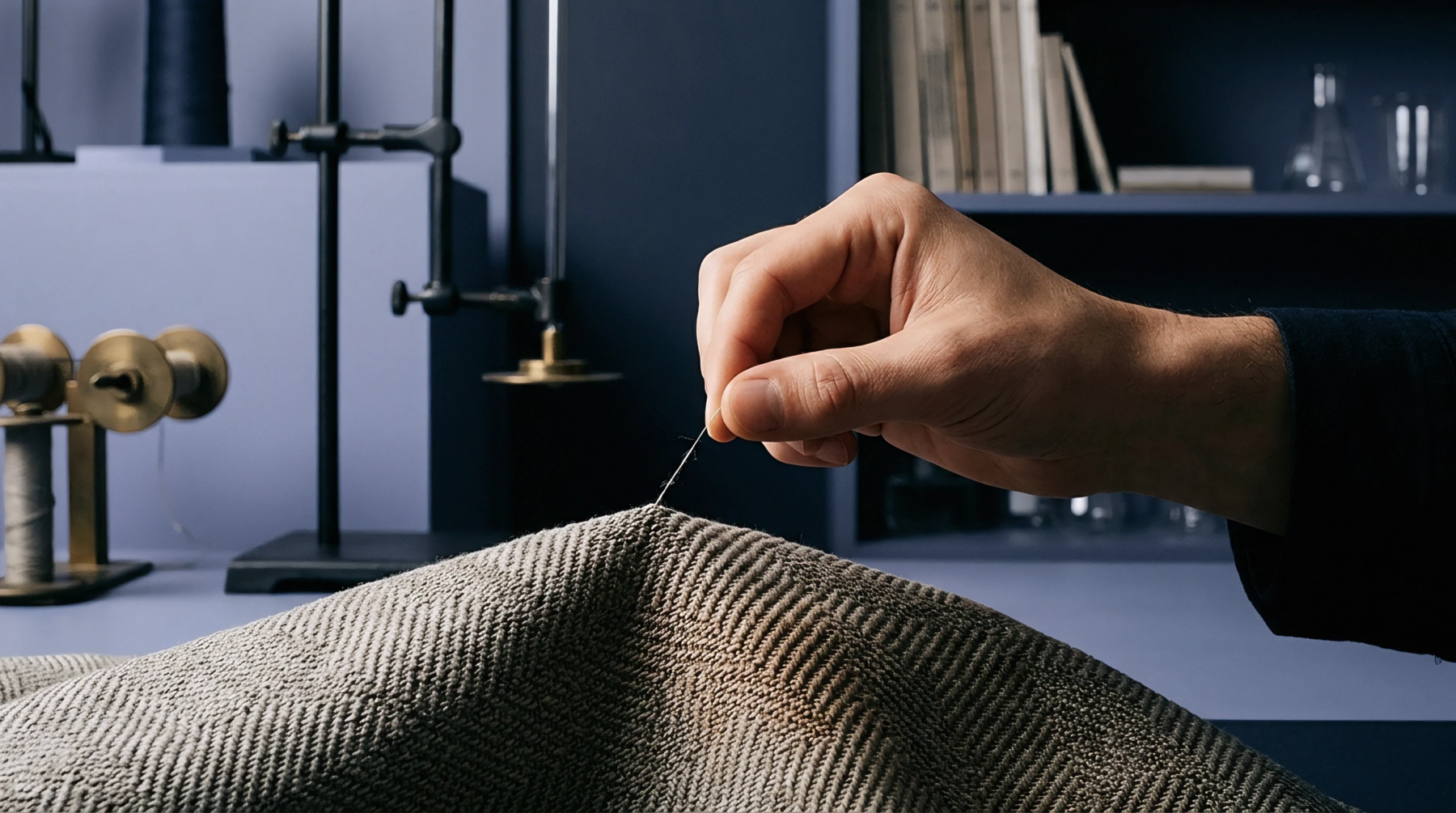
Multi-spectral optical image analysis of raw flax sliver enables real-time hackling comb adjustments, increasing long line yield by over 7 percent.
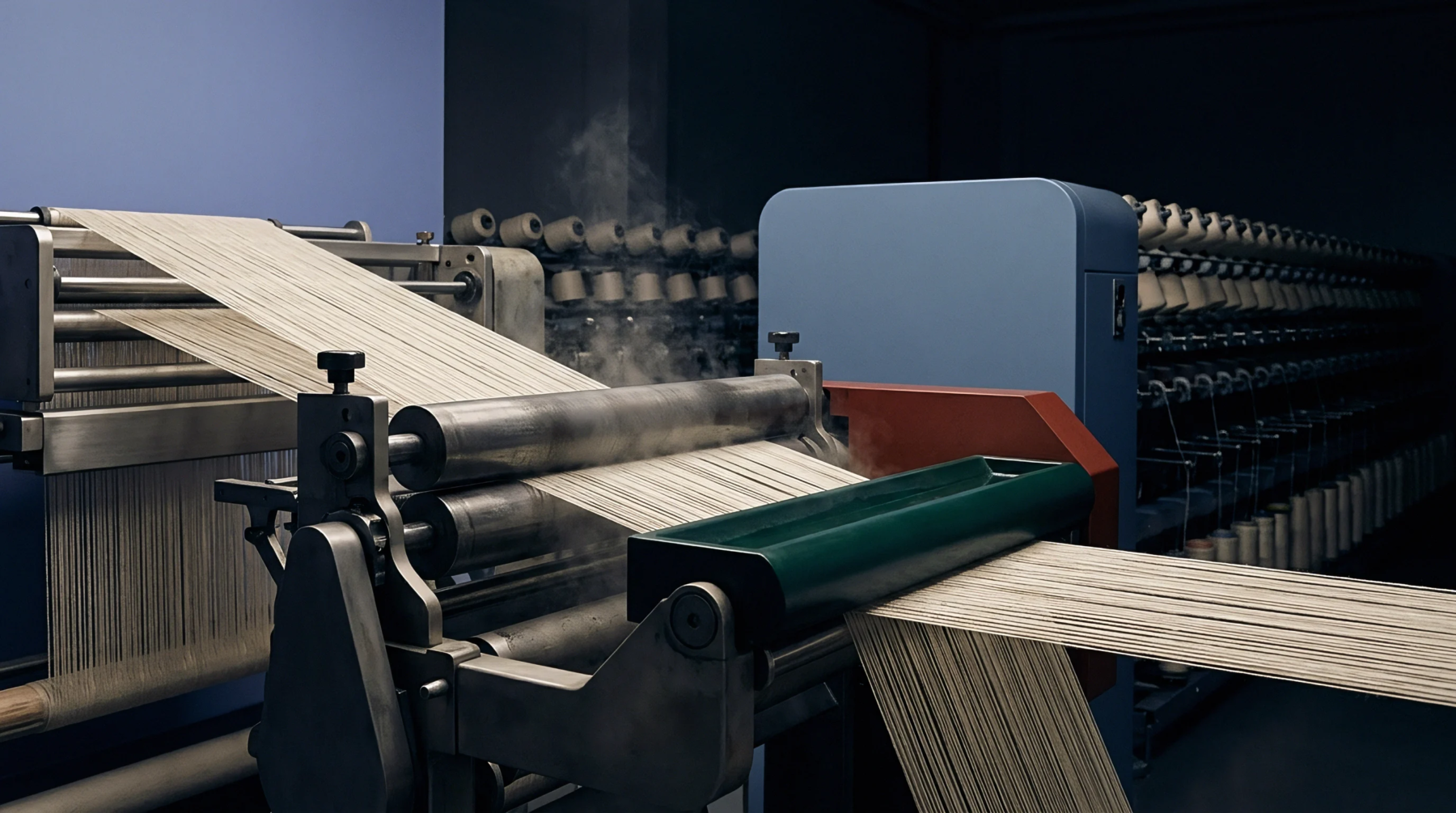
Commercial mass calculations based on ISO 6741 oven-drying protocols protect buyers from paying landed mass prices on sea-transit moisture uptake in flax.
Specify long-staple line flax and wet spinning in purchase contracts to prevent spinners from substituting short tow fibre into ambiguous metric yarn orders.
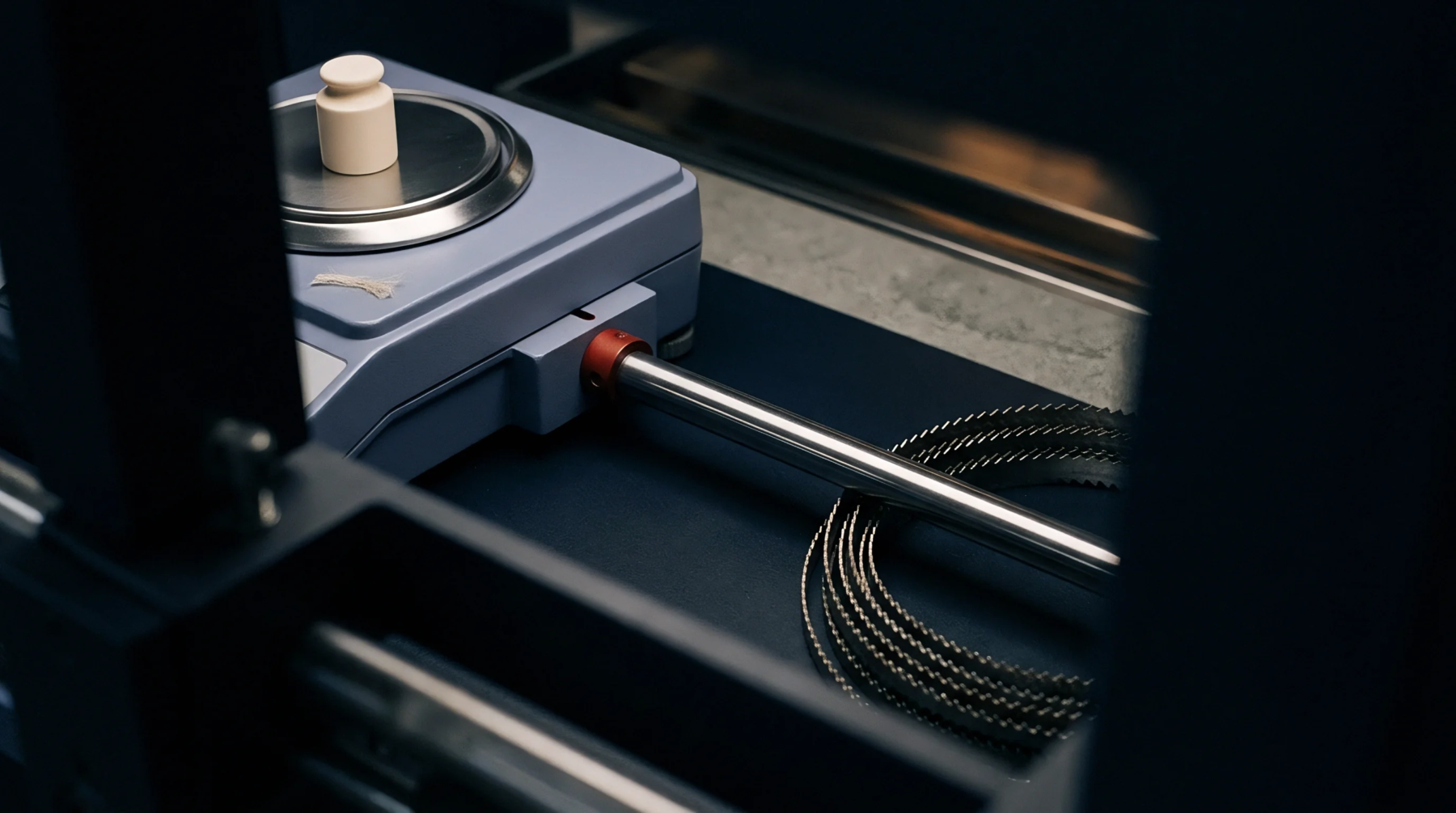
Accurate gravimetric testing of line flax linear density demands dry mass weighing and standard twelve percent regain adjustment per ISO 6741.

Standardized air permeability methods convert differential pressure across compressed flax plugs into specific surface area to predict spinnable yarn counts.

Verify flax linear density using ISO 1973 cut-and-weigh gravimetry at standard 12% regain to accurately forecast wet-spinning limits and enforce contract pricing.
Expertise is a utility, not a secret. sentiention™ publishes its working knowledge as open reference: intelligence layer covering the materials it sources, the markets it enters, and the reference that serves both.