
Generalized Maxwell Modeling for Multi Thread Dynamic Warp Strain Analysis
Generalized Maxwell Modeling quantifies speed-dependent warp tension spikes, allowing weavers to set loom parameters that minimize end breaks and starting marks.

Generalized Maxwell Modeling quantifies speed-dependent warp tension spikes, allowing weavers to set loom parameters that minimize end breaks and starting marks.
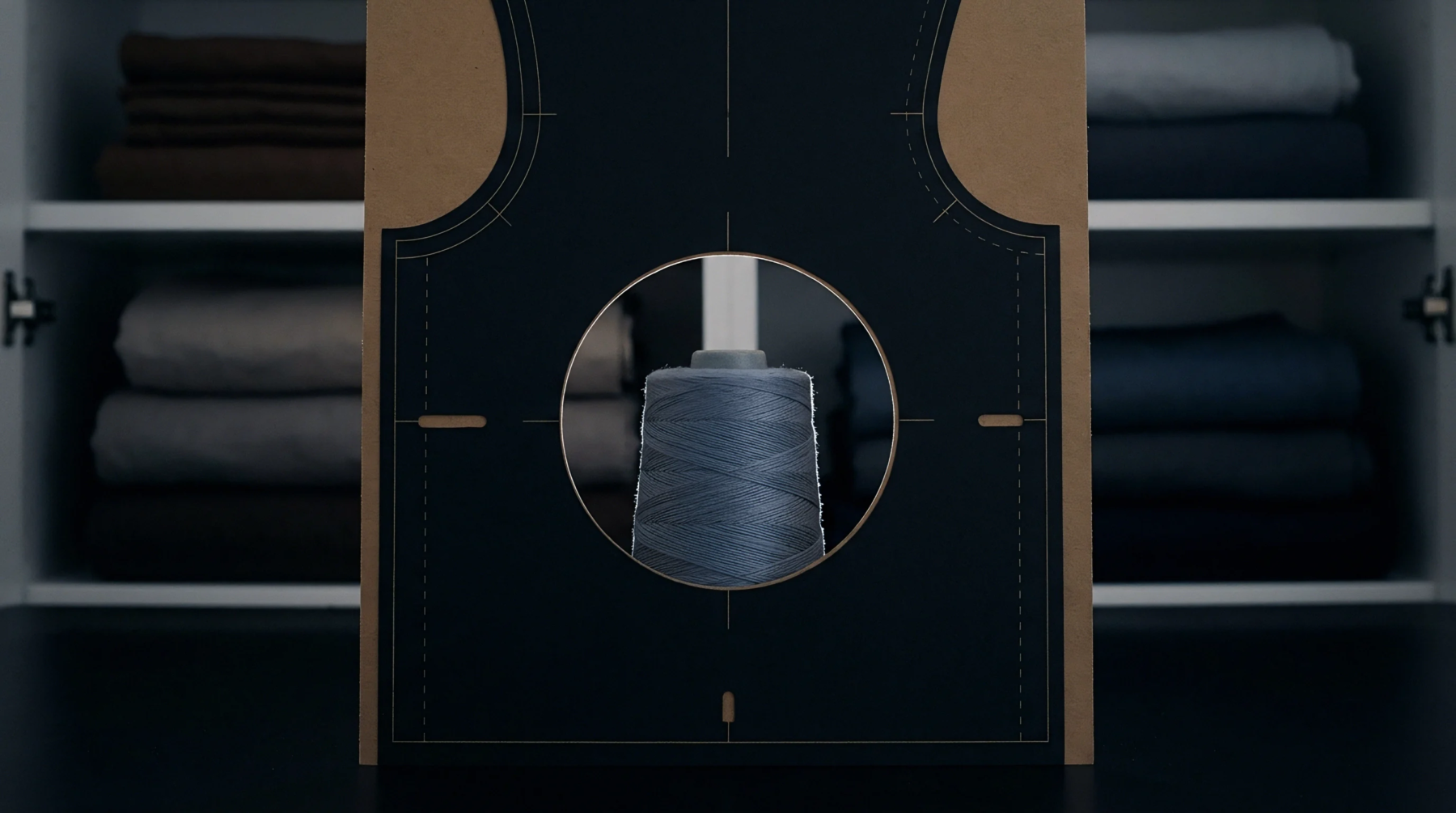
Wet spinning hackled flax roving into single yarn constitutes non-preferential substantial transformation, conferring customs origin where spinning frames operate.

Dense flax yarn stress decay stems from matrix shear along cellulose microfibrils, requiring active let-off compensation to prevent restart density defects.

Dynamic localized psychrometric control sustains viscoelastic sizing compliance on bast warps, preventing film fracture and lifting loom speeds past 500 PPM.

Tariff shift for linen requires verifying mechanical transformation at each HS heading, from raw fiber to spun yarn and woven cloth, backed by lot-level mill logs.

Micro-spectroscopic FTIR peak ratios isolate unauthorized alkaline boiling by measuring carbonyl suppression and cell wall crystallinity loss.
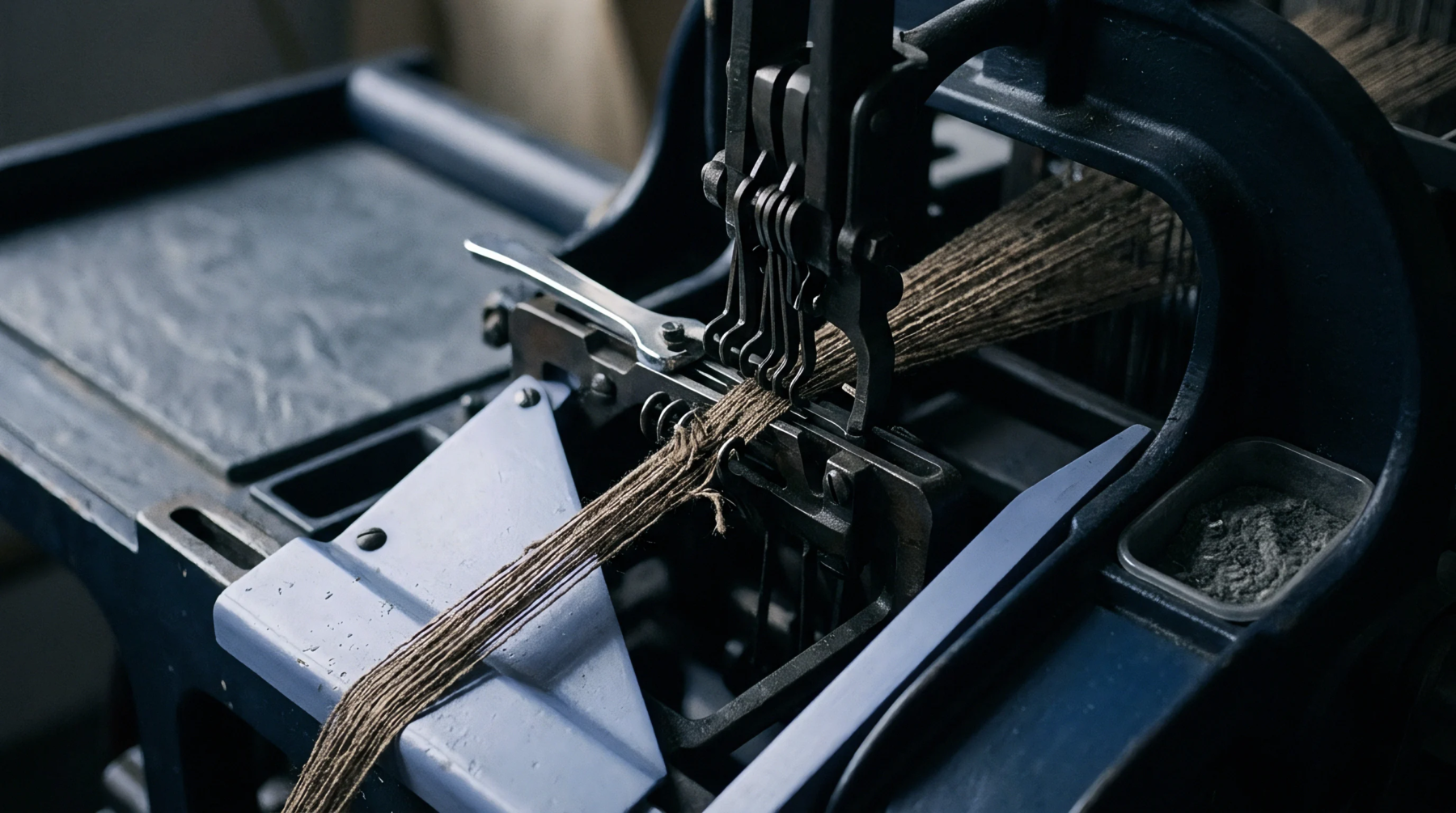
Spectroscopic residue mapping identifies non-European linen by detecting chemical degumming traces and lignin ratios that contradict European dew-retting standards.

Forensic microscopy quantifies chemical degumming residues on bast fibers via cell wall swelling ratios, stereological grid counts, and reagent micro-staining.

Core oven drying per ISO 6741 fixes official commercial mass at 12.00% regain, protecting import margins against ocean freight transit moisture gain.
Maintain warp sizing regain within target moisture bands to preserve film elasticity, prevent shed cling, and minimize break rates on high-speed looms.

Hackling yield directly establishes net fiber input costs, where a one percent yield gain lowers landed yarn expense by over two percent per finished meter.

EU and US customs diverge on cottonized and degummed bast fibers, where residual lignin cutoffs trigger reclassification from zero-duty Chapter 53 to taxed staple fiber subheadings.

Raw flax grading requires correlating technical bundle fineness and retting pectin decay with hackling yields to establish wet spinning count limits.

Maintaining residual pectin between 0.8% and 1.4% prevents roving draft collapse while enabling fibre attenuation in wet-spinning ultra-fine linen yarns.
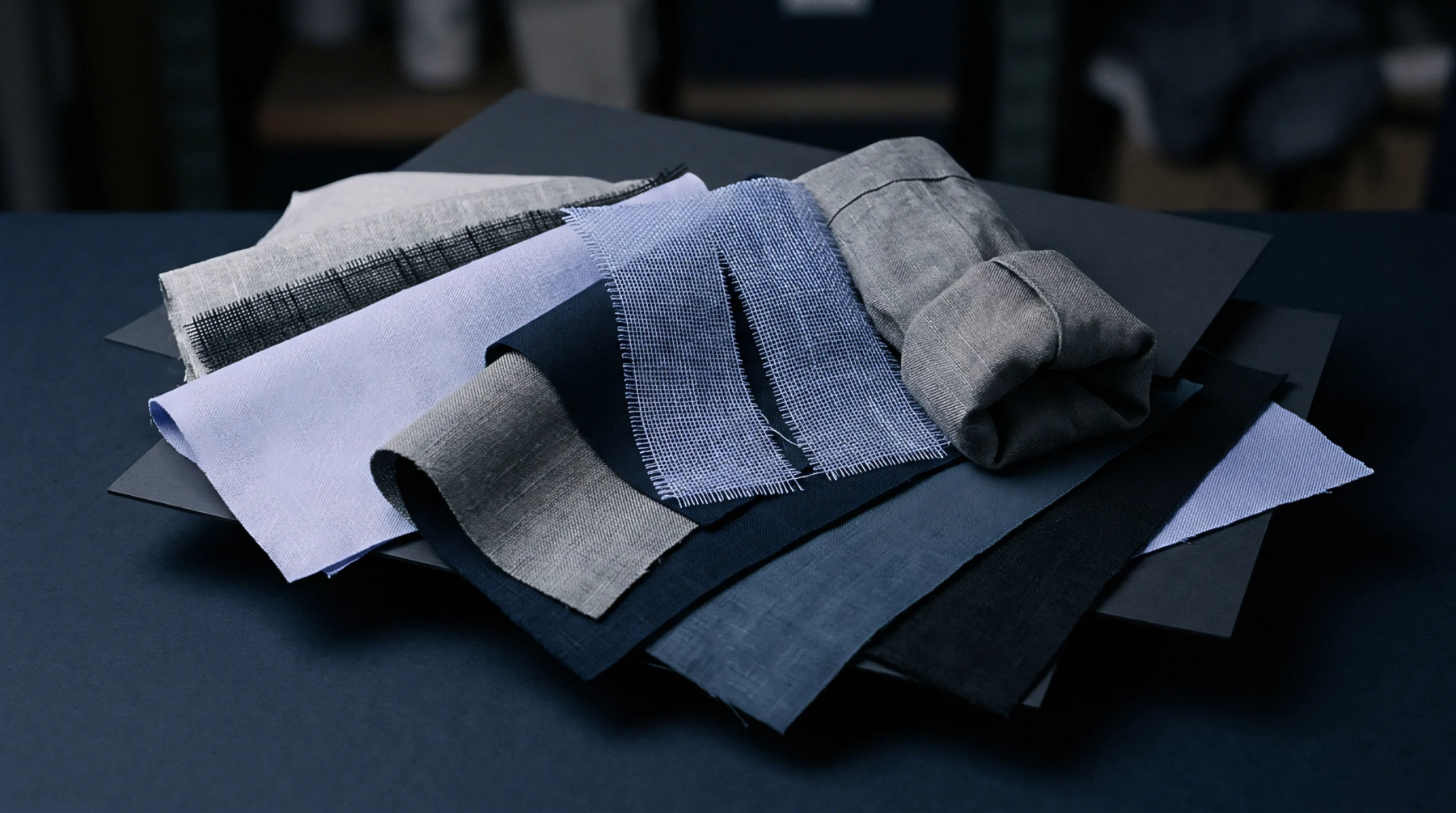
Establishing a minimum 0.45 core-to-sheath spectroscopic absorbance ratio prevents high-density Jacquard linen sizing penetration failure and loom downtime.

Chemical degumming reduces hemp Klason lignin below 1.5 percent and dtex below 2.5, triggering HS 5302.90 tariff reclassification and trade remedy duties.

Distinguish splice rupture from size film failure by inspecting fiber tail slip length versus parent yarn twist retention under optical magnification.

Classification of raw dew retted flax straw relies on stalk morphology, moisture limits, and chemical pectin degradation to predict mechanical scutching yields.
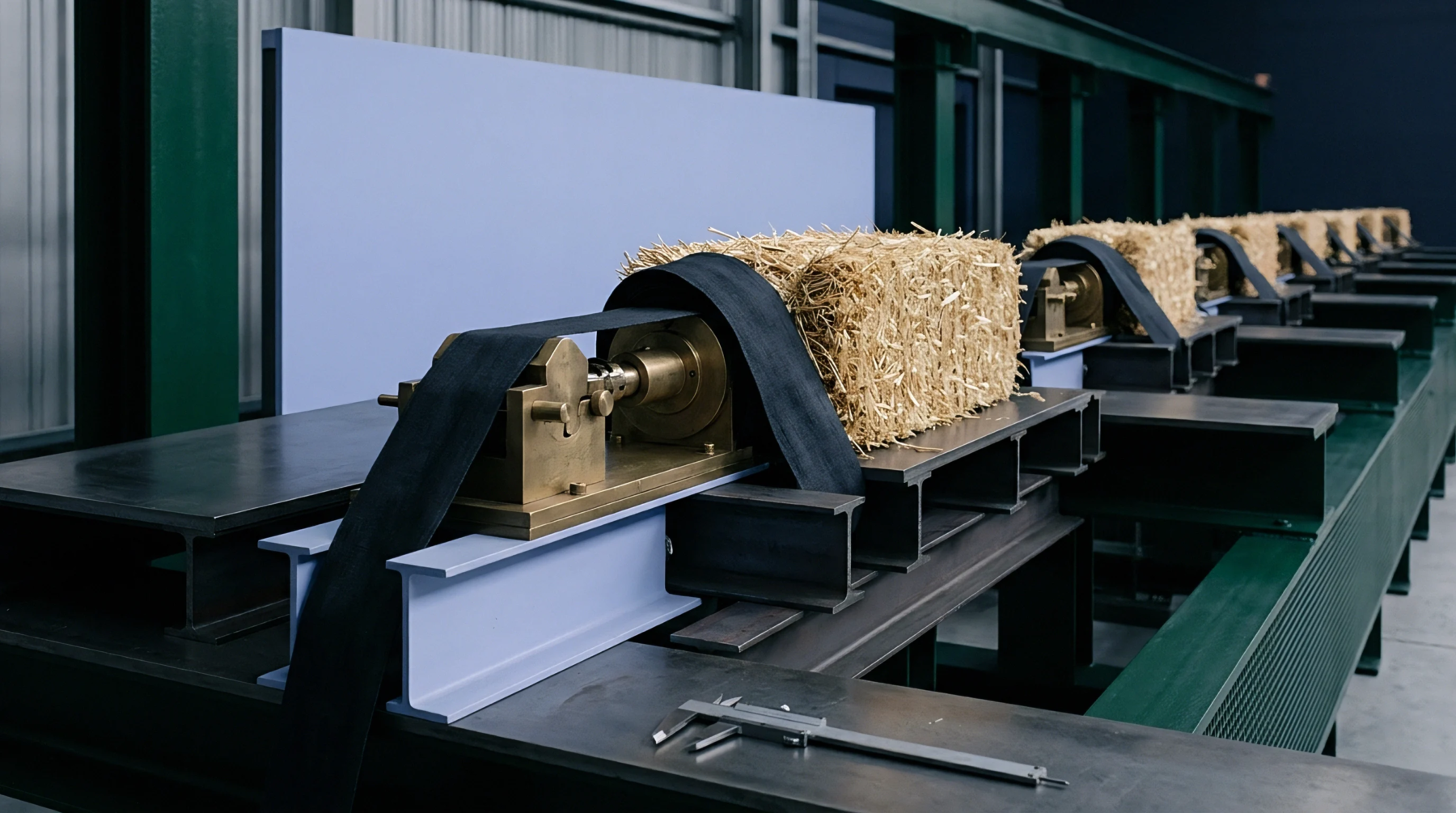
Optimizing hackling pin density and wet-spinning trough temperature stabilizes draft forces, reducing bast yarn end breakage below fifteen breaks per thousand spindle hours.

Warp yarn failure on air-jet looms stems from pneumatic twist disruption and drop-wire abrasion, requiring high-speed tensile screening to protect shed hours.

Trough water hardness suppresses enzymatic pectin hydrolysis, altering dry fiber mass loss and requiring calcium-calibrated true-up calculations.

Reconciling yarn commercial weight requires subtracting extracted chemical finish mass from oven-dry weight before applying standard moisture regain factors.

Polyvinyl alcohol sizing on fine linen warps must maintain elastic strain capacity above dynamic shedding peak strain to prevent brittle coating breakdown.

Optimizing PVA starch sizing rheology suppresses micro-fibrillar friction spikes on fine wet spun flax warps, preventing clingage and raising loom efficiency.

Cross border flax roving settlements adjust gross package mass to bone dry fiber weight using standardized oven desiccation and contractual regain factors.

Optimize high-density linen warping via low-drag ceramic creels, 7-degree drum cones, 10% PVA-starch add-on, and 8-tier splitting to keep loom stops below 1.5.

Real-time sensor-integrated scutching clearance adjustment boosts long flax fibre yield by up to 3.4% while preserving microfibrillar tensile tenacity.
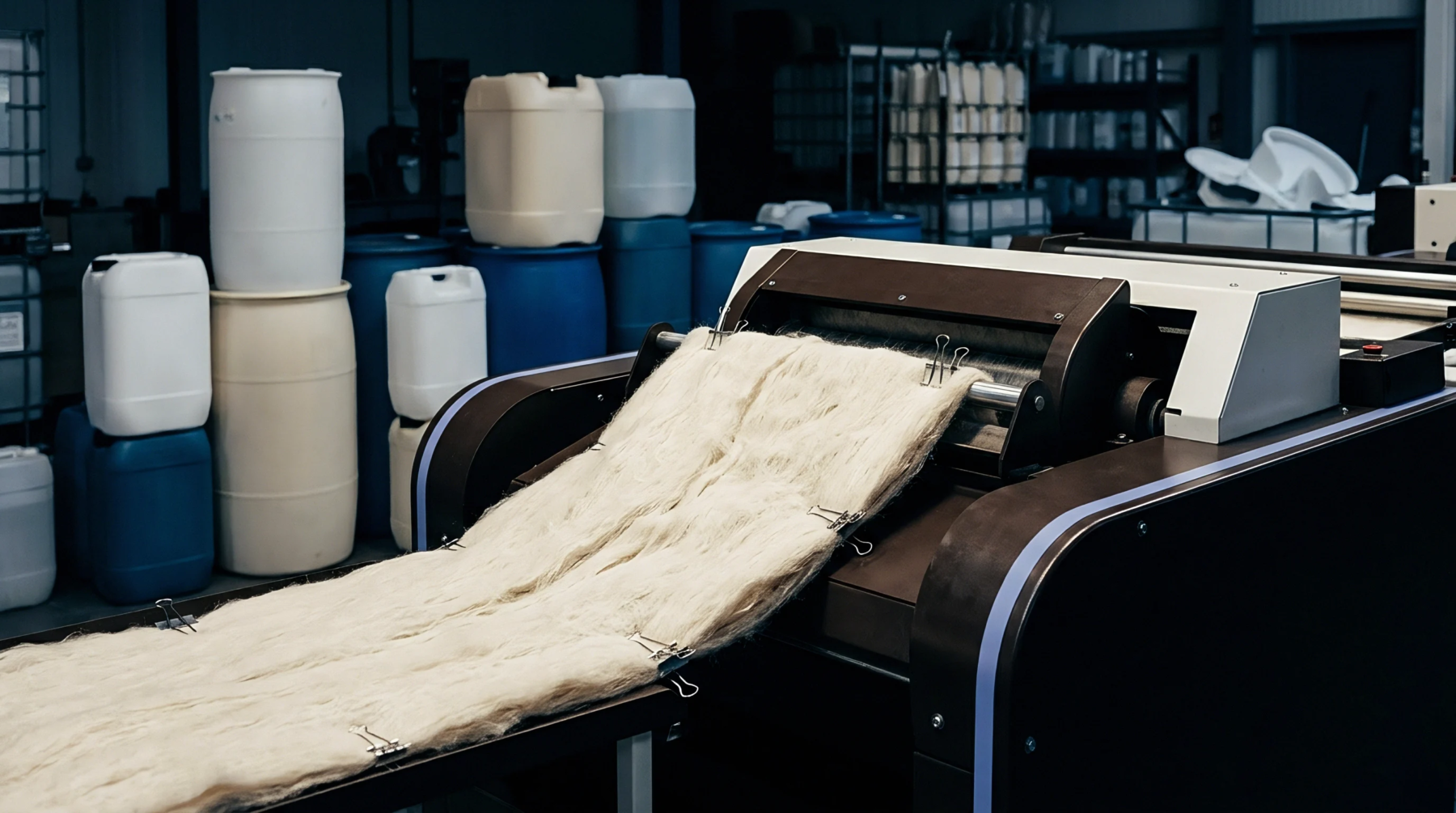
High-density flax weaving contracts require Ashcroft queueing models to adjust loom-hour rates for non-linear machine interference losses.

Core sampling imported bast fibre bales for ISO 6741 oven-dry mass adjustments corrects valuation entries and prevents duty overpayment on water weight.

Flax loom allocation optimization balances yarn hairiness, reed width, and weaver loads across rapier machines to minimize shift changeover costs and late delivery penalties.
Expertise is a utility, not a secret. sentiention™ publishes its working knowledge as open reference: intelligence layer covering the materials it sources, the markets it enters, and the reference that serves both.