Impact of Pectin Removal on Hackling Yield and Line Fineness
Controlled pectin removal enables clean bundle cleavage, elevating metric fibre fineness above Nm 2000 while maintaining long line yield above 60 percent.


Comb
Mechanical separation of scutched flax during hackling depends directly on cohesion within technical fibre bundles. Bast ribbons arrive at the hackling room as composite bundles, where individual elementary cells remain bound by an intercellular matrix. Pectins form the primary cement in this middle lamella, running between primary cell walls as a branched polysaccharide network rich in homogalacturonans and rhamnogalacturonans cross-linked by calcium ions.

Middle Lamella Binding Mechanics
Primary cell walls of flax elementary fibres contain organized cellulose microfibrils embedded in a hemicellulose and pectin matrix. The middle lamella joining adjacent cells contains no cellulose, relying entirely on calcium pectate complexes to maintain structural integrity under mechanical tension. High concentrations of un-hydrolyzed pectin create stiff, thick bundle architectures measuring between 150 and 300 micrometres in equivalent diameter.
Steel needles on the hackling bed penetrate these composite structures during processing, encountering physical resistance dictated by the shear modulus of the pectin matrix.
A bast ribbon retaining high calcium pectate concentrations resists mechanical pin division, converting primary technical line fibre into short waste.
When pectin molecules remain intact, mechanical forces from the comb pins fail to cleave the middle lamella cleanly along intercellular boundaries. High shear resistance forces pins to route around whole bundle clusters or slice through primary cellulose walls. Transverse cell cleavage snaps long ultimate fibres along their length, reducing the mean staple length of the long line output and driving usable mass into the hackling tow collection box beneath the machine.

Pin Shear and Structural Resistance
Hackling beds execute a controlled combing sequence, driving pinned bars through suspended flax stricks at velocities exceeding two metres per second. Pin density escalates from coarse pitch down to fine pin spacing. Resistance generated at the pin interface converts mechanical energy into frictional heat and tensile strain along the fibre axis, which stiff pectin matrices transmit unevenly across the bundle cross-section.
High local cohesion prevents individual bundle filaments from sliding past one another during pin impact. Concentrated stress points form where pins strike un-cleaved middle lamellae, triggering catastrophic bundle fracture instead of longitudinal splitting. Bales entering the mill with high residual pectin contents exhibit high pin breakage rates, elevated electrical loads on driving motors, and immediate drops in long line yield.
Operating hackling equipment on heavily pectin-bound fibre accelerates pin wear while reducing line extraction efficiency. Scutched flax lots processed under inadequate pectin degradation yield line bundles that retain coarse diameters, directly restricting downstream drafting capacity in the spinning mill.

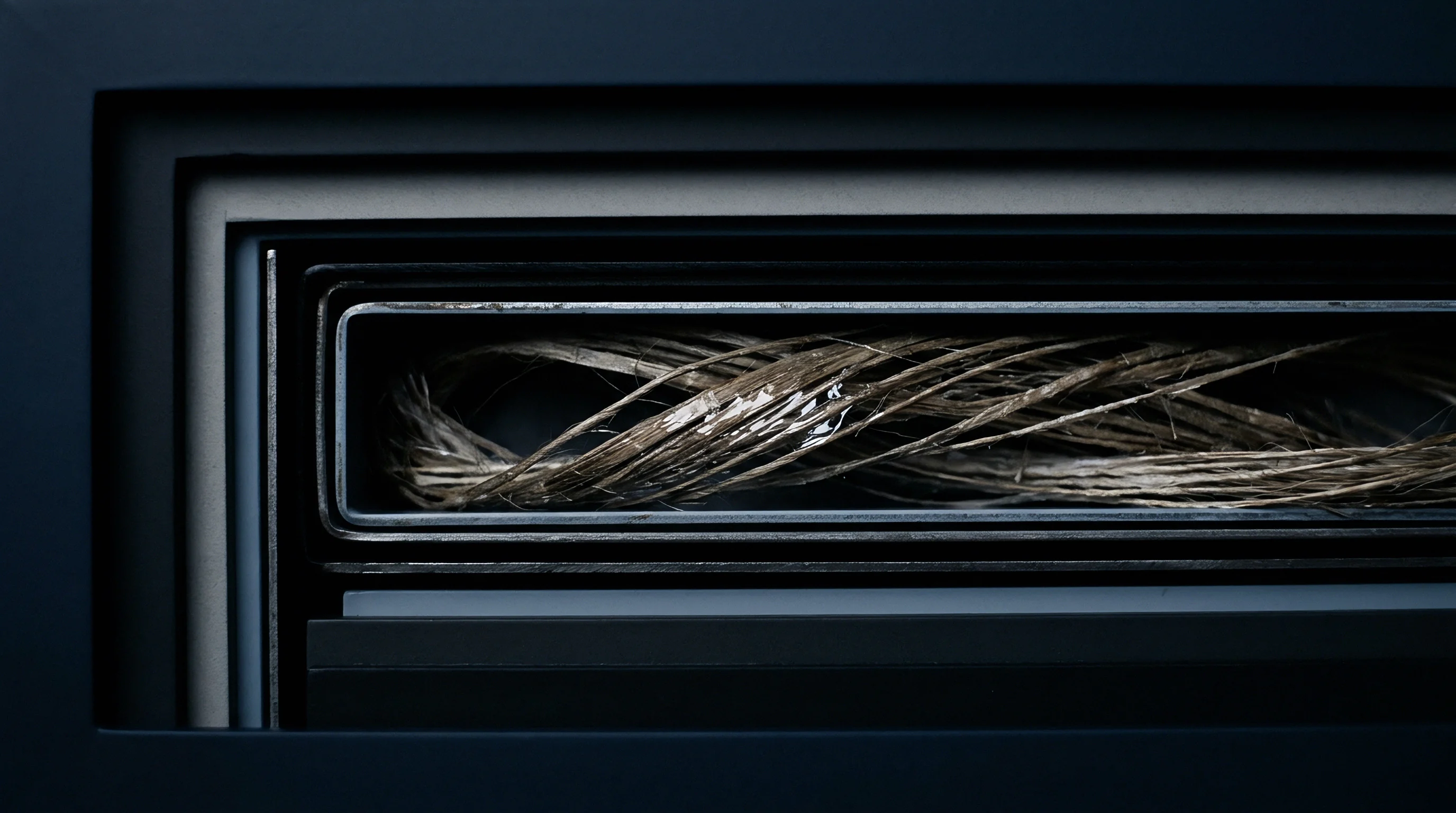
Enzyme
Biochemical extraction of bast polysaccharides alters the structural density of flax bundles before mechanical processing begins. Water retting and controlled dew retting rely on wild fungal and bacterial populations to secrete enzymes that hydrolyze the middle lamella. Modern high-consistency sourcing utilizes industrial enzyme formulations to achieve targeted pectin removal without destroying primary cell structures.

Polygalacturonase Extraction Parameters
Industrial liquor preparations deploy endo-polygalacturonase and pectin lyase to cleave the alpha-1,4-glycosidic linkages in homogalacturonan backbone chains. Treatment baths maintained at 45 to 55 degrees Celsius with a pH buffered between 4.5 and 5.5 maximize enzymatic cleavage rates. Solubilization removes water-soluble calcium pectates, washing them out of the intercellular spaces within 120 minutes of liquor exposure.
Removing homogalacturonan branches relaxes the rigid intercellular network, lowering the transverse shear strength of the middle lamella while leaving structural hemicellulose and crystalline cellulose fibrils intact. Over-retting occurs when enzyme exposure continues past pectin exhaustion, allowing secondary cellulase impurities or aggressive hemicellulases to attack the primary cell wall itself and degrade ultimate fibre tenacity.

Does Targeted Pectin Extraction Impair Wet Tensile Strength?
Controlled removal of intercellular pectins preserves the intrinsic strength of individual elementary cell walls while lowering bundle cohesion. Single elementary fibres retain tensile tenacities between 50 and 80 centinewtons per tex, provided the cellulase activity in the treatment liquor remains below 0.05 units per millilitre. Lowering bundle cohesion without reducing ultimate cell wall tenacity allows hackling pins to separate technical fibres cleanly without snapping internal cellulose chains.
Degradation during chemical or biological processing manifests through distinct structural defects on the fibre surface, as detailed in the following operational parameters:
- Excessive Cellulase Contamination weakens primary cell walls, causing localized fibrillar collapse that lowers elementary fibre tenacity below 35 centinewtons per tex.
- Incomplete Pectin Hydrolysis leaves residual calcium pectate pockets, generating stiff bundle clusters that resist mechanical combing and increase tow generation.
- Inadequate Liquor Rinsing permits re-deposition of solubilized sugars onto fibre surfaces, increasing dynamic friction during drawing and causing draft waves in roving.
- Thermal Over-Exposure above 65 degrees Celsius denatures enzyme proteins prematurely, halting pectin extraction and producing severe lot-to-lot fineness variation.
Variable weather during field dew-retting causes environmental humidity shifts that make uniform pectin breakdown difficult across a harvested crop, frequently driving up hackling tow yields.


Cleavage
Longitudinal division of technical flax bundles determines the final linear density of hackled sliver. Cleavage occurs when mechanical comb pins penetrate pectin-depleted middle lamellae, splitting thick composite strands into thinner sub-bundles. The extent of bundle division governs the metric fibre number achievable prior to drawing and roving.

Metric Fibre Number and Splitting Kinetics
Fibre fineness in bast textiles is expressed as the metric fibre number, representing the length in metres provided by one gram of fibre mass. Coarse scutched flax enters the hackling line at values between Nm 400 and Nm 800. Effective pectin removal allows hackling pins to split these coarse composites into fine line bundles reaching Nm 1800 to Nm 2600.
As residual pectin content drops from 4.5 percent to under 1.2 percent by weight, the energy required to split a technical bundle decreases proportionally. Hackling pins drive along lines of lowest mechanical resistance, which coincide precisely with the pectin-depleted middle lamella interfaces. Fine sub-bundles produced through uniform cleavage exhibit cylindrical cross-sections containing between 5 and 15 elementary ultimate cells.
Enzymatic pectin extraction reducing residual galacturonic acid below 0.8 percent by weight elevates the metric fibre number from Nm 1200 to Nm 2100 under standard lab conditions.
Measuring the progression of bundle splitting requires physical laboratory testing under controlled environmental conditions. Standard gravimetric methods measure bundle linear density and staple distribution after combing.

Fibre Fineness Measurement Protocols
Testing accordance with ISO 2370 mandates conditioning samples at 20 degrees Celsius and 65 percent relative humidity before gravimetric fineness determination. Bundles are cut to uniform lengths, counted under optical magnification, and weighed on micro-analytical balances to establish direct linear density in tex and metric fibre number in Nm.
| Retting Method | Residual Pectin Content (%) | Linear Density (tex) | Metric Fibre Number (Nm) | Bundle Tenacity (cN/tex) | Hackling Split Ratio |
|---|---|---|---|---|---|
| 5.20 | 1.85 | 540 | 48.2 | 1.25 | |
| 3.10 | 0.92 | 1087 | 52.6 | 2.10 | |
| 0.75 | 0.42 | 2380 | 51.1 | 3.85 | |
| 0.30 | 0.35 | 2857 | 28.4 | 4.10 |
Data recorded across extraction tiers reveals that reducing residual pectin below 1.0 percent dramatically increases metric fineness, but completely stripping pectin with aggressive caustic treatments collapses bundle tenacity. The analytical question remains whether non-enzymatic, high-pressure steam extraction can achieve equivalent bundle cleavage without generating high effluent volumes in industrial pretreatment plants.


Tow
Combing scutched flax generates two distinct physical fractions at the hackling frame output: long line fibre and hackling tow. Long line consists of continuous, parallelized bundles retained in the machine grips throughout the hackling cycle. Hackling tow consists of shorter, tangled, or broken fibres combed out by the pin beds.
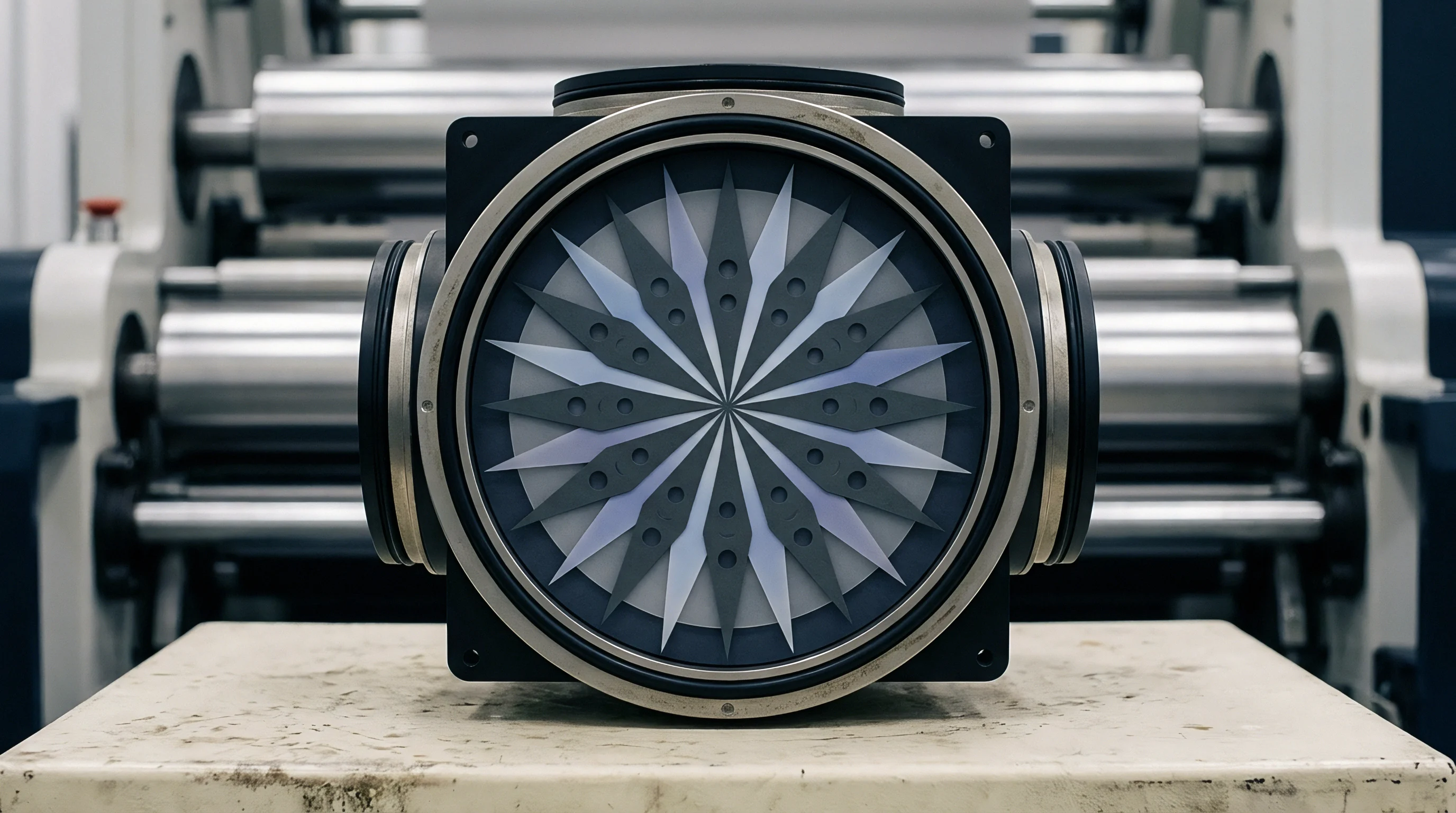
Hackling Room Pin Density Progression
Combing equipment utilizes automated field transfers that pass stricks through a series of pinned bars with continuously increasing pin density. Pin spacing shrinks while pin diameter thins, applying progressively finer mechanical division to the travelling flax stricks.
- Initial entry tools utilize coarse steel pins spaced at 2 pins per centimetre to straighten tangled strick ends and remove attached shive particles.
- Intermediate combing beds deploy 6 to 10 pins per centimetre to initiate primary cleavage along major middle lamella channels.
- Advanced combing positions utilize 14 to 18 pins per centimetre, penetrating sub-bundles to divide secondary composite strands.
- Final finishing heads apply ultra-fine beds with up to 24 pins per centimetre, establishing maximum line fineness and combing out loose short fibres.
When pectin breakdown is balanced across strick length, fine pins pass through middle lamellae without tearing main bundle axes. If pectin removal is non-uniform, fine pins snag high-cohesion regions, ripping entire fibre sections out of the machine clamps and depositing them into the tow pit.

Quantitative Split between Line and Short Waste
Hackling yield measures the percentage of scutched flax mass converted into parallel long line sliver. Standard industrial dew-retted flax typically yields between 55 and 62 percent long line, with remaining mass allocated to hackling tow and dust waste. Over-retted material with weakened primary cell walls suffers severe fibre breakage under fine pin beds, dropping long line yield below 45 percent.
ISO 2370 compliance dictates that line yield calculations exclude hackling tow fragments measuring under 150 millimetres in staple length.
Optimized pectin extraction minimizes tow generation while maximizing metric fibre fineness. Removing pectins uniformly allows fine pin density beds to achieve high bundle division without causing transverse fibre breakage.
Standard delivery contracts incorporate fixed yield thresholds that directly adjust the final invoice price based on measured hackling output percentages.


Count
Spinning fine linen yarns demands high metric fibre numbers in the prepared line sliver. Line fineness dictates the minimum number of individual fibres required in a yarn cross-section to maintain stable strand geometry during drafting and twisting. Fine, well-cleaved fibres enable the production of light, high-value yarns without elevated end-breakage rates.

Wet Spinning Draft Dynamics
Wet spinning frames process treated flax roving by passing it through a hot water bath maintained between 60 and 70 degrees Celsius immediately prior to drafting. Hot water softens residual pectins and hemicelluloses remaining inside the line sub-bundles. Softening allows ultimate elementary cells to slip past one another under draft roller tension, extending the strand smoothly without generating thick-and-thin defect sequences.
Fine line bundles with high metric fibre numbers (Nm > 2000) present small equivalent diameters, allowing tight roller nip settings. Spreads in fibre alignment drop, permitting draft ratios exceeding 18 to 1. Fine bundle structures require fewer total turns per metre to secure structural cohesion, raising frame output speeds on the spinning floor.
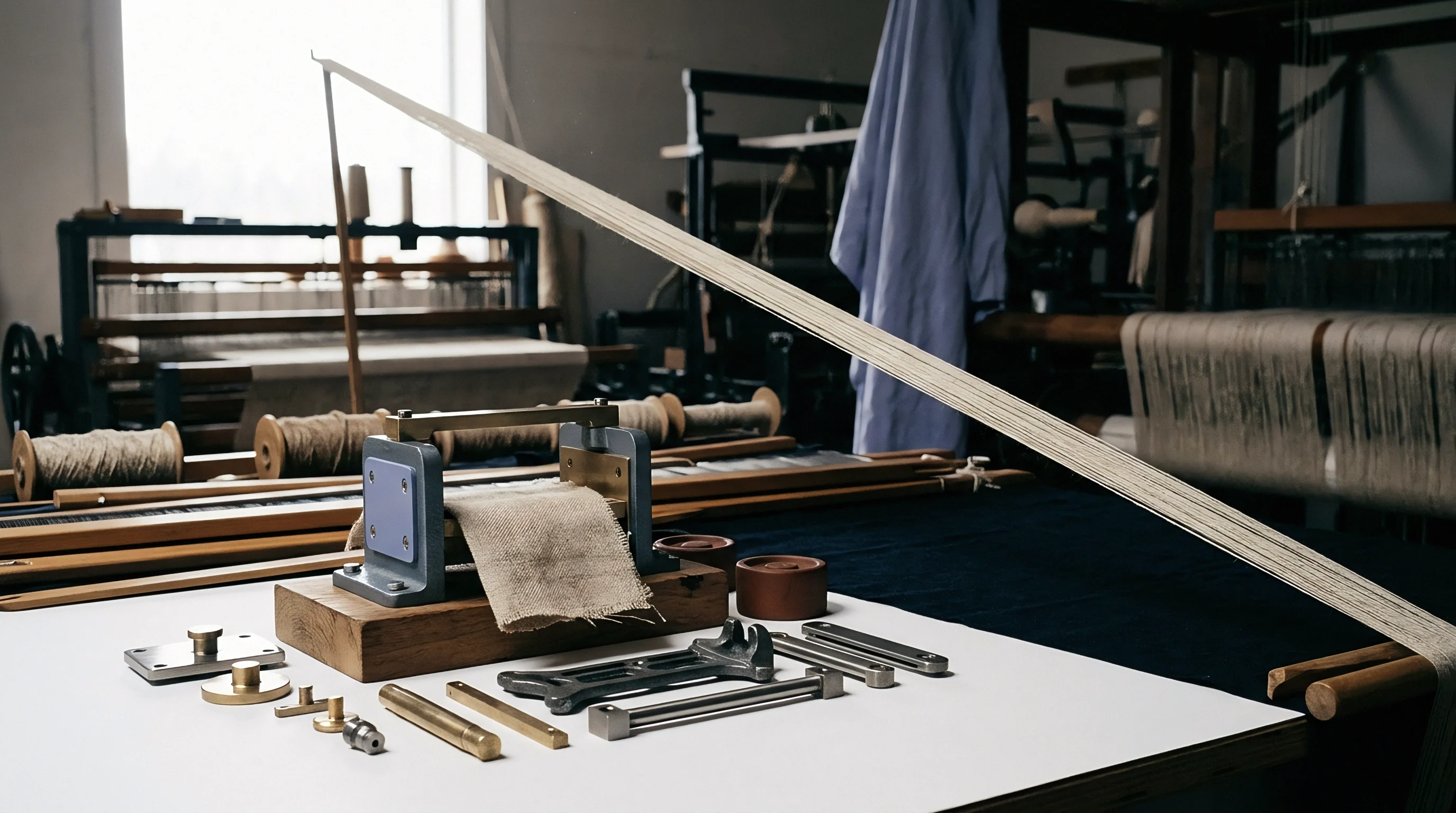
Inter-Fibre Friction in Hot Water Baths
Removing middle lamella pectins lowers static dry friction between bundles while increasing dynamic wet friction predictability. When pectin residue is too high, hot water fails to fully plasticize the stiff bundle cores, causing bundle groups to draft as rigid blocks. Rigid drafting creates heavy yarn slubs followed by ultra-thin sections where the strand breaks under spindle tension.
Assessing whether a fibre lot possesses the structural characteristics needed for fine-count wet spinning requires systematic evaluation at bale opening:
- Metric Fibre Number Verification confirms the raw line sliver exceeds Nm 1800 via gravimetric balance testing before roving frame allocation.
- Residual Pectin Content Analysis ensures galacturonic acid levels sit between 0.6 and 1.2 percent by weight, ensuring adequate wet drafting plasticity.
- Staple Length Spread Determination verifies that over 80 percent of line strands measure above 250 millimetres, preventing floating fibre draft breaks.
- Bundle Tenacity Screening establishes that dry bundle strength exceeds 45 centinewtons per tex, preventing strand snaps in the drafting trough.
Fibre lots meeting these parameters permit reliable spinning at high counts without requiring operator interventions. Excessively degummed stock drafts unpredictably, slipping in the roller nip and causing severe strand mass variance.
Line slivers exhibiting uniform pectin degradation spin smoothly to fine lea limits, whereas un-cleaved coarse stock limits frame production to heavy coarse yarns.


Margin
Commercial viability in linen manufacturing relies on balancing upstream fibre processing costs against downstream yarn value. Pectin removal procedures incur direct chemical, thermal, and mechanical expenses during pretreatment or retting. These expenses must be offset by improvements in hackling yield and the ability to spin fine yarn counts that command high prices per kilo.

Landed Cost Arithmetic per Metre
Raw scutched flax purchased at 4.20 Euros per kilo incurs variable mass losses during hackling and spinning. A low-grade, poorly retted flax with high residual pectin yields 48 percent long line fibre and 46 percent hackling tow. The low metric fineness limits yarn production to coarse counts such as lea 14 (Nm 24).
High line yield and high fineness shift the yield calculation dramatically.
Optimized pectin extraction via targeted enzyme treatment increases raw fibre purchasing cost by 0.65 Euros per kilo. Higher bundle cleavage elevates long line yield to 64 percent while increasing fineness to Nm 2200. Fine line sliver spins directly to lea 60 (Nm 100), increasing gross yarn sales value per spun kilo.
Pectin extraction expenses incurred upstream are recovered only when the resulting sliver spins to counts finer than lea 60.
Detailed mass balances and financial conversions demonstrate how raw fibre selection and pectin extraction parameters influence landed fabric production costs.

Commercial Valuation of Pectin Extraction Loss
Evaluating financial performance across three material processing tiers shows the exact interaction between yield percentages, yarn counts, and cloth costs.
| Parameter | Tier 1: Under-Retted Raw | Tier 2: Standard Dew Retted | Tier 3: Enzyme Pectin Optimized |
|---|---|---|---|
| 3.80 | 4.50 | 5.15 | |
| 46.5 | 58.0 | 65.2 | |
| 48.0 | 37.5 | 31.0 | |
| 8.17 | 7.76 | 7.90 | |
| Lea 14 (Nm 24) | Lea 30 (Nm 51) | Lea 70 (Nm 119) | |
| 12.50 | 18.80 | 34.50 | |
| 240 | 165 | 105 | |
| 3.85 | 3.92 | 4.38 |
Higher yarn values generated by fine count spinning offset the operational cost of enzymatic pectin extraction. Tier 3 processing increases raw material and treatment costs, but the resulting fine line sliver yields high-value yarns that produce lightweight, high-density fabrics.
Managing pectin levels directly controls the structural capacity of flax fibre. Sourcing practices that audit residual galacturonic acid concentrations prior to hackling secure consistent yield performance, protect spinning frames from draft defects, and optimize landed margins on finished linen goods.