
Quantifying Calcium Pectate Cross Linking Density Effects on Fine Flax Filament Shear Strain Limits
High calcium pectate cross-linking restricts inter-filament shear strain, requiring chelation to enable fine wet-spun flax attenuation up to Nm 120.

High calcium pectate cross-linking restricts inter-filament shear strain, requiring chelation to enable fine wet-spun flax attenuation up to Nm 120.

Standardizing field flax weights to 12 percent commercial regain prevents mass balance errors and protects European Flax chain of custody compliance.

Uncorrected flax moisture loss in transit breaks mass balance tracing, requiring oven-dry regain settlement to preserve field-to-bolt provenance.

Verify scutching origin claims by reconciling dry-mass moisture corrections against barcoded intake weighbills and certified transaction accounts.
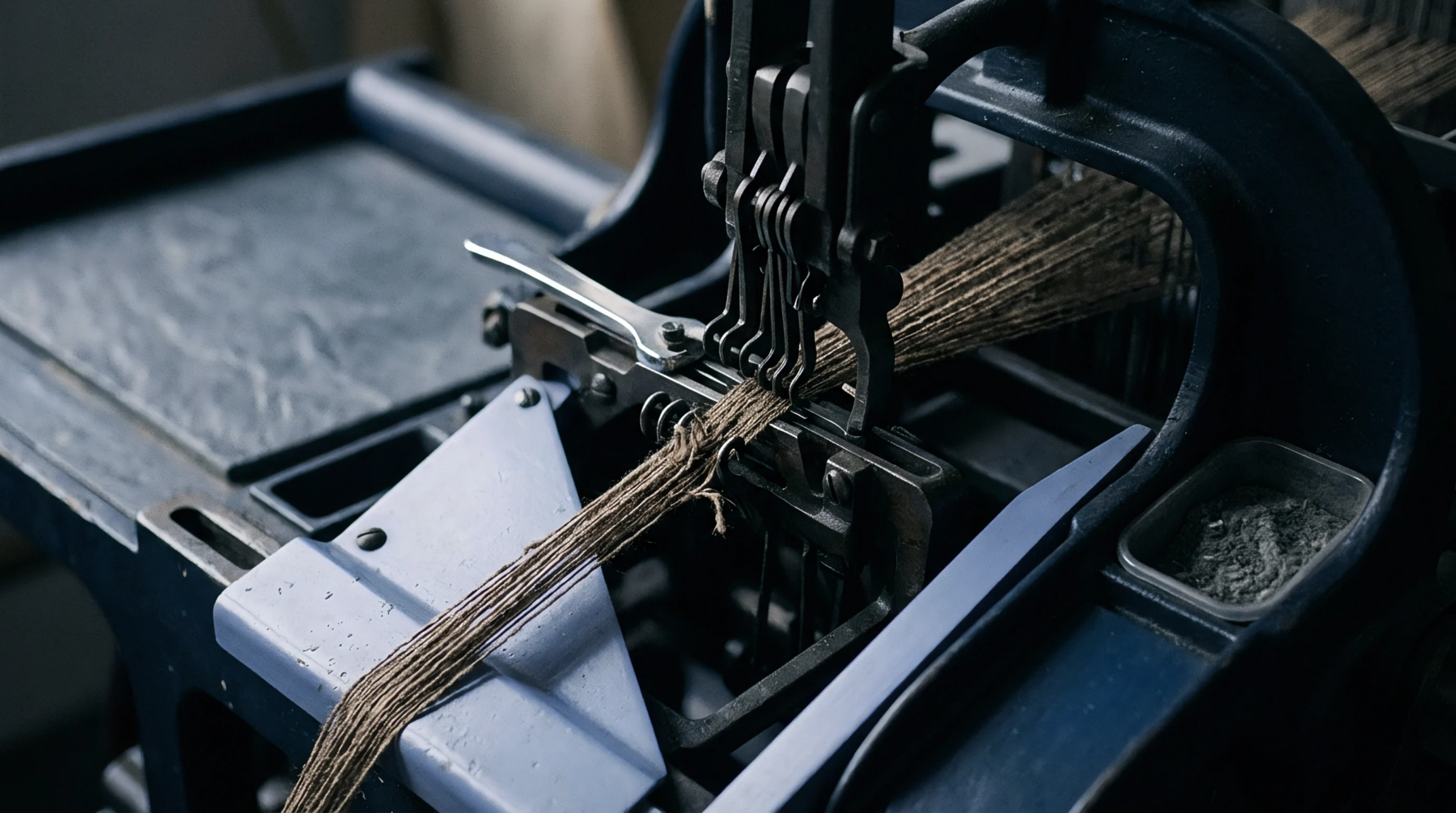
Enzymatic roving boiling balances pectinase cleavage to leave 1.1-1.5% residual pectin, stabilizing wet-drafting tension for fine linen spinning up to Nm 75.

Determining flax roving pectin via spectrophotometric galacturonic assay controls bundle drafting friction, preventing high spindle breakage in fine wet spinning.
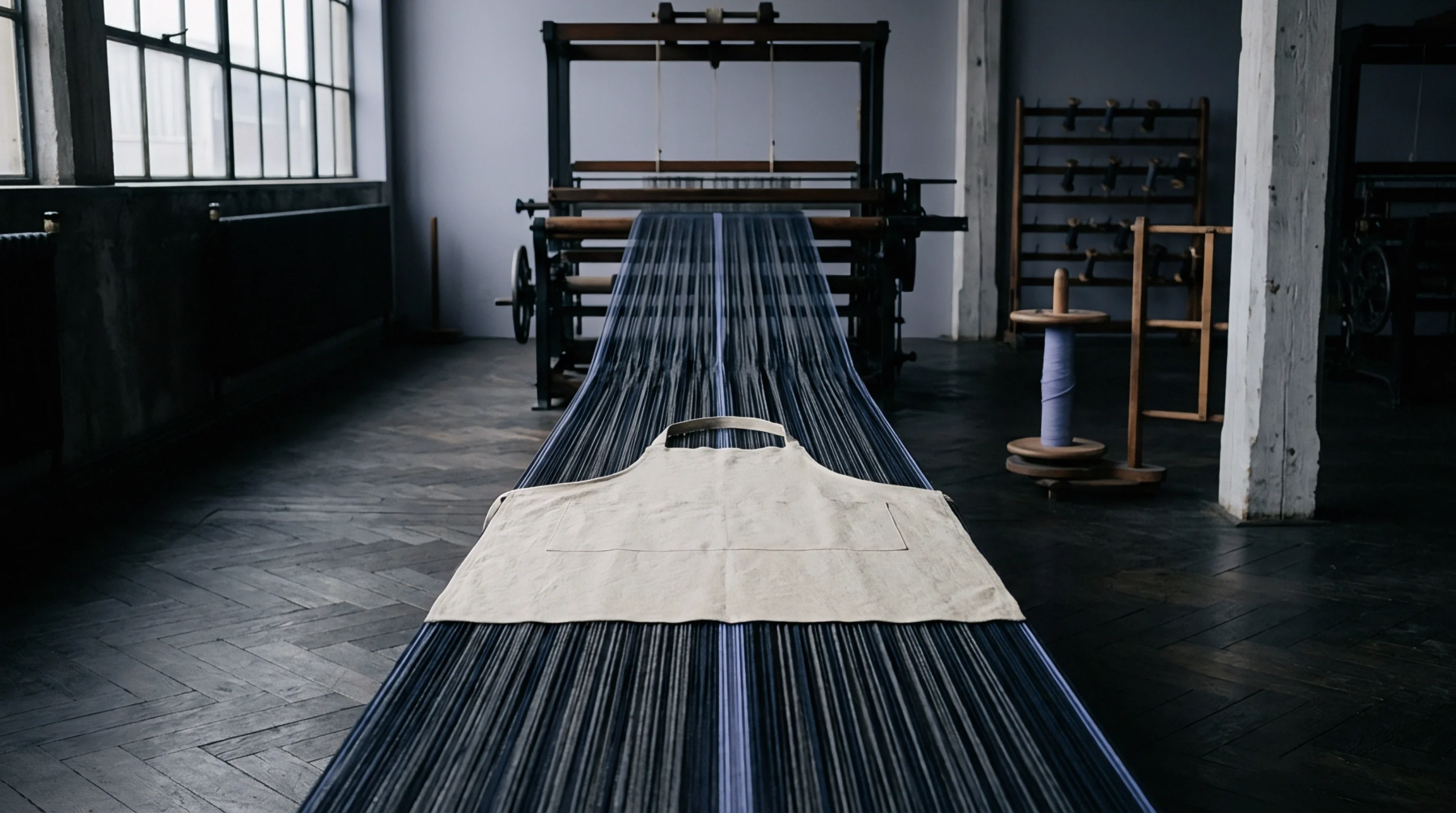
Active servomotor letoff advance combined with synchronized takeup backstep eliminates start marks by rebuilding flax warp tension before the initial reed beat.

Static tensile loads narrow flax microfibril angles via matrix shear, causing warp tension decay that demands automated let-off compensation to stop start marks.
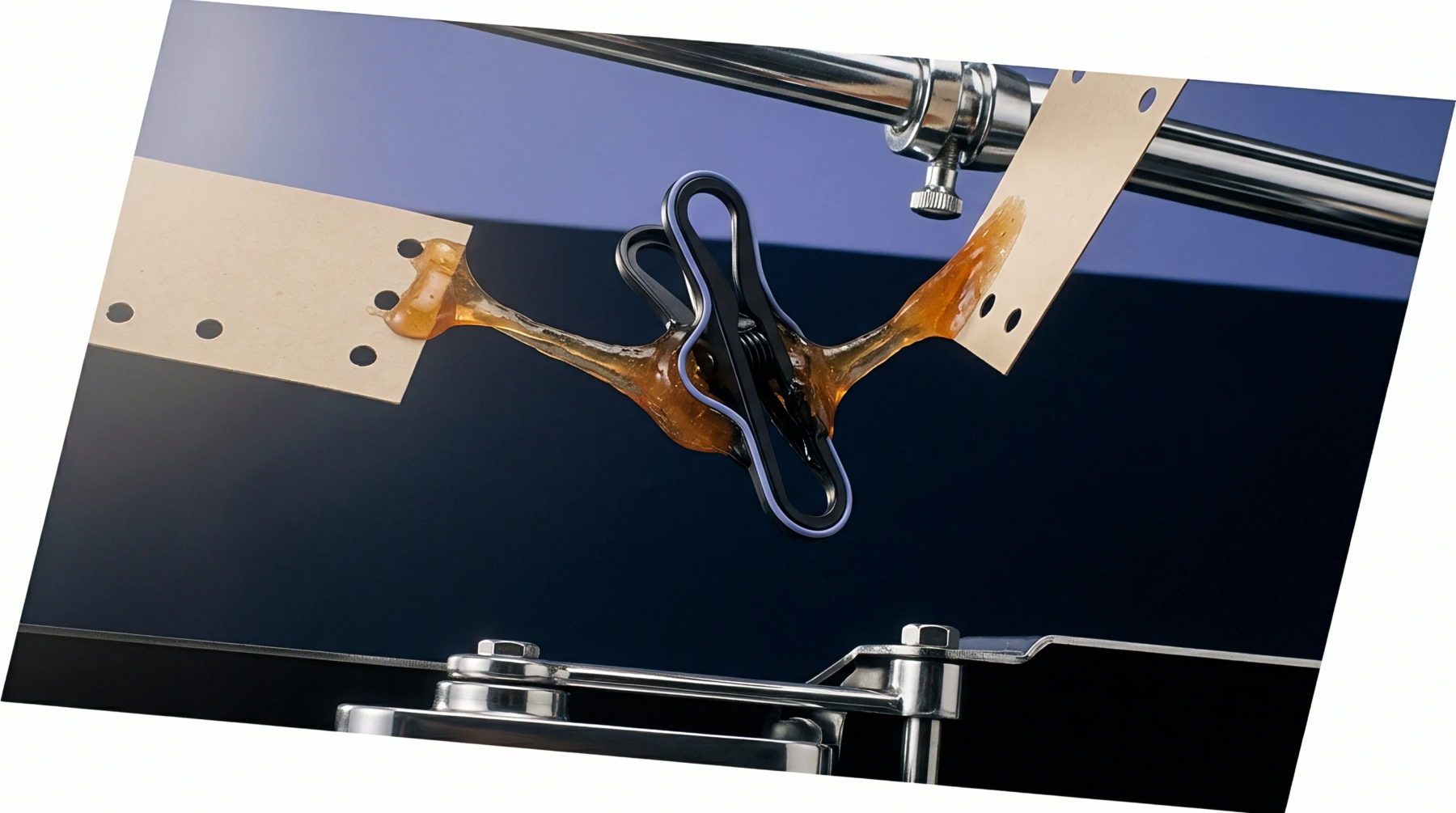
Optimizing lease rod coatings and wrap angles reduces linen warp tension spikes, cutting end breakage rates and lowering landed fabric production costs.

Calibrating let-off PID loops eliminates linen stop marks by pairing load-cell dampening with millisecond take-up reverse steps to arrest cloth fell migration.

Target static warp tension for wet spun linen must stay between 0.12 and 0.18 cN/tex to prevent end breaks while maintaining shed clearance.

High-speed wet spinning requires trough water exchange above 1.4 L/kg at 75°C to maintain bath viscosity below 1.5 mPa·s and prevent drafting breakages.

Commercial moisture regain for dew-retted flax straw is standardized at 12.00%, adjusting gross intake weights to bone-dry mass under ISO 6741-1 rules.

Outward processing relief requires strict mass balance reconciliation and assist valuation of yarn dispatches to protect non-preferential origin claims.

Blended flax tow wet spinning keeps end breakage below fifteen stops per thousand spindle hours through precise bath temperature and matched break draft ratios.

Long staple flax grading and precision hackling control sliver yield, wet-spinning yarn count limits, and delivered fabric cost per metre.

Dual-country greige mass balance reconciliation relies on standardized moisture regain adjustments and strict spinning conversion yield caps across audit ledgers.

Spectrophotometric isolation of linen warp dye affinity requires d/8° SPIN geometry, UV filtration, and K/S spectral analysis on fully desized yarn samples.

Greige linen origin requires batch-level transaction certificates, strict weaving shed mass balance logs, and adherence to customs substantial transformation laws.

Reconciling post-clearance bast fibre tariff disputes requires ISO 6741 oven-dry testing to prove scale gains represent non-dutiable transit moisture tare.

Reconciling commission finishing mass balances depends on separating raw yarn wax stripping loss from chemical finish pick-up and standard moisture regain.

Official commercial mass calculations convert gross invoice weight into dry fibre baseline plus standardized moisture regain to eliminate landed shipment price disputes.

Calculating reed denting occupancy and localized friction prevents tension spikes, warp stops, and reed mark defects in high-speed airjet weaving sheds.

Spotting greige warp density variations relies on off-loom pick glass counting across 10-centimetre intervals and backlit inspection frame vision scanning.

Residual pectin content above two percent alters yarn relaxation times, increasing air jet shedding stops and raising loom hour costs.
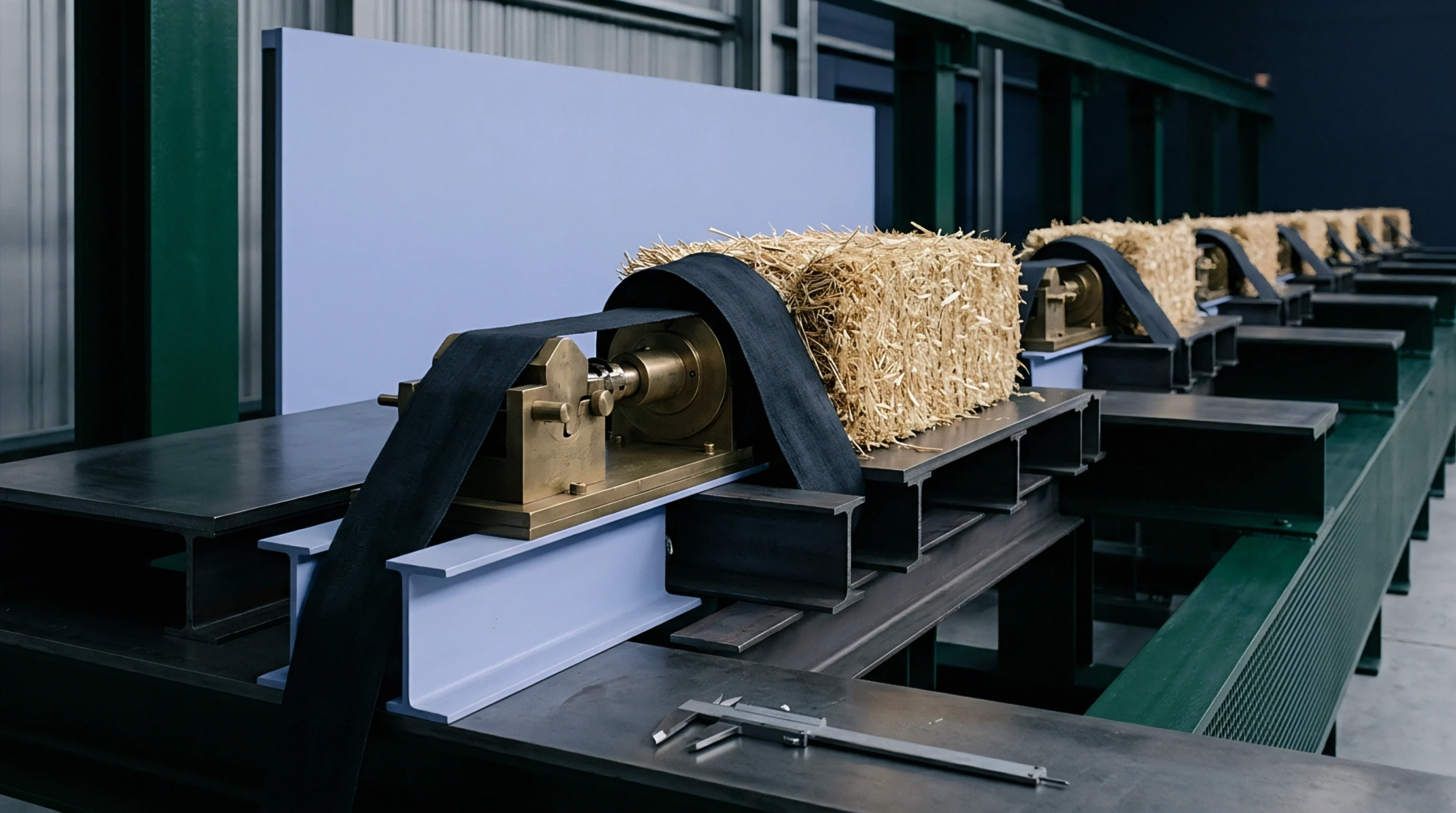
HS heading 5301 classifies flax by mechanical state, where shive content, staple length, and fibre parallelism separate raw straw, scutched stricks, line, and tow.

Customs origin for spun yarn legally vests where ring or rotor frames insert final twist, demanding machine logs, power tallies, and mass balance audits.

Airflow instruments underestimate blended bast fibre linear density by up to thirty percent due to non-circular perimeters and lumen void fractions.
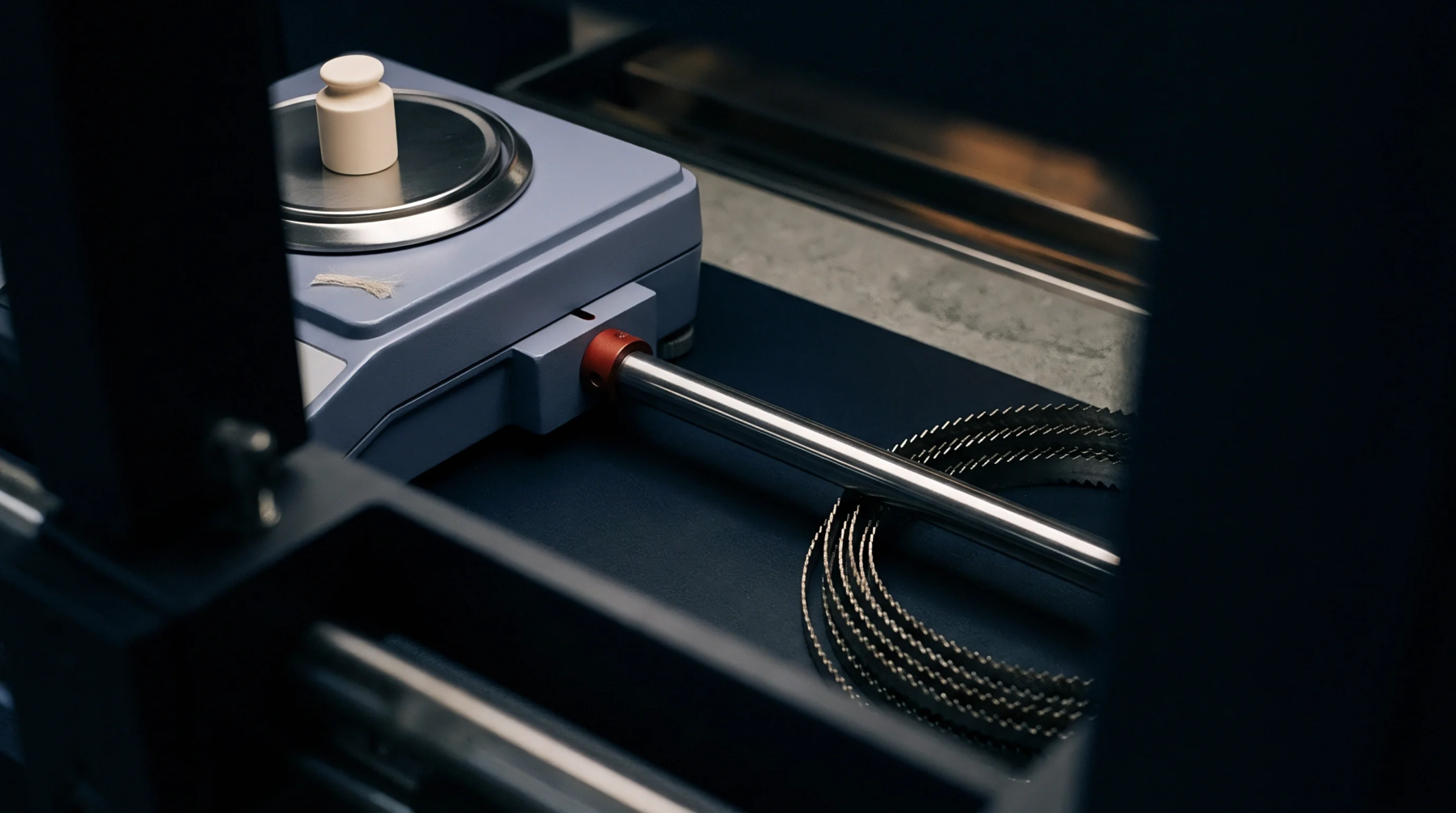
Analytical verification of hackled line and tow fractions requires gravimetric fineness, length sorter testing, and commercial moisture regain settlement.

Dynamic pectin plasticization causes non-linear warp elongation in high-speed shedding, requiring precise humidity bounds and sizing chemistry to prevent breaks.
Expertise is a utility, not a secret. sentiention™ publishes its working knowledge as open reference: intelligence layer covering the materials it sources, the markets it enters, and the reference that serves both.