
Mass Balance Verification Protocols for Organic Flax Wet Spinning Troughs
Verify dry-matter pectin loss and normalize roving moisture to ensure mass balance integrity across organic flax wet spinning troughs.
Verify dry-matter pectin loss and normalize roving moisture to ensure mass balance integrity across organic flax wet spinning troughs.

Trough water hardness suppresses enzymatic pectin hydrolysis, altering dry fiber mass loss and requiring calcium-calibrated true-up calculations.
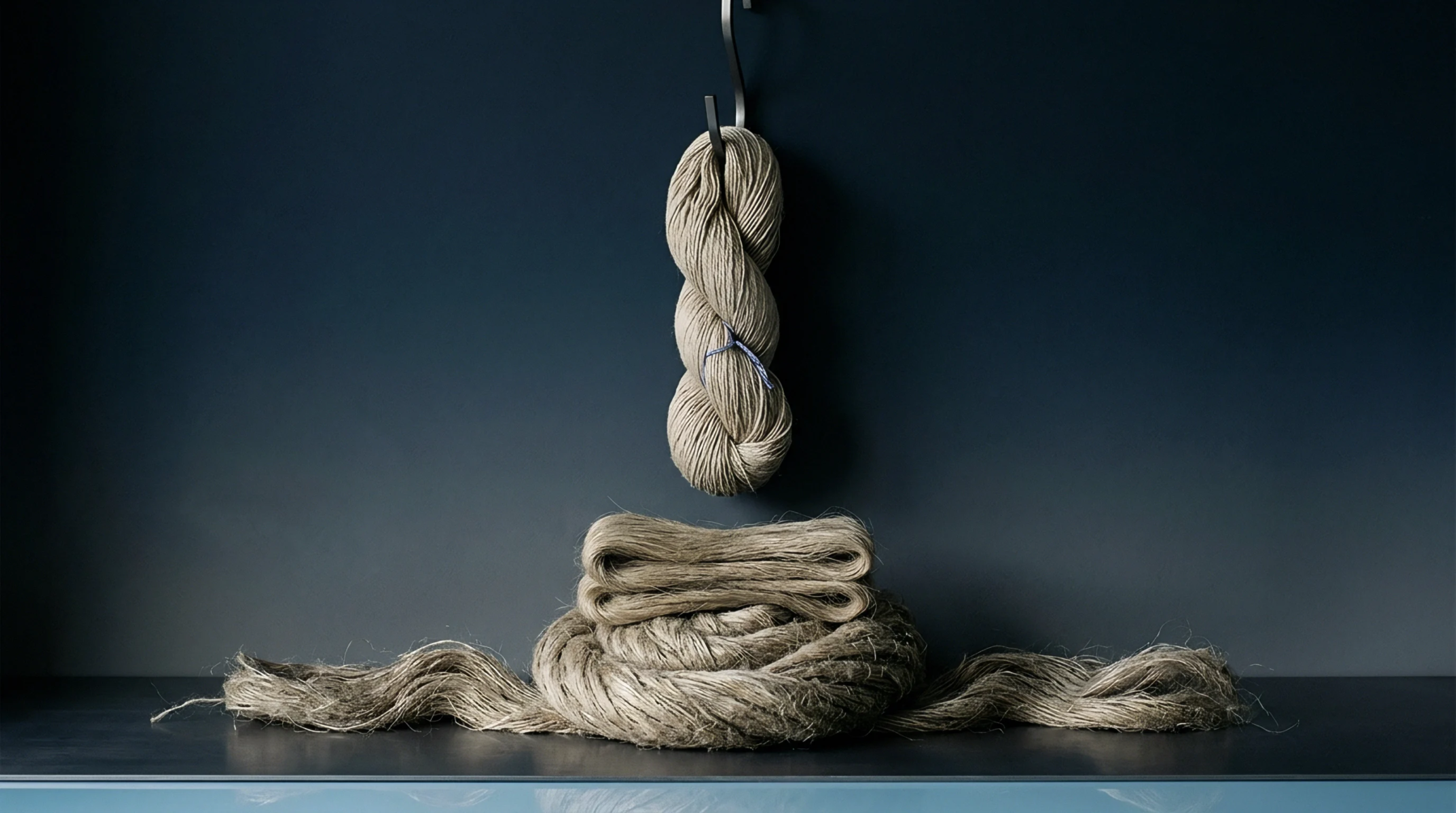
Fine wet-spun flax yarn tenacity depends on controlled pectin softening in the trough, allowing technical bundles to divide into fine elementary cells during draft.
Secondary wall microfibrillar angle directly limits wet spun line yarn tenacity by setting crystallite load distribution before trough degumming.
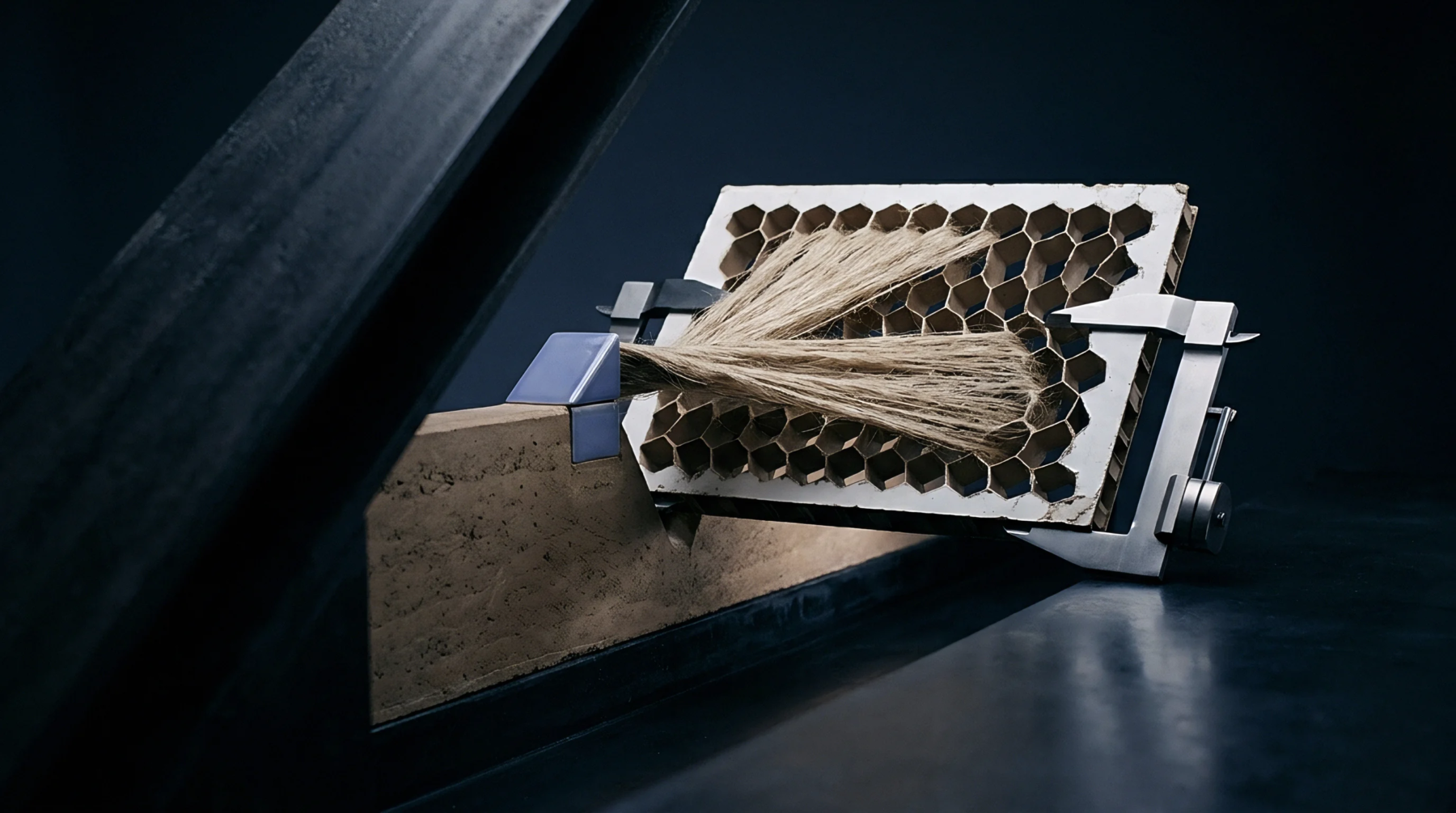
Narrow crystallite orientation dispersion below 14 degrees FWHM maximizes wet spinning yields and fine count limit up to Nm 60 in long staple flax.

Controlling pectin dissolution kinetics via balanced chelation and temperature protects fiber tenacity while enabling smooth slip draft in fine flax spinning.

Klason lignin testing combined with wet spinning draft analysis establishes raw flax mill suitability and prevents costly frame end breaks.

Residual pectin levels below 1.5 percent dictate successful wet spinning of fine flax yarns above Nm 40 without elevated end breakage rates.
Continuous accumulation of pectin degradation products in closed-loop wet spinning troughs alters fluid rheology, impairing strand drafting and dropping yarn tenacity.

Hydynamic boundary layer reduction in wet-spinning troughs accelerates core hydration, stabilizing swelling and lowering yarn count CV percent.
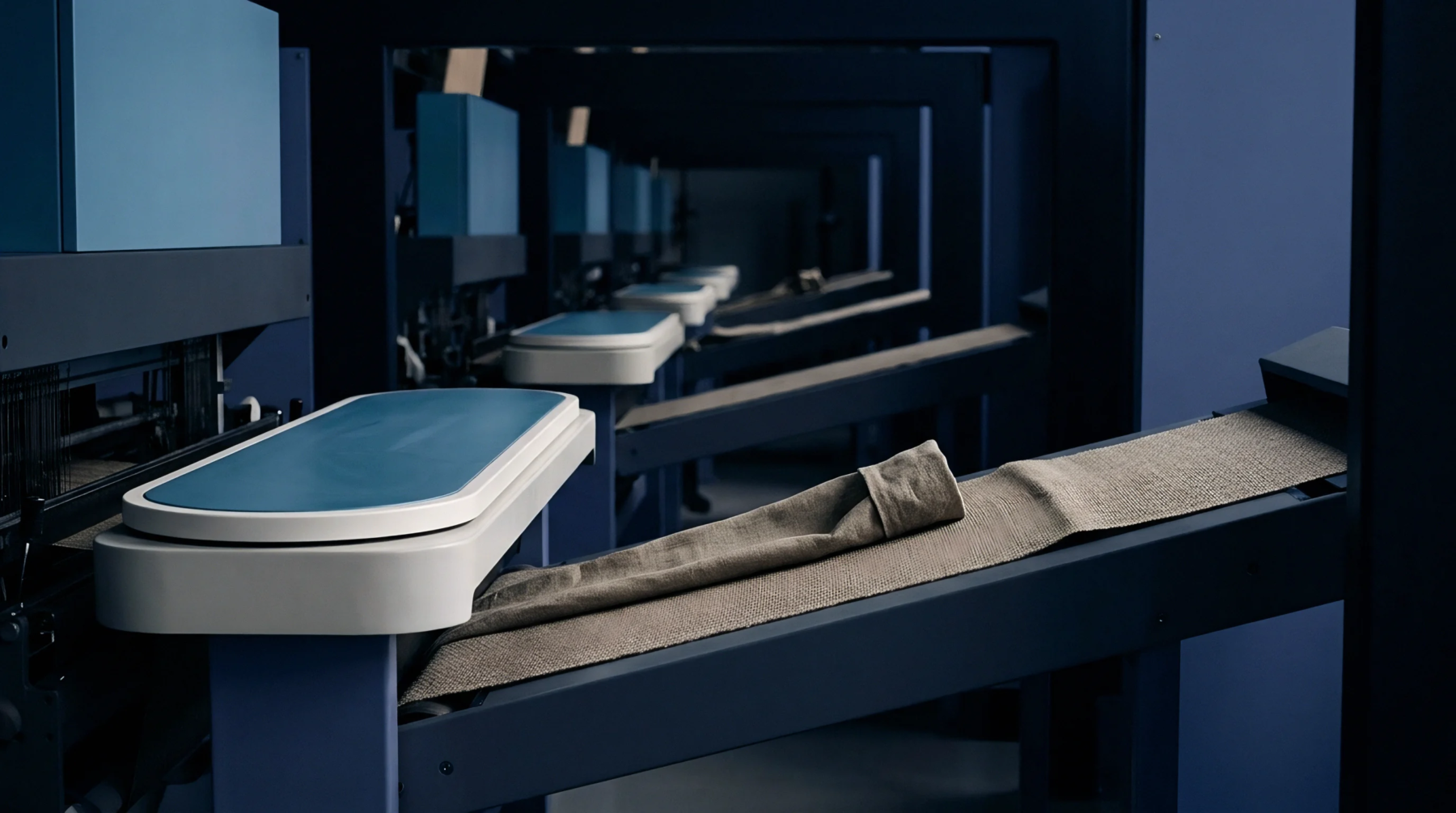
Quantifying epicuticular wax mass fractions in dew-retted line flax bales isolates true fiber yield and optimizes wet-spinning boundary lubrication parameters.

Targeted enzymatic pectin digestion splits technical flax bundles to under 6 dtex, optimizing sliver cohesion for wet spinning yarn tenacities over 38 cN/tex.
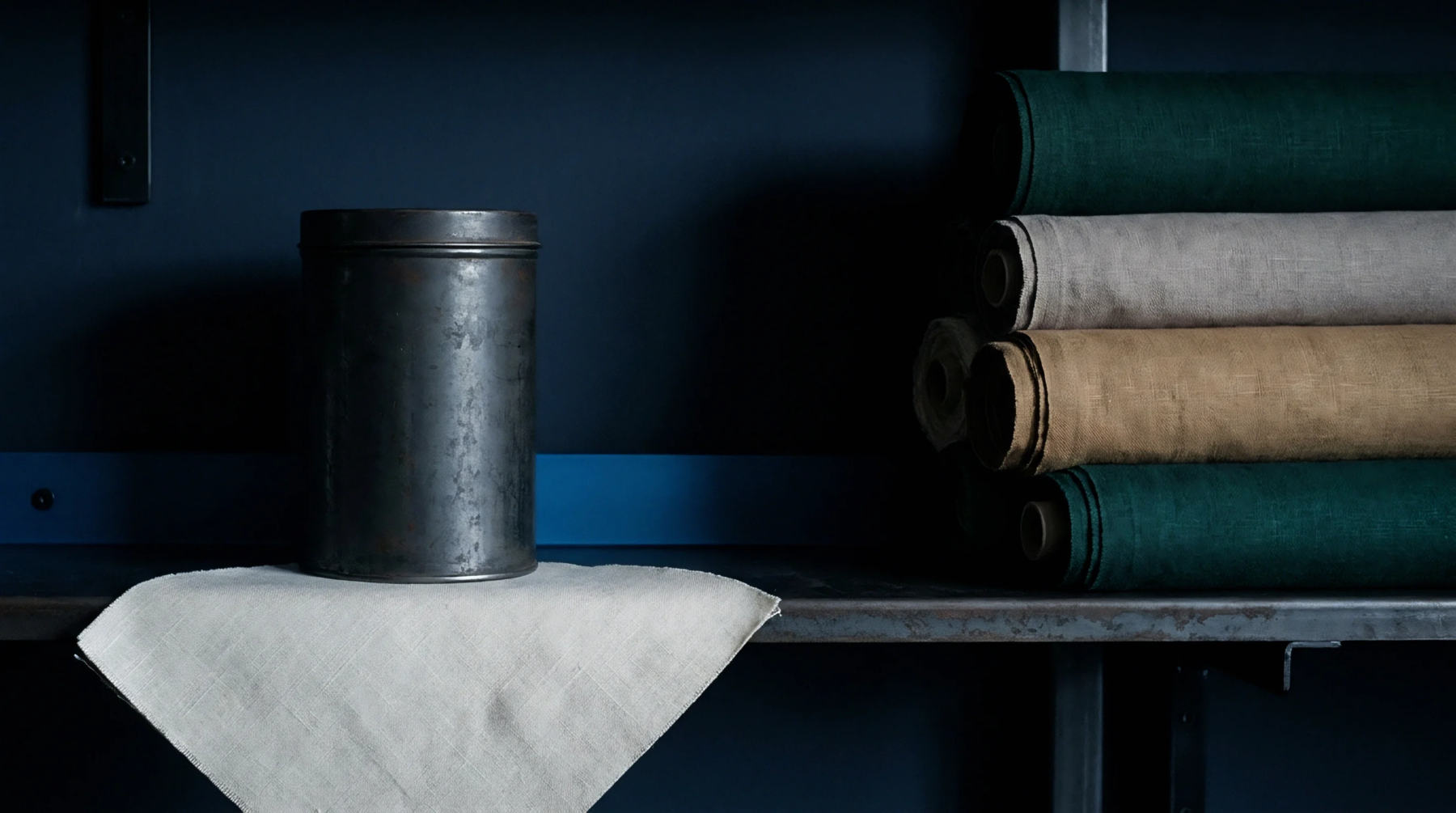
Low cohesion flax slivers collapse under high draft ratios, requiring reduced trough temperatures, higher roving twist, and tight ratch settings to hold count.

Trough water at 70°C hydrolyzes middle lamella pectins to permit inter-fibre slippage, enabling high mechanical drafts down to fine linear yarn counts.

Enzymatic degumming for fine wet spinning demands residual pectin levels between 1.2 and 1.8 percent by mass to balance wet drafting and yarn tenacity.

Optimizing wet spinning trough temperature and bath chemistry based on flax lignin metrics stabilizes drafting forces, drops end breaks, and cuts yarn cost.
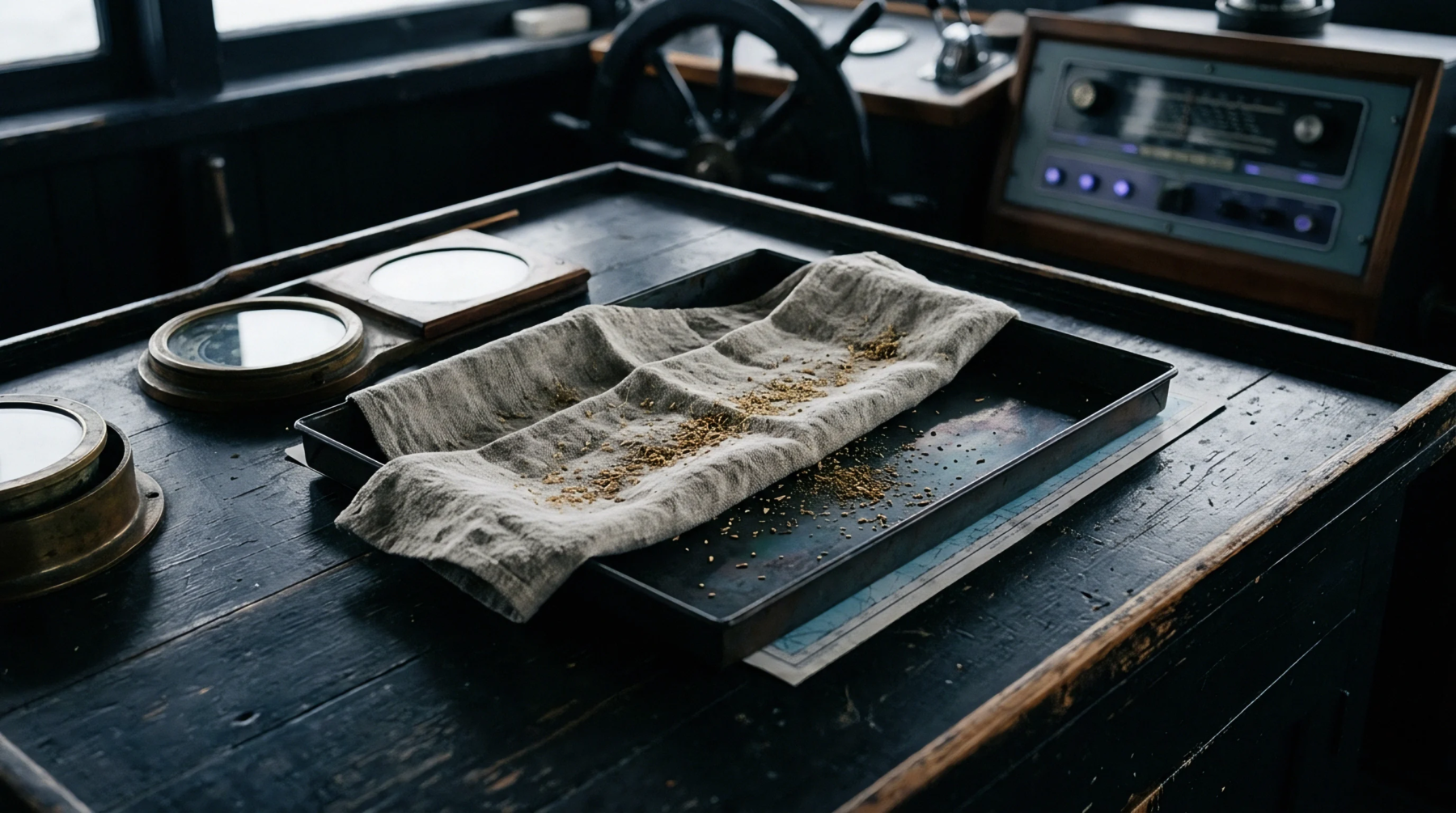
Calibrating wet spinning trough temperature and water turnover reconciles organic flax pectin dissolution losses against certified mass balance yields.
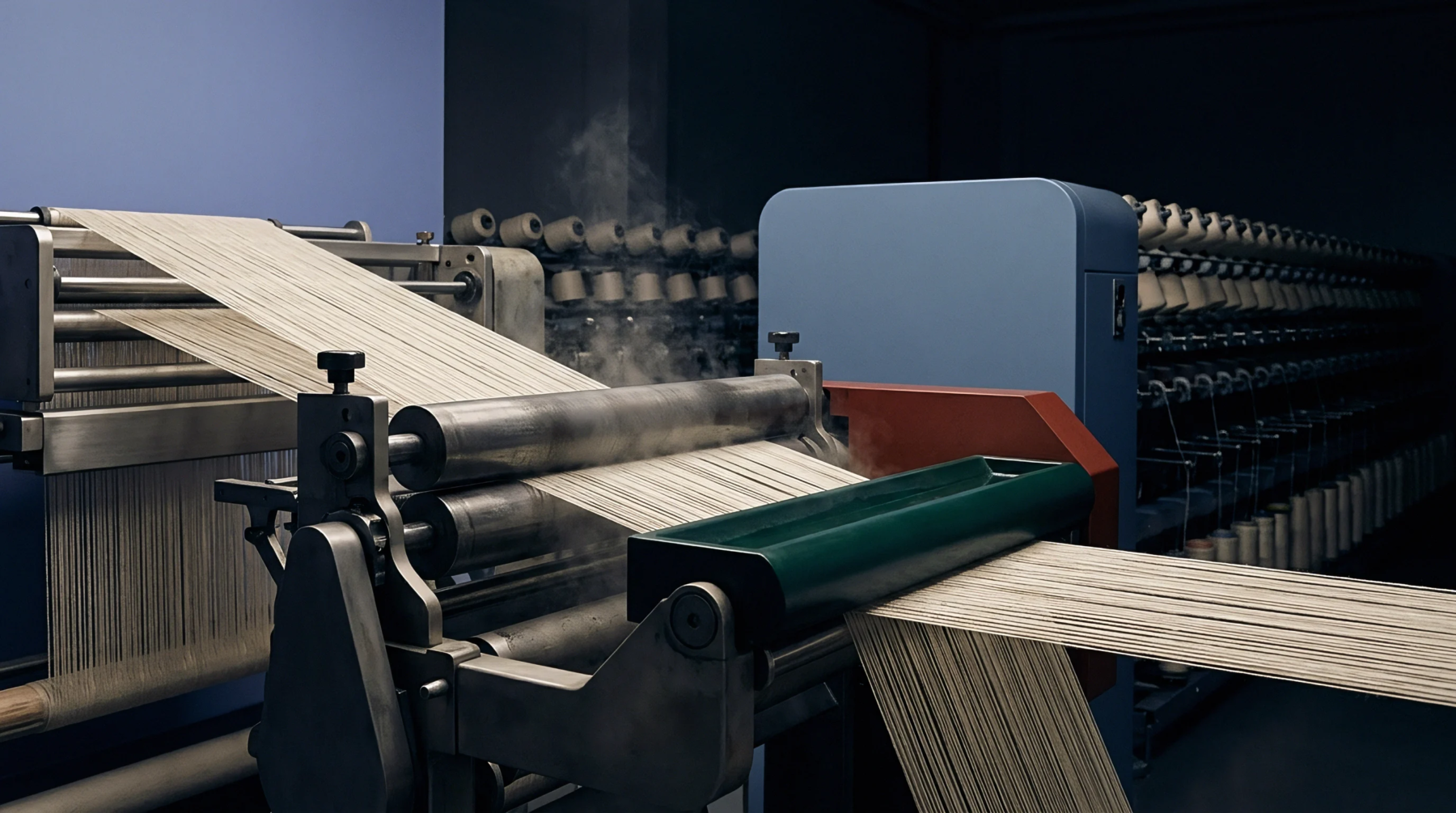
Commercial mass calculations based on ISO 6741 oven-drying protocols protect buyers from paying landed mass prices on sea-transit moisture uptake in flax.

Verify flax linear density using ISO 2370 cut length gravimetry on conditioned 50 mm bundles to prevent spinning end breaks and landed metre yield loss.

Auditing Chinese linen mills requires reconciling port customs weighbridge tickets against wet-spinning yield equations to expose false mass balance credits.
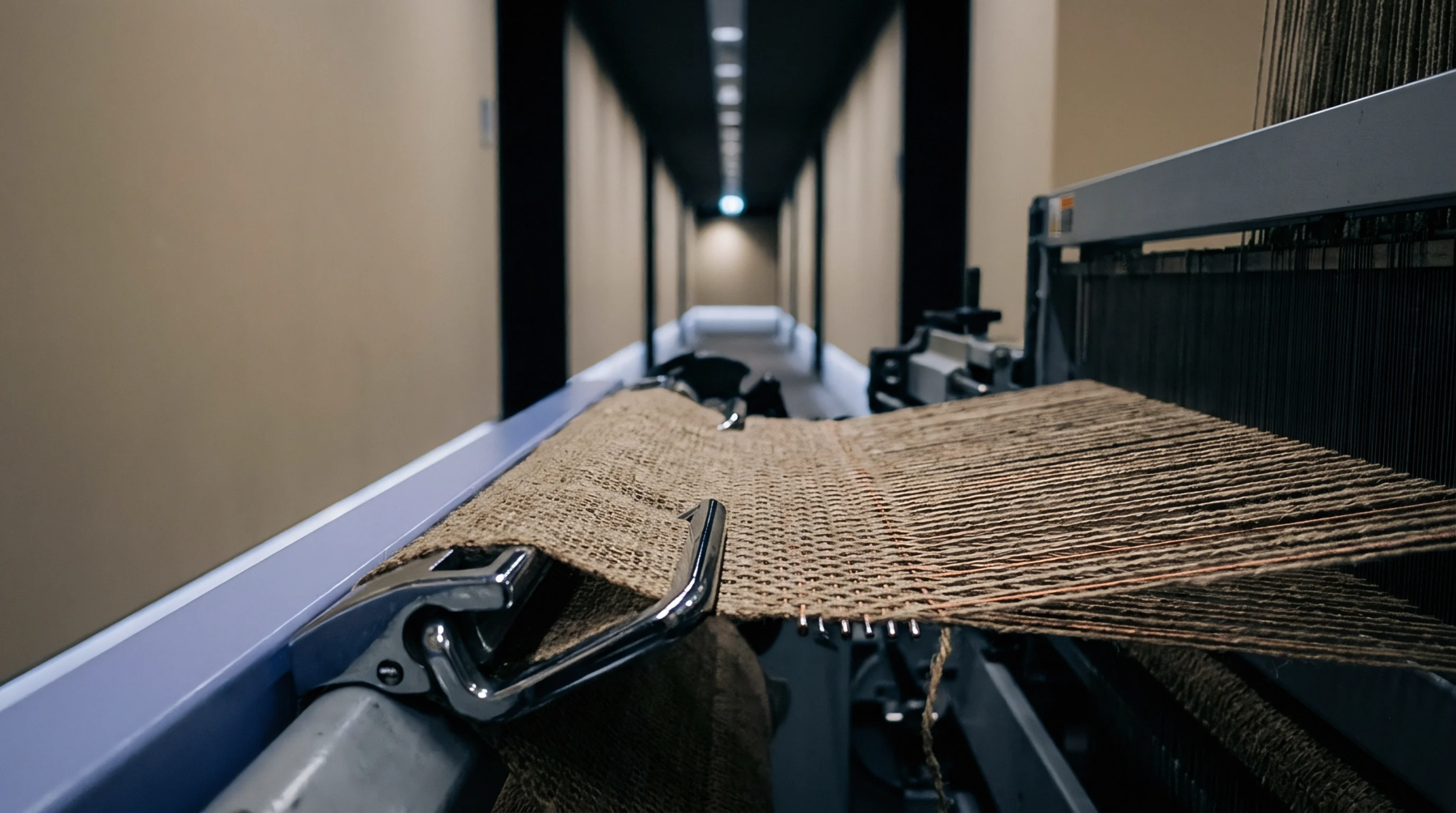
Metric fibre number defines wet-spun line yarn limits by establishing the minimum cross-sectional elementary fibre count required to sustain drafting tension.
Expertise is a utility, not a secret. sentiention™ publishes its working knowledge as open reference: intelligence layer covering the materials it sources, the markets it enters, and the reference that serves both.