Yarn Interruption
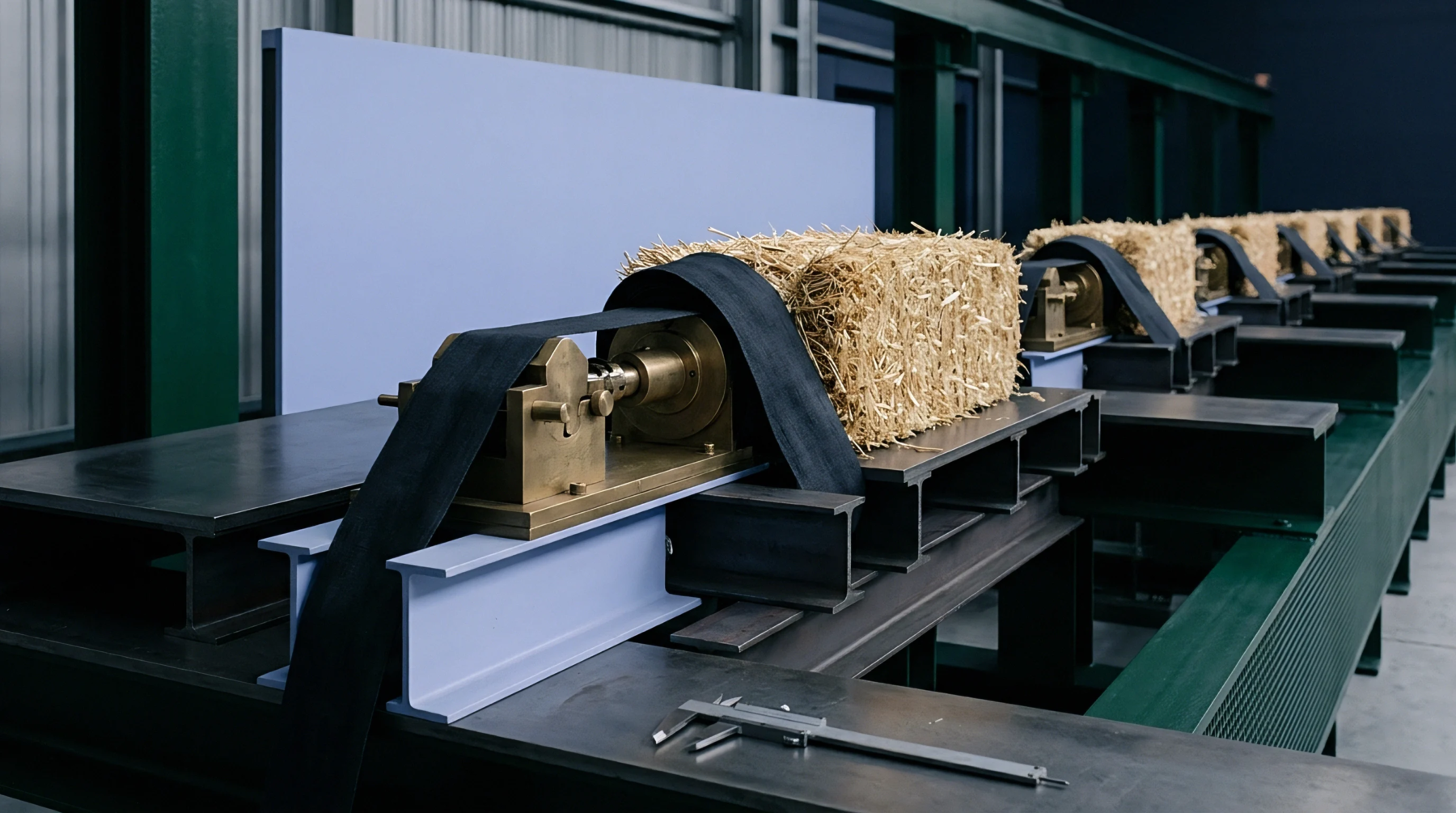
Mechanical failures occur during textile spinning and cloth formation when localized stress exceeds the tensile strength of an individual yarn strand. End breakage causes immediate spindle stops on ring frames or triggers automatic warp stop motions on industrial looms. In Chinese flax mills, wet spun linen yarns demonstrate natural thickness variations and low elasticity, making them vulnerable to dynamic tension peaks during processing.
Spinning operators or automatic knotters must repair the severed yarn strand before production resumes on that unit. The measurement of these interruptions is quantified as breaks per thousand spindle hours in spinning or stops per hundred thousand picks during loom operation.
Tensile Dynamics
Flax fibres contain natural structural nodes and variable pectin bonding that cause localized thin spots along the drafted strand. End breakage concentrates at these weak zones whenever winding tension or ring traveller friction surpasses the breaking tenacity of the linen yarn. High drafting speeds, improper roving twist and inadequate water temperature in wet spinning troughs accelerate failure rates across the spinning frame.
In cloth production, excessive warp beam tension or abrasive reed friction shears dry flax fibres, dropping heddle drop wires onto contact bars to stop the machine. Loom operators record break locations to isolate whether failures originate from yarn weakness, shed geometry or foreign matter in the yarn path.
Yield Impact
Production efficiency drops in direct proportion to machine downtime and required manual repair interventions. End breakage increases the frequency of piecing knots, splice joints and stop marks in the finished linen fabric. Mill quality managers track daily breakage logs across spinning shifts to evaluate raw fibre quality and adjust spinning draft ratios.
Excessive breakage rates require immediate reductions in loom operating speeds, which elevates manufacturing costs per meter of linen cloth. The final inspection protocol flags fabric defect clusters generated by repeated yarn interruptions, grading affected bolts down from first quality export tier to domestic clearance stock.