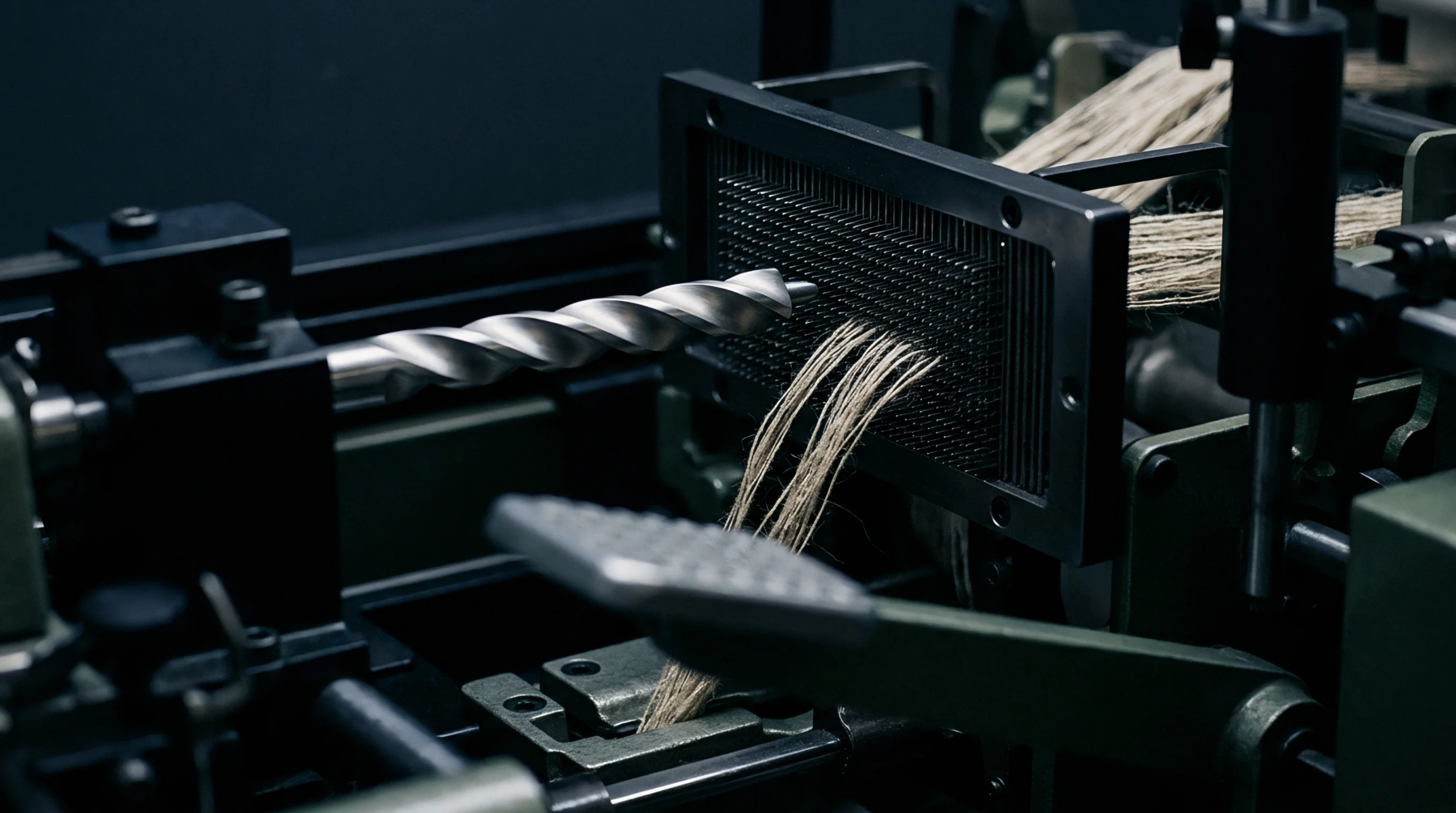
Determining Bast Fibre Tex Values and Hackling Yield Correlates
Flax bundle tex governs hackling outturn: finer bundles yield over 50 percent long line sliver, cutting net sliver cost and unlocking counts above Nm 50.
Flax bundle tex governs hackling outturn: finer bundles yield over 50 percent long line sliver, cutting net sliver cost and unlocking counts above Nm 50.

Scutched flax length arrays dictate hackling yield and draft limits, where span length and dispersion metrics set the achievable wet-spun yarn count limit.
Controlled staple cut length and narrow decitex distributions below twenty-two decitex prevent card loading and sustain spinning frame efficiency.

Verify European Flax scutched line through scope certificates, lot-matched transaction certificates, and rigorous hackling-to-spinning mass balance audits.

Verify physical flax batch identity by reconciling bale barcodes, yield conversion balances, and transaction certificates before approving spun yarn dispatches.

Hackling yield directly establishes net fiber input costs, where a one percent yield gain lowers landed yarn expense by over two percent per finished meter.
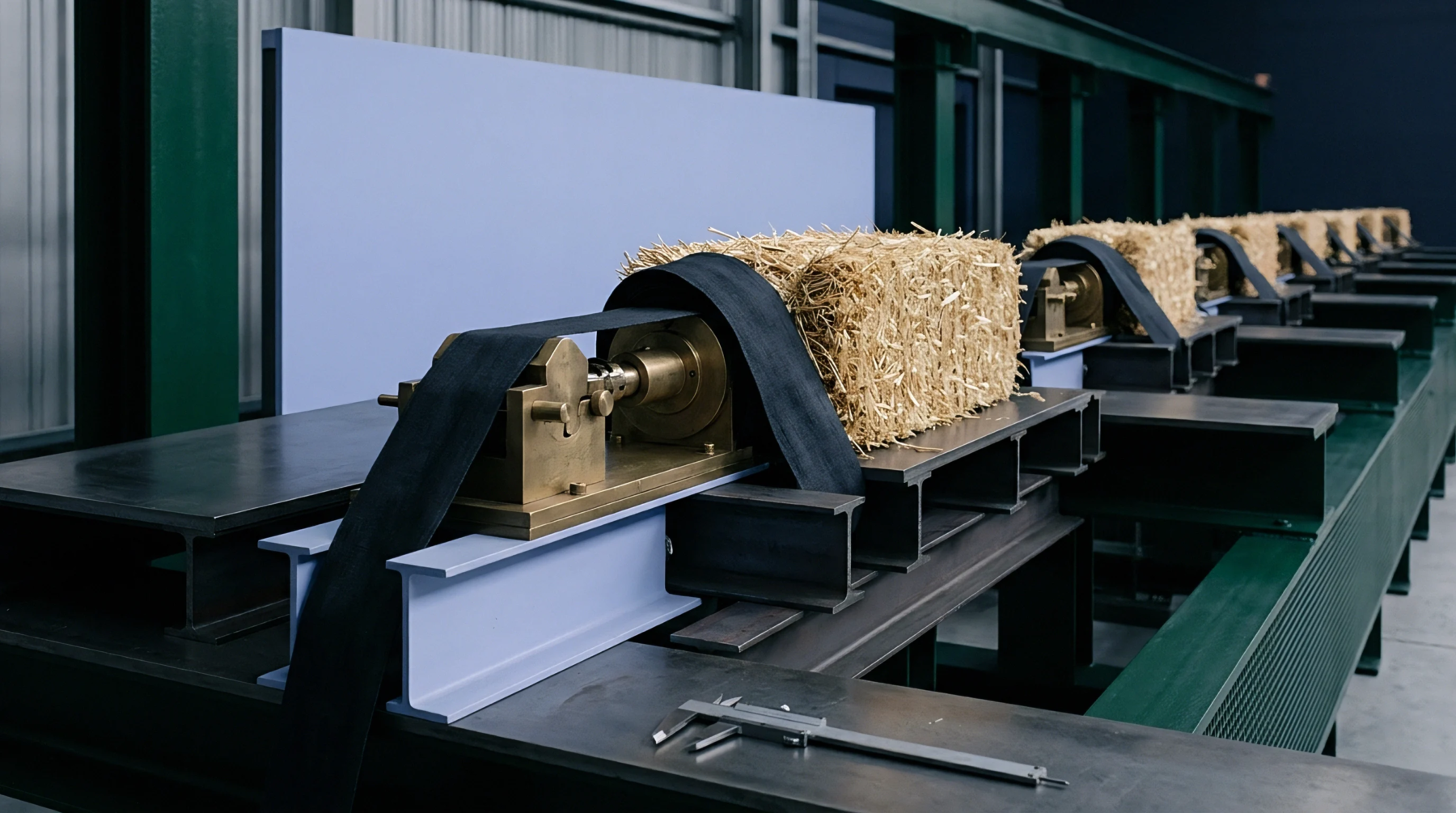
Optimizing hackling pin density and wet-spinning trough temperature stabilizes draft forces, reducing bast yarn end breakage below fifteen breaks per thousand spindle hours.

Real-time sensor-integrated scutching clearance adjustment boosts long flax fibre yield by up to 3.4% while preserving microfibrillar tensile tenacity.
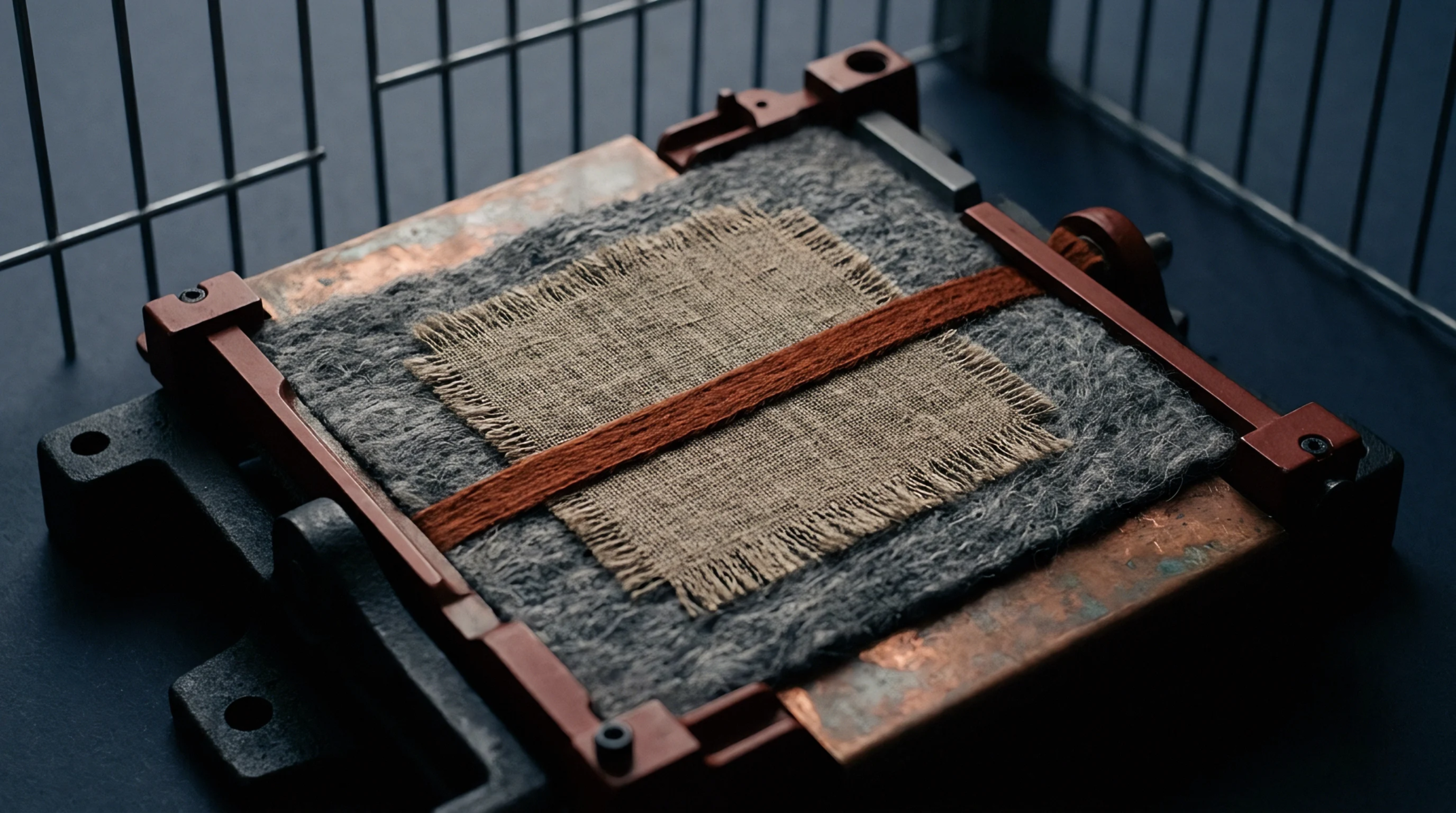
Differentiating line from tow flax in ambiguous quotes requires verifying staple length over 500 mm, shive below 3%, and hackling yields above 50% by contract.

Klason lignin testing combined with wet spinning draft analysis establishes raw flax mill suitability and prevents costly frame end breaks.

Verifying flax scutching yield requires dry-mass normalization of input straw against output long fibre, tow, and shive fractions across batch records.

Scutching confers non-preferential origin when mechanical decortication permanently transforms raw straw into clean fiber under verified mass balance audit dockets.

Air permeability testing measures specific surface area to derive bast fibre linear density, requiring precise moisture conditioning and shive removal.

Flax fibre grading determines spinnable yarn count, where hackling yield and fibre fineness dictate wet-spinning efficiency and landed cost per metre.
Dew retted line flax hackling yield determines long line fiber recovery, tow ratios, and yarn production costs through precise fineness and strength testing.

Auditing European Flax scutched fiber receiving records reconciles dry fiber mass, certificate codes, and scutching lot numbers to defend chain of custody.
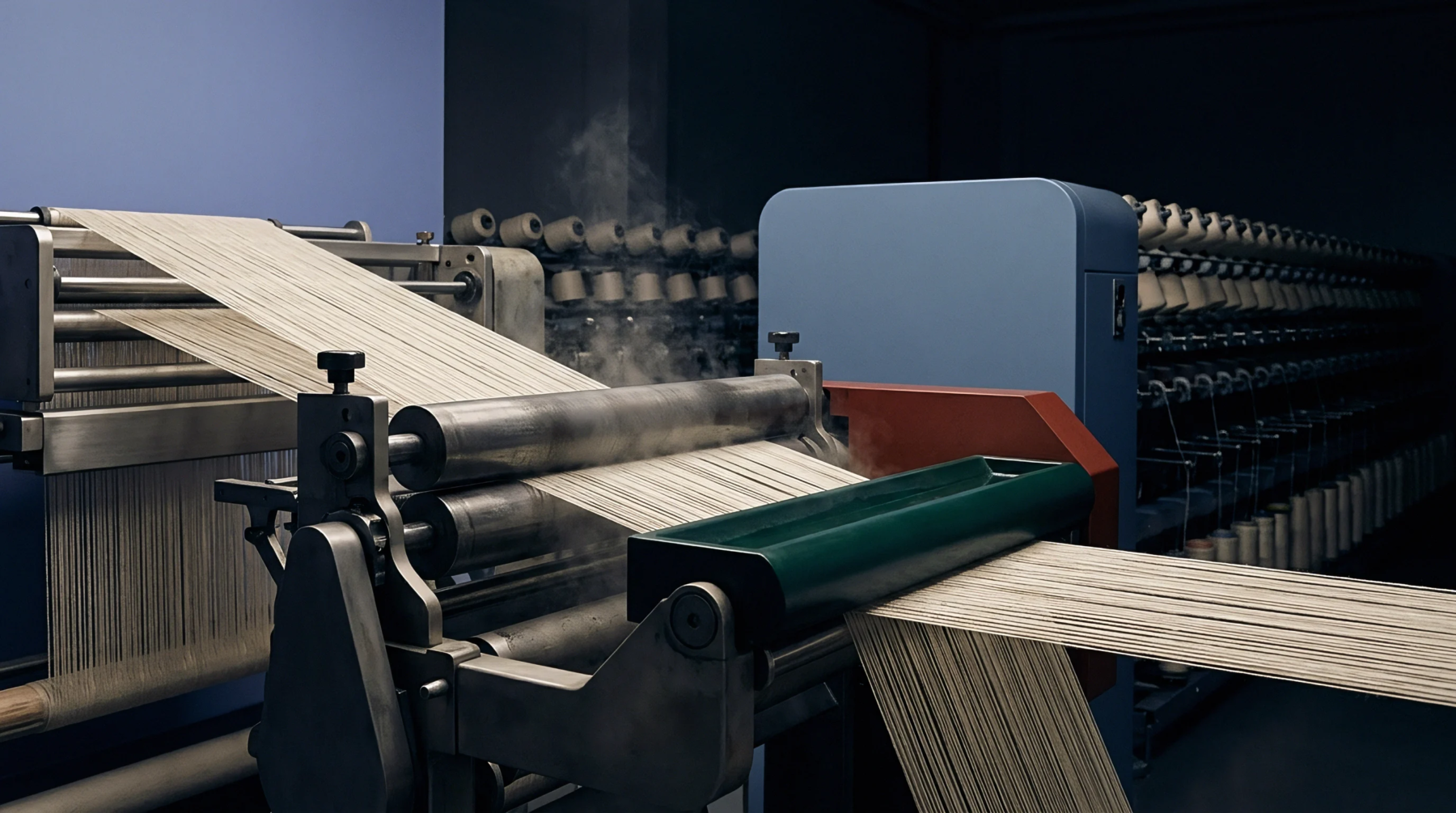
Commercial mass calculations based on ISO 6741 oven-drying protocols protect buyers from paying landed mass prices on sea-transit moisture uptake in flax.

Lot-to-lot flax variance costed via hackling yield formulas protects mill margins by adjusting line sliver pricing before wet spinning.

Specify long-staple line flax and wet spinning in purchase contracts to prevent spinners from substituting short tow fibre into ambiguous metric yarn orders.
Mechanical scutching defect quantification relies on precise gravimetric or optical mass-balance analysis to measure residual shive and control long fiber yield.

Non-cellulosic content above 3.5% lowers hackling line yield, increasing tow waste and landed line fibre cost per finished metre.
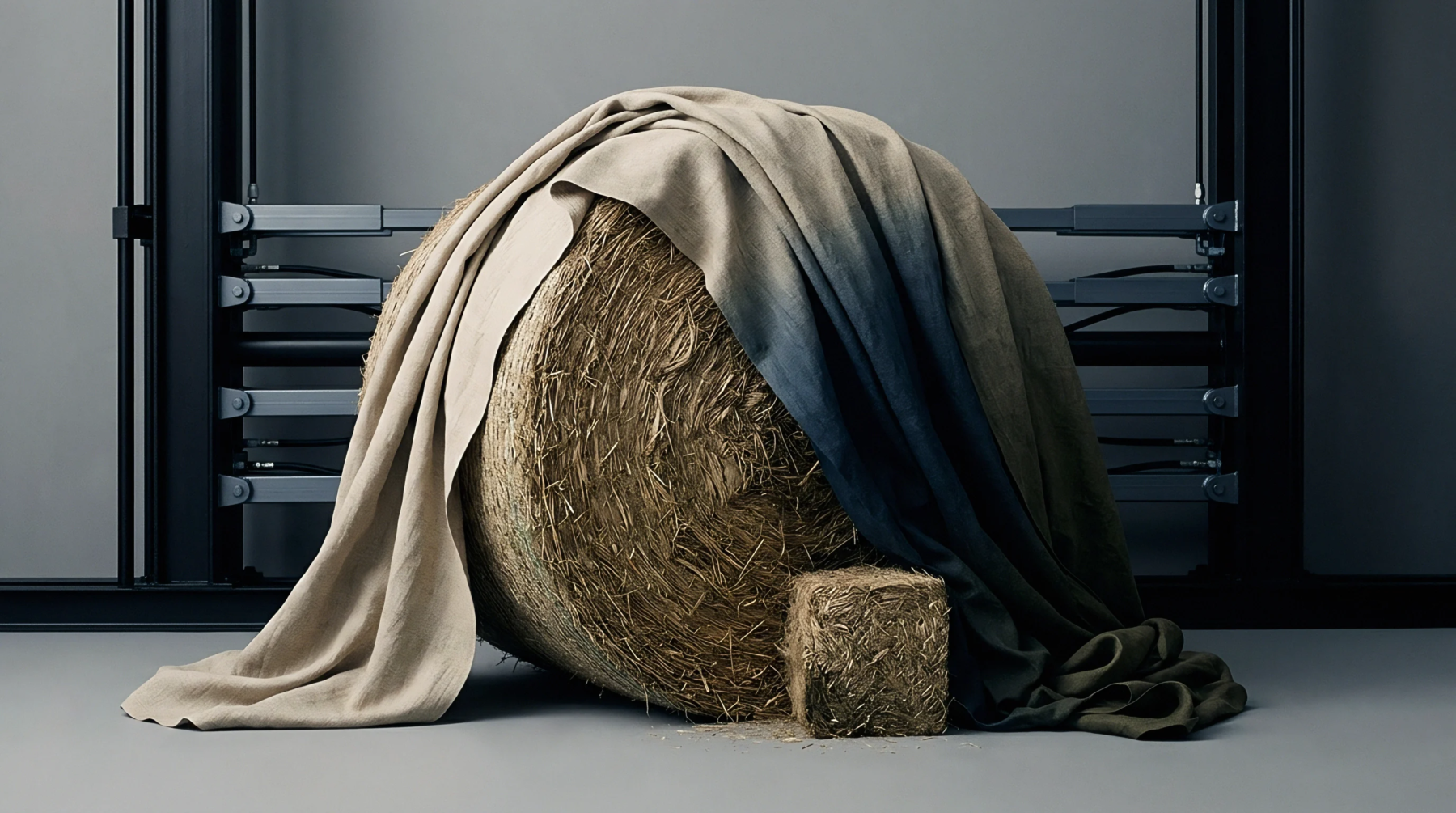
Bale opening routines verify dry mass, bundle tenacity, and shive content under ISO standards to lock in spinnable count and true fibre value before payment.
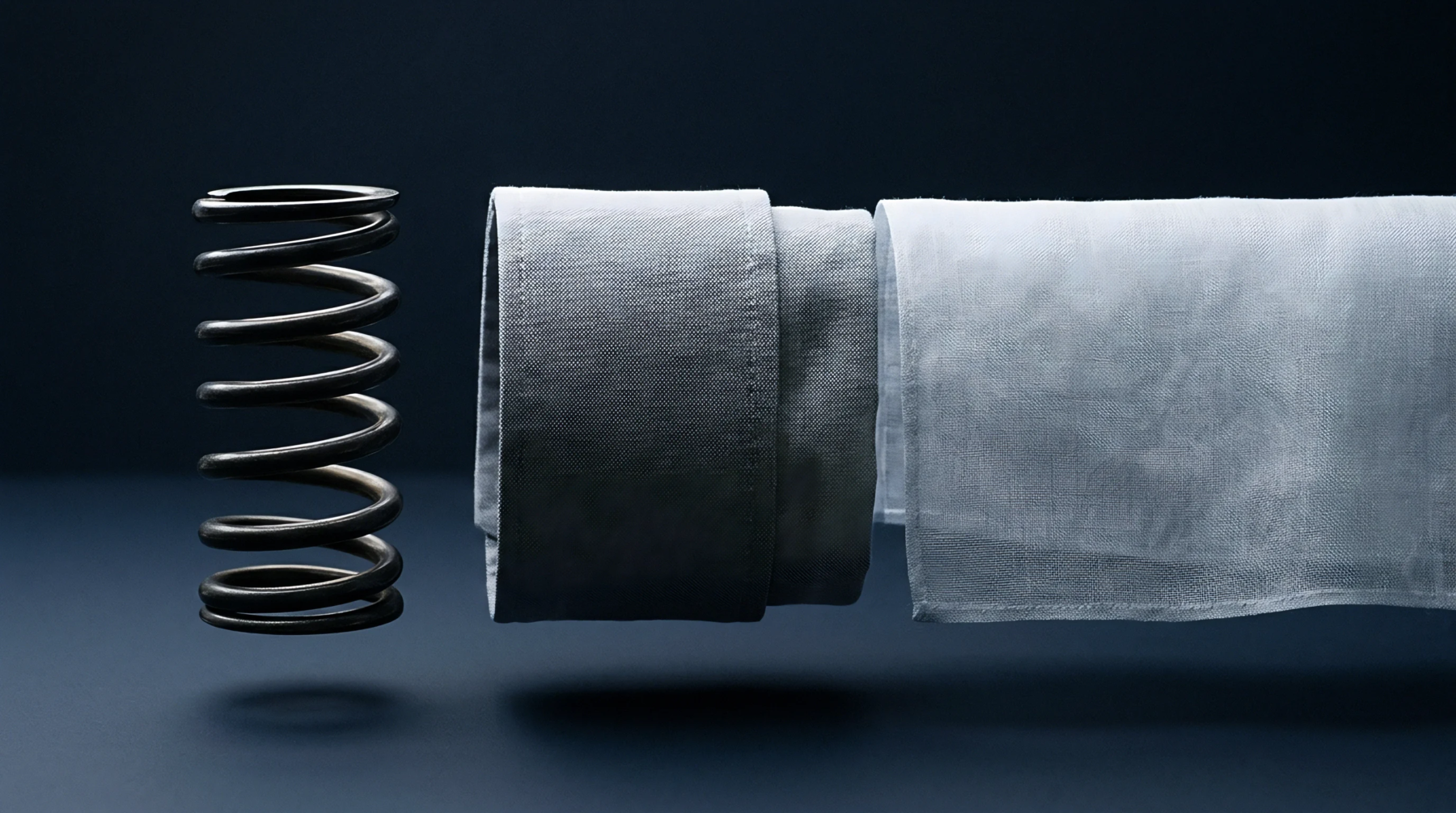
Air permeability fineness tests for raw flax require strict 65 percent RH conditioning, precise chamber packing density, and pre-cleaning of shive debris.

Non-cellulosic residue fractions in flax sliver govern drafting stability, spinnable metric count, and true yarn yield; residual pectin exceeding 1.8 percent spikes end breakage and erodes landed cost discounts.

Long staple flax tenacity and scutcher loss dictate yarn spinning limits and processing economics, requiring standardized ISO gauge length testing and mill-level mass balance verification.

Standardized air permeability methods convert differential pressure across compressed flax plugs into specific surface area to predict spinnable yarn counts.

Verify flax linear density using ISO 1973 cut-and-weigh gravimetry at standard 12% regain to accurately forecast wet-spinning limits and enforce contract pricing.

Imported French scutched long line delivers higher hackling yield and lower yarn break rates, outperforming domestic Chinese flax on landed metre fabric cost.
Expertise is a utility, not a secret. sentiention™ publishes its working knowledge as open reference: intelligence layer covering the materials it sources, the markets it enters, and the reference that serves both.