
Predicting Warp End Breakage Rates from Weibull Scale Factors in High Speed Rapier Weaving
Predicting warp end break rates requires transforming short-gauge laboratory Weibull parameters to active loom lengths under peak dynamic shedding tension.

Predicting warp end break rates requires transforming short-gauge laboratory Weibull parameters to active loom lengths under peak dynamic shedding tension.

HS classification for pure flax relies on gravimetric mass determination on a clean dry basis adjusted for statutory moisture regain allowances under ISO 1833.
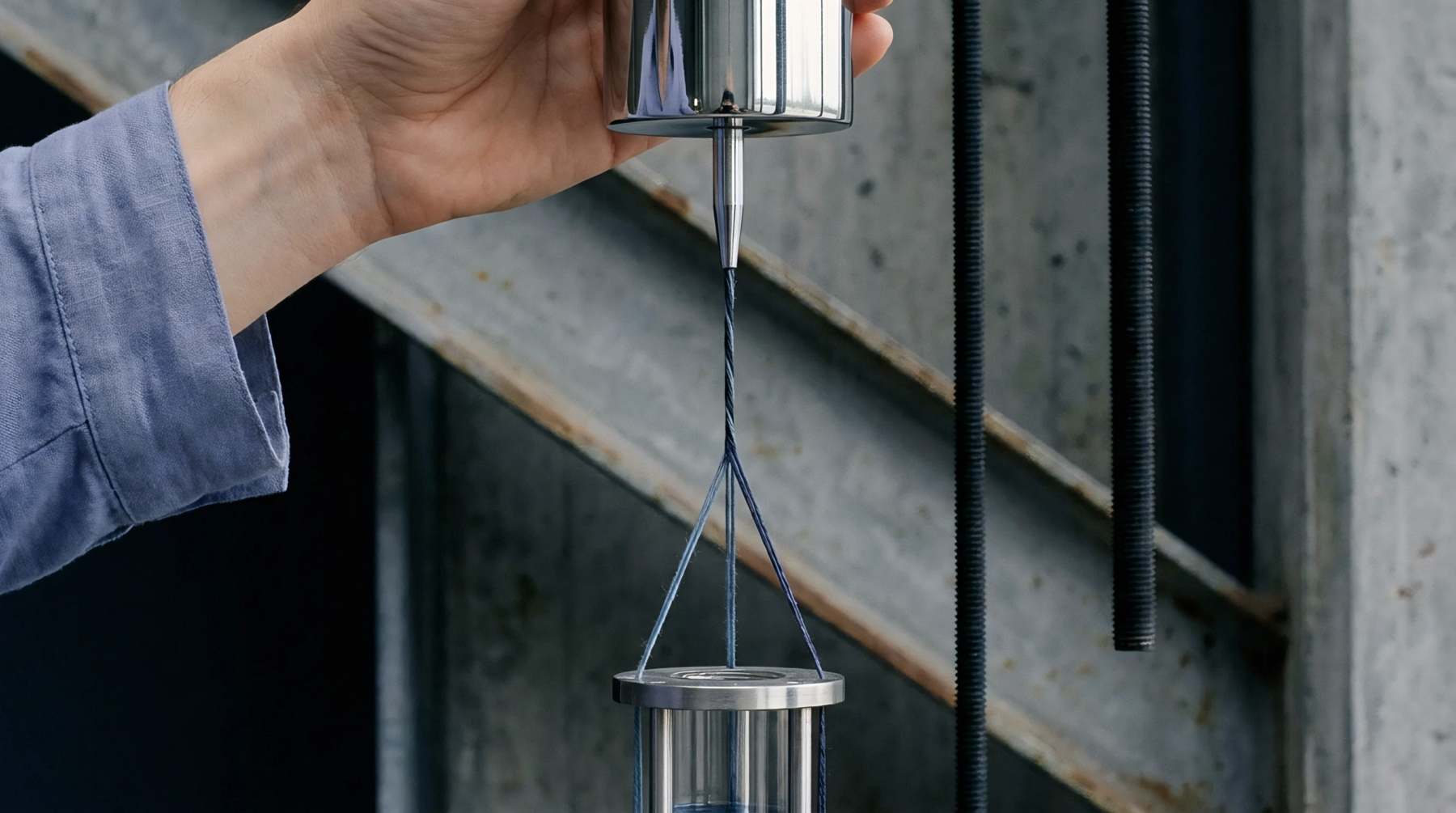
Weibull shape and scale parameters quantify single yarn tail failure rates, governing high-speed weaving warp break frequencies and yarn acceptance limits.

High-frequency dielectric sensing detects hidden core wetness in scutched flax bales to prevent hackling yield loss and commercial mass overpayment.

Inter-laboratory solubilization variance in automated blend analysis is resolved by applying empirical method-specific multipliers to raw extraction data.

Commercial mass invoicing recalculates billed yarn weight by converting gravimetric oven-dry mass using standard fibre moisture regain percentages.

Degraded bast fiber pectin weakens intercellular bonding, accelerating inter-bundle micro-slippage and dynamic fatigue failure under cyclic loading.

Optimizing sizing formulation, humidity, and shed geometry reduces flax warp breaks to achieve 86 percent efficiency on high-speed looms.

Standard moisture regain for line flax imports is fixed at 12.00% over oven-dry mass under ISO 6741-1 to convert gross landed mass into billable mass.
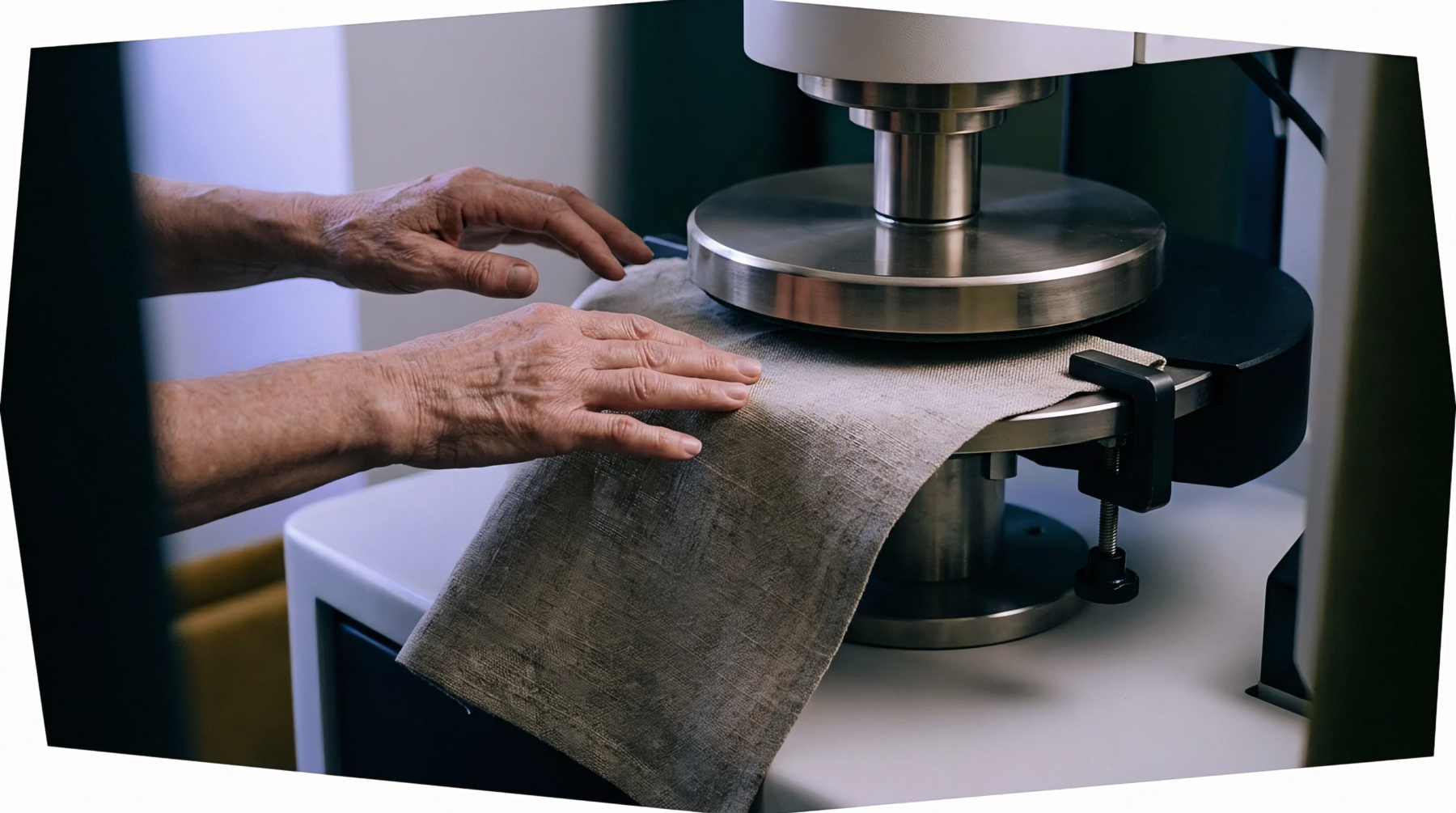
Wet spun linen tensile testing requires pneumatic horn capstan clamps, strict regain control, and Weibull span corrections to predict warp breakage rates.

Constrained elastomeric networks under dynamic cyclic shear decay non-linearly; matching weave float geometry to shear strain limits prevents loom downtime.

Boundary pressure and axial yarn tension elevate fabric shear resistance, requiring trapped shear modulus values to accurately predict composite forming defects.

Climate retting variance shifts fibre fineness and hackling yield, requiring dynamic drafting adjustments to maintain wet spun yarn count parity and cost.

Standardizing wet processing mass loss factors prevents substitution fraud by establishing audited dry-mass baselines across linen scouring and bleaching operations.

Commercial dry mass in flax consignments resolves by desiccation at 105C to isolate bone-dry mass, adjusted by official 12.00 percent regain for invoice settlement.

Wet spinning raw European flax fiber in third-country mills confers origin to the spinning location under standard non-preferential customs rules.

Reconciling linen mass balance requires netting chemical scouring extraction and wet trough sloughing against dry weight to prevent origin allocation inflation.

Calculate cross-link density by coupling cupriethylenediamine volumetric swell ratios or Kjeldahl nitrogen balances with Flory-Rehner network elasticity equations.

Reconciling hackling yield requires bone-dry mass baseline tracking and tow credit offsets to establish true landed costs for line yarn spinning.

Standard regain corrections adjust long line flax invoice mass by converting gross scale weight to oven-dry fiber mass plus twelve percent commercial regain.

Enzymatic pectin loss during cross-border transit reduces bone-dry flax mass, requiring spectrophotometric uronic acid assays to adjust landed contracts.

Predict differential yarn slippage in loose greige flax by calculating normal crossover forces from crimp imbalance and verifying against critical shear torque.

Scutched flax grading combines visual strick analysis with ISO 2370 airflow permeability to set hackling yield models and wet-spinning count limits.

Greige thread density calculations convert target finished sett to reed width using combined wet processing shrinkage and off-loom weft contraction factors.

Retting-induced cell wall micro-cracks cause premature elementary fibre fracture in the wet-spinning trough, triggering severe drafting force instability.

Optimal retting at Fried 2.8 maximizes line yield at 55 percent, holding wet-spun tenacity above 43 cN/tex while preventing costly hackling tow losses.
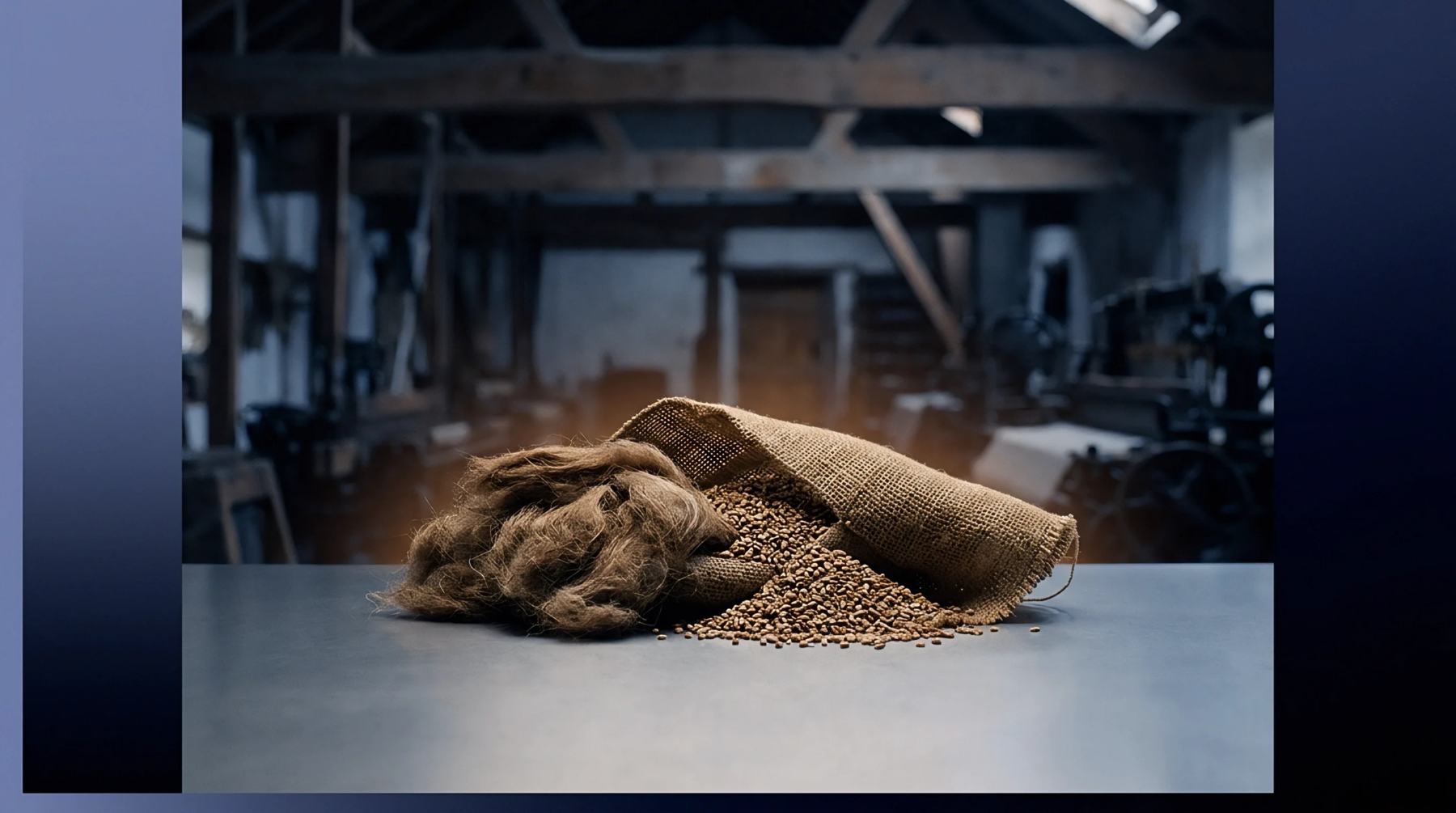
European Flax scutching mass balance requires dry mass normalization, tracking four output fractions within a 2.5 percent permissible audit variance limit.

Quantifying greige restart mark losses requires combining marker yield scrap, second-quality price markdowns, and contractual weaver allowances.

Technical bundle length and linear density fix hackling recovery, drafting limits, and finished yarn count economics in raw flax sourcing.

Determining warp crimp in unfinished linen requires measuring straightened yarn length under ISO 7211-3 fixed loads to accurately budget yarn mass and loom yield.
Expertise is a utility, not a secret. sentiention™ publishes its working knowledge as open reference: intelligence layer covering the materials it sources, the markets it enters, and the reference that serves both.