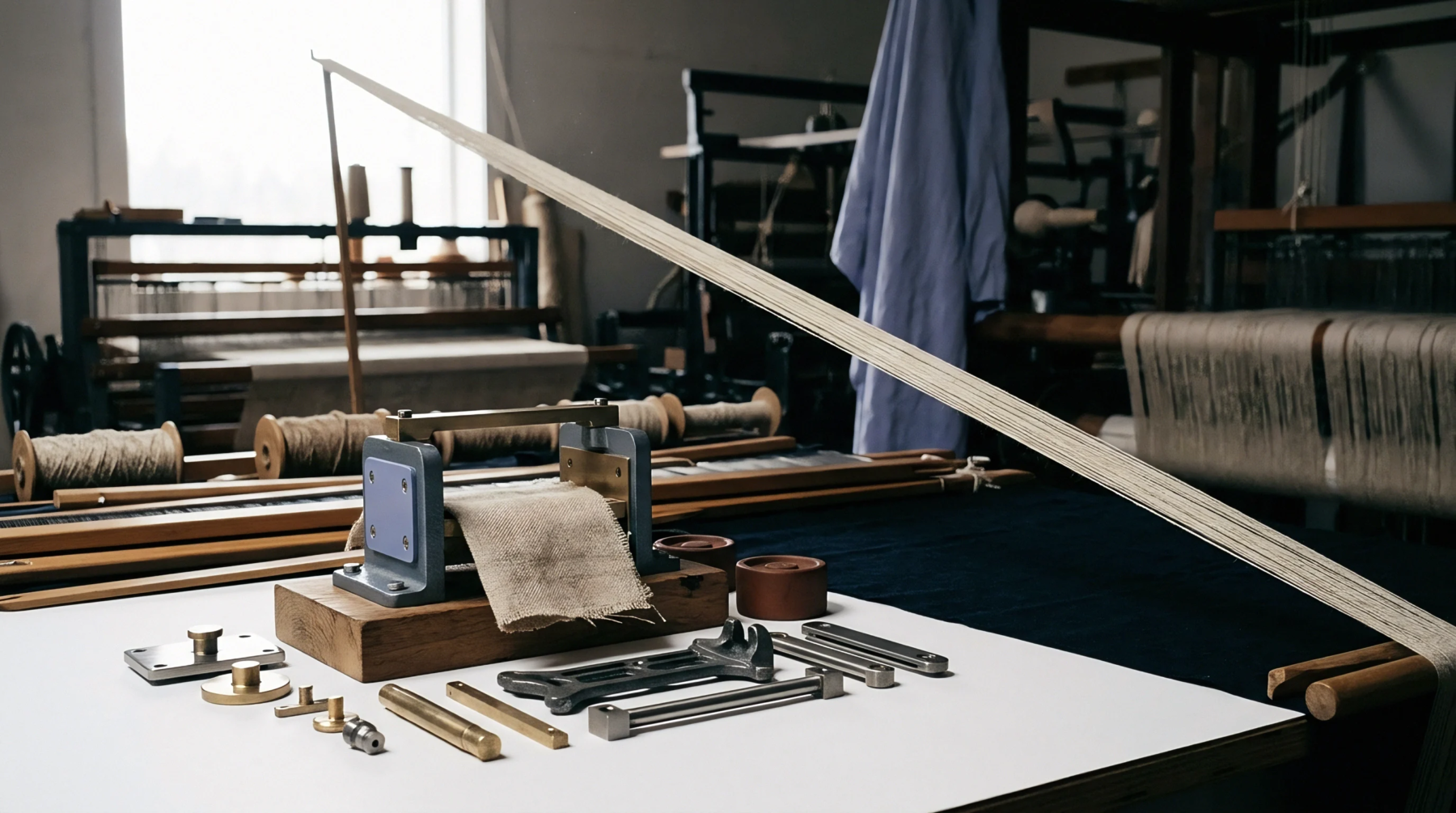
Linen Yarn Count Conversions and Basic Count Calculations
Linear density conversions for linen require applying official moisture regain factors to Lea and Tex counts to fix structural fabric weights accurately.

Linear density conversions for linen require applying official moisture regain factors to Lea and Tex counts to fix structural fabric weights accurately.

Mass balance auditing of wet spinning yarn requires separating chemical pectin bath leaching from physical scrap losses using dry-mass regain corrections.

High-speed mechanical scutching and hackling induce cell wall dislocations in flax bast fibers, directly degrading yarn tenacity and fine-count spinning yield.

Spectrophotometric m-hydroxydiphenyl quantification of ammonium oxalate extracted pectin predicts bast fibre sliver drafting behavior and wet spinning yield.
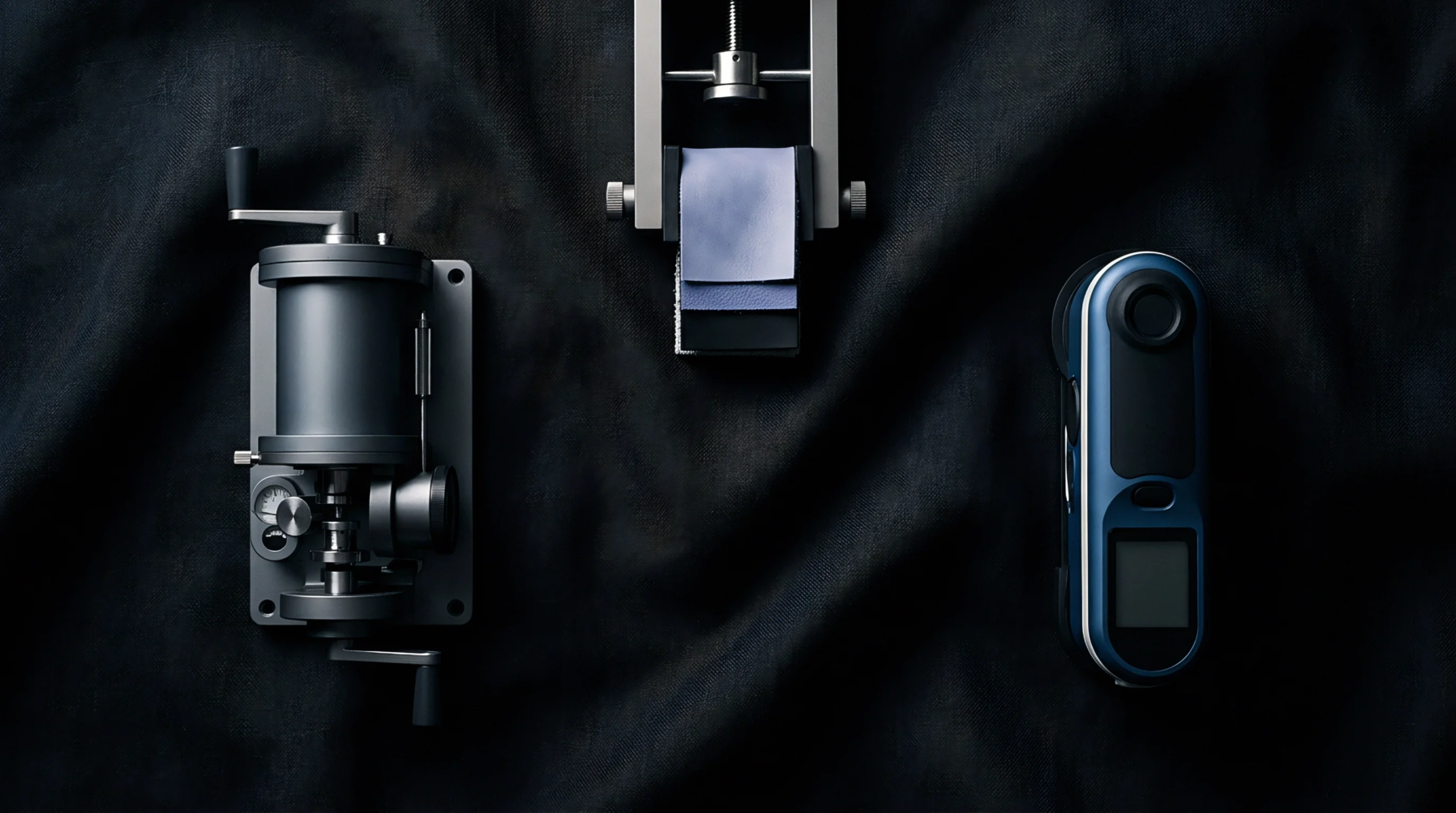
Gravimetric flax fineness testing measures cut bundle mass to determine exact linear density in tex, fixing spinnable yarn count and trade valuation.
Air permeability fineness tests for raw flax require strict 65 percent RH conditioning, precise chamber packing density, and pre-cleaning of shive debris.

Verify wet spinning mass ledgers by adjusting raw inputs to standard moisture regain, deducting verified chemical bath extraction losses and weighed mechanical scrap.

Elementary cell cross-sectional area population distributions predict wet-spinning breakage limits far more accurately than standard gravimetric tex averages.
Verify European Flax scope claims by matching batch transaction certificates to mill intake logs and applying stage yield losses to raw input mass.
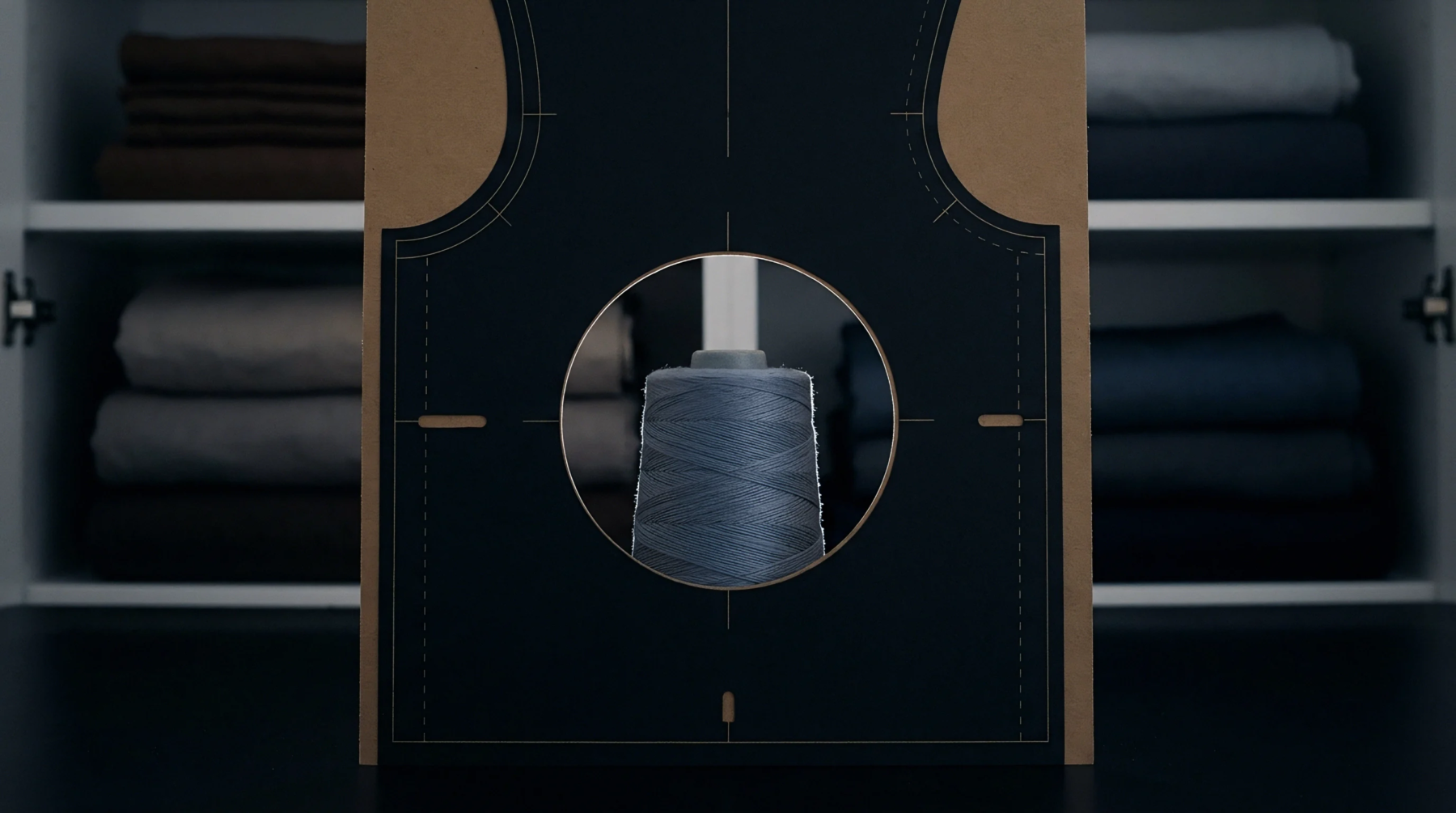
Wet spun flax linear density and mechanical properties depend on strict moisture regain control, hot water pectin drafting, and CRE tensile evaluation.

Industrial cross-linking locks flax yarn mobility, driving tear strength losses up to forty percent while restricting structural shear resistance.

Masters of Linen mandates 100% European transformation, making Chinese processing invalid; European Flax allows overseas processing with verified chain of custody.

Greige reed marks and starting marks map directly to reed wire spacing and loom stoppage dynamics, requiring electronic let-off adjustment to eliminate defects.
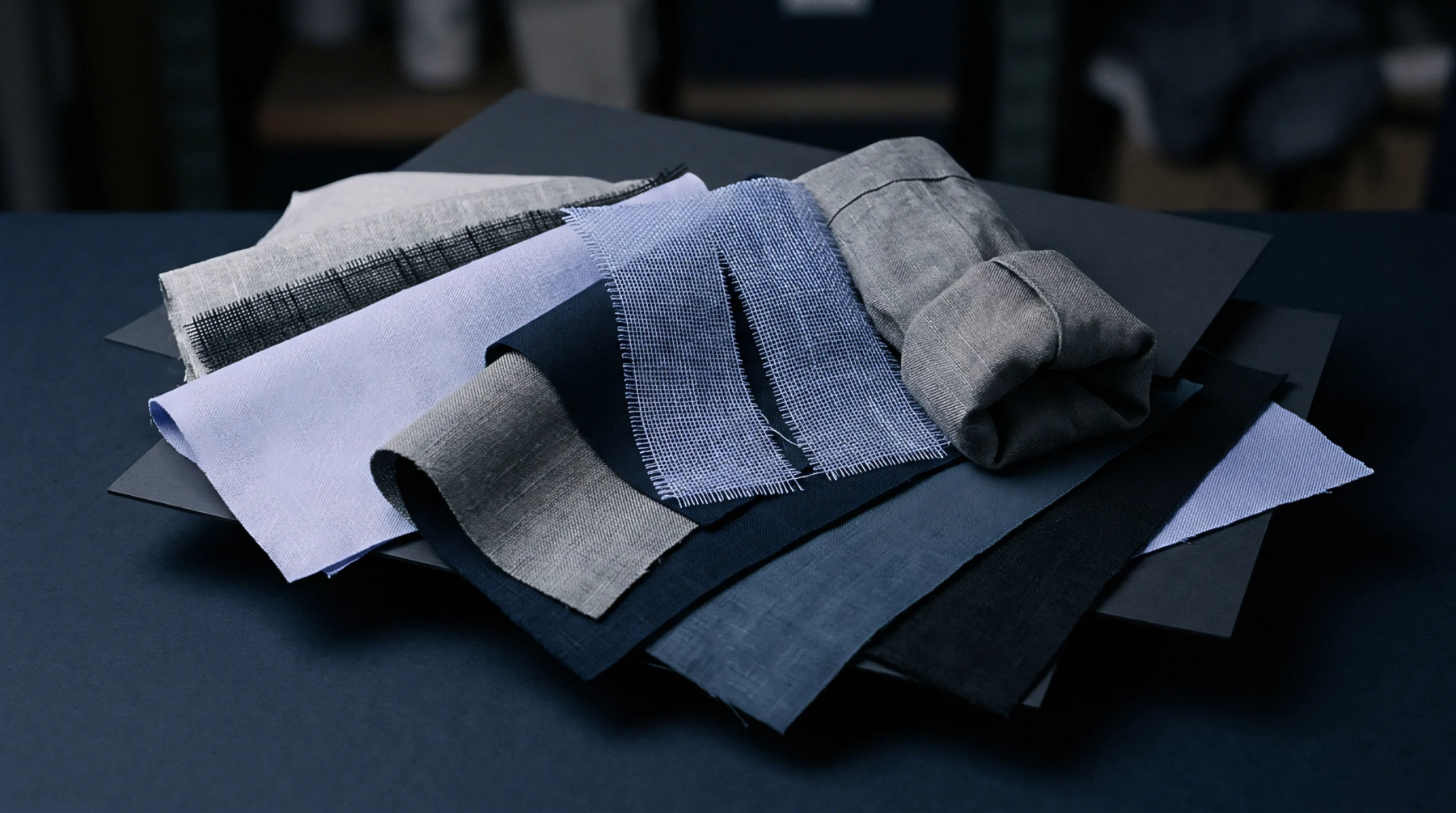
Landed linen costing requires dividing greige linear price by the net length yield factor while netting out chemical scouring mass loss from gross roll weight.
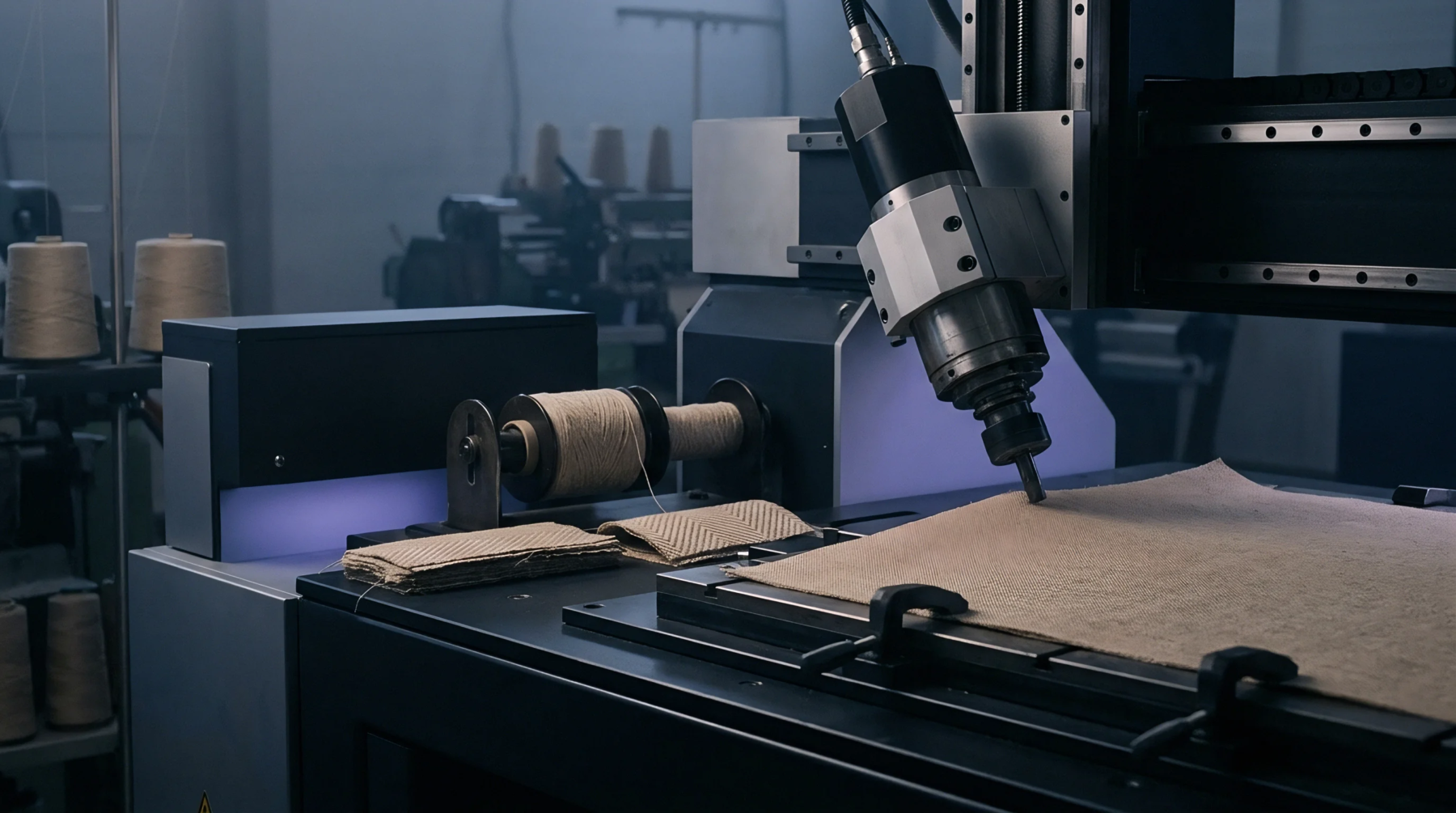
Optimizing rapier clamping timing, catch cord width, and active pre-winder braking reduces total weft waste cascades below six percent on high speed linen sheds.

Cyclic shedding strain in high-density ultrafine linen warps causes inter-fiber shear micro-fibrillation, controlled by optimized PVA sizing and low shed angle.

Dynamic weaver interference in dense linen sheds collapses loom efficiency unless predictive queueing models optimize operator routing to control warp break downtime.

Deriving finished linen mass metrics requires transforming greige thread density using dimensional shrinkage and chemical scouring mass loss coefficients.

Optimizing air-jet linen weaving requires reducing heald stroke height and dampening peak shedding tension to prevent dynamic fatigue breaks in low-elongation flax warps.

Reconciling warp crimp and waste factors prevents yarn budget deficits by capturing cumulative process losses across landed fabric cost models.

Resolving multi-party friction defect claims on ultrafine linen warps requires standardized sizing telemetry audits and retained un-sized yarn sample testing.

Dynamic friction in fine wet spun linen warps limits loom speed, demanding tailored size films, optimized shedding angles, and ambient humidity control.

Dynamic interference time in dense fine linen weaving escalates exponentially above six-loom allocation sets, demanding dynamic workload modeling to protect loom hour margins.

Engineering accurate linen fabric specifications requires coupling loom crimp take-up equations with wet process shrinkage factors to fix finished GSM and width.
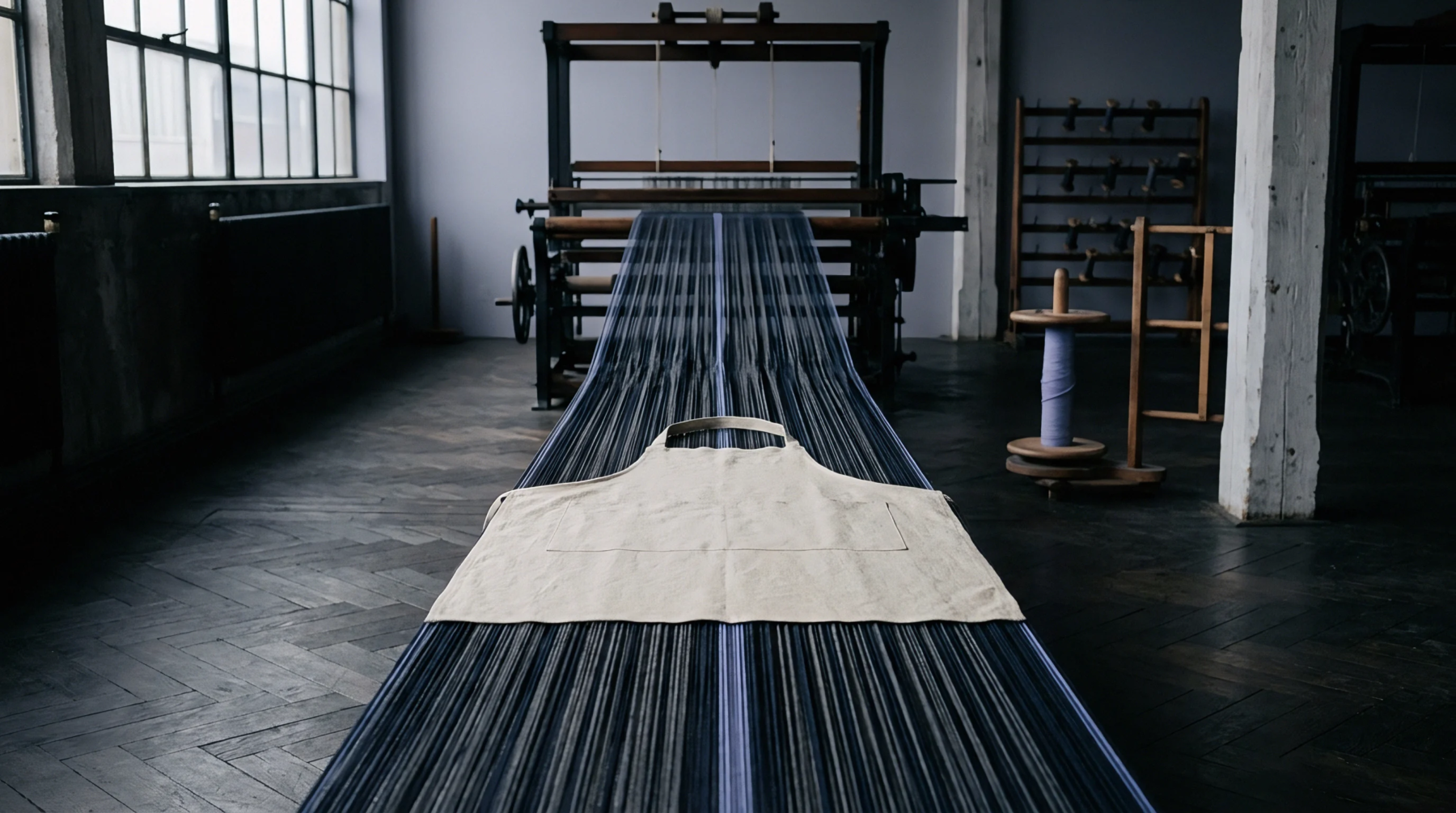
Adjusting rear shed depth and backrest symmetry flattens peak shedding tension spikes below yarn failure limits, drastically improving high-density linen loom efficiency.

Maintaining peak dynamic warp tension below thirty percent of single yarn tenacity is essential to prevent cyclic fatigue breakage in high density linen weaving.

Calculating real landed fabric cost requires dividing hourly loom shed rates by efficiency-adjusted yield and adding verified yarn loss, finishing shrinkage, and freight.

Optical image analysis of overlapping flax bundles demands controlled sample dispersion, distance transform segmentation, and microtome cross-sectional correction.
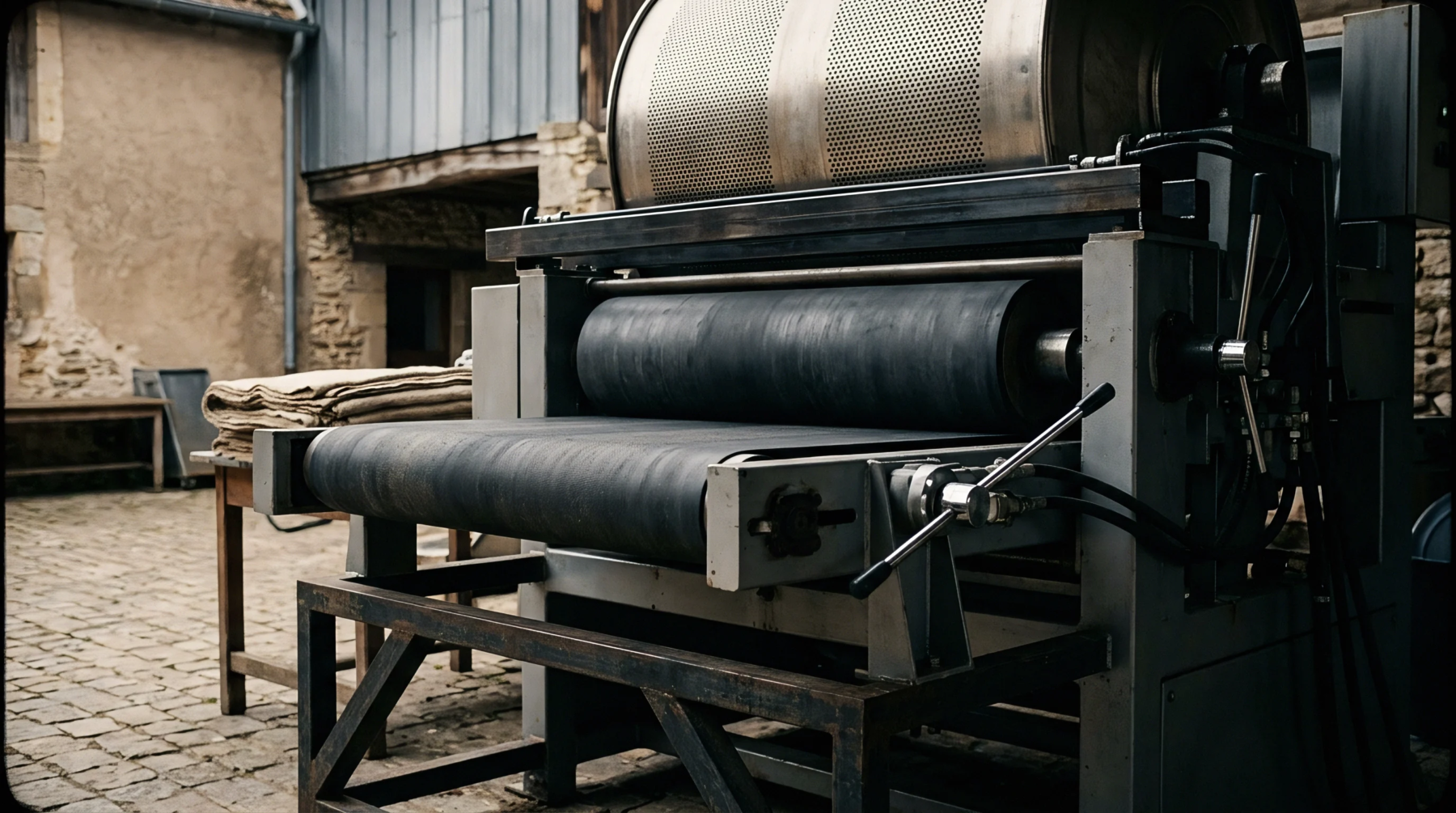
Controlled wet spinning trough hydrolysis selectively softens middle lamella pectin to optimize bundle division while retaining staple length for high tenacity.

Accurate measurement of flax fiber length distribution requires converting between numerical count and mass-weighted metrics to control drafting waves.
Expertise is a utility, not a secret. sentiention™ publishes its working knowledge as open reference: intelligence layer covering the materials it sources, the markets it enters, and the reference that serves both.