
Hackling Yield Arithmetic between a Bale and a Finished Metre
Landed linen metre cost depends primarily on hackling line yield, where each percentage loss in combed sliver inflates yarn preparation costs down the loom.

Landed linen metre cost depends primarily on hackling line yield, where each percentage loss in combed sliver inflates yarn preparation costs down the loom.

Enzymatic degumming for fine wet spinning demands residual pectin levels between 1.2 and 1.8 percent by mass to balance wet drafting and yarn tenacity.

Commercial settlement of flax fibre dressing requires converting gross scale mass to oven-dry mass under ISO 6741 using standard regains of 12% for line and 13% for tow.
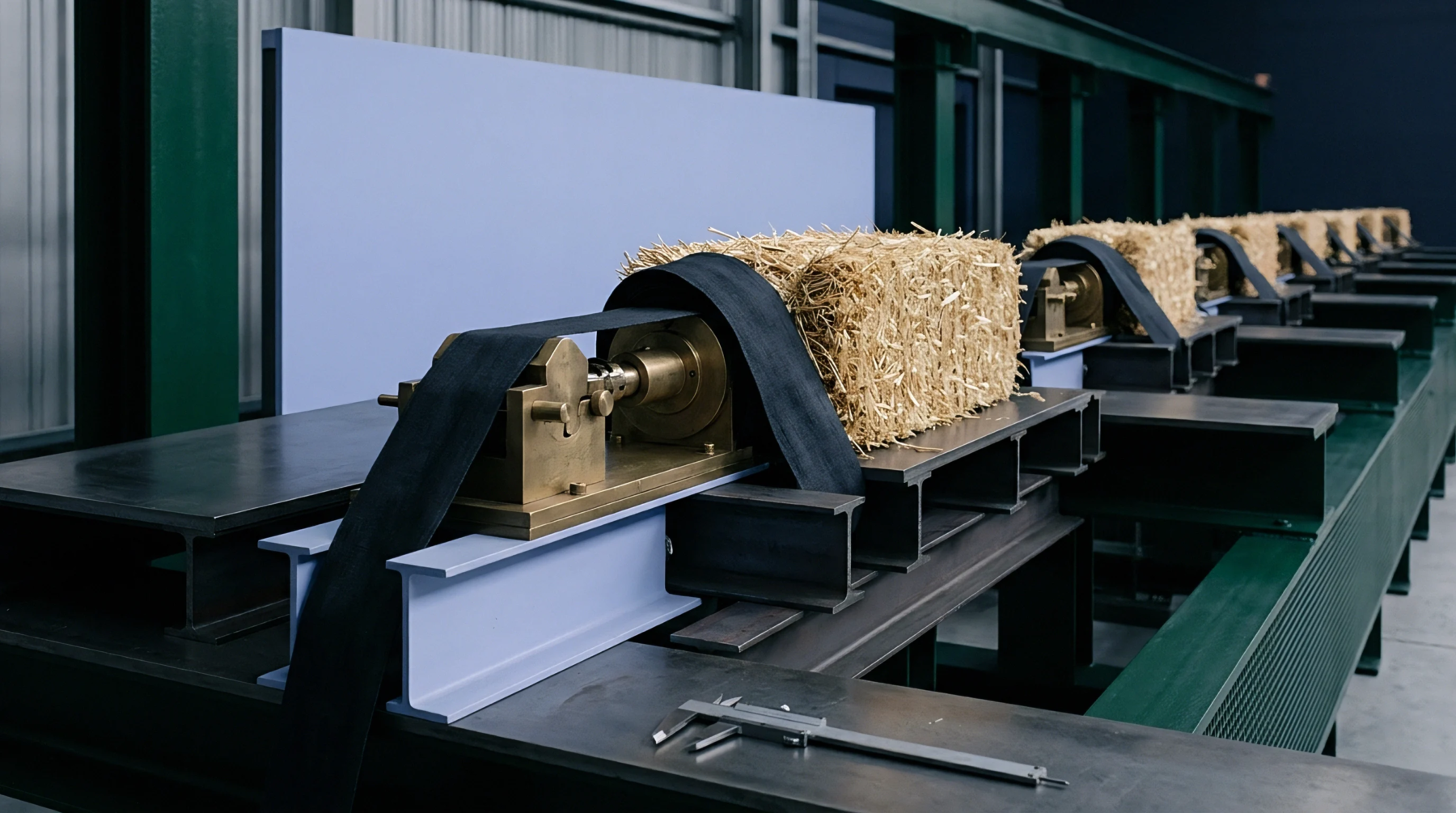
Dew retted line flax hackling yield determines long line fiber recovery, tow ratios, and yarn production costs through precise fineness and strength testing.

Reconcile bast fibre customs ledger discrepancies by converting scale weights to invariant oven-dry mass using core testing before applying commercial regain rates.

Balancing bast fiber loom shed humidity requires maintaining 76-80% RH to achieve 12% warp regain, preserving yarn elasticity and preventing size film dusting.
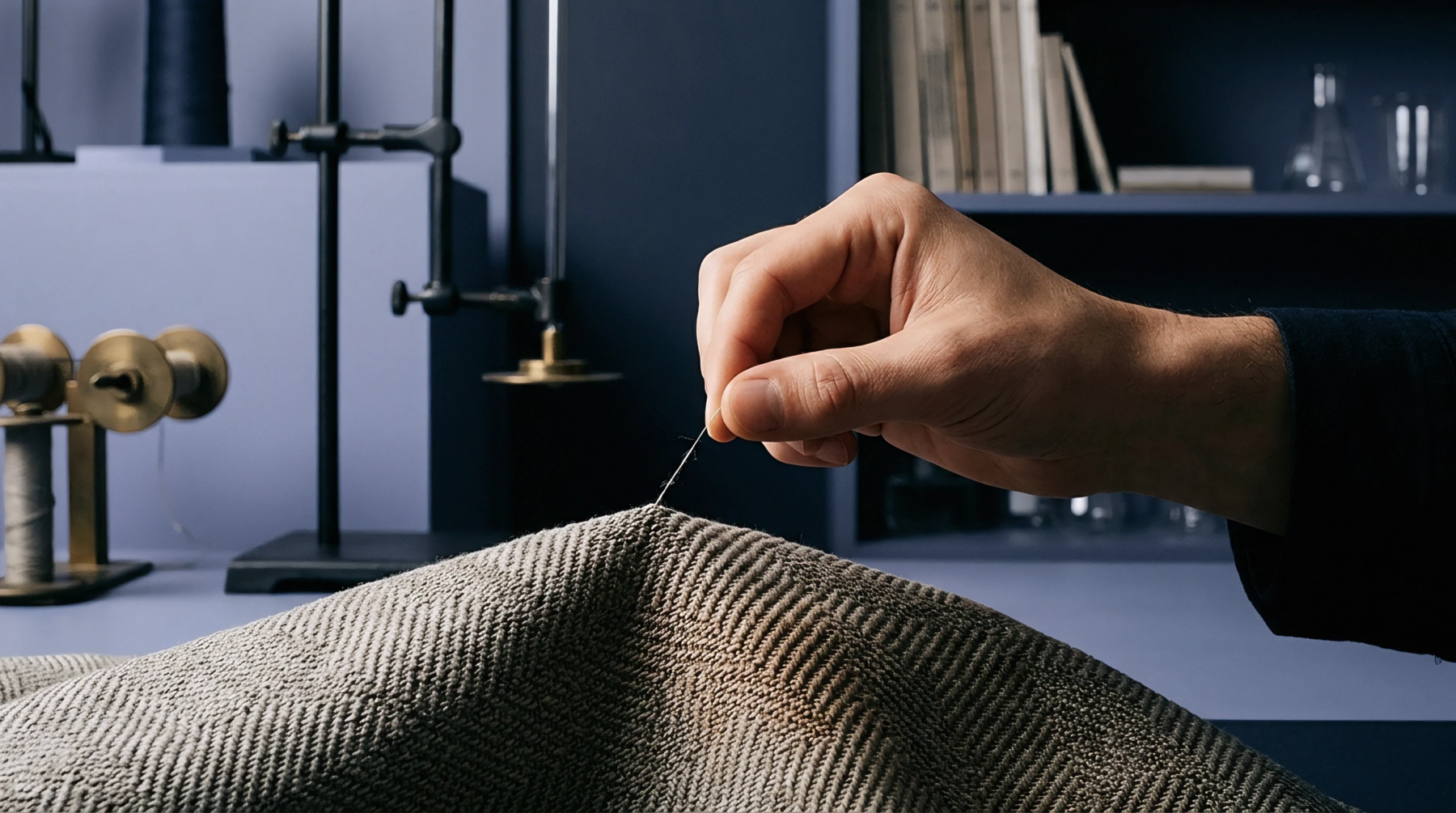
Multi-spectral optical image analysis of raw flax sliver enables real-time hackling comb adjustments, increasing long line yield by over 7 percent.

Optimize wet ring frame trough temperatures to 72°C and hold draft ratios below 17 for Heilongjiang dew-retted line flax to limit end breaks.

Laboratory verification of flax staple length and tenacity requires calibrated clamp geometry, gravimetric tex determination, and strict climate control.

Raw flax field dockets match scutching intake when weighbridge tares, moisture regain corrections, and lot dockets reconcile under standard ISO dry mass limits.

Anisotropic hydration swelling and crimp interchange drive linen contraction, requiring accurate warp allowances to guarantee finished dimensions and cost.

Commercial moisture adjustments convert raw flax scale weight to invoice weight using dry mass and the contractual twelve percent regain baseline.
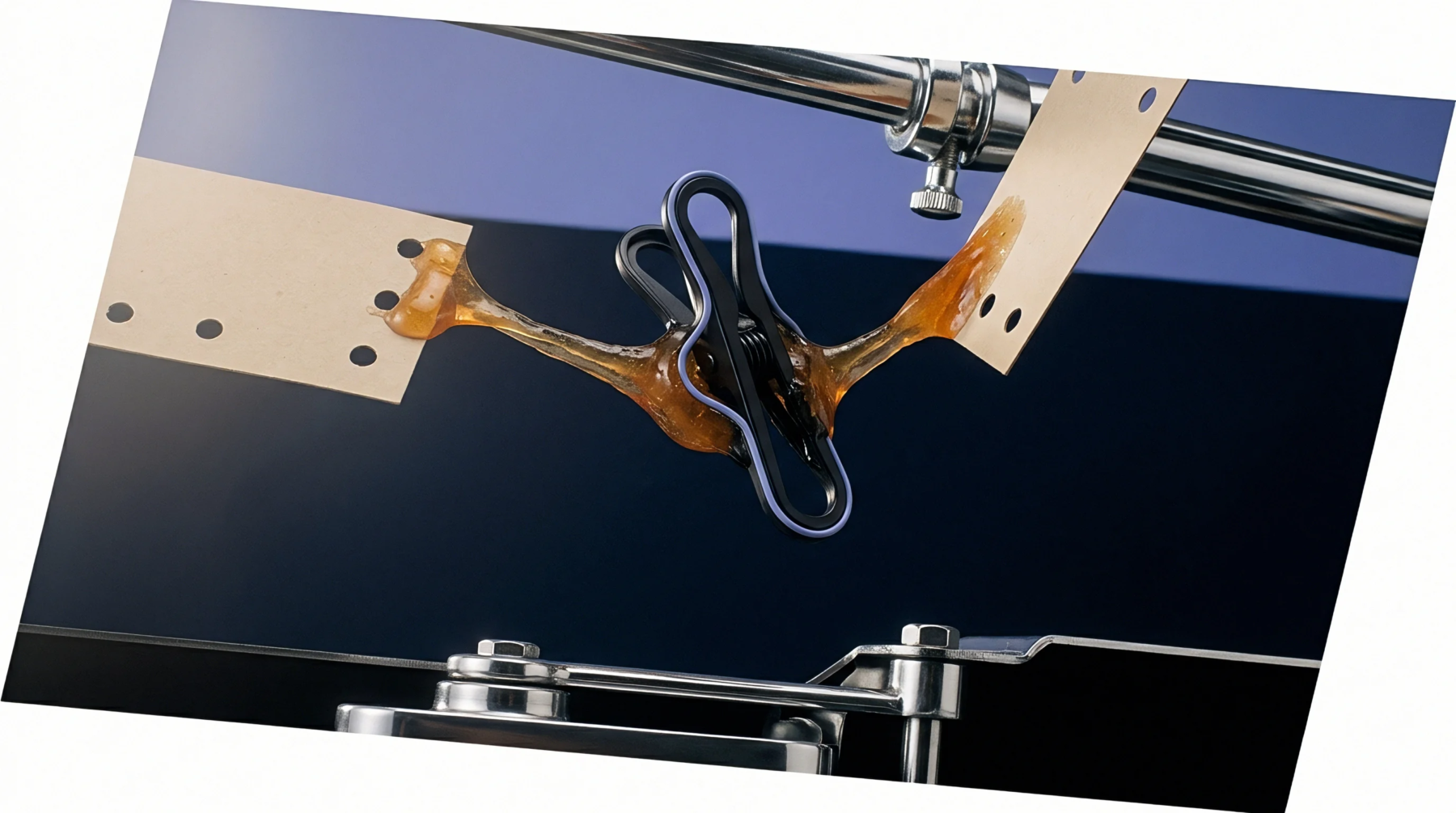
Steep secondary cell wall microfibril orientation maximizes bast fiber axial tenacity, reducing yarn breakages and lower landed spinning costs.

Auditing European Flax scutched fiber receiving records reconciles dry fiber mass, certificate codes, and scutching lot numbers to defend chain of custody.

Reconciling third-country linen origin mass balances requires normalizing moisture regain to dry matter mass and accounting for specific hackling and scouring waste factors.

Balancing inter-yarn friction via controlled finishing softeners enables high-density Jacquard linen to dissipate tear energy through localized yarn bundling.

Dew-retted European flax exhibits low surface sludge deposits below 3.5 mg/g, providing physical verification to validate origin claims against fraud.

Optimizing wet spinning trough temperature and bath chemistry based on flax lignin metrics stabilizes drafting forces, drops end breaks, and cuts yarn cost.
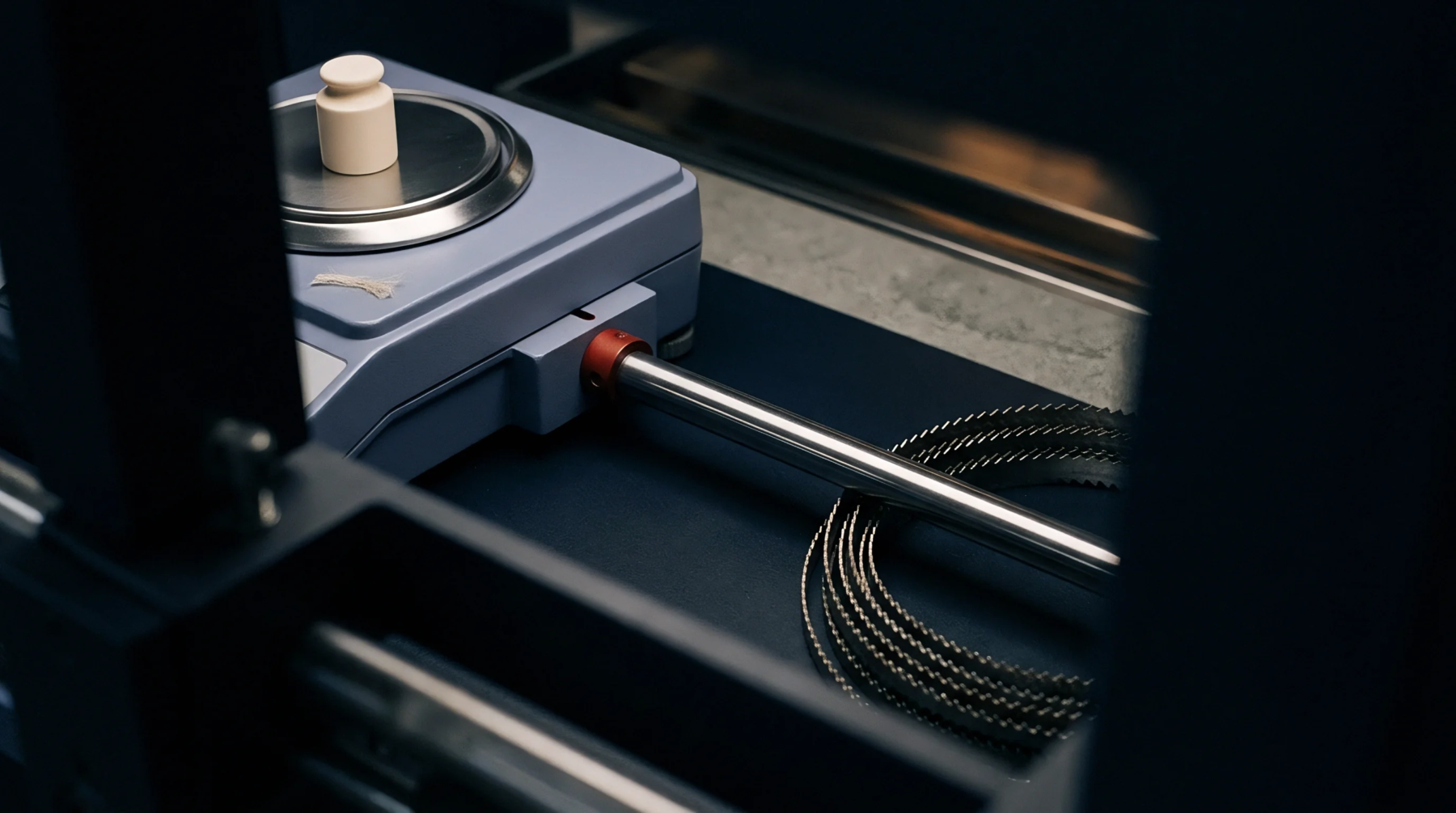
Ultra-high-speed rapier insertion causes non-linear yarn dynamic degradation and micro-slippage that requires optimized clamping and sizing to prevent shed stops.
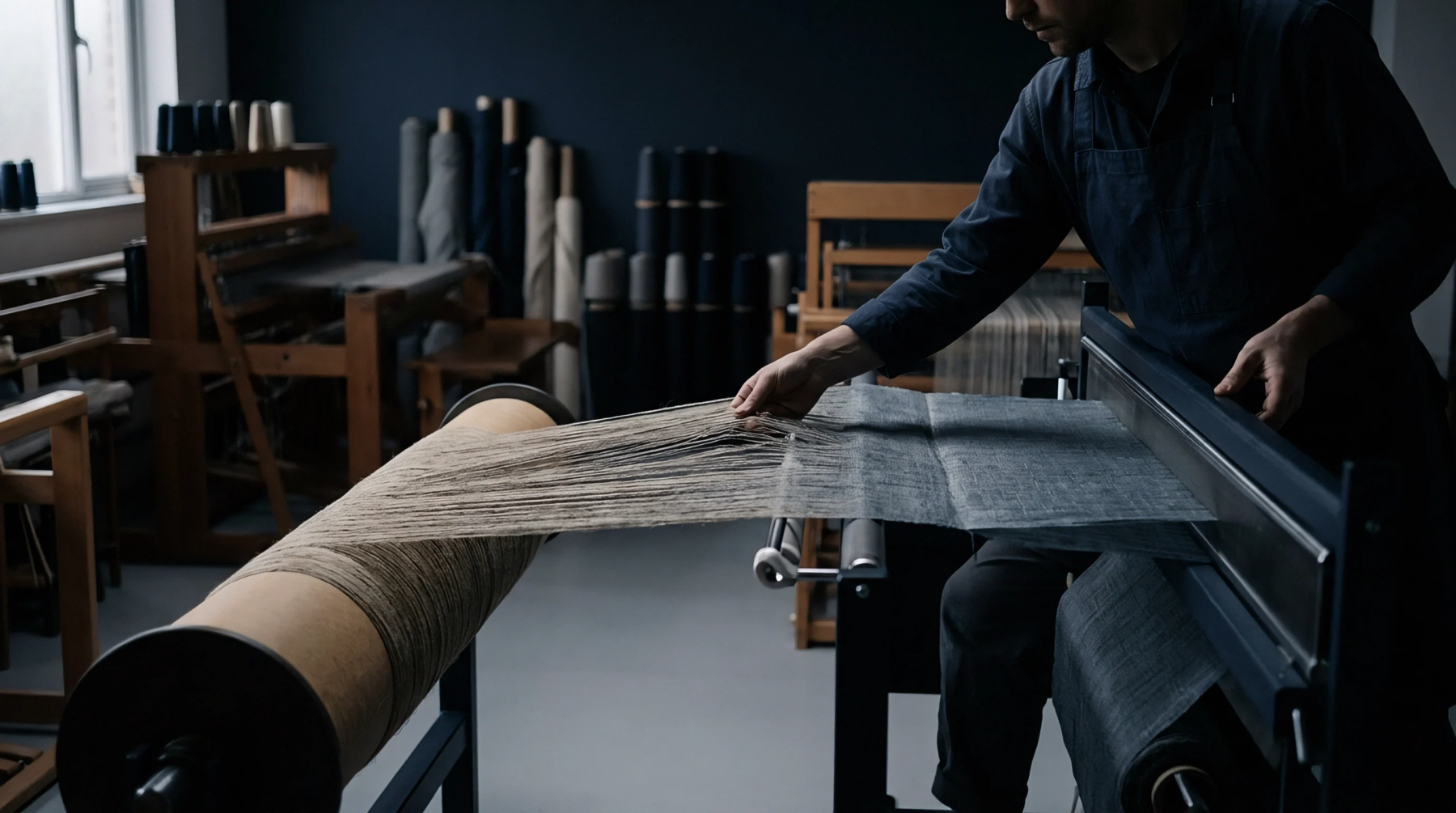
Controlling high-pressure alkaline roving boiling maintains intrinsic viscosity above 820 mL/g, balancing pectin extraction against hydrolytic cellulose damage.

Primary rapier trim scrap depends on insertion geometry rather than fabric width, requiring exact tail length modeling to prevent yarn yield deficits.
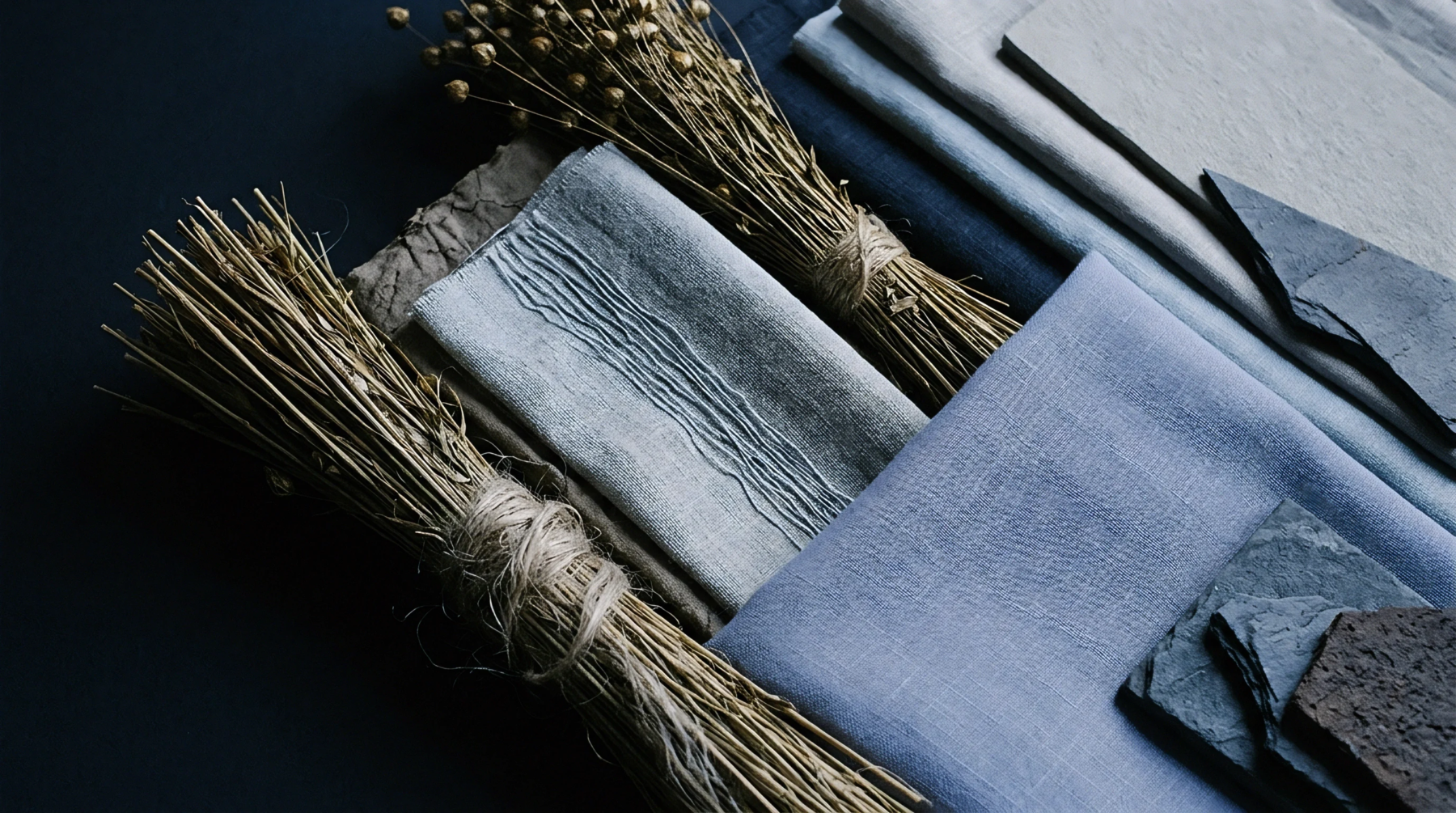
Calibrating inter-elementary pectin matrix cohesive parameters against dynamic loom tension spikes prevents shear failure in ultrafine wet spun linen.

Controlling peak dynamic warp strain in fine linen weaving requires balancing backrest roller damping, shed geometry, and moisture to prevent yarn fatigue.

Calibrating wet spinning trough temperature and water turnover reconciles organic flax pectin dissolution losses against certified mass balance yields.

Determine woven linen weight and thread density by converting yarn Lea to Tex, applying cover factor equations, and accounting for finishing shrinkage.
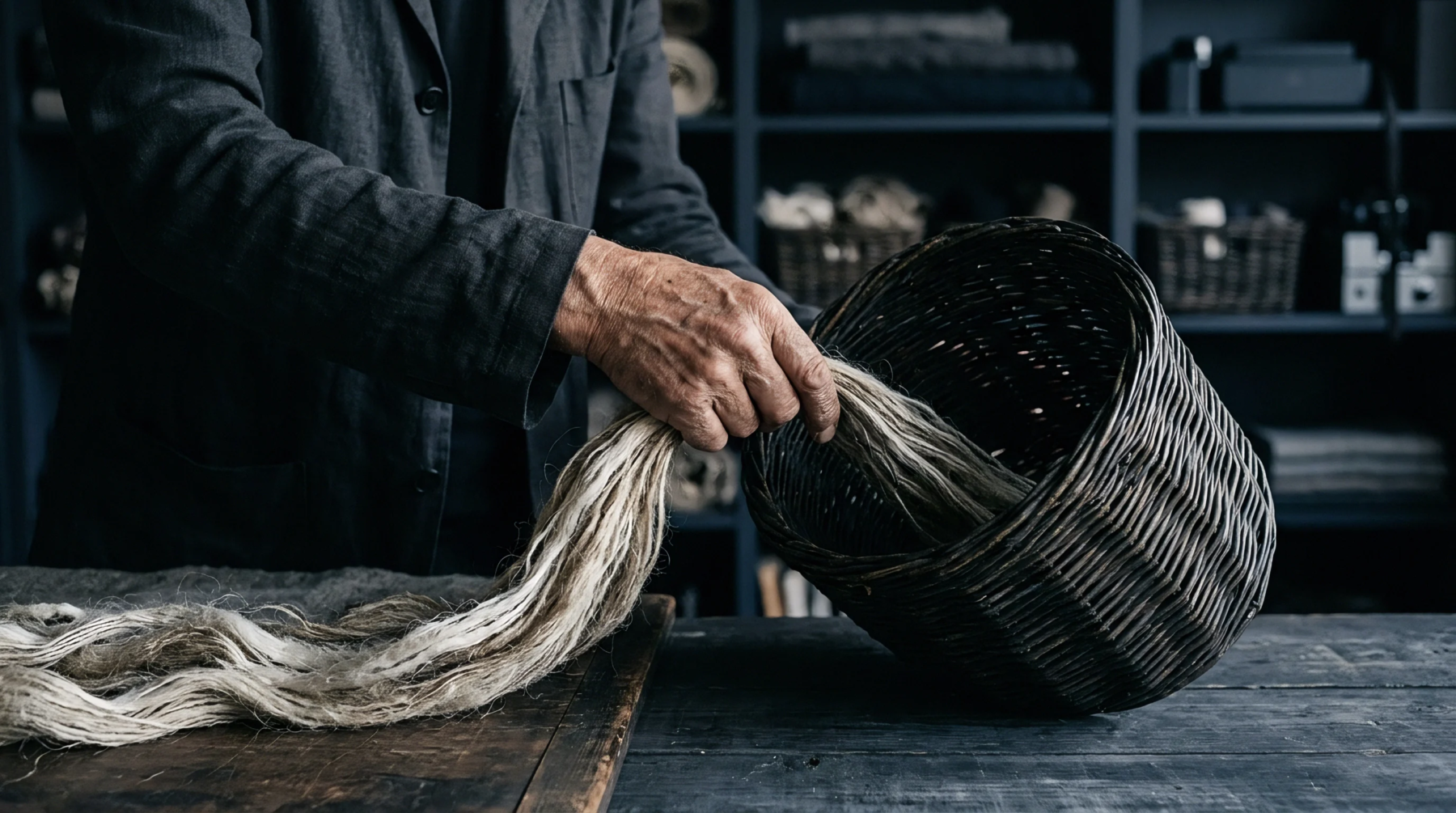
Establishing isotopic soil baselines for European flax requires measuring bioavailable strontium and oxygen ratios to verify fiber origin against document claims.

Gravimetric flax fineness testing requires correcting bone dry bundle mass to 12% standard regain to prevent count errors and landed cost distortions

Fine count wet spun linen mass balance requires deducting 2.5 to 4.5 percent pectin dissolution loss and count-adjusted mechanical scrap from dry input mass.

Hydrothermal pectin dissolution rates must match drafting speed and bath temperature to prevent core rigidity or slippage in the wet spinning draft triangle.

European flax verification requires matching batch Transaction Certificates against mill weighbridge receipts and verifying Scope boundaries across all transformation tiers.
Expertise is a utility, not a secret. sentiention™ publishes its working knowledge as open reference: intelligence layer covering the materials it sources, the markets it enters, and the reference that serves both.