Settlement Density
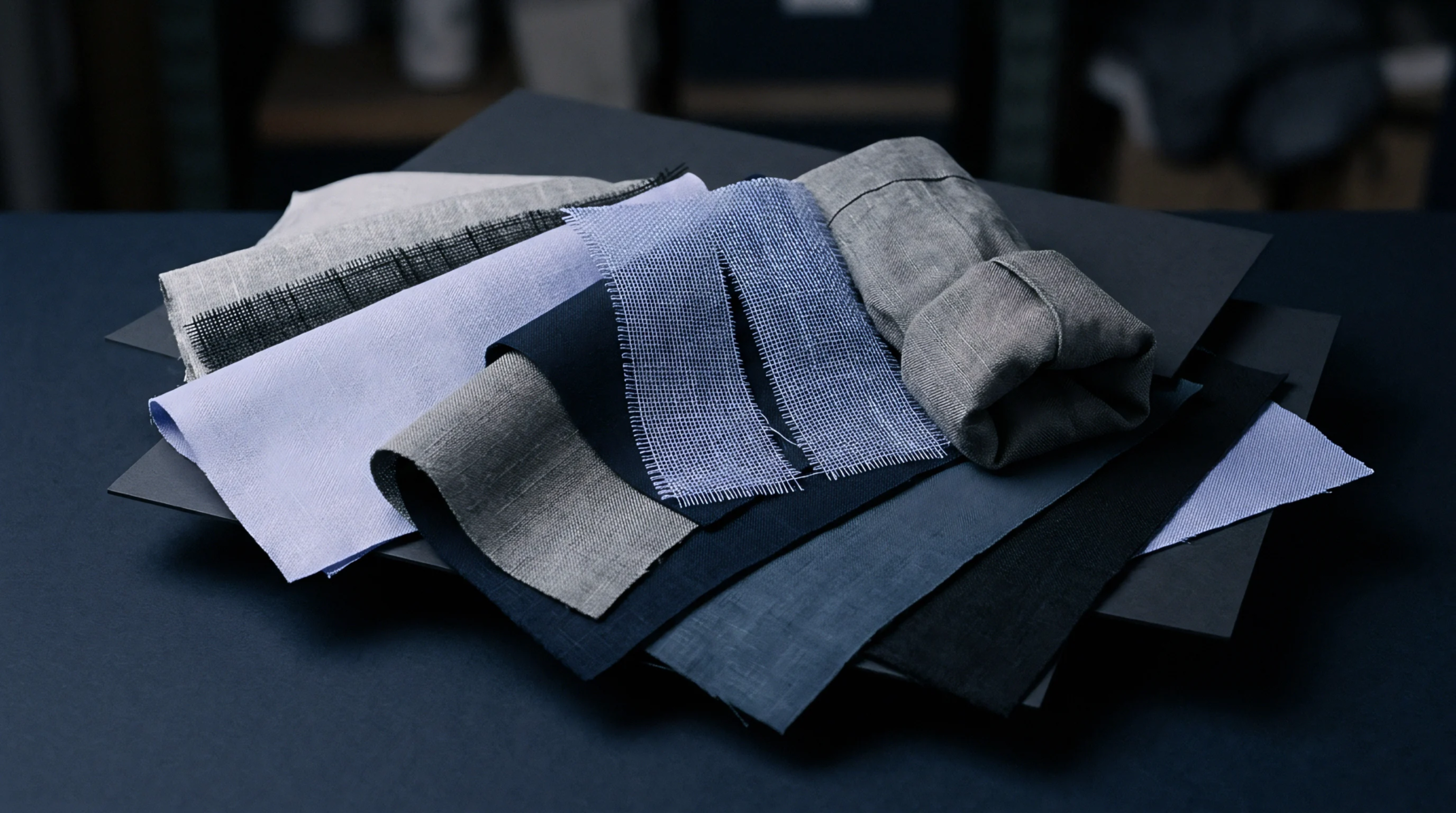
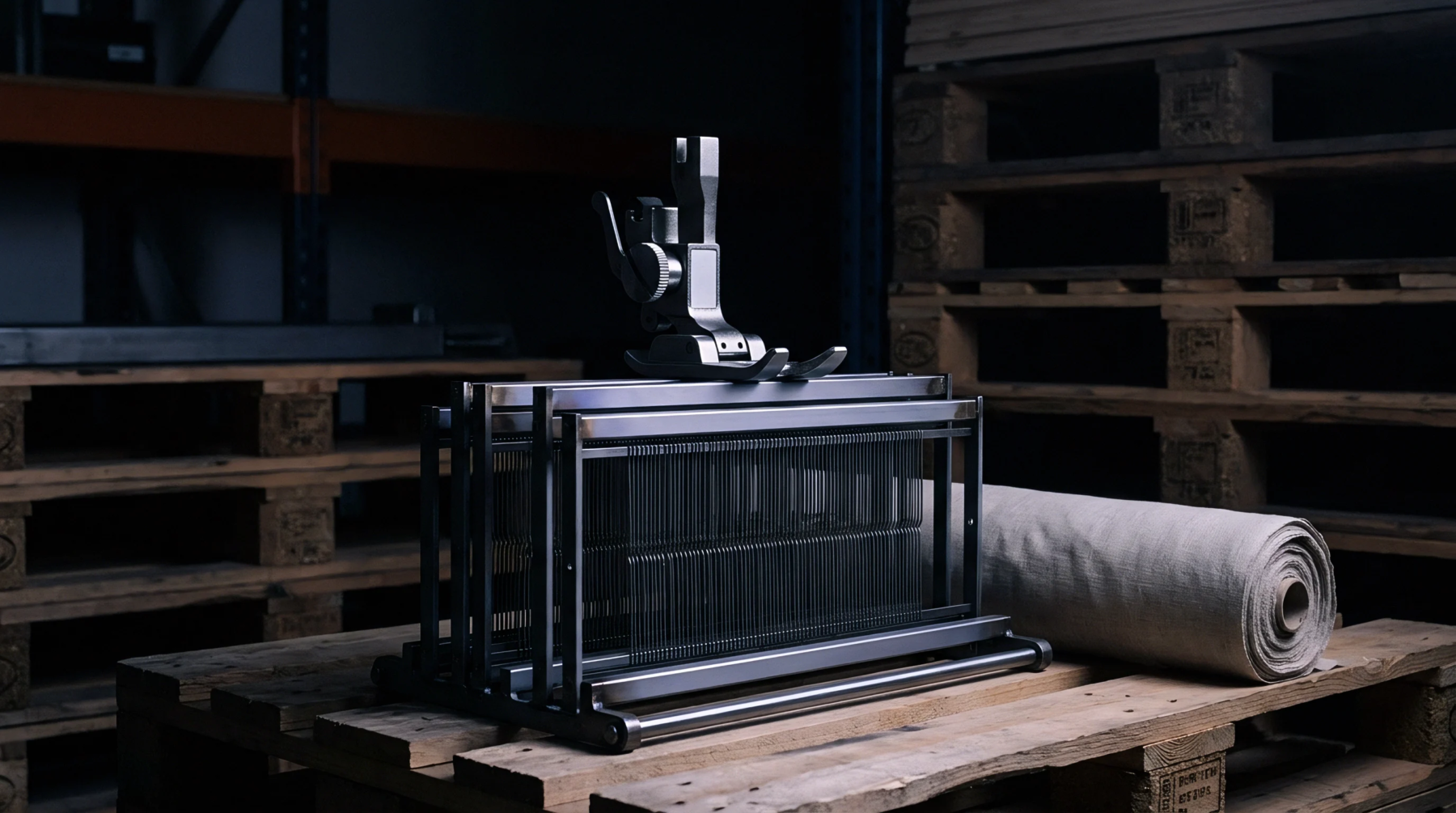
Linen manufacturing relies upon the spacing of warp filaments through a steel comb during the passage of the loom. Reed density quantifies the number of dents per unit of measurement across the width of the machine. This parameter establishes the physical limit for the number of warp ends per centimetre in the final fabric.
High values correlate with heavy cloth construction while lower values allow for lighter, more porous material. Proper selection of this configuration prevents fibre breakage and ensures the structural integrity of the output.
Comb Specification
Technicians select the frame based on the target mass of the finished textile and the diameter of the spun yarn. A narrow spacing requires finer filaments to avoid friction during the beat up cycle where the reed pushes the pick into the fell of the cloth. Factories document these choices in the production order to ensure consistency between different lots of identical stock.
Deviation from the stated count results in an incorrect pick count or inconsistent width during the finishing phase. Variations in the equipment setup produce immediate changes in the weight of the fabric per square metre. Accurate calculation of this factor minimizes material waste during the high speed weaving process.
Trade Standard
Global buyers specify these measurements in procurement contracts to define the texture and opacity of incoming linen stock. Inspection teams verify the count against the purchase agreement during the receiving stage to confirm that the supplier maintained the correct equipment settings throughout production. A mismatch between the recorded density and the physical sample serves as grounds for a claim regarding the quality of the goods.
Final audits confirm that the finished width matches the intended target after all shrinkage from the wet processing stage occurs. This metric determines the structural capacity of the textile.