Tension Control
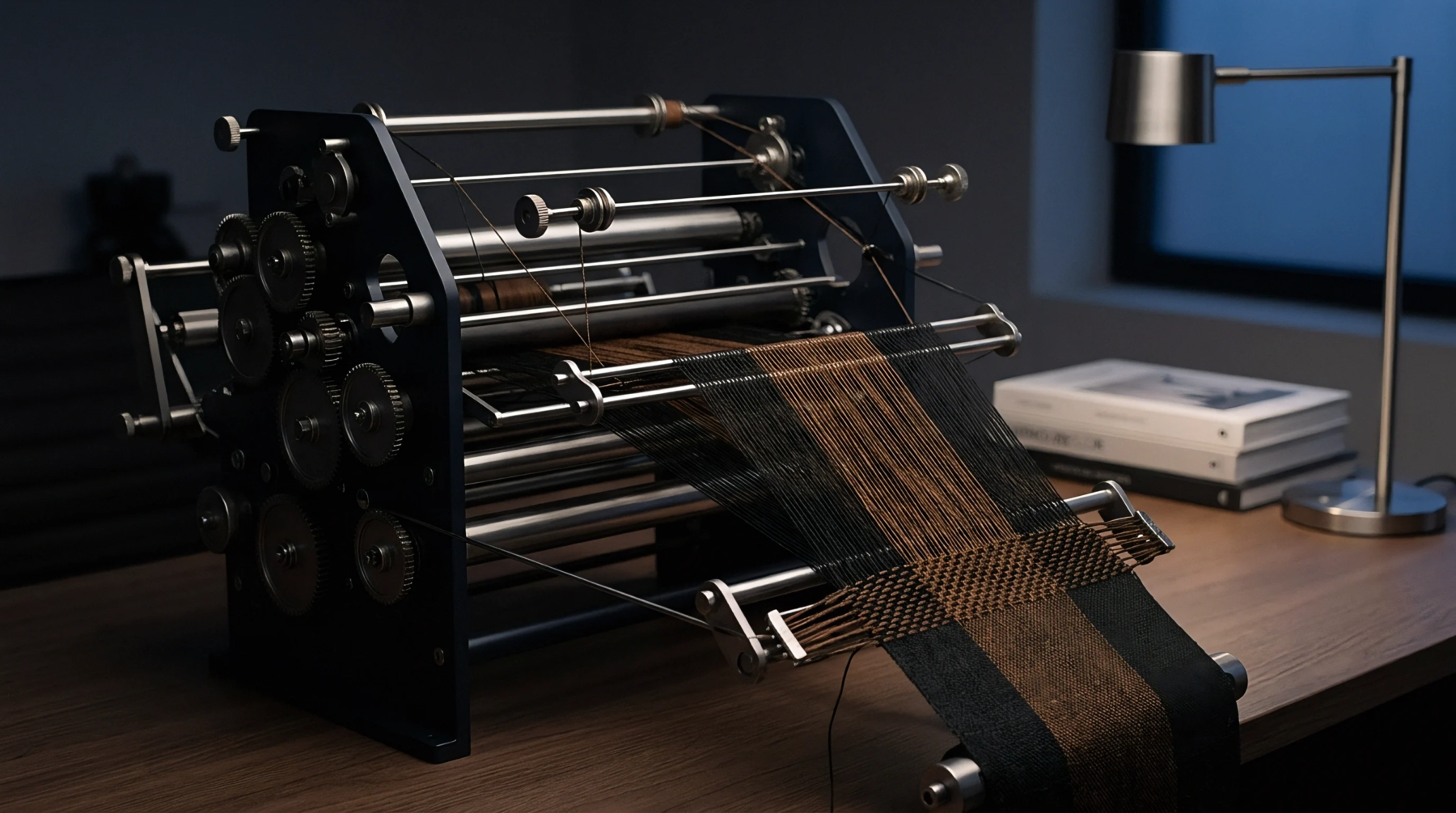
High-speed weaving machines require constant control over the yarn during its path from the package to the loom. The mechanical activation of the brake on the pre-winder unit, referred to as pre-winder brake engagement, regulates the tension of the weft yarn before it enters the insertion phase. The system prevents yarn from uncoiling too rapidly and causing tangles during high-speed operation.
It is essential for managing the high-speed movement of linen yarns.
Operational Cycle
During the weaving cycle, the pre-winder stores a pre-measured length of weft yarn on its drum to allow for rapid insertion by the rapier or air-jet. When the insertion starts, the yarn is released, and the brake must engage at a precise millisecond to stop the yarn once the required length is fed. Proper timing prevents yarn bounce and excess tension spikes.
If the brake engages too early, the yarn breaks, whereas late engagement causes loose loops in the fabric.
Fabric Quality
Correct adjustment of the brake ensures uniform weft density across the entire width of the woven linen cloth. When tensions are inconsistent, the fabric exhibits defects such as uneven edges or weft waviness, which results in the material being downgraded during final inspection. Modern mills utilize electronic sensors to monitor the braking force, adjusting the electronic parameters in real time to match the moisture level of the linen yarn.
Such automation reduces machinery downtime, enhances weaving efficiency, and prevents the creation of waste material during start-stops, which represents an important financial consideration for mills producing high-end export linen fabrics.