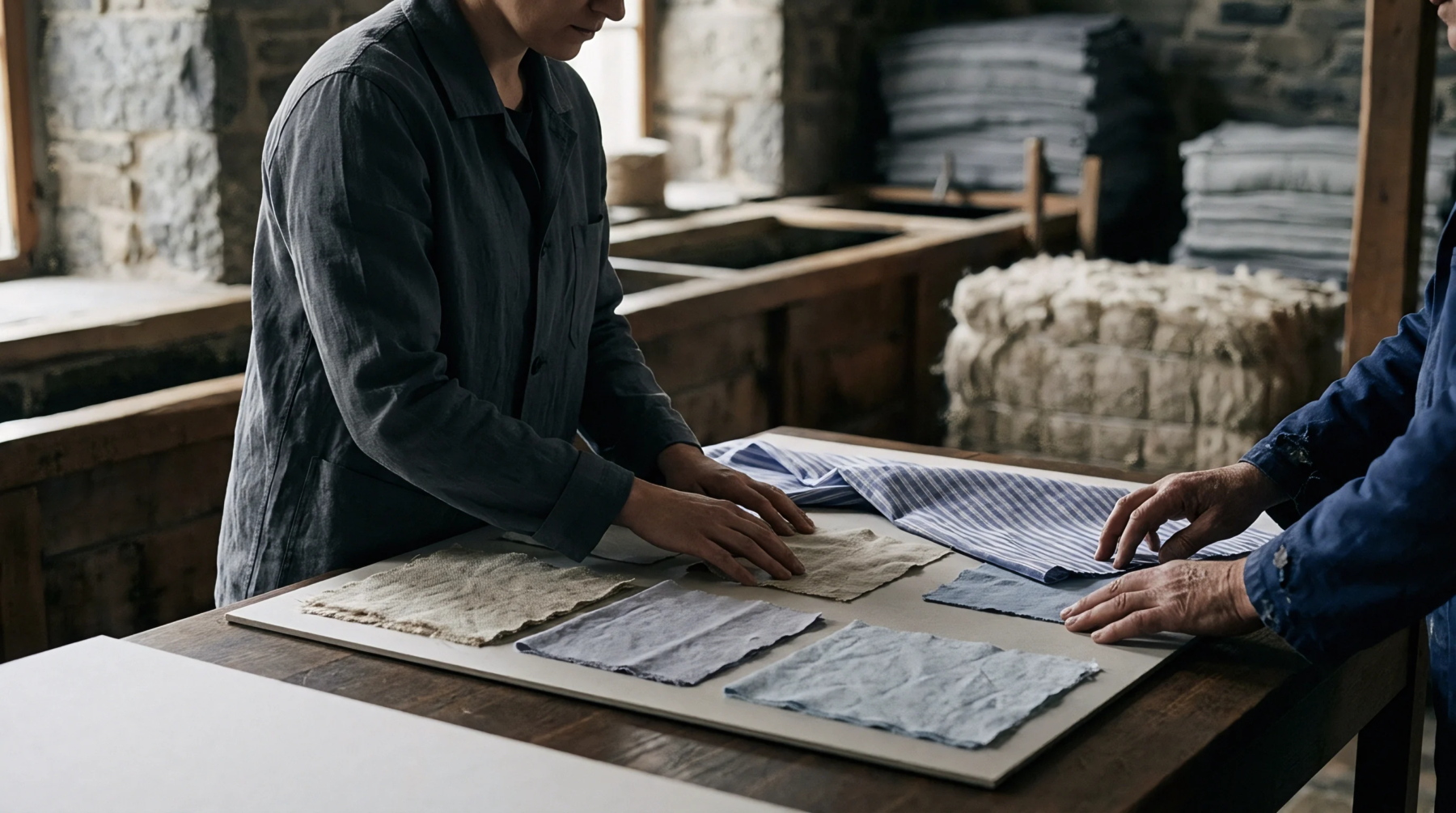
Plain Weave Standing Where a Twill Drapes at Equal Weight
Equal weight plain weave stands rigid while twill drapes because maximum yarn crossover frequency locks crimp and restricts lattice shear mobility.

Equal weight plain weave stands rigid while twill drapes because maximum yarn crossover frequency locks crimp and restricts lattice shear mobility.

Operational provenance verification reconciles raw scutcher bale tags against spinning batch yields to prevent volume inflation across linen supply chains.
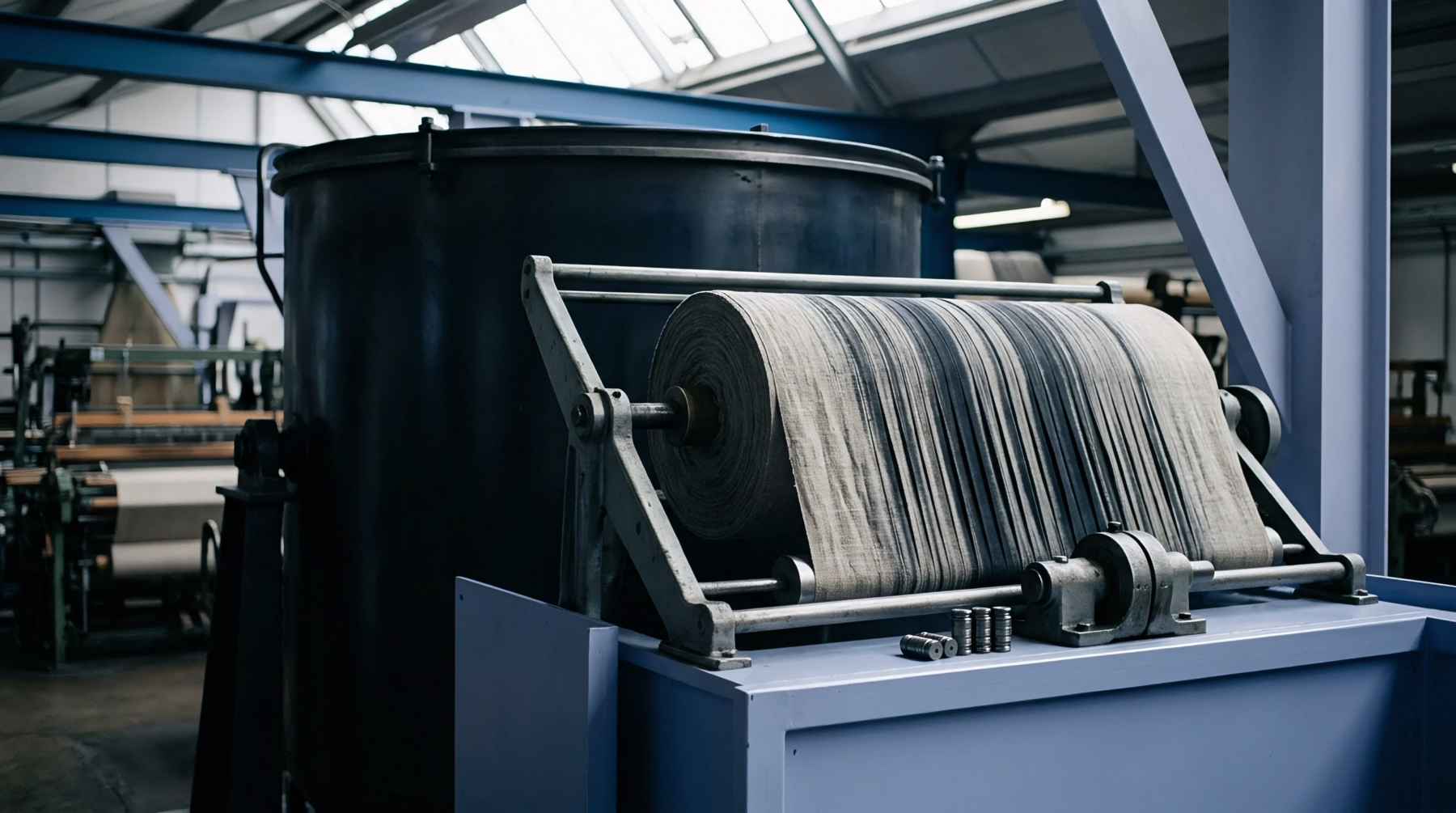
Minimum warp lengths depend on creel setup waste, sizing lead length, and loom setup hours, requiring at least 1,000 metres for viable production runs.

Certified fibre surcharges protect legal compliance and landed margin stability, whereas unprovable claim discounts expose importers to severe customs liabilities.

Draft origin warranties in Chinese contracts by linking L/C releases to lot-specific Transaction Certificates and securing claims through pre-suit asset freezes.

Linen yarn bending rigidity relies on pectin matrix relaxation, where balanced warp and weft crimp distribution controls fabric crease recovery and landed metre costs.

Sectional warping batch inspection requires matching drum cone angles to yarn build and scoring periodic band faults under strict four point penalty thresholds.
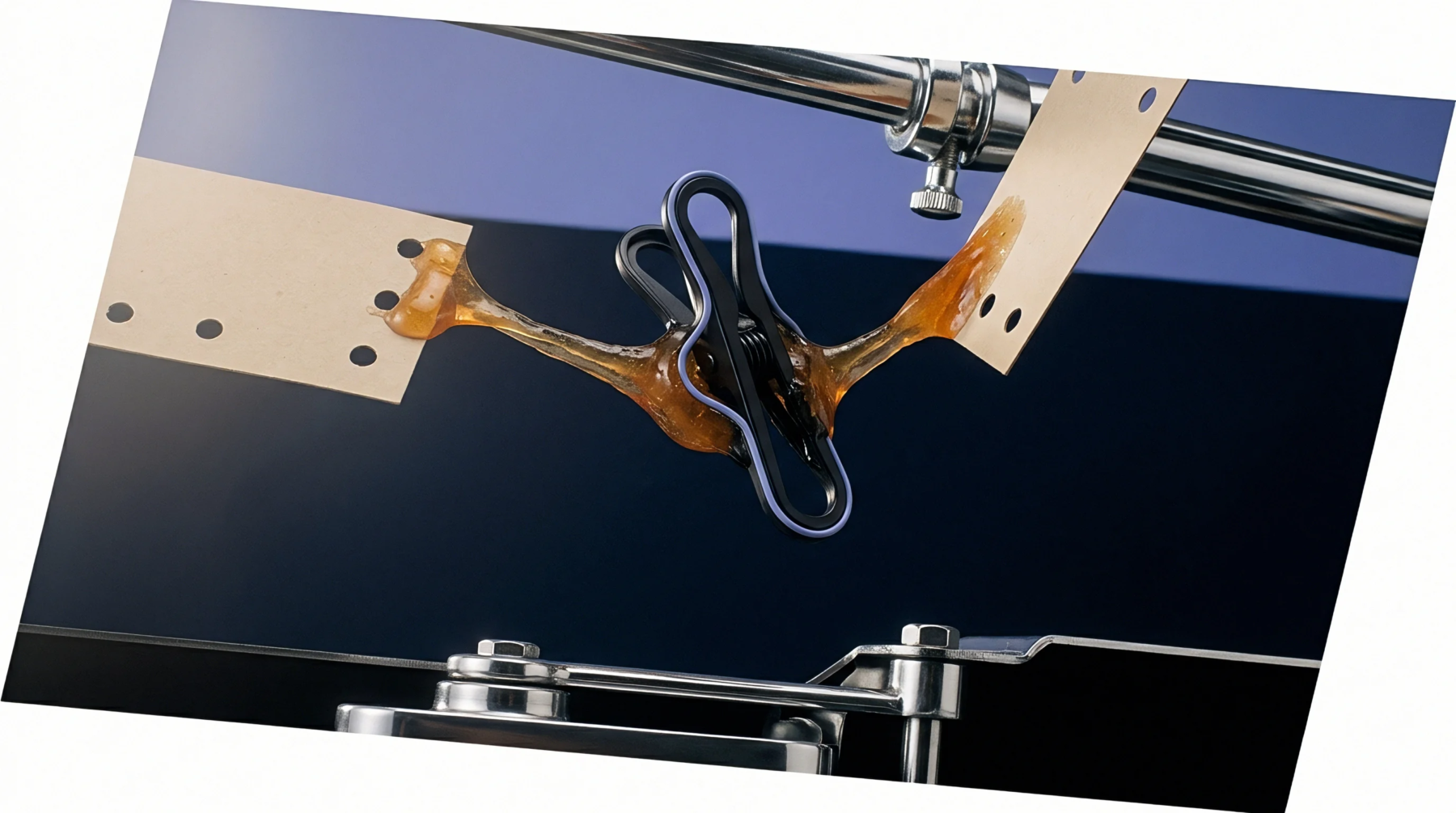
Microfibrillar realignment under shear dictates linen dimensional stability, demanding controlled loom tension and zero-tension wet relaxation to prevent skewing.

Standardized greige inspection combines calibrated D65 illumination and 4-point scoring to convert visual cloth defects into precise commercial deductions.

Matching linen interlacing structures to end-use mechanics balances loom cycle speed against tensile recovery and specifies target density for targeted cloth performance.

Evaluating raw flax yarn bundle morphology, pectin chemistry, and tensile metrics prevents high-speed warping breaks and protects loom hour efficiency.

Target linen weight depends on yarn tex, ends, picks, and crimp contraction; calculating raw count without finishing shrinkage overshoots mass targets.

Pricing Jacquard repeat length requires balancing flat card preparation fees against loom hour rate increases caused by harness mass speed penalties.

Scope certificates approve mill processing capability while transaction certificates validate specific physical shipment mass; buyers must hold final payment until verified transaction paperwork arrives.
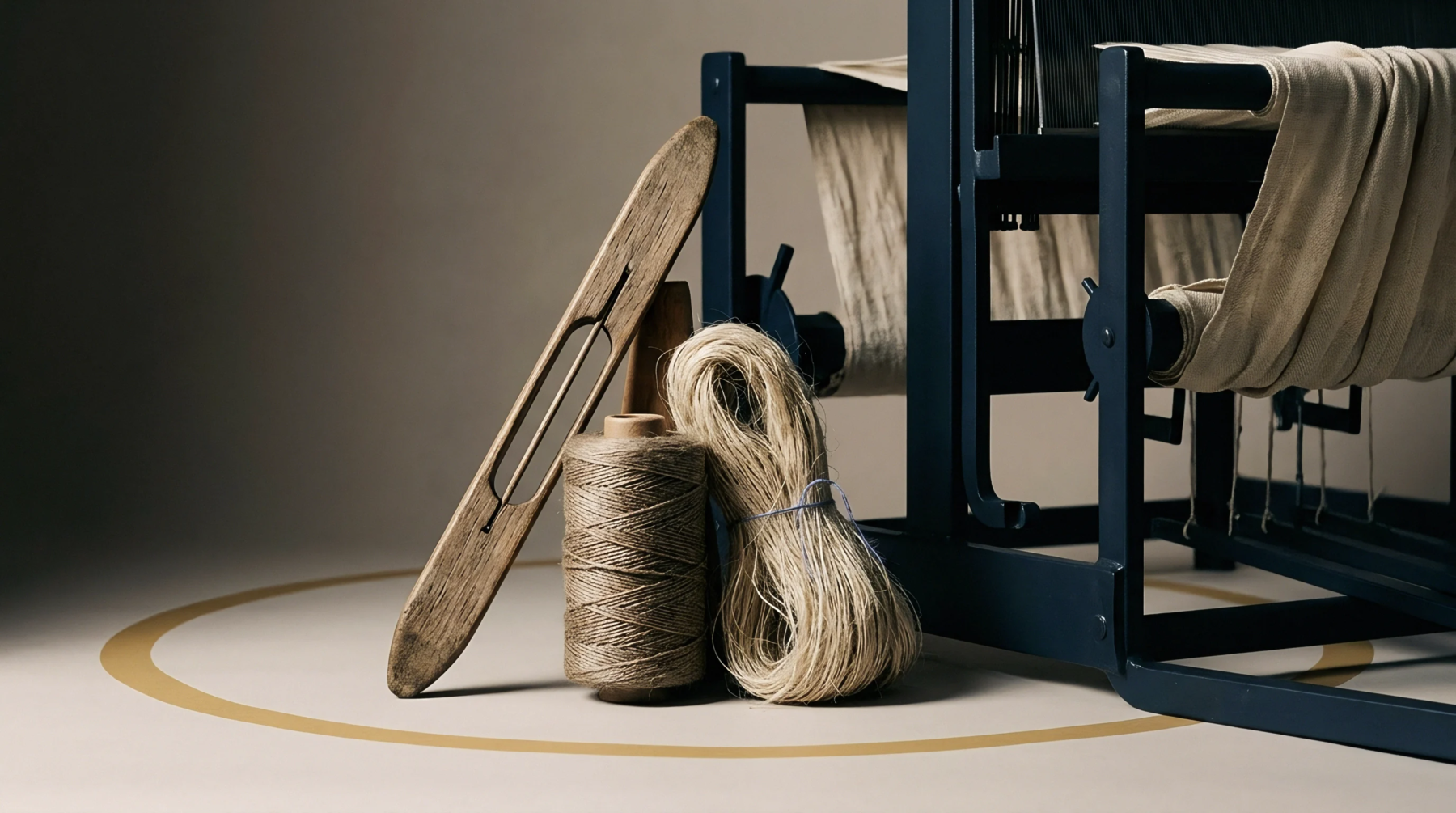
Positive rapier insertion handles low-elongation wet-spun linen warps reliably, while air-jets trigger high stop rates, pneumatic costs, and greige faults.

Non-preferential origin of woven linen fabric attaches permanently to the loom shed site where yarn transforms into cloth under HS 5309.

Wet spinning attenuation loses 5% to 16% dry fiber mass through pectin dissolution and short fiber detachment, requiring bone-dry mass audit reconciliation.

Fine warp setts collapse loom efficiency through yarn cling and stops; buyers absorb costs via sett surcharges unless target efficiency caps are contracted.

Metric fibre number claims require ISO 2370 gravimetric verification because airflow instruments skew up to fifteen percent across retting types and moisture regains.

Unmatched mass balance batch ledgers invalidate non-preferential EU linen origin claims; physical lot segregation from fiber to loom is legally required.

High warp tension on wet spun flax accelerates crystalline bundle micro-cracking, requiring controlled sizing regain and reduced shedding angles to maintain shed capacity.
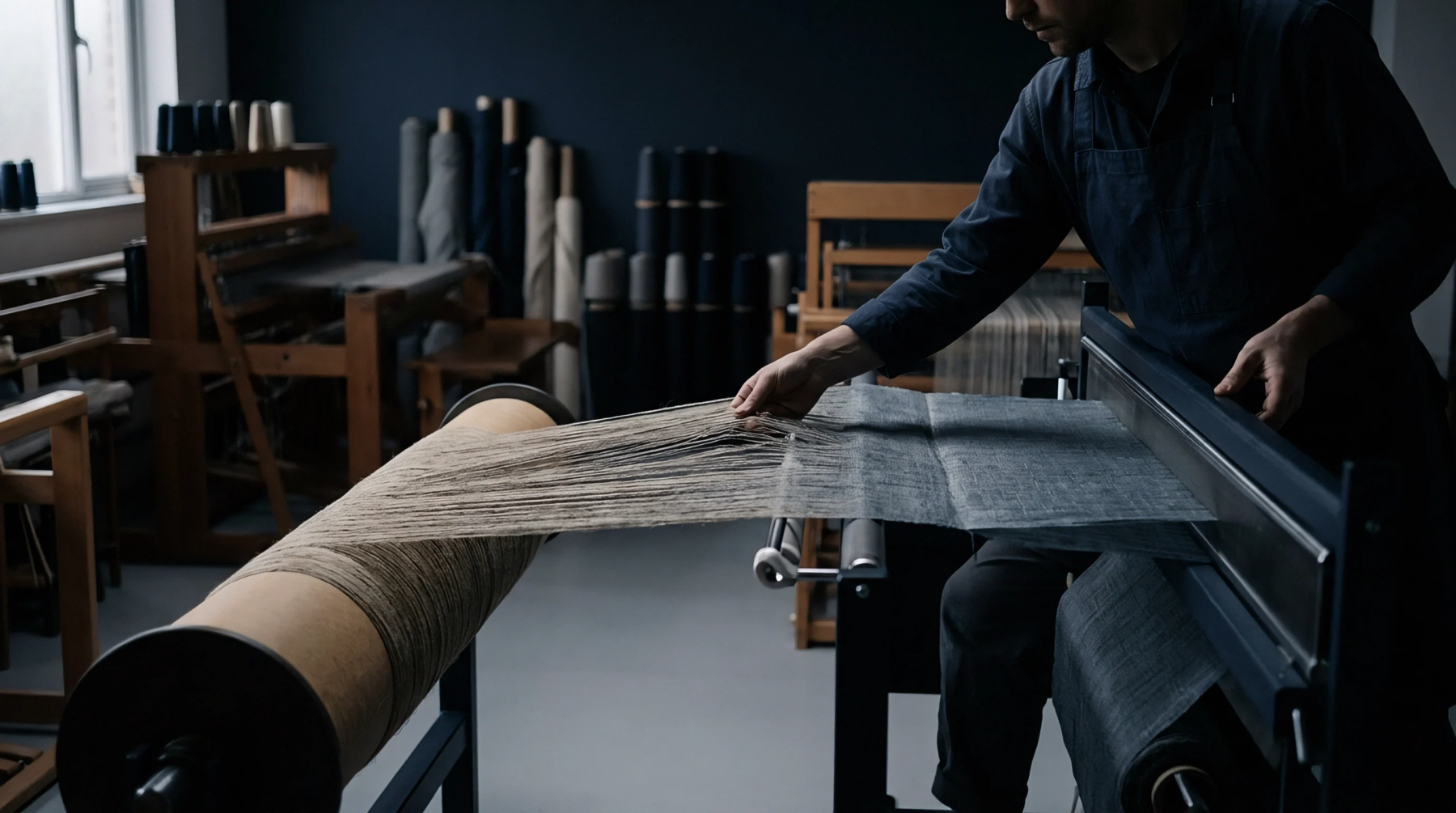
Uniform chemical size pick-up on long run linen warps requires continuous viscosity control, deflecting-compensated squeeze pressure, and balanced film elasticity.

Mass balance reconciliation in linen mills requires adjusting intake weights for moisture regain, deducting actual spinning scrap, and verifying yarn volume credits against audited baseline yield factors.

Imported French scutched long line delivers higher hackling yield and lower yarn break rates, outperforming domestic Chinese flax on landed metre fabric cost.

Linen origin rests on Western European raw flax scutching records linked through batch transaction certificates and mill mass-balance audits to finished bolts.
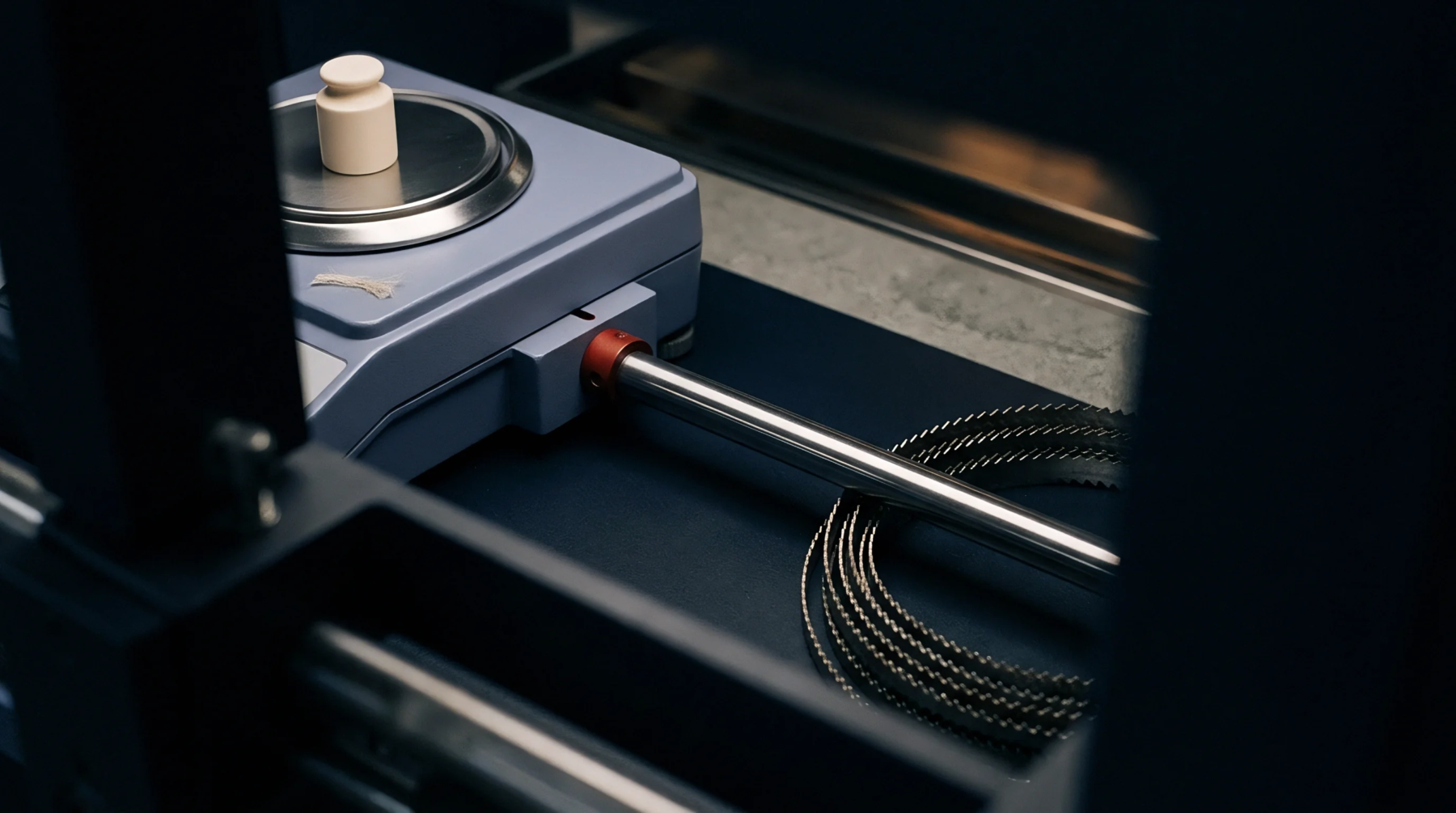
Conditioned middle-cut bundle weighing under ISO 2370 delivers precise flax line fibre linear density data for wet-spinning count calculations.

Metric fibre number defines wet-spun line yarn limits by establishing the minimum cross-sectional elementary fibre count required to sustain drafting tension.

Verify flax linear density using ISO 1973 cut-and-weigh gravimetry at standard 12% regain to accurately forecast wet-spinning limits and enforce contract pricing.

Standardized air permeability methods convert differential pressure across compressed flax plugs into specific surface area to predict spinnable yarn counts.
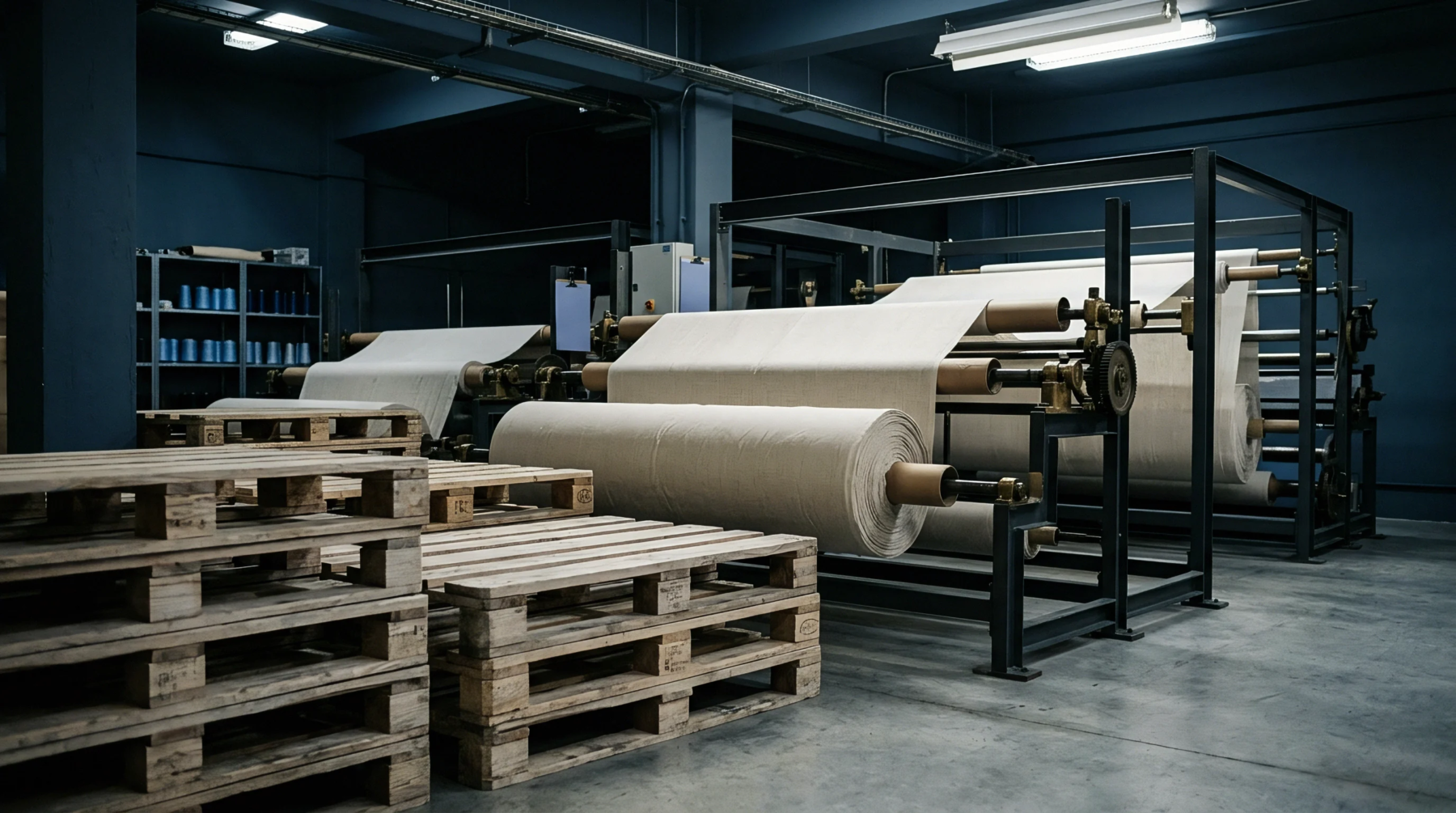
High jacquard hook mass and deep shed heights elevate acceleration forces, forcing loom speed deratings up to 45 percent to prevent cord fatigue and end breakage.
Expertise is a utility, not a secret. sentiention™ publishes its working knowledge as open reference: intelligence layer covering the materials it sources, the markets it enters, and the reference that serves both.