Tensile Capacity
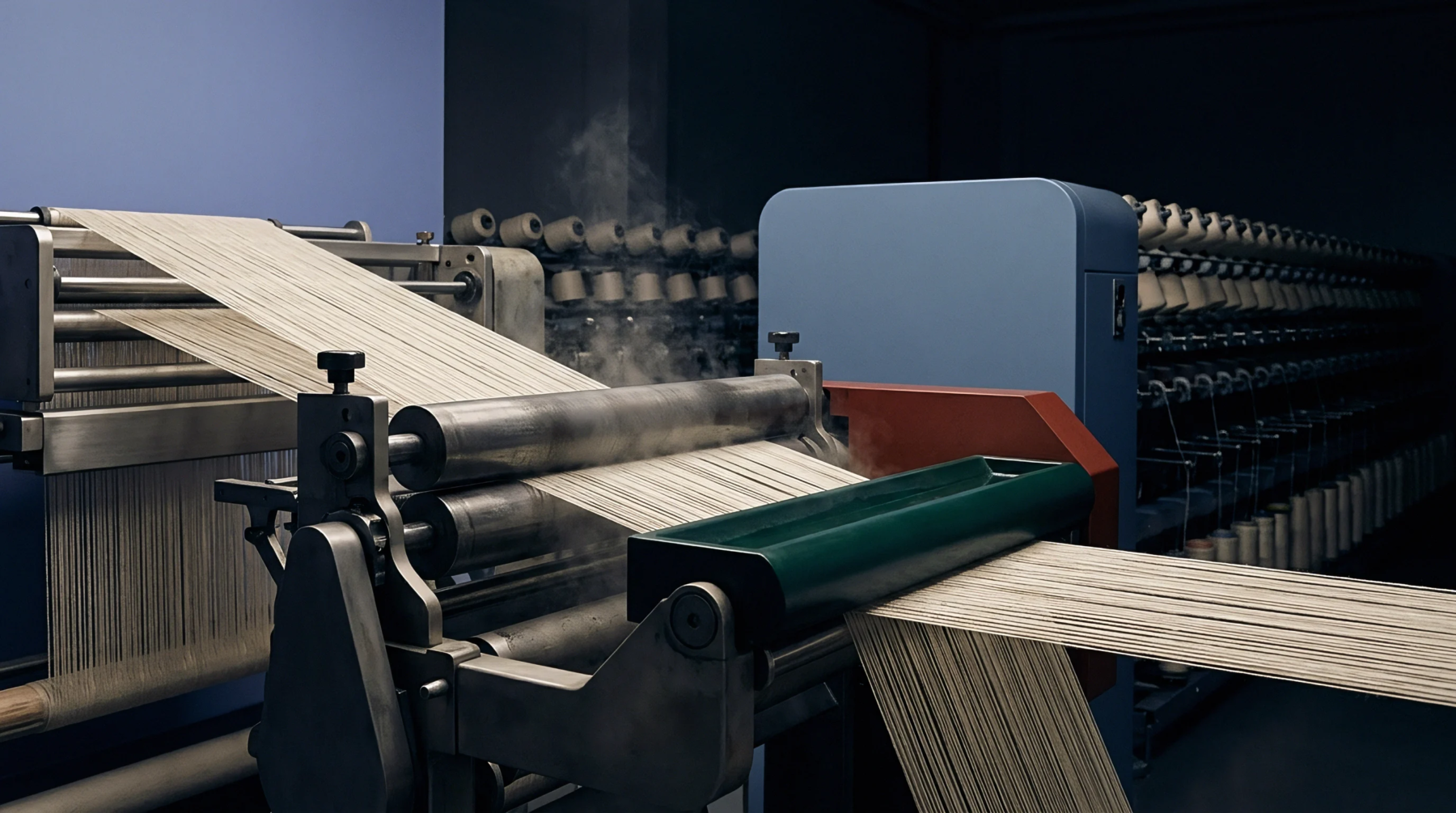
Tensile strength in grouped flax fibres represents the collective resistance of a parallel assembly of hackled or combed strands to an applied breaking force. Processors use the evaluation of bundle strength to predict how flax batches will perform during wet spinning operations. High values here prevent premature breakage when the combed sliver undergoes drafting.
Testing Method
Industrial instruments apply a uniform load to a clamped ribbon of parallel flax fibres to record the force required to cause rupture. The procedure uses a specific specimen weight and length to calculate the tex value of the tested specimen. Results are recorded in the mill laboratory reception report and compared against the buyer acceptance criteria.
Reliable testing requires careful alignment of the individual flax strands to prevent slippage during the pull.
Spin Selection
Combing mills sort incoming scutched flax into grades based on the measured cohesion of the fibre groups. Higher quality grades are allocated to fine yarns for warp preparation because they survive the intense mechanical tension of the loom. Lower performing bundles are routed to coarse weft yarns or dry spinning lines where tensile demands are reduced.
Mill managers rely on these measurements to adjust the settings of the draw frames and optimize the wet spinning temperature.