Quantifying Epicuticular Wax Mass Fractions in Dew-Retted Line Flax Bales
Quantifying epicuticular wax mass fractions in dew-retted line flax bales isolates true fiber yield and optimizes wet-spinning boundary lubrication parameters.
Lipids
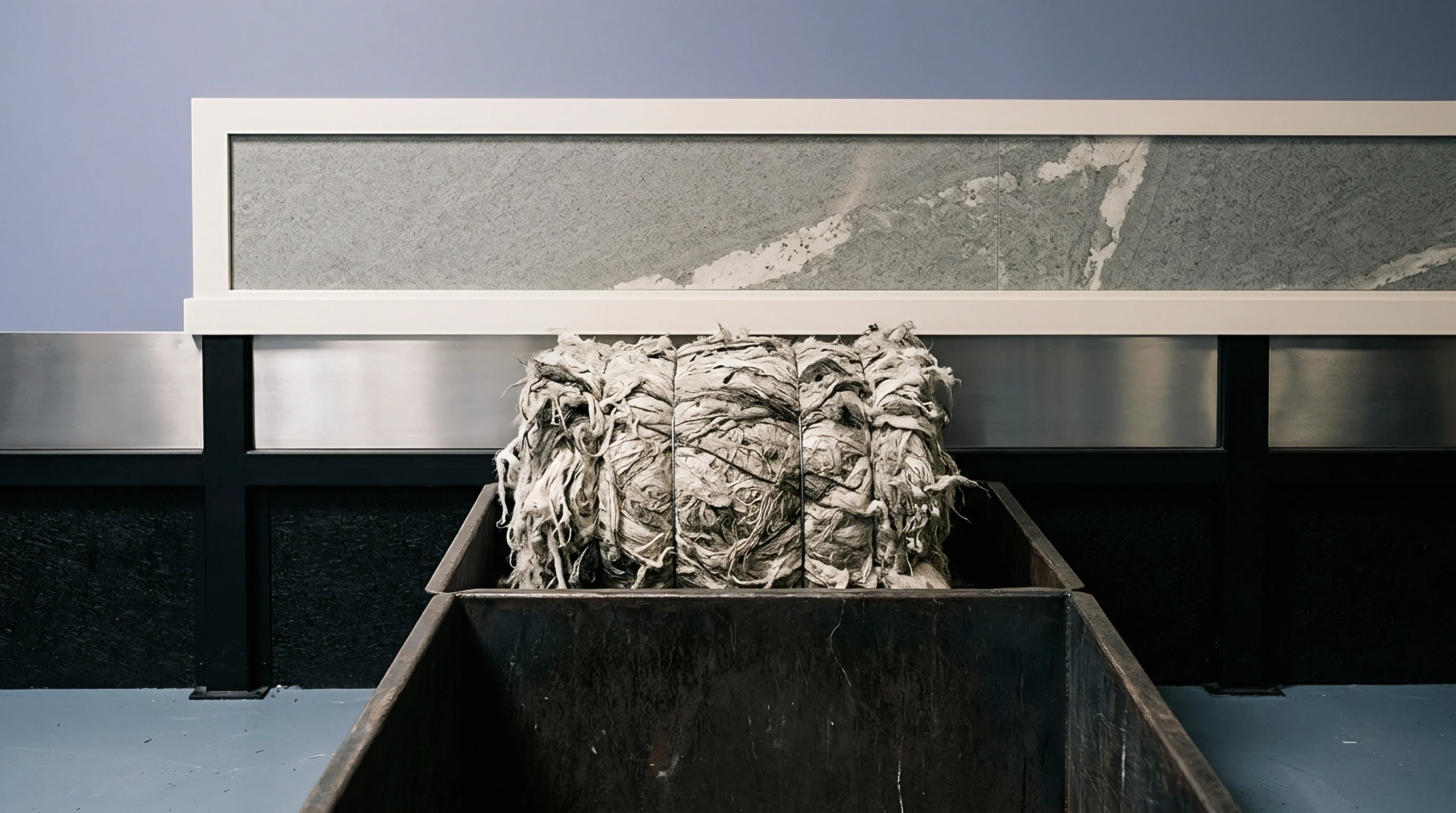
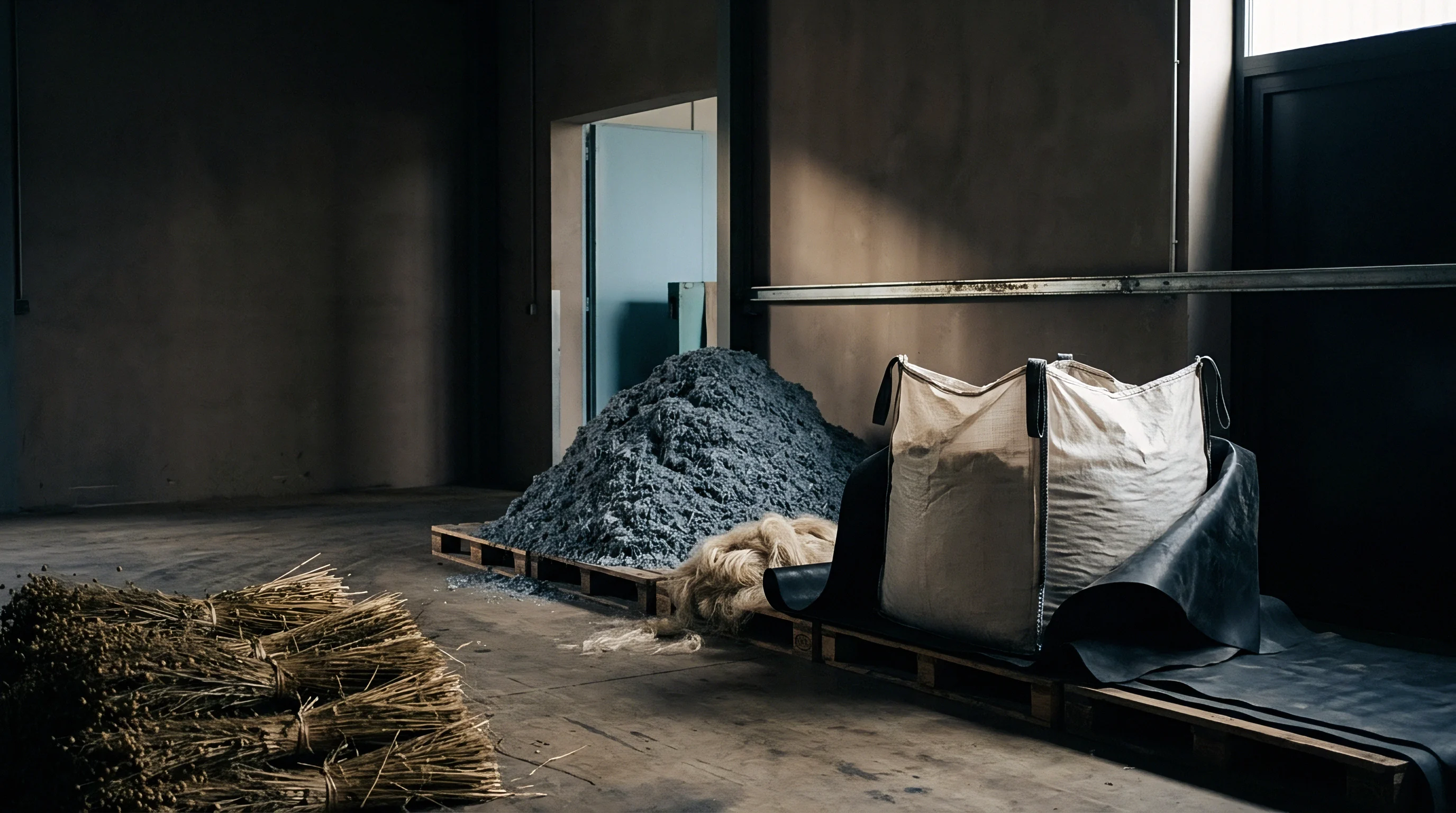
A dew-retted line flax consignment from the Heilongjiang river valley exhibits a dry-basis extractable mass fraction between 1.35 percent and 2.40 percent when tested under Soxhlet gravimetric standard ISO 1446. These surface deposits consist of hydrophobic non-cellulosic compounds located primarily in the cuticle and middle lamella of long-staple technical bundles. Retting kinetics dictate final surface wax fractions.
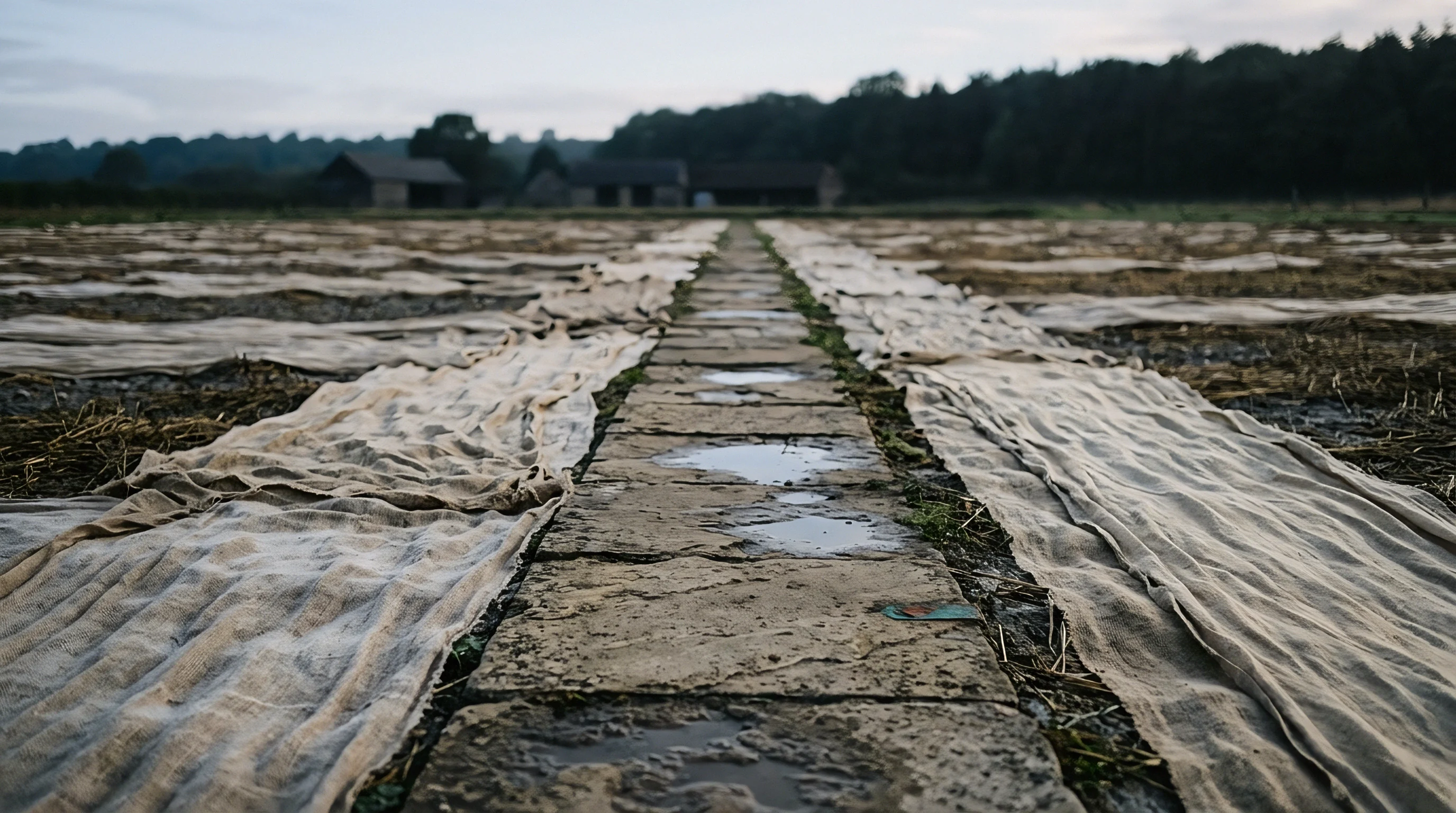
When flax stems remain in the field during dew retting, indigenous fungi including Cladosporium herbarum secrete pectinases and esterases that break down the outer stem tissues, liberating technical fiber bundles from adjacent cortical cells while altering the chemistry of the epicuticular layer.
Chemical Composition of Epicuticular Deposits
The non-cellulosic outer envelope of Linum usitatissimum bundles consists of hydrophobic compounds deposited on the primary cell wall and middle lamella. Gas chromatography coupled with mass spectrometry shows that this coating contains four distinct lipid classes:
- Aliphatic wax esters comprising long-chain fatty acids esterified with primary fatty alcohols ranging from C20 to C30 in chain length, providing the primary moisture barrier on raw stem surfaces.
- Saturated C25 to C33 alkanes dominated by odd-numbered carbon chains, predominantly heptacosane, nonacosane, and hentriacontane, which dictate surface free energy and cohesion.
- Free fatty alcohols with even carbon counts, primarily hexacosanol and octacosanol, which modulate the thermal melting behavior of the cuticle during elevated temperature processing.
- Residual outer-bark pectins and insoluble hemicelluloses cross-linked with polyaliphatic domain biopolymers known as suberin, which remain bound to the fiber bundle outer surface when retting terminates early.
The proportion of these fractions shifts significantly as dew retting progresses. In under-retted flax, high pectin content retains a denser hydrophobic coating that prevents fiber bundle division during hackling. In over-retted flax, cellulolytic fungi consume the underlying primary cell wall, exposing bare cellulose surfaces and degrading the mechanical strength of individual elemental filaments.
Dew-retted flax bales exhibiting Soxhlet DCM mass fractions above 2.10 percent dry mass lose structural draft force during drawing.
Dew Retting Kinetics and Surface Accumulation
Fungal colonization during field exposure governs the enzymatic breakdown of structural pectins within the stem rind. Rainfall, ambient humidity, and thermal cycling drive fungal activity, causing the epicuticular layer to undergo chemical modification. Microorganisms selectively metabolize simple sugars and low-molecular-weight carbohydrates, leaving behind condensed aliphatic wax domains that resist enzymatic digestion.
Consequently, the mass fraction of surface waxes relative to total bundle weight increases during the initial stages of dew retting before stabilizing as stem moisture drops below eighteen percent.
Hydrophobic lipids resist cold water dissolution. Bales stored at twelve percent moisture regain retain stable lipid fractions for over twenty-four months without significant chemical oxidation. However, when bale core moisture exceeds fifteen percent, anaerobic microbial action degrades cellulose chains while leaving outer surface waxes intact, generating high wax-to-cellulose mass ratios on structurally weakened fiber bundles.
Whether the ratio of free alkanes to esterified fatty acids directly controls environmental degradation during bale storage remains an open empirical question.
Solvent
Gravimetric determination relies on continuous refluxing inside a Soxhlet apparatus to isolate non-polar surface components. The precision of the measured mass fraction depends entirely on the polarity index and boiling point of the extraction fluid. Standard protocols according to ISO 1446 and ASTM D2257 prescribe specific boiling ranges and sample preparation parameters to isolate true surface lipids from internal cell-wall polysaccharides.
Can Extraction Solvent Choice Shift Measured Wax Values?
Testing laboratories across Western Europe favor dichloromethane due to its moderate boiling point of 39.6 degrees Celsius and strong dissolving power for aliphatic esters. Solvent polarity changes gravimetric yield directly. Non-polar solvents like n-hexane extract pure hydrophobic waxes without dissolving low-molecular-weight pectins or plant pigments.
Polichlorinated hydrocarbons like dichloromethane or chloroform co-extract residual chlorophylls, free fatty acids, and partial hemicellulose fragments, producing elevated yield figures for identical fiber samples.
| Extraction Fluid | Boiling Point (°C) | Reflux Duration (Hours) | Measured Mass Fraction (%) | Co-Extracted Impurities (%) |
|---|---|---|---|---|
| n-Hexane | 68.7 | 6 | 1.25 – 1.55 | 0.08 |
| Dichloromethane (DCM) | 39.6 | 4 | 1.65 – 2.10 | 0.32 |
| Petroleum Ether (40-60) | 40.0 – 60.0 | 6 | 1.30 – 1.60 | 0.12 |
| Toluene / Ethanol (2:1) | 78.1 | 8 | 2.45 – 3.20 | 1.15 |
| Method note: Samples conditioned at 20°C and 65% RH per ISO 139 prior to Soxhlet gravimetric extraction. Values represent mean ranges across 20 commercial bales. | ||||
Gas chromatography isolates discrete aliphatic chains. A worked analytical trial demonstrates this divergence clearly. Take a twenty-gram sample of dew-retted line flax fiber conditioned to eight percent moisture regain.
Extraction using n-hexane yields 0.28 grams of dried residue, representing a 1.40 percent wax mass fraction. Extracting an identical subsample with a two-to-one mixture of toluene and ethanol yields 0.54 grams of residue, representing a 2.70 percent extractable mass fraction. The additional 1.30 percent consists of polar tannins, resin acids, and degraded pectin fragments rather than true epicuticular lipids.
Analytical reports specifying wax mass fractions must explicitly document the solvent system utilized.
ASTM D2257 moisture-free Soxhlet procedures specified in purchasing contracts establish toluene-ethanol mixtures as the referee standard when dichloromethane yields ambiguous lipid readings.
Gas Chromatography for Mass Fraction Profiling
Derivatization through silylation converts non-volatile fatty acids and long-chain alcohols into trimethylsilyl ether derivatives suitable for high-temperature capillary separation. Gas chromatography with flame ionization detection (GC-FID) quantifies specific carbon chain lengths within the extracted lipid fraction. Internal standards, typically heptadecanoic acid or tetracosane, provide absolute quantification down to microgram sensitivities.
Quantification accuracy requires rigorous oven drying before solvent immersion. Residual moisture inside the fiber core inhibits solvent penetration into outer bundle crevices while introducing water into the reflux flask, which skews gravimetric residue balances. Laboratories dry samples at 105 degrees Celsius to constant mass prior to extraction to eliminate moisture interference.
Selecting an inappropriate reflux medium skews calculated fiber purity readings, leading to uncompensated yield losses during commercial wet spinning.
Strand
Inter-fibre cohesion within long-staple technical bundles dictates how parallel filaments slide past each other during mechanical drafting. Epicuticular waxes function as a natural boundary lubricant that reduces inter-fibre friction coefficients. When wax mass fractions drop below 1.20 percent due to over-retting or harsh chemical scutching, static friction between adjacent technical fibers increases sharply, leading to uneven drafting, elevated sliver irregularity, and premature bundle breakage during hackling.
Inter-Fibre Friction and Drafting Mechanics
Boundary lubrication across the bast fiber periphery governs the stick-slip force observed in speed-frame drawing. Cohesion forces depend on surface lipid viscosity, surface roughness, and contact area between parallel filaments. High wax fractions (above 2.20 percent) create excess surface viscosity, causing fibers to cling together during hackling.
This excessive adhesion prevents proper fiber bundle splitting, yielding coarse slivers with high linear density and reduced spinnable yarn count limits.
Quantifying bale mass fractions requires an established sampling sequence to verify lot uniformity across incoming raw material shipments:
- Core three representative bales per five-tonne lot using a motorized mechanical core drill operating at low RPM to prevent frictional thermal degradation of surface lipids.
- Combine core samples into a five-hundred-gram composite lot and homogenize by hand carding through a coarse lab comb.
- Condition duplicate twenty-gram test specimens in an environmental chamber at 20 degrees Celsius and 65 percent relative humidity for twenty-four hours according to ISO 139.
- Extract test specimens in a Soxhlet apparatus using analytical grade dichloromethane for four hours at a reflux rate of six cycles per hour.
- Evaporate solvent using a rotary evaporator at 40 degrees Celsius under reduced pressure, then dry residue at 105 degrees Celsius for one hour before weighing on an analytical balance to 0.1 milligram precision.

Hackling Yield and Fiber Bundle Division
Combing pins operating at high pin density split technical bundles into finer elemental units. Over-retted straw shows reduced bundle cohesion. Hackling yield falls as sliver cohesion degrades.
Optimal hackling performance requires a precise balance between internal pectin cohesion and surface wax lubrication. Bales exhibiting uniform wax mass fractions around 1.60 percent yield fine hackled slivers with minimal tow creation, maximizing the conversion efficiency of raw scutched line flax into high-value long-staple sliver.
Wax removal before mechanical drawing converts long line bundle cohesion into chaotic inter-fibre slip.
Elevated surface extractable readings may reflect natural seasonal variance in stem crop maturity rather than improper dew-retting duration.

Trough
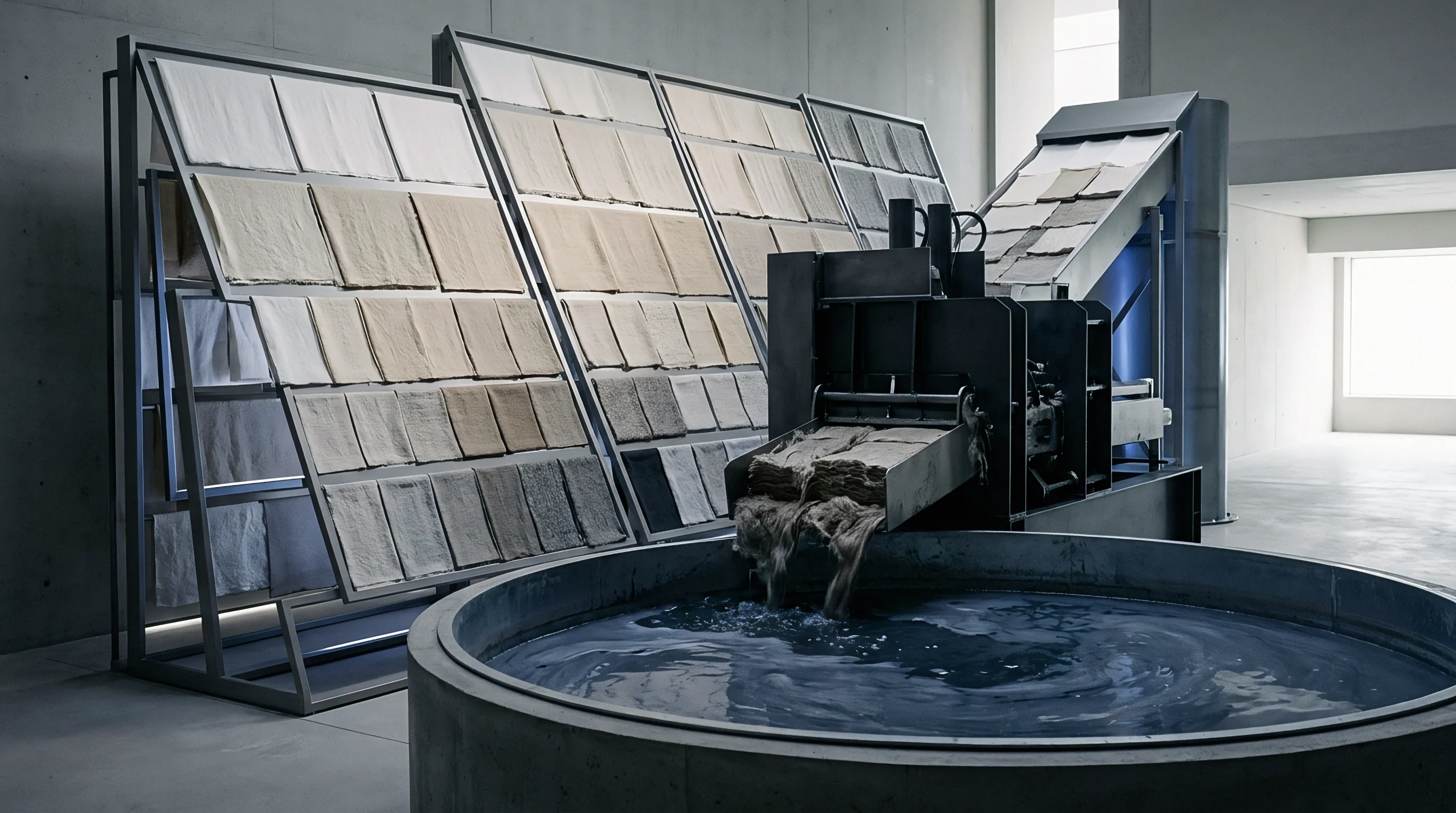
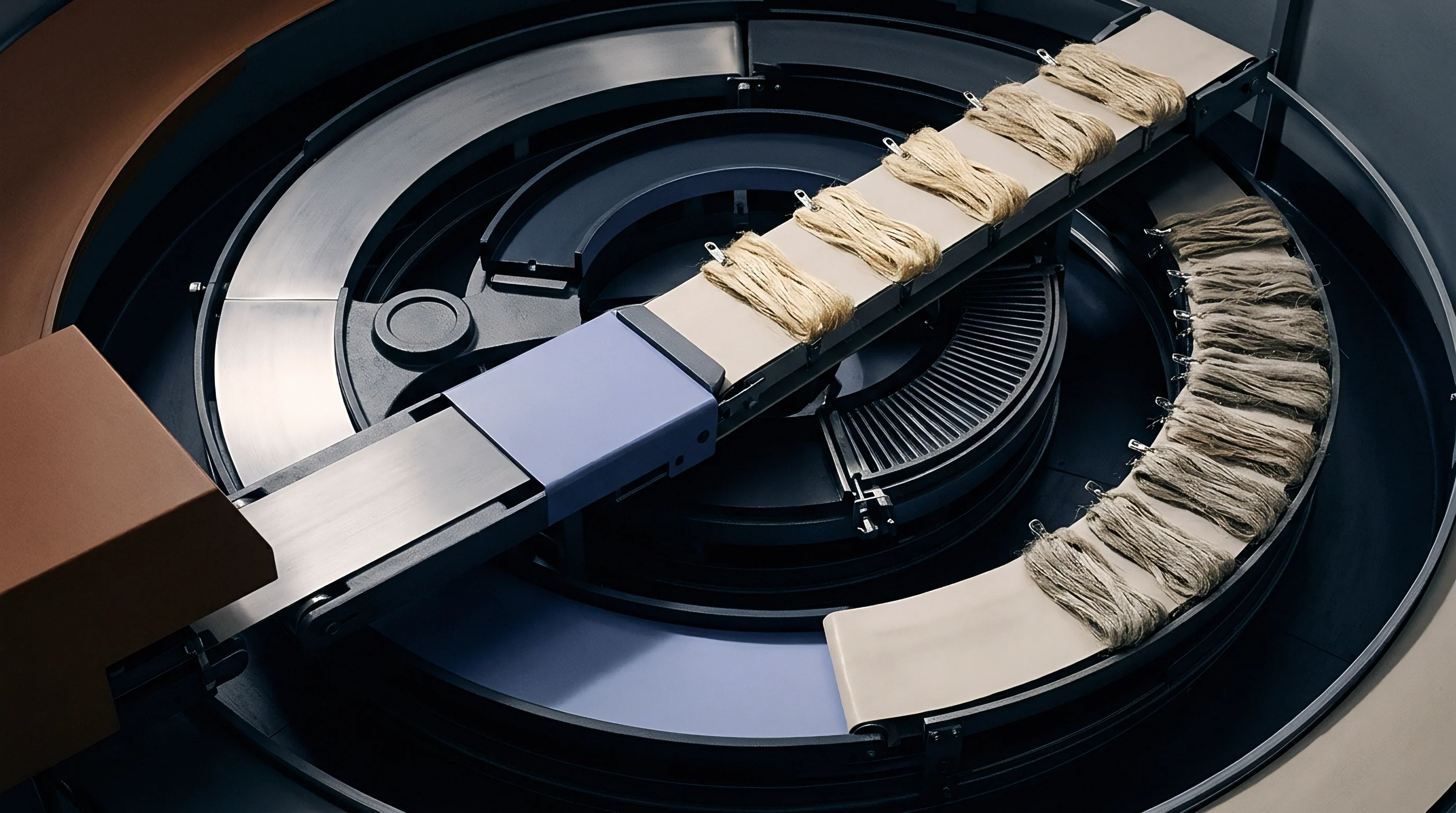
The roving passes through a heated water vessel immediately prior to entering the drafting zone on a wet-spinning frame. Water temperature inside the wet-spinning trough dictates the physical state of epicuticular lipids on the roving surface. Trough temperature shifts wax emulsion stability.
Hydrophobic waxes undergo a phase transition from solid crystalline coatings to soft viscous liquids as temperatures cross 55 degrees Celsius, dramatically lowering the mechanical force needed to draft the roving sliver.
Hot Water Saponification and Pectin Softening
Water temperatures maintained between 60 and 70 degrees Celsius melt surface esters while softening residual hemicelluloses. Saponification alters hot water surface tension. When small amounts of alkali or mild surfactants are added to the trough water, free fatty acids within the epicuticular wax convert into sodium or potassium soaps.
These in-situ generated soaps act as natural emulsifiers, stabilizing melted hydrocarbon waxes and preventing them from re-depositing on spinning frame guide pins.
| Trough Temp (°C) | Wax Melting State | Mean Draft Force (N) | Emulsified Mass (%) | End Breakage Rate (per 100 Spindle Hours) |
|---|---|---|---|---|
| 20 (Cold) | Solid / Crystalline | 14.2 | 0.05 | 18.5 |
| 45 (Warm) | Semi-Softened | 9.8 | 0.25 | 9.2 |
| 65 (Optimal) | Fully Melted / Viscous | 5.1 | 1.10 | 2.1 |
| 85 (Excessive) | Stripped / Emulsified | 3.2 | 1.85 | 7.6 |
Surfactant Build-Up and Emulsion Breakdown
Continuous extraction of natural non-cellulosic compounds into recirculation water accumulates emulsified organic material over standard production shifts. Trough water contamination alters drafting behavior when wax buildup reaches critical concentrations. Uncontrolled wax accumulation leads to several characteristic spinning defects:
- Scum formation on trough rollers caused by phase separation of insoluble long-chain alkanes when bath temperatures fluctuate below 50 degrees Celsius.
- Roller lapping on front drafting rollers due to tacky lipid deposits transferring from softened roving onto rubber apron surfaces.
- Trough water foam excess caused by high saponified fatty acid concentrations acting as uncontrolled foaming agents during continuous liquid recirculation.
- Uneven roving attenuation resulting from localized variations in boundary friction as roving passes through oil-contaminated water channels.
Standard purchase contracts under IWTO framework agreements allow buyers to apply a price penalty when water-extractable organic mass fractions exceed 1.8 percent.
Spindle
Ring spinning frames insert twist into the attenuated ribbon of wet fibres as the traveler orbits the ring at speeds exceeding twenty metres per second. Boundary lubrication protects yarn during drafting. Surface wax remaining on elemental fibers as they exit the front drafting rollers reduces frictional heating between the rapidly twisting yarn bundle and the steel ring traveler interface, protecting individual cellulose filaments from thermal degradation during high-speed yarn formation.

Yarn Tensile Strength and Boundary Lubrication
Residual surface non-cellulosics alter the internal clamping friction between individual elemental fibres within the spun structure. Excess wax causes traveler loading failures. If surface lipid mass fractions exceed 2.20 percent post-spinning, individual fibres slide past each other under tensile load instead of locking together under inserted twist, reducing ultimate yarn tenacity by up to fifteen percent.
Conversely, total lipid extraction via intensive pre-bleaching causes inter-fiber abrasion, resulting in brittle yarns with low elongation at break.
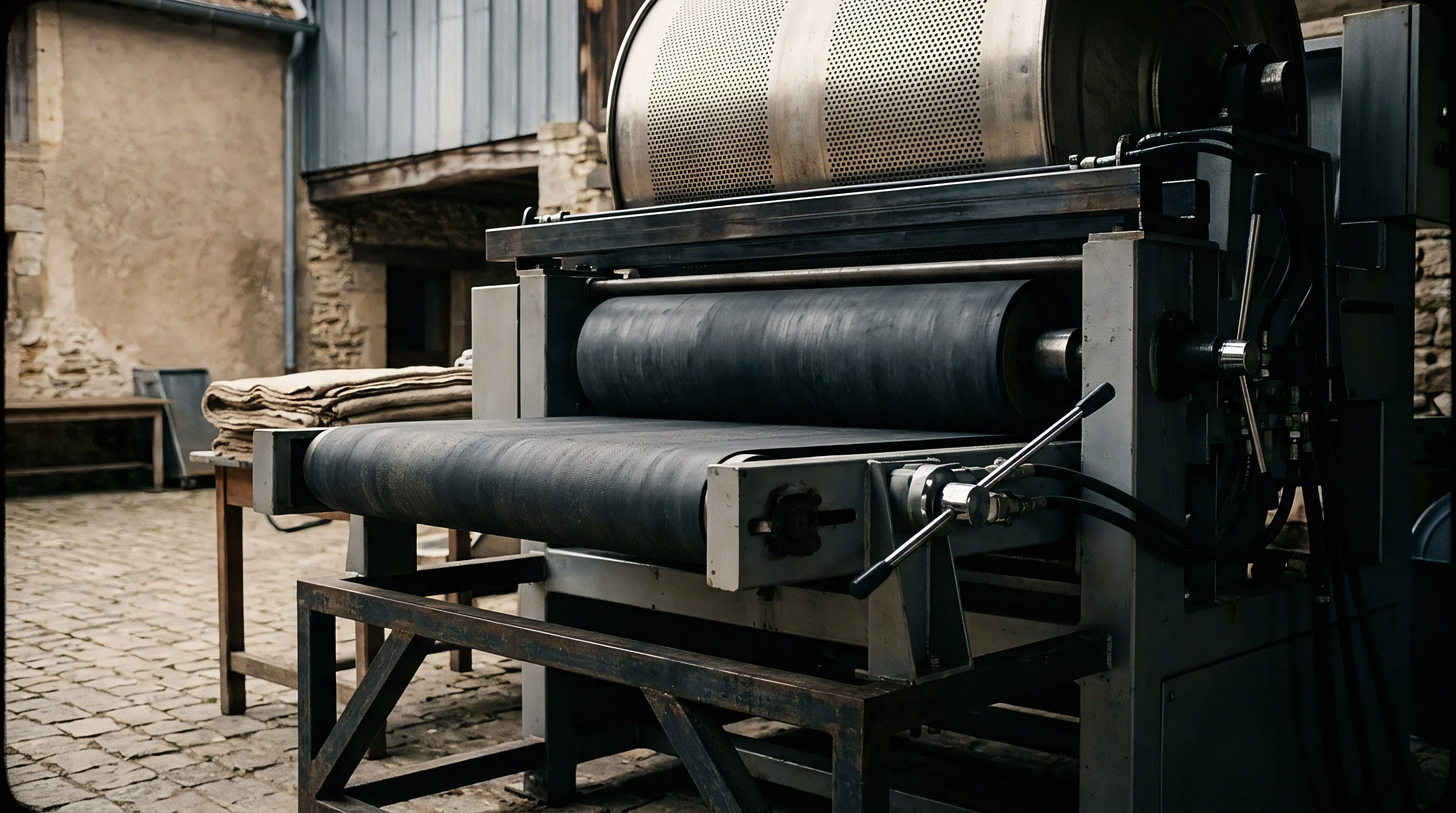
Hairiness and Surface Structure
Fibre ends projecting from the core of the yarn structure increase when drawing tension exceeds boundary cohesion. Controlled surface wax content glues fiber ends back into the main yarn core during ring twist insertion, producing smooth, lustrous wet-spun linen yarns with low Zweigle s3 hairiness values. Fine wet-spun yarns destined for high-density warp weaving depend on this natural smoothing effect to eliminate the need for synthetic sizing agents in fabric preparation.
Unsaponified surface wax acts as a natural boundary lubricant during ring traveler passage.
High surface lubrication lowers ring traveler wear at the expense of yarn structural compactness.
Tariff
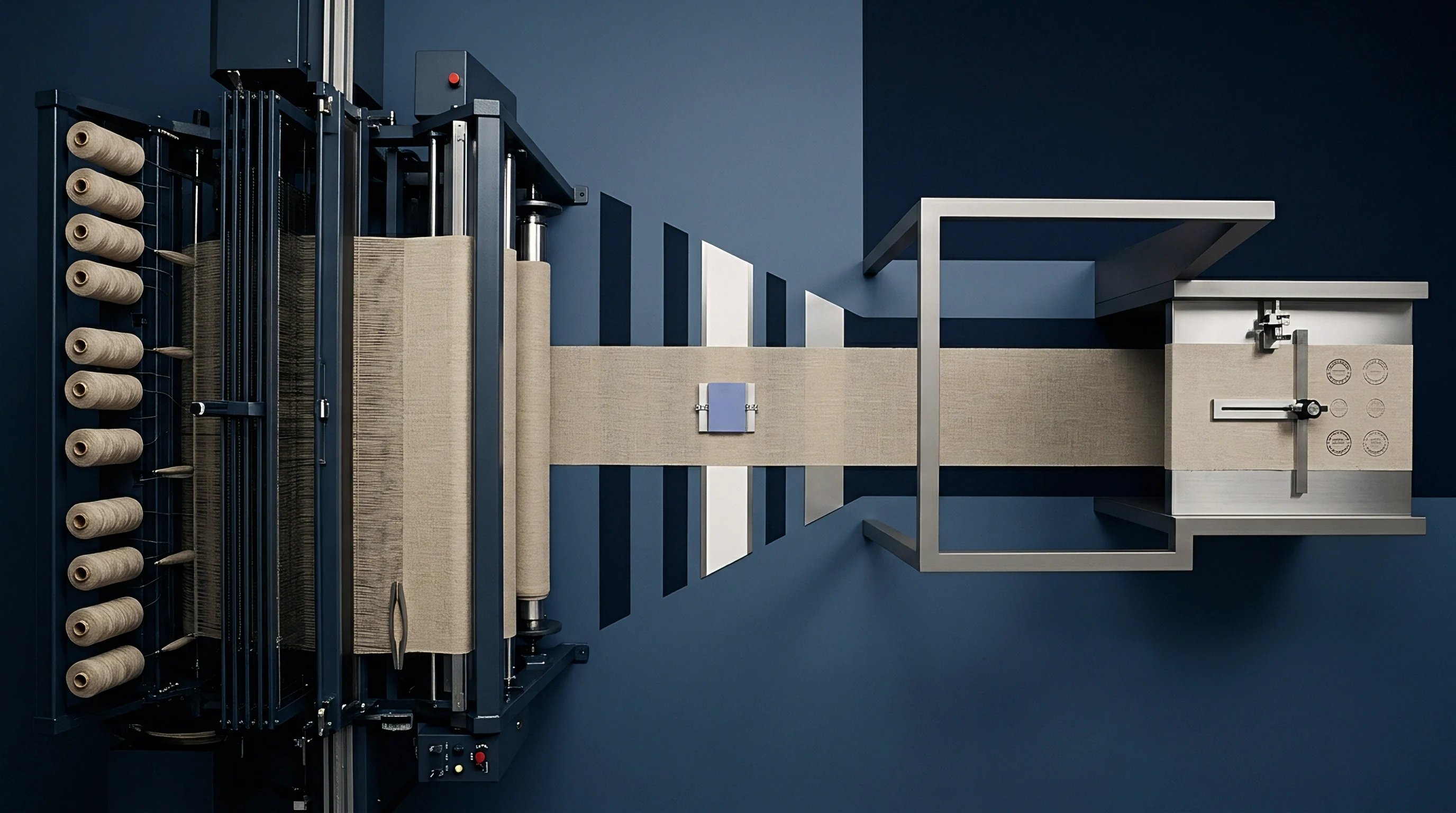
Commercial valuation of line flax bales accounts for non-fibrous mass fractions that do not yield spinnable linear density. Invoice adjustments track conditioned fiber weight. Commercial contracts set dry mass extraction limits.
Bales containing excessive non-cellulosic mass fractions, water-soluble pectins, and heavy lipid coatings carry unrecoverable weight that washes away during wet processing, artificially inflating the true net fiber cost per kilogram of delivered yarn.

Yield Loss and Mass Allowance Adjustments
Calculated batch yields require adjustment for soluble organic mass removed during hot water spinning and bleaching. Consider a commercial procurement scenario. A mill purchases forty metric tonnes of dew-retted long-staple line flax at a baseline price of 4.20 EUR per kilogram, conditioned to twelve percent standard moisture regain.
Laboratory verification identifies a dichloromethane extractable wax mass fraction of 2.40 percent, alongside a water-soluble pectin fraction of 3.10 percent. Standard reference parameters assume a combined non-cellulosic loss of no more than 3.00 percent.
| Fiber Wax Fraction (%) | Water-Soluble Mass (%) | Net Fiber Yield (%) | Yarn Production Cost (€/kg) | Effective Yarn Price Change (%) |
|---|---|---|---|---|
| 1.20 (Low) | 1.80 | 97.0 | 7.85 | – 2.1 |
| 1.60 (Baseline) | 2.20 | 96.2 | 8.02 | 0.0 |
| 2.10 (High) | 2.90 | 95.0 | 8.28 | + 3.2 |
| 2.70 (Excessive) | 3.80 | 93.5 | 8.65 | + 7.8 |
The excessive non-cellulosic fraction creates a 2.50 percent net material deficit beyond standard baseline allowances. On a forty-tonne shipment, this non-spinnable mass represents one thousand kilograms of lost fiber yield, equivalent to four thousand two hundred EUR in direct material loss. Processing this high-wax material further increases hot water bath surfactant consumption and wastewater chemical oxygen demand (COD) treatment surcharges at the spinning mill.

Commercial Valuation and Contractual Specifications
Contracts governing long-staple raw material imports specify clear tolerances for non-cellulosic extractables. Technical buyer specifications insert strict financial penalty clauses when Soxhlet DCM extractable limits exceed agreed contractual thresholds. Sourcing desks incorporate precise lab test protocols into purchase orders to adjust net invoice mass based on certified dry-basis extractable determinations prior to customs clearance.
Factoring measured extractable fractions into the initial fiber valuation safeguards the mill against silent yield degradation across high-count wet spinning runs.