
Verifying European Flax Scope Certificates against Chinese Mill Intake Records
Reconciling European Flax certificates against Chinese mill intake requires balancing physical bale tags, mass-loss conversion yields, and transaction papers.
Reconciling European Flax certificates against Chinese mill intake requires balancing physical bale tags, mass-loss conversion yields, and transaction papers.

Verify physical flax batch identity by reconciling bale barcodes, yield conversion balances, and transaction certificates before approving spun yarn dispatches.
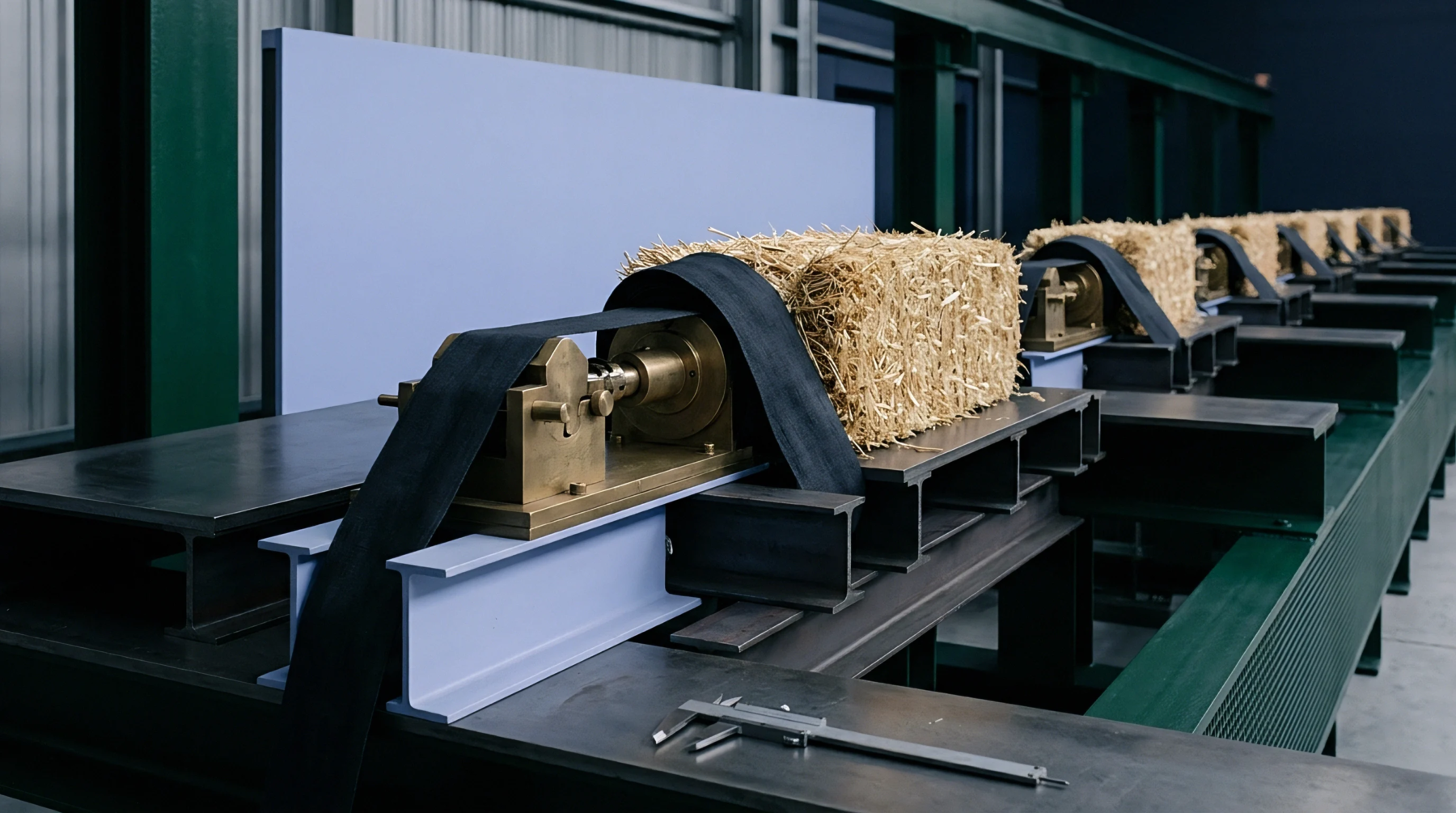
Optimizing hackling pin density and wet-spinning trough temperature stabilizes draft forces, reducing bast yarn end breakage below fifteen breaks per thousand spindle hours.

Flax roving wet spinning attenuation defects stem from improper hot-water pectin softening and front roller nip slip, manageable through precise temperature and pressure control.

Warp sizing requires matching yarn packing factor to polymer viscosity, adjusting squeeze nip pressure for precise solids add-on, and maintaining elongation.

Specify long-staple line flax and wet spinning in purchase contracts to prevent spinners from substituting short tow fibre into ambiguous metric yarn orders.

Fine wet spun linen warp yarns demand a minimum unsized tenacity of 19 cN/tex and a Weibull modulus above 9.0 to survive loom shedding strain without snap.

Optimizing fine bast warp sizing with PVA acrylic blends and gentle rapier kinematics lowers loom stoppages below 1.5 breaks per 100,000 picks.

Booking Chinese linen loom capacity requires evaluating warp preparation bottlenecks and machine hours rather than linear metre price quotes alone.

Imported French scutched long line delivers higher hackling yield and lower yarn break rates, outperforming domestic Chinese flax on landed metre fabric cost.

Sectional warping batch inspection requires matching drum cone angles to yarn build and scoring periodic band faults under strict four point penalty thresholds.
Expertise is a utility, not a secret. sentiention™ publishes its working knowledge as open reference: intelligence layer covering the materials it sources, the markets it enters, and the reference that serves both.