Verifying Flax Scutching Yield Metrics in Processing Facilities
Verifying flax scutching yield requires dry-mass normalization of input straw against output long fibre, tow, and shive fractions across batch records.


Bale
Receiving raw flax straw at processing plants requires immediate dry-matter assessment. Moisture content in incoming agricultural deliveries varies across a wide spectrum based on field weather during dew retting, baling density, and outdoor storage duration. A trailer delivering twenty tonnes of retted straw at eighteen percent moisture carries substantially less extractable fibre than an equivalent weight delivered at twelve percent moisture.
Water weight alters value. Processing facilities that accept gross weighbridge weights without adjusting for moisture bias their internal yield metrics before decortication begins.
Processors utilize capacitive dielectric probes alongside oven drying under ISO 665 standards to establish incoming moisture baseline readings. Core sampling occurs across multiple depths within compressed straw packages to capture internal moisture gradients. Dense outer layers often dry rapidly in transit while inner cores retain moisture from humid storage conditions.
When moisture exceeds fourteen percent, storage risks fungal degradation that weakens bast fibre walls, directly reducing the recovery percentage of unbroken long fibre during mechanical decortication.
Unscutched straw mass records fail to predict clean fibre yield when stem bark thickness varies across harvest lots.
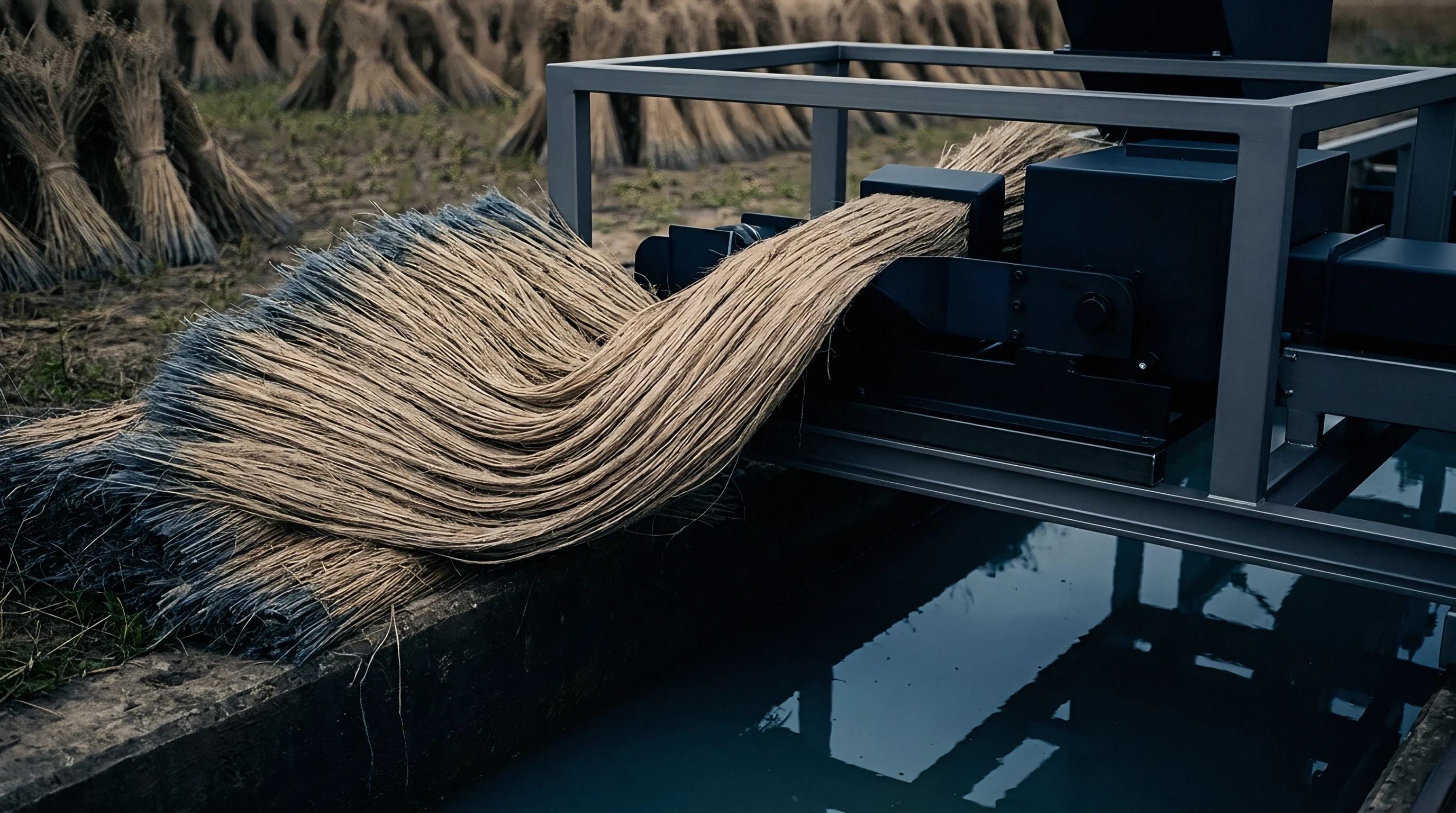
Straw Moisture Dynamics and Mass Correction
Dielectric probe measurements require constant recalibration against oven drying procedures. Standard laboratory procedure isolates ten core samples per load, drying them at one hundred five degrees Celsius until mass stabilization confirms complete water evaporation. The resulting percentage difference adjusts the billable intake mass down to a baseline moisture level, typically standardized at twelve percent regain.
Failure to apply this correction inflates raw material intake figures, creating an artificial deficit in calculated scutching efficiency.
Excessive dryness below ten percent creates structural vulnerabilities in the raw straw. Dry stems shatter under the impact of breaker rollers, producing excessive short fibre and dust rather than preserved long bundles. Optimal scutching performance requires intake moisture held strictly between eleven and thirteen percent.
Storage bays equipped with forced-air ventilation stabilize damp straw prior to processing, stabilizing processing properties across seasonal harvest variance.

Retting Uniformity and Stem Breakage Resistance
Mechanical extraction efficiency depends heavily on bark detachment along the stem. Dew retting relies on soil fungi, primarily Cladosporium herbarum, to digest pectin layers bonding bast fibre bundles to the central woody core. Uniform retting allows clean separation under light mechanical force.
Under-retted straw retains strong pectin bonds, forcing higher turbine impact speeds that break bundles and transfer potential long fibre into low-value tow streams.
Over-retting produces opposite operational failures. Fungal enzymes consume the cellulose structural matrix within the bast bundles when field exposure continues past optimal degradation thresholds. Severely retted stems present low tensile strength, snapping prematurely during initial fluted roller breaking.
Evaluation protocols quantify retting degree using fried-bark mechanical testing or visual colorimetric scoring prior to allocating straw lots to specific turbine line speeds.
Suppliers frequently attribute low yield returns to unseasonal field weather during the dew retting phase rather than mechanical misalignment across the decortication turbine.


Turbine
Mechanical scutching lines rely on opposing pairs of rotating beaters. Decortication begins as fluted breaking rollers crush the woody stem, or shive, breaking it into short fragments while preserving continuous bast fibre bundles. The crushed straw passes into turbine chambers where iron or wooden blades mounted on rotating drums strike the dangling straw suspended by continuous rubber transport belts.
The mechanical action scrapes shives away from the long fibre bundles, releasing dust and short fibers into collection hoppers beneath the grid bars.
Extraction efficiency depends on matching belt transport velocity with turbine drum rotational speed. High turbine revolutions increase impact frequency, removing shive aggressively at the cost of breaking long bundles into short tow. Low rotational speeds preserve bundle length but leave uncleaned woody fragments adhering to the fibre.
Modern scutching plants deploy variable frequency drives linked to optical cleanliness sensors, adjusting beater speed dynamically to accommodate variations in stem thickness and retting intensity.
Beater speed affects fibre length.

Mechanical Separation across Breaking and Beating Zones
Initial straw decortication occurs between grooved fluted rollers operating under pneumatic pressure. The crushing action fracture the rigid core without severing longitudinal bast filaments. Flute geometry varies from coarse pitch at the inlet to fine pitch at the outlet, progressively reducing shive particle size.
Incorrect roller pressure settings cause stem shearing, directly reducing the percentage of long fibre exiting the breaking zone.
Downstream turbine beaters execute primary fiber cleaning through high-speed scraping actions. The line splits into two sequential turbine drums: the top turbine cleans root ends while transport belts grip the upper stem, and the bottom turbine cleans top ends after mechanical transfer jaws invert the straw bundle position. Yield losses spike during the middle transfer step if gripping belts lose tension, dropping untrimmed straw into the under-machine shaker trays.
| Process Stage | Mass Yield Fraction (%) | Moisture Content (%) | Dominant Output Material | Primary Process Control Parameter |
|---|---|---|---|---|
| Straw Inlet | 100.0 | 12.0 – 16.0 | Whole Retted Straw | Conveyor Feed Rate (m/min) |
| Breaker Roller Exit | 82.0 – 88.0 | 11.5 – 15.5 | Crushed Straw / Free Shive | Pneumatic Roller Gap Pressure (bar) |
| Turbine Drum Exit | 22.0 – 28.0 | 10.5 – 12.5 | Scutched Long Fibre | Beater Tip Speed (m/s) |
| Tow Shaker Exit | 10.0 – 15.0 | 11.0 – 13.0 | Scutched Tow (Short Fibre) | Shaker Screen Amplitude (mm) |
| Shive Extraction Cyclone | 45.0 – 55.0 | 8.0 – 10.0 | Woody Anagram Fragments | Suction Static Pressure (kPa) |

Turbine Speed Configuration and Fibre Fracturing
Rotational velocity settings determine the kinetic impact applied to decorticated stems. Industrial turbines operating at three hundred to four hundred revolutions per minute generate substantial peripheral velocity at the blade tips. High tip speeds strip shive efficiently from under-retted material.
That same mechanical kinetic energy fractures tender bast bundles on over-retted lots, shifting output mass from high-value long fibre to lower-value short tow.
Pneumatic extraction systems running beneath grid bars draw shives and fine dust away from the beating chamber. Air velocity within suction ducts requires balance against mechanical vibration. Excessive exhaust suction pulls light bast filaments directly into the shive collection stream, inflating non-recoverable yield losses.
Plant technicians measure exhaust dust catches hourly to confirm that air classification mechanisms draw only non-fibrous particulates.
Physical loss vectors degrade long-fibre recovery across decortication lines:
- Fluted Roller Shear crushed stem fragments under excessive hydraulic force cut longitudinal filaments prior to turbine entry.
- Belt Gripper Slippage loose transport belts drop unanchored straw into shaker trays during the inversion transfer sequence.
- Grid Bar Abrasion misaligned iron grid spacing snags long bundles, tearing whole filaments from the transport grip.
- Suction Velocity Overdraft high static pressure inside exhaust ducts pulls fine bast strands into the woody shive cyclone.
Balanced mechanical impact preserves bundle continuity while clearing woody fragments from bast tissue.


Purity
Cleanliness metrics dictate the spinning value of scutched long flax. Raw yield figures carry minimal commercial value if extracted fibre retains excessive residual shive particles. Clean long fibre commands premium valuation only when mechanical impurity levels fall below established limits.
Scutching mills balance total mass yield against cleanliness specifications to meet wet-spinning yarn requirements.
Laboratory evaluation under ISO 2370 defines standard procedures for determining fineness and cleanliness of flax fibres. Gravimetric analysis isolates woody fragments from bast bundles, expressing impurity as a dry-weight percentage. Samples containing over two percent residual shive require secondary re-scutching or aggressive hackling treatments, both of which reduce final mill fiber recovery and shorten overall staple length.
Scutching green flax straw at 18 percent moisture reduces long-fibre yield efficiency by 3.2 percent compared to processing at the 12 percent moisture target.

Where Does Hidden Shive Carryover Distort Scutching Yield Metrics?
Unremoved wood particles inside long-fibre bundles artificially inflate mass readings at the weigh scale. A processing line reporting an eighteen percent long-fibre extraction yield may deliver only sixteen percent true textile fibre if two percent of the output mass consists of trapped shive. Weigh scale readings register total uncleaned mass, masking inefficient turbine performance under inflated output figures.
Dry mass calculation eliminates moisture bias.
Contamination checks require manual sorting combined with optical image analysis. Samples extracted from pressed long-fibre bales pass across illuminated inspection tables where automated camera systems calculate the surface area ratio of dark shive particles against pale flax bundles. Discrepancies between optical coverage calculations and gravimetric burn-off tests indicate embedded internal shives that escape visual surface inspection.

Gravimetric Shive Analysis and Moisture Regain Testing
Standardized testing protocols isolate woody tissue from textile bast filaments. Technicians weigh a fifty-gram sample of scutched long fibre, subject it to mechanical carding on a laboratory test bench, and manually segregate released shives using fine tweezers. The isolated woody fragments undergo oven drying to record absolute dry mass against the original moist fibre mass.
Moisture regain distorts dry mass calculations when ambient relative humidity shifts inside the bale storage facility. Flax fibre absorbs up to twelve percent of its dry weight in atmospheric water without feeling damp to human touch. Standard conditioning rooms operating at twenty degrees Celsius and sixty-five percent relative humidity stabilize samples for twenty-four hours prior to final weighing, isolating true fibre yield from environmental moisture fluctuations.
What unstandardized sampling depth allows hidden shive contamination pockets to pass through routine mill intake inspections undetected?


Dossier
Traceability systems in flax processing plants link raw agricultural receipts to outbound inventory. Chain-of-custody protocols require physical tagging of every straw bale entering the facility, tracking field origin, harvest year, cultivar type, and dry intake mass. Digital enterprise systems mirror these physical tags, maintaining batch mass logs from un-scutched straw through breaking and beating lines to final pressed fibre bales.
Audit standards under European Flax certification mandate continuous mass reconciliation across processing facilities. Certification bodies review intake weighbridge logs against outbound transaction certificates, setting strict limits for unaccounted mass variance. Mass balance tracking prevents the blending of non-certified straw into certified processing runs, preserving verifiable provenance from European agricultural plots through global spinning chains.

Batch Lot Generation and Transaction Certificate Mapping
Physical grouping of incoming material establishes the primary audit unit. A processing batch typically comprises forty to sixty tonnes of dried straw harvested from contiguous field plots. The scutching plant assigns a unique batch identification code that follows the material across decortication lines, appearing on long-fibre bale tags, tow bale tags, and shive hopper dispatch receipts.
Transaction certificates link physical bales to trade sales invoices. When a spinning mill purchases scutched long flax, the seller issues a certificate detailing lot numbers, certified dry mass, and scheme scope details. Auditors match these outbound certificates against mill production records to confirm that total certified sales volumes never exceed verified intake mass adjusted for standard extraction ratios.
Systematic verification steps preserve chain-of-custody integrity across processing operations:
- Confirm raw straw intake weighbridge dockets against field production records and dry-mass adjustment logs.
- Verify core moisture probe readings against laboratory oven-drying calibration records for each received transport load.
- Cross-check daily turbine production logs against digital batch counts recorded at the long-fibre bale pressing station.
- Reconcile total combined output mass of long fibre, short tow, and shives against gross intake straw weight.
- Audit outbound transaction certificate allocations against verified inventory reserves stored in the finished goods warehouse.

Mass Balance Verification across Straw Store and Scutched Bales
Reconciling inbound field tonnage against outbound long fibre and tow yields reveals systemic plant losses. Standard decortication processes convert incoming dry straw mass into three primary commercial streams alongside unrecoverable dust and processing waste. Discrepancies between input dry mass and total accounted output mass exceeding three percent signal unmeasured dust emissions, transport leaks, or inaccurate scale calibration.
Independent auditors examine physical warehouse inventory against digital ledger balance records. Physical counts involve scanning individual barcode tags on pressed long-fibre bales, verifying individual tare weights against machine automated scale tags. Inventory discrepancies require immediate investigation to identify untagged output or unrecorded waste disposal.
| Document Standard | Verification Objective | Mandated Data Points | Discrepancy Trigger Threshold |
|---|---|---|---|
| Field Intake Delivery Note | Validate agricultural origin and gross biomass mass | Plot registration, driver weight ticket, load moisture probe average | Mass variance exceeding 1.5% against field estimate |
| Intake Moisture Correction Log | Establish standardized dry baseline mass | Oven-dry lab results, core sample depths, calculated dry weight | Probe-to-oven variance exceeding 0.8% moisture content |
| Daily Scutching Line Sheet | Track real-time conversion yields per shift | Turbine run hours, input bale counts, long-fibre bale serial numbers | Long-fibre extraction yield falling outside 10%-20% expected band |
| Transaction Certificate (TC) | Authorize commercial provenance transfer | Seller scheme ID, buyer facility code, certified net dry weight | Volume allocation exceeding available verified inventory balance |
Incorporating European Flax Standard Section 4.2 into supply agreements obligates processing plants to maintain batch mass balance reconciliations within a two percent maximum tolerance.
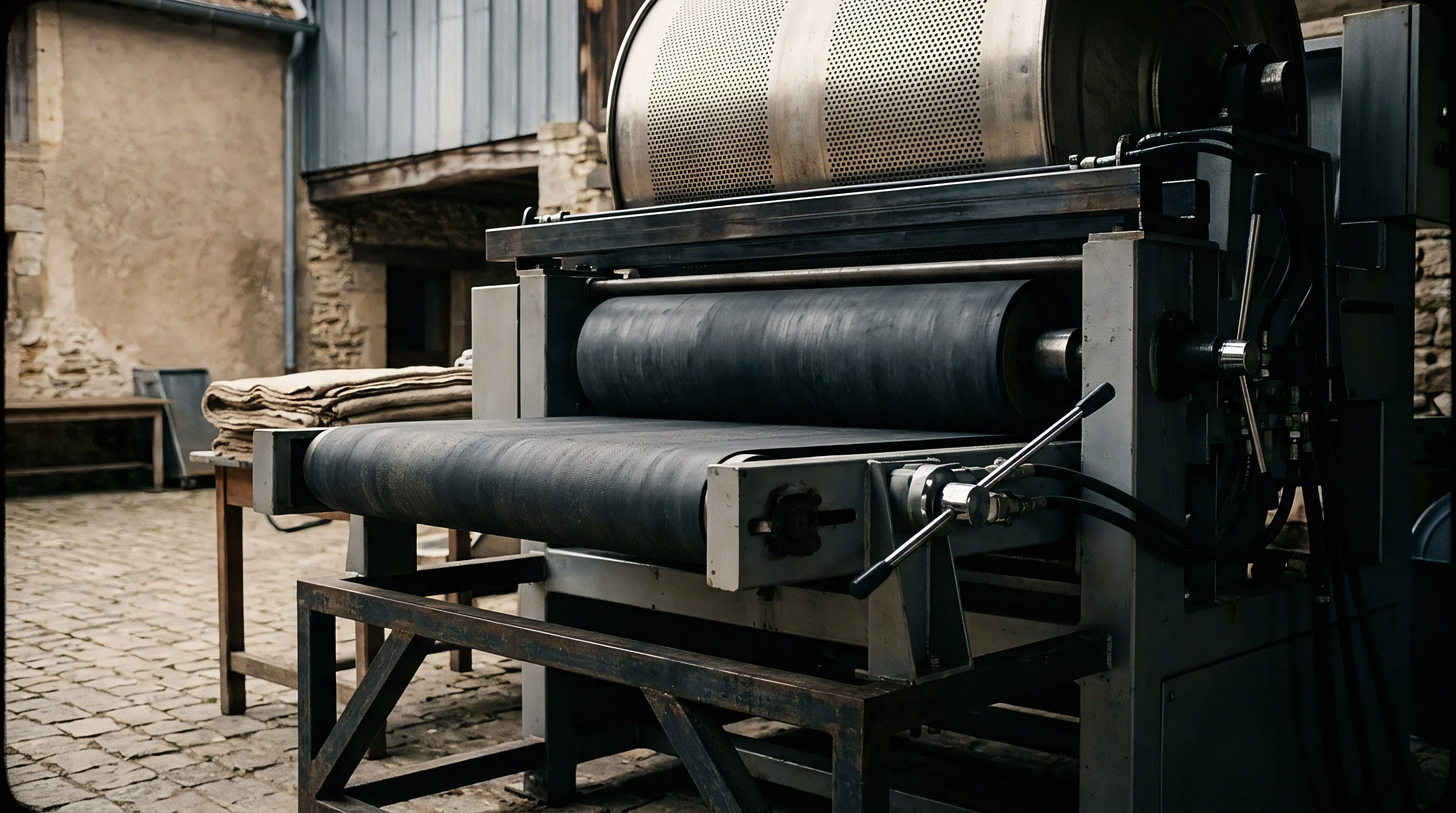

Formula
Calculating true industrial yield demands mathematically correcting all material fractions to a standardized dry-mass baseline. Raw scale readings introducing moisture disparities skew financial calculations and yield benchmarks. Standard scutching mathematical formulas isolate moisture content from physical fibre mass, enabling accurate yield comparison across varying ambient conditions and storage durations.
Consider a standard processing batch calculation. Take a twenty-tonne (20,000 kg) delivery of retted straw entering the plant at an average measured moisture content of 15.0 percent. The absolute dry matter mass entering the system equals 17,000 kg, calculated by subtracting the 3,000 kg water fraction.
The decortication line processes this batch, producing 3,200 kg of long fibre at 11.0 percent moisture, 2,200 kg of tow at 10.5 percent moisture, and 10,000 kg of shive at 9.0 percent moisture.
Incorporating European Flax Standard Section 4.2 into supply agreements obligates processing plants to maintain batch mass balance reconciliations within a two percent maximum tolerance.

Moisture Normalization in Long Fibre Yield Arithmetic
Industrial accounting protocols convert raw field weigh scale values to standard reference levels. To establish true long-fibre yield on a normalized 12.0 percent moisture basis, convert both input straw and output fibre to absolute dry weights before applying standard moisture adjustments. The absolute dry mass of the long fibre in the worked batch equals 2,848 kg (3,200 kg multiplied by 1 minus 0.11).
Normalized long-fibre yield percentage on a dry basis equals absolute dry fibre mass divided by absolute dry straw mass. Dividing 2,848 kg dry long fibre by 17,000 kg dry straw yields a dry-basis extraction efficiency of 16.75 percent. Expressing this yield at standard 12.0 percent moisture regain produces 3,236 kg of commercial fibre mass, establishing a normalized market yield of 16.75 percent from the original corrected input.

Sensitivity Analysis on Retting Degradation and Fibre Recovery
Modelling shifts in retting quality highlights how structural degradation alters long fibre recovery. Assume a scenario where field retting over-degrades bast bundle pectin, reducing tensile strength across fifty percent of the straw lot. The resulting mechanical impact inside the turbine breaks weakened long bundles, shifting 400 kg of dry mass from the long-fibre stream into the short-tow stream.
The dry long-fibre mass drops to 2,448 kg while dry tow mass increases to 2,369 kg. Re-calculating the normalized yield shows long-fibre extraction efficiency falling to 14.40 percent dry basis, representing a net 2.35 percentage point yield loss on long fibre. The commercial financial loss calculates directly by multiplying this tonnage reduction by the price spread between long fibre and low-value tow.
Unverified yield calculations lead auditors to audit yield metrics before signing off lot declarations:
- Dry Mass Equivalence Verification confirm that all input straw and output fibre fractions use lab-verified dry matter factors rather than gross weighbridge figures.
- Moisture Deviation Recalibration ensure output masses reflect standardized regain percentages rather than ambient packaging scales.
- Unaccounted Waste Boundary Check verify that total unaccounted system loss remains strictly under three percent of gross dry input.
- Tow-to-Long-Fibre Conversion Audit evaluate shifts in the output ratio between long fibre and tow to detect mechanical line aggressiveness.
Ignoring dry-mass corrections during yield evaluation causes buyers to overpay for raw moisture weight, eroding commercial margins when processing uncorrected inputs.
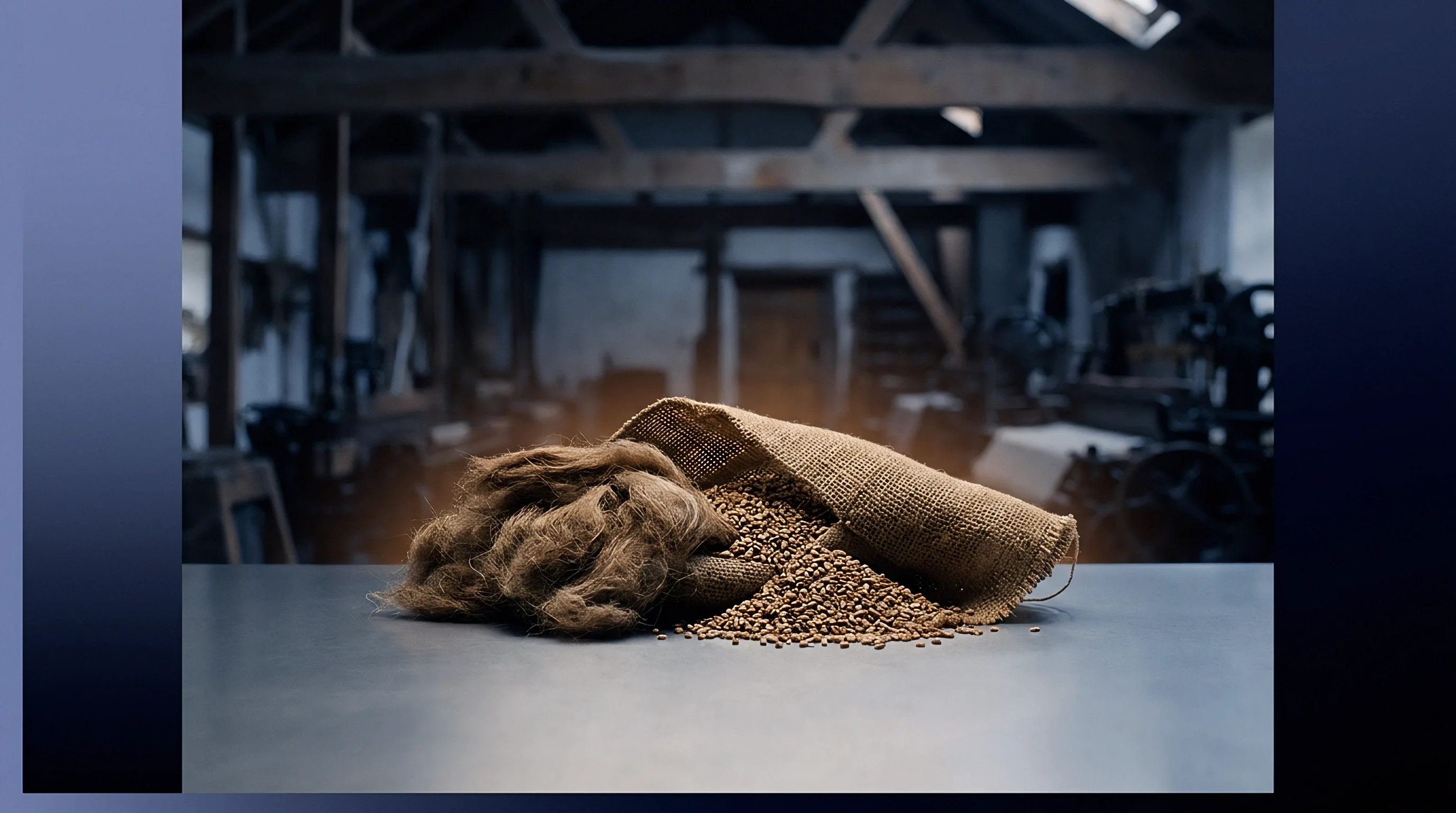

Warranty
Commercial contracts for processed flax establish enforceable thresholds for extraction percentage and purity. Buyers structuring procurement agreements specify minimum long-fibre extraction yields alongside maximum permissible shive contamination levels. When scutching facilities fail to meet contractually guaranteed extraction ratios, price adjustment clauses adjust the final per-kilogram delivery price to reflect reduced fibre utility.
Origin declaration compliance connects directly to scutching verification under international trade rules. Under Union Customs Code Article 60, non-preferential origin assigns country of origin to the territory where the last substantial, economically justified processing took place. For flax fibre, decortication of raw straw into scutched long fibre under Harmonized System code 5301 constitutes substantial transformation, transferring origin status from the field country to the scutching facility site when processing crosses borders.
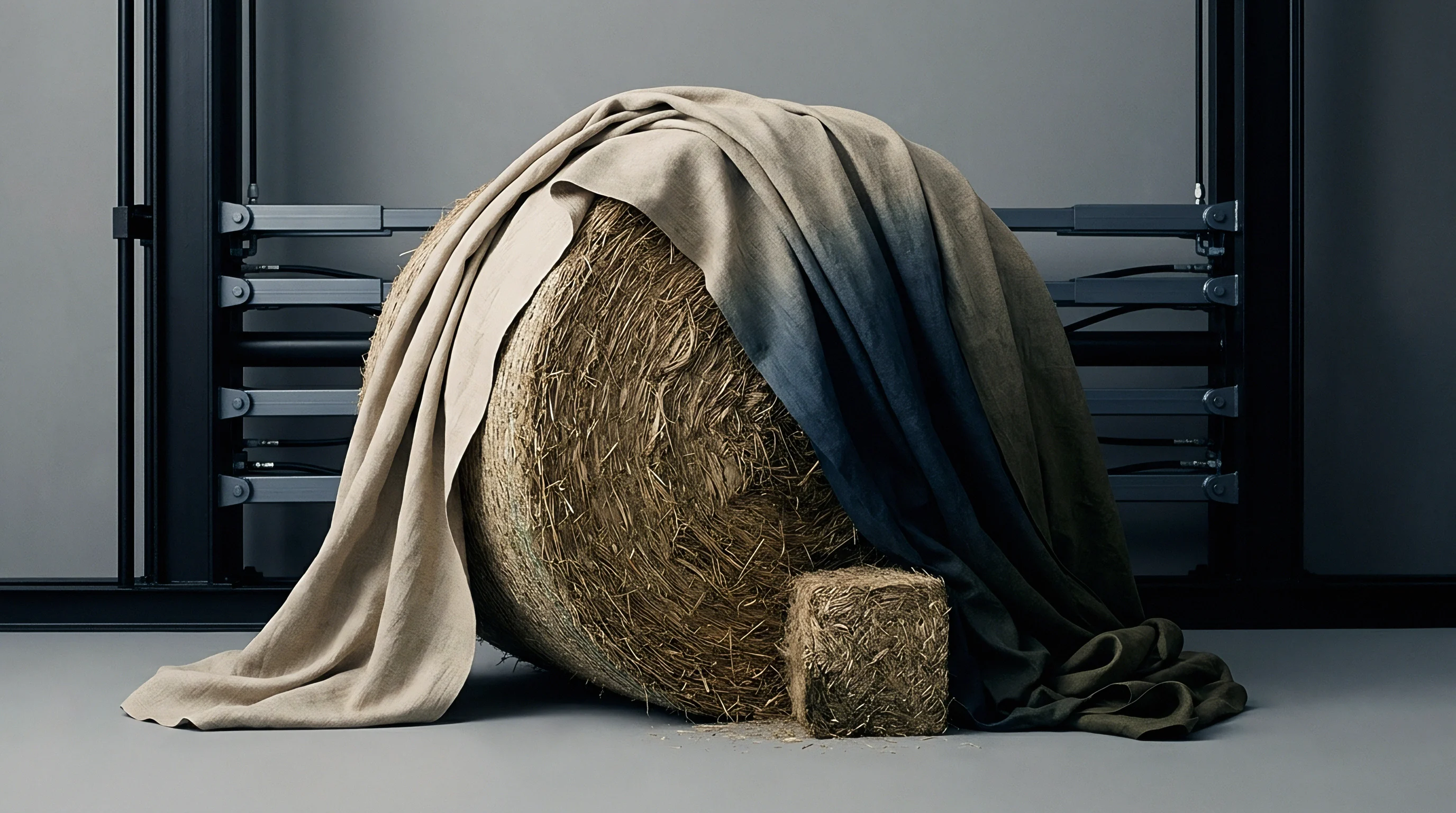
Contractual Yield Baselines and Commercial Price Adjustment Clauses
Sourcing agreements specify target extraction percentages linked directly to financial penalties. A standard contract baseline mandates a sixteen percent long-fibre dry extraction yield with a maximum residual shive content of 1.5 percent. If audit verification shows actual batch yields falling to fourteen percent due to mechanical over-beating, penalty formulas enforce a pro-rata price reduction covering the missing high-value fibre fraction.
Price adjustment equations factor in both long-fibre volume shortfalls and secondary tow generation increases. While tow production increases under aggressive beating, its market value per kilogram represents roughly fifteen to twenty percent of long-fibre value. The contract clause calculates net financial loss by balancing reduced long-fibre invoice totals against incremental tow credit gains.
| Sourcing Risk Category | Unverified Yield Assumption | Verified Metric Baseline | Commercial Financial Impact |
|---|---|---|---|
| Moisture Mass Inflation | Gross weighbridge billing at 16% input moisture | Normalized dry mass billing at 12% standard regain | 3.8% direct overpayment on raw biomass weight |
| Shive Mass Contamination | Uncleaned output accepted as pure fibre mass | Gravimetric shive cap strictly at 1.5% maximum | 1.5% to 3.0% fibre valuation write-down at spinner |
| Fibre Length Degradation | High overall extraction mass including broken bundles | Minimum long-fibre-to-tow ratio set at 1.5:1 | 20% loss in commercial value per fallen kilogram |
| Origin Non-Compliance | Paperwork assumption without decortication audit | Audited scutching batch dockets under UCC Article 60 | Customs duty clawback and potential seizure of goods |

Origin Classification Boundaries for Scutched Fibre Vs Yarn
Customs authorities classify decorticated flax under Harmonized System code 5301. Non-preferential origin rules require physical decortication from straw to fibre to grant origin status to the processing plant location. Merely combing, baling, or sorting imported scutched fibre fails to confer origin, requiring buyers to verify that scutching mills execute actual straw decortication rather than re-packaging foreign fibre.
Verifying origin claims demands examining mill electricity consumption records alongside weighbridge intake receipts. Decortication lines consume substantial mechanical power, running heavy motor drives across breaking rolls and turbine drums. Auditors cross-reference reported scutching volumes against facility utility statements, confirming that plant power consumption matches theoretical energy requirements for processing the declared tonnage of raw straw.
Audit dockets mirror weighbridge scale logs.
Cross-border shipments of scutched flax entering major spinning markets undergo origin verification by customs inspectors. Authorities demand documented proof linking specific import lots back to original straw intake dockets, batch decortication sheets, and energy consumption logs. When processing facilities fail to provide complete scutching dossier records, customs authorities reclassify import origin to the raw field location, revoking preferential tariff treatments and imposing corrective customs duties on the importing buyer.