
Reconciling Bast Fibre Drying Hysteresis Losses in Customs Entry Ledgers
Reconciling bast fibre customs entry deficits requires ISO 6741 gravimetric dry mass verification to prove hysteresis moisture loss over missing net fibre.
Reconciling bast fibre customs entry deficits requires ISO 6741 gravimetric dry mass verification to prove hysteresis moisture loss over missing net fibre.
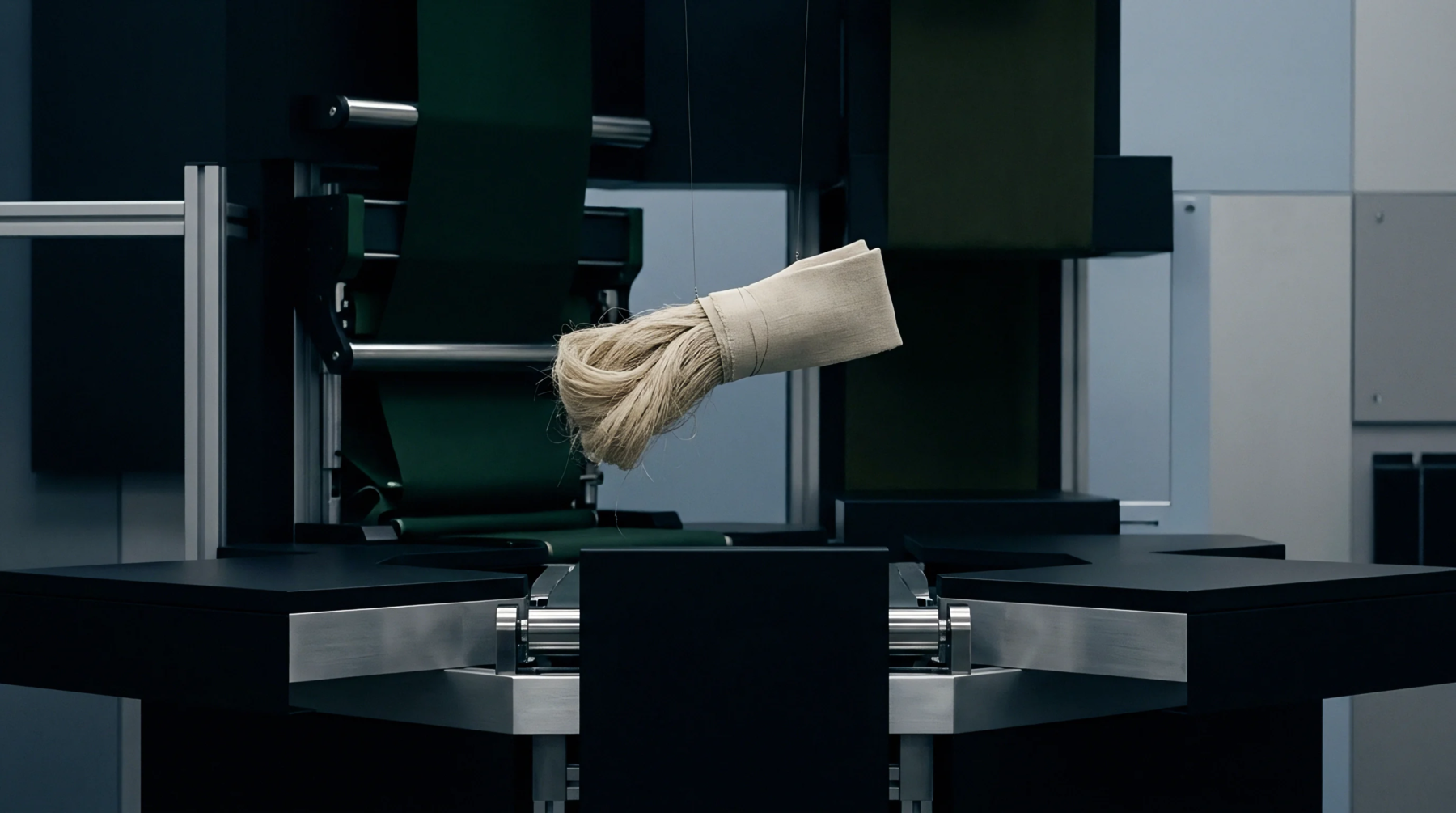
Sorption hysteresis alters landed fibre mass; import ledgers require ISO 6741-1 core dry-mass calculations to adjust raw invoice weights accurately.

Field weighment variances in cross border flax resolve by calculating true commercial dry mass from certified gravimetric core tests under ISO 6741 rules.

Flax transport reconciliation converts field scale weights to twelve percent commercial regain before scutchers log certified mass balance ledgers.

Auditing scutching intake tickets requires verifying axle scale calibration, applying standardized moisture and dockage deductions, and reconciling net straw mass.

Reconcile transoceanic linen weight discrepancies by deducting ambient sorption hysteresis mass using ISO 6741 dry mass tests and commercial debit terms.

Core sampling and forced-air oven drying at 105°C establish true dry flax mass for calculating official 12% commercial regain invoice settlements.

Standard moisture regain baseline calculations convert gross delivered flax mass to 12% commercial invoice mass via certified laboratory oven dry testing.

Verifying mass balance continuity in multi-country flax spinning requires adjusting gross bale weights to standard oven-dry regain and auditing yield losses at each frame.

Reconciling European Flax Transaction Certificates requires adjusting physical dock scale weights to standard commercial regain before matching net mass to certifier records.

Audit scutched flax mass using ISO 6741 gravimetric drying to enforce the 12% standard regain adjustment and verify lot tags against scheme scope certificates.

Audit conditioned mass at each subcontract gate to separate tow carding waste from wet chemical extraction losses.

Moisture regain shifts distort linen origin audits; normalizing scale weights to bone-dry fibre mass prevents origin claim revocation and retroactive tariffs.

European Flax yarn import verification requires matched scope certificates, lot-tied transaction certificates, and audited mass-balance yield calculations.

Microscopic cellulosic fine surface kinetic audits detect short-staple fiber blending and chemical surface manipulation across multi-tier linen spinning chains.

Gravimetric extraction combined with stable isotope profiling verifies European dew-retted flax origin and detects blended Asian mill yarn batches.
Expertise is a utility, not a secret. sentiention™ publishes its working knowledge as open reference: intelligence layer covering the materials it sources, the markets it enters, and the reference that serves both.