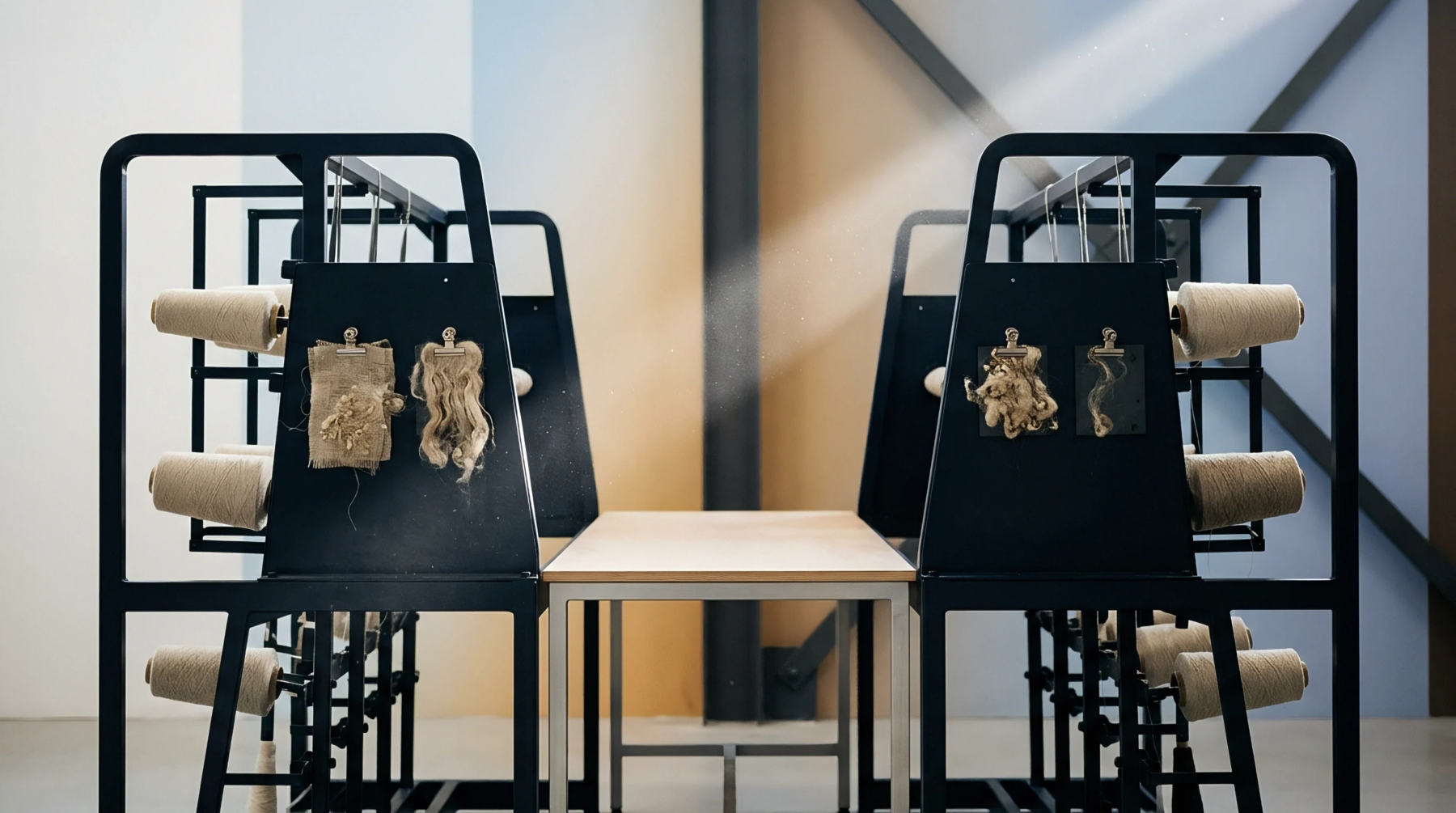
Fiber Preparation
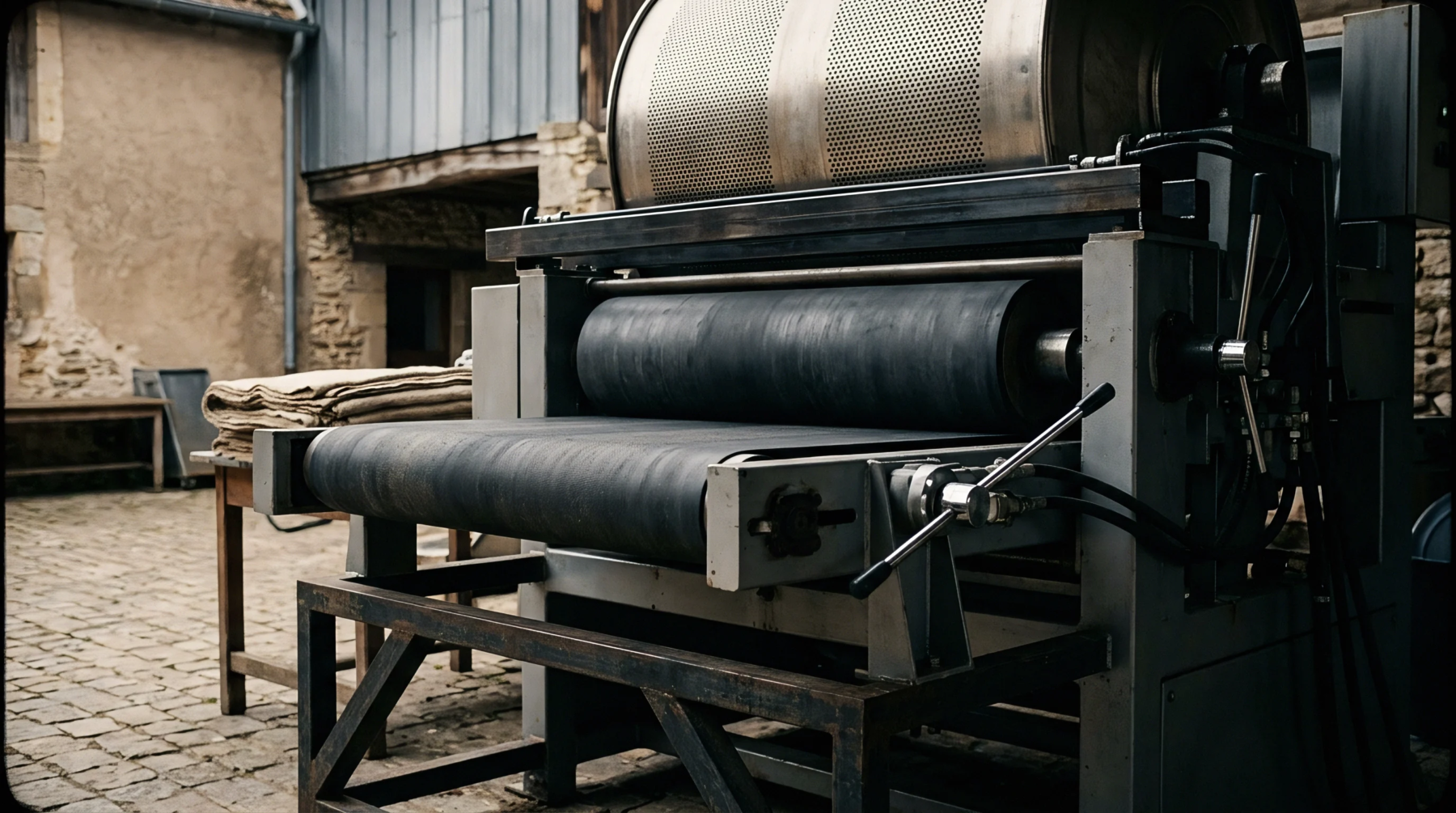
Liquid immersion mechanics control the wet drafting trough during the preliminary preparation stages of long vegetable fibers inside regional spinning mills. Water temperature baths soften natural lignins while parallel rollers stretch the wet flax sliver to align molecular bonds before the twisting station. Mill operators monitor bath saturation levels through daily viscosity testing logged in the wet spinning production ledger.
Unprocessed plant strands enter this specialized channel to reduce roving irregularities before final yarn formation. Natural moisture absorption parameters govern physical elongation limits throughout the fluid passage. Excessive immersion duration degrades cellulose integrity, causing thread breakage further down the production line.
Internal factory benchmarks differ from external customer acceptance limits regarding residual moisture retention. Production teams evaluate mechanical performance against proprietary factory standards rather than buyer specifications alone. Bath chemistry balances mineral content to prevent unwanted fiber discoloration during prolonged exposure.
Mechanical tension adjustments occur continuously while sliver material traverses the submerged path.
Sliver Tension
Applied mechanical force within the wet drafting trough governs ultimate yarn strength parameters during continuous processing runs. Tension meters measure pulling resistance across submerged guide rollers to maintain consistent linear density throughout the spinning batch. High mechanical resistance fractures weakened plant strands, whereas insufficient pull produces uneven roving thickness profiles.
Roller speeds scale proportionally with bath temperature readings to optimize fiber elongation characteristics. Quality controllers record tension measurements manually within the shift logbook during every equipment calibration cycle. Operators adjust immersion depths whenever raw material batch characteristics fluctuate due to natural harvest variations.
Strict mechanical tolerances prevent slippage between bronze drafting cylinders and wet vegetable strands.
Product Quality
Finished yarn grading depends upon precise fluid management within the wet drafting trough during initial strand drawing operations. Physical inspectors evaluate dried yarn samples for tensile strength, hairiness, and diameter uniformity against established laboratory benchmarks. Woven fabric grades derive directly from yarn quality tiers assigned immediately after the spinning stage concludes.
Mill quality protocols establish internal acceptance thresholds that exceed baseline customer purchasing requirements. Defective yarn lots undergo immediate isolation for recycling within secondary carding operations. Laboratory technicians verify breaking length values using standard dynamometer testing equipment located inside the mill facility.
Final export certification documents record the verified fiber classification assigned during initial preparation procedures.