Applying Stochastic Queueing Formulas to Machine Interference in High-Speed Weaving
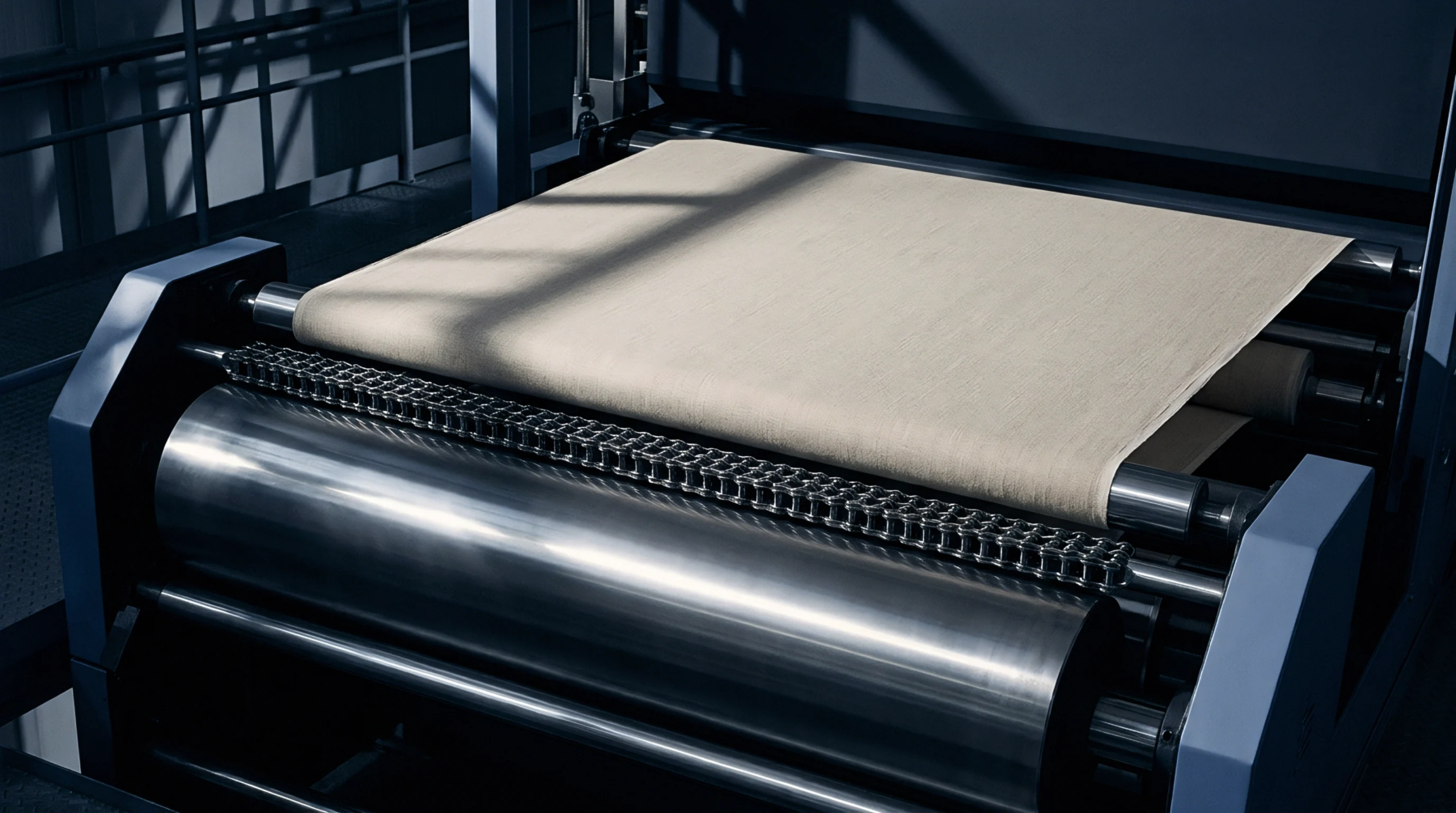
Finite population queueing models quantify loom interference losses, preventing over-assignment that drives down air-jet shed efficiency below economic targets.

Finite population queueing models quantify loom interference losses, preventing over-assignment that drives down air-jet shed efficiency below economic targets.

Continuous wet roving intrinsic viscosity assessments require standardized cupriethylenediamine dissolution to prevent undetected polymer backbone degradation.

Weaver allocation balances labor wages against machine interference losses, where optimal loom-to-operator ratios maximize amortized shed efficiency.

Reconciling organic wet spinning yields requires dry mass correction and soluble pectin extraction accounting before auditing yarn transaction certificates.

Verify dry-matter pectin loss and normalize roving moisture to ensure mass balance integrity across organic flax wet spinning troughs.
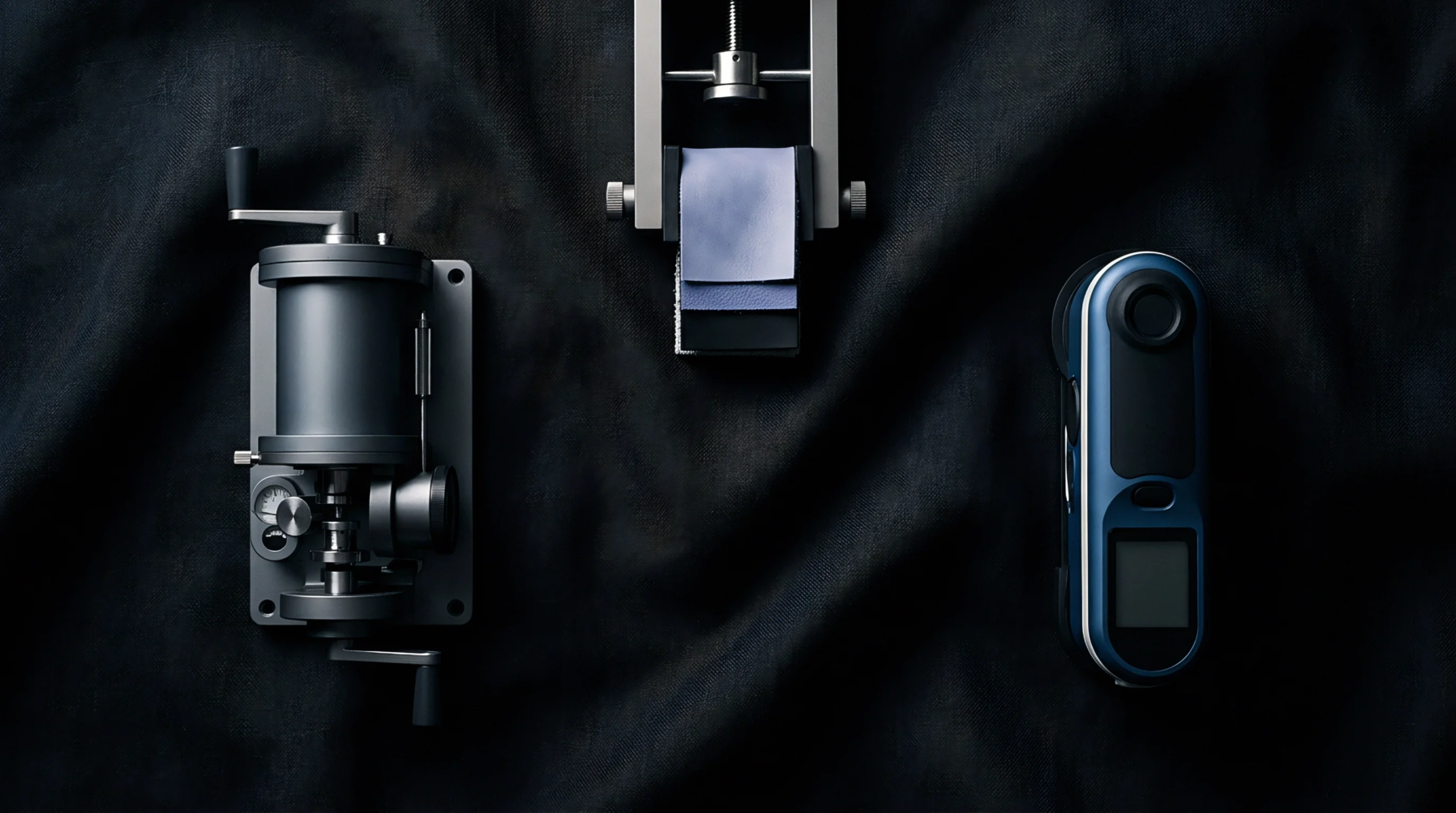
Bleached European linen yarns require chemical alpha-cellulose isolation and fractionation calibration to verify isotopic origin against raw fiber isoscapes.

Multi-isotope mapping of strontium and oxygen provides an empirical origin gate that exposes commingled or substituted linen independent of paperwork claims.

Strontium isotope mass spectrometry isolates bioavailable soil ratios in flax cellulose, enabling direct verification of European origin against mill declarations.

Reconciling organic flax spinning losses requires adjusting transaction certificates for count-dependent extractive solubilization and moisture regain.

Non-isothermal humidity gradients drive non-linear capstan tension amplification in high-density linen sheds, increasing end break rates unless controlled.

Reconciling wet spun linen mass balance ledgers requires factoring moisture regain adjustments, chemical trough dissolution, and count-specific mechanical waste.

Optimizing hackle pin shear stress below 18 MPa splits pectin lamellae cleanly, maximizing fine line yield while preventing elementary fibre micro-fractures.

Calibrating hackling tool beds within sub-0.05mm tolerances maximizes long-staple line fibre yield, preventing costly stem rupture and securing high-count yarn spinnability.

Fine linen conversion baselines require dry-weight mass balance tracking across hackling, boiling, and wet spinning to verify certified fiber origin.

Isotopic geolocation uses delta 18O, carbon 13, and strontium ratios in pure cellulose to distinguish Western European flax from continental bast fibers.

Scutched flax length arrays dictate hackling yield and draft limits, where span length and dispersion metrics set the achievable wet-spun yarn count limit.

Maintain localized shed humidity at 72-78% RH at 21°C dry bulb with 5-10 micron fogging to achieve 12% regain and prevent warp breaks in high-speed flax weaving.

Off-shore flax spinning mass balance reconciliation demands matching certified fiber import weight to yarn output weight through dry-basis yield adjustments

Dynamic optical rail control compensates for wet flax traveller friction in real time, suppressing tension spikes to lower fine count end breakage by over sixty percent.

Dynamic friction coefficients in fine wet spun linen warps depend on moisture regain and sizing film integrity, directly dictating loom speed limits.
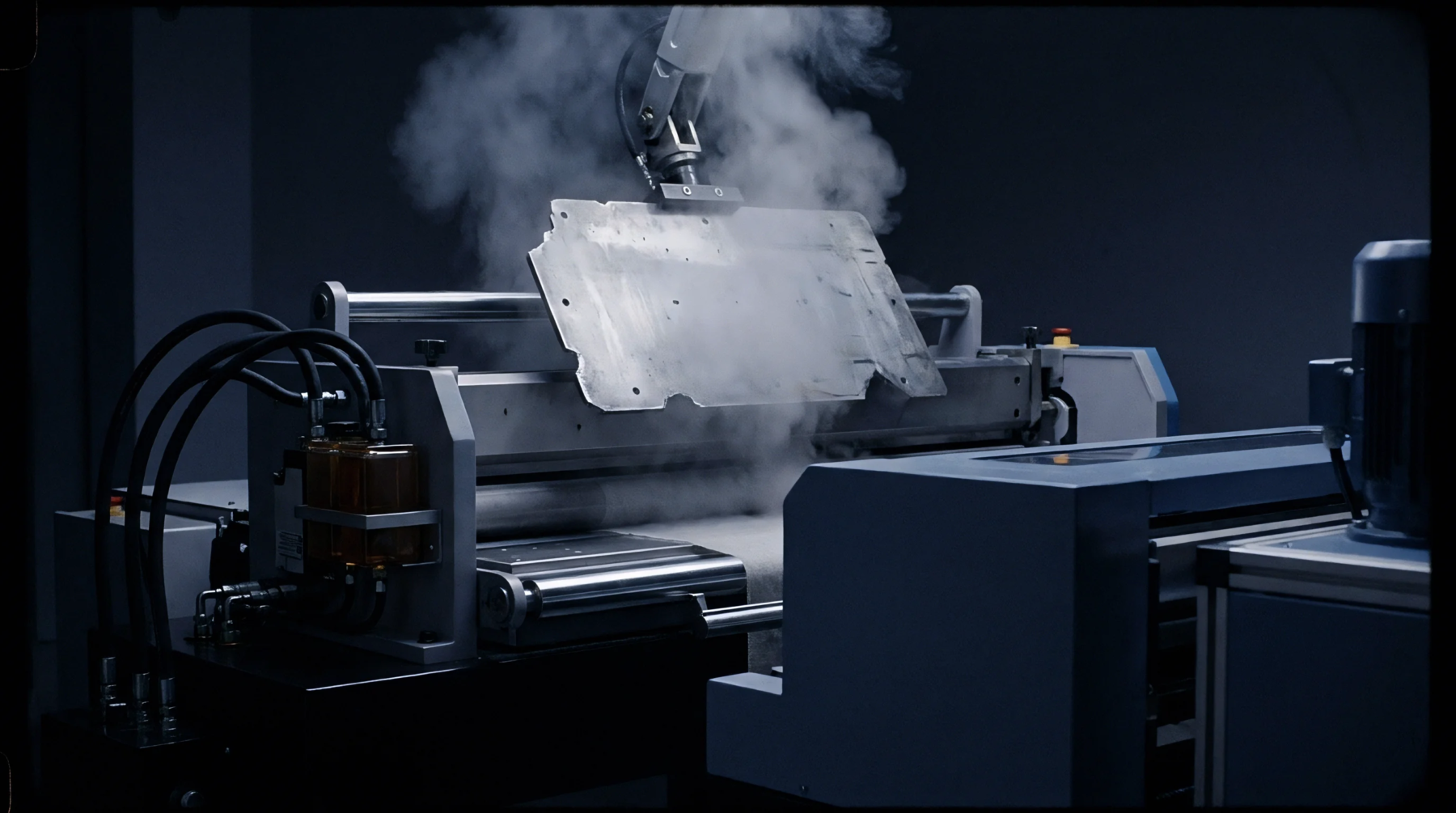
Fine wet spun linen warp breaks are minimized by capping dynamic shed strain below 2.0% through asymmetric back-rest tuning and controlled relative humidity.

Sliver mass variance generates dynamic force spikes in drafting zones, driving end breaks, reducing frame efficiency, and elevating finished linen yarn costs.

Controlled PVA sizing bounds radial penetration between fifteen and twenty-five percent, preserving internal flax flexibility while suppressing shed abrasion.
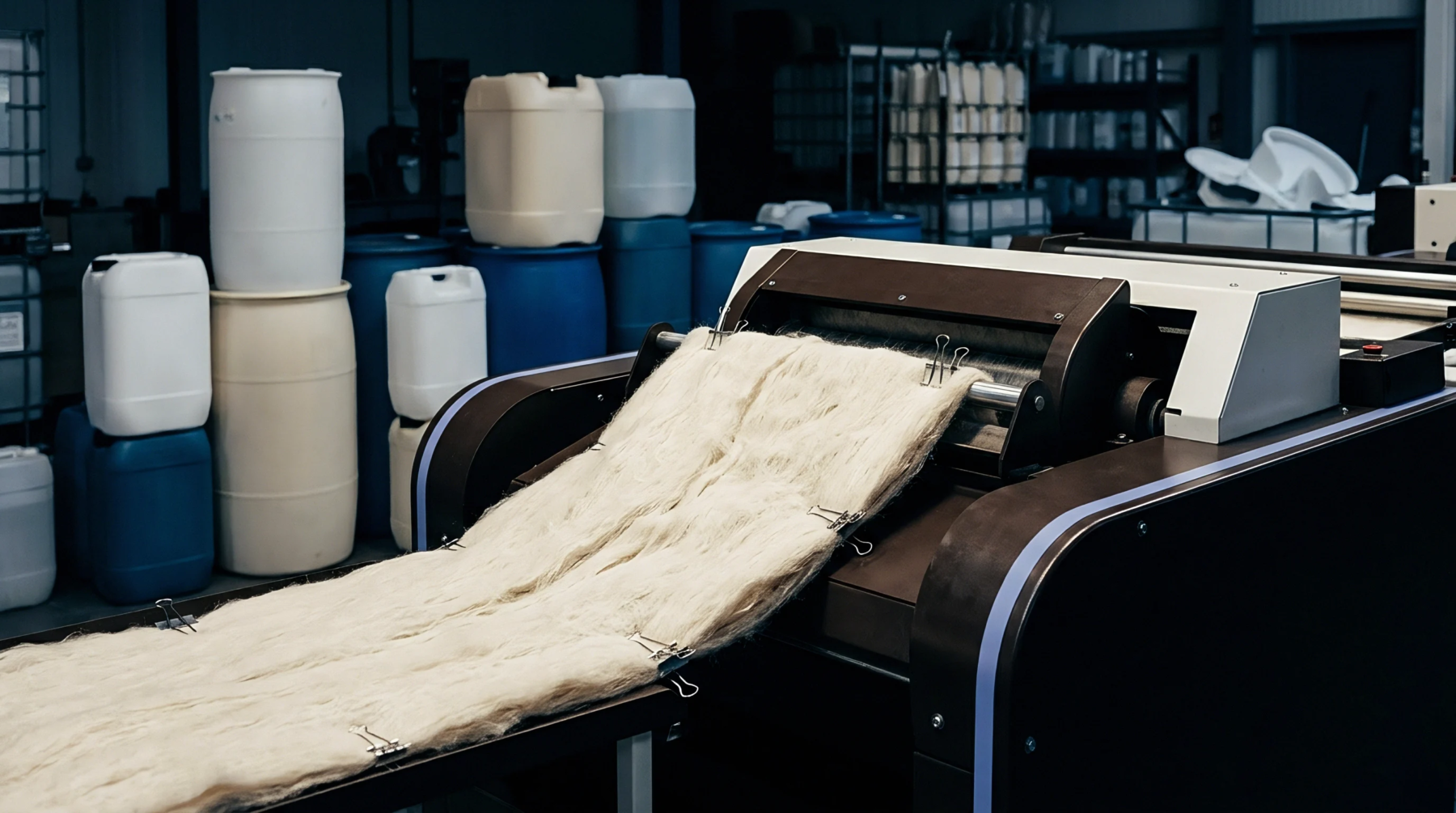
European Flax verification requires matching batch Transaction Certificates with valid supplier Scope Certificates and auditing mill mass-balance yields.

Proving non-preferential origin for Asian spun linen yarns demands mill-level mass-balance audit trails connecting European raw flax to yarn batches.
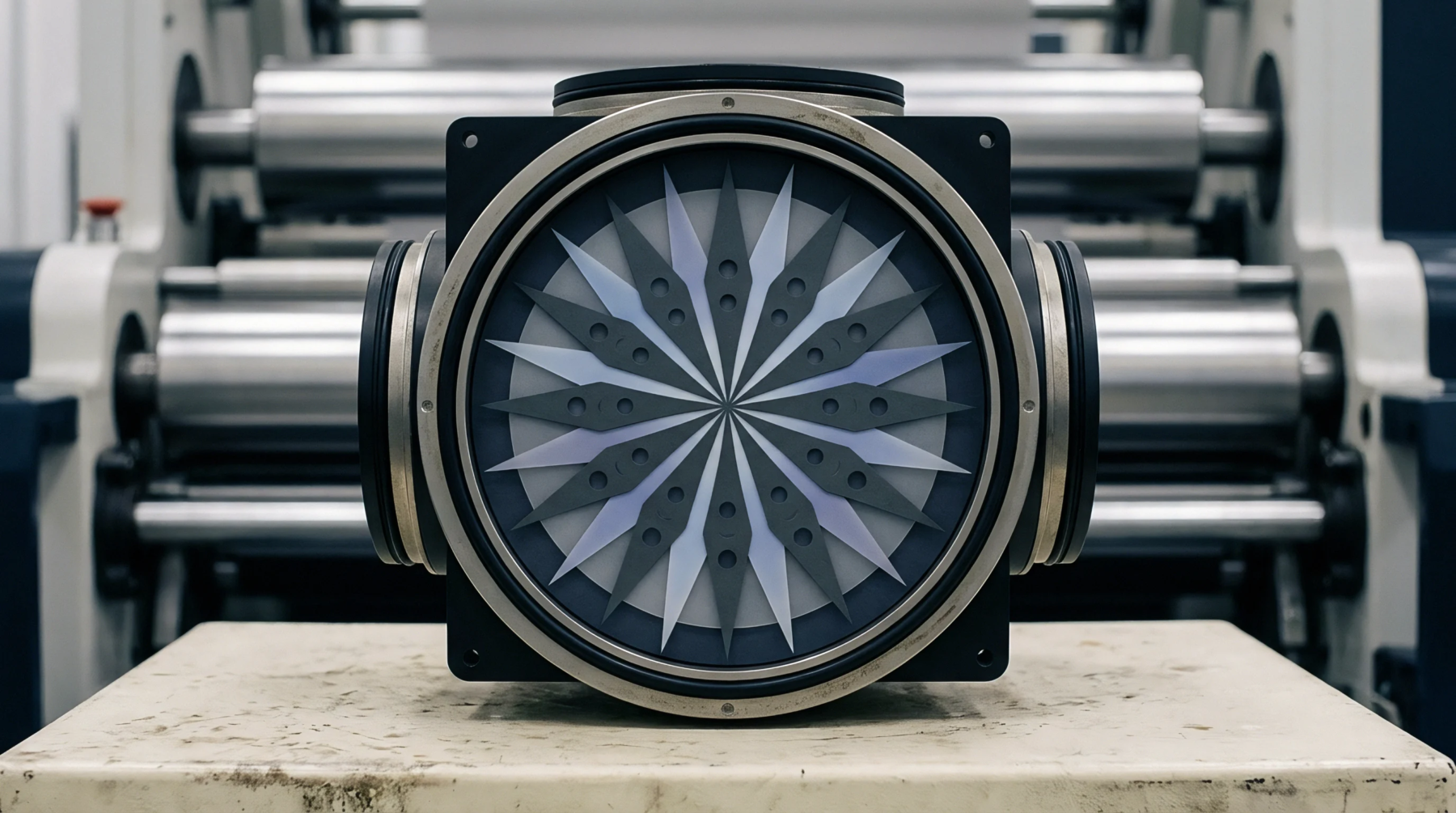
Controlled staple cut length and narrow decitex distributions below twenty-two decitex prevent card loading and sustain spinning frame efficiency.

Reconciling mass balance in Asian flax wet spinning demands strict dry-mass tare auditing, tow yield accounting, and certified credit ledger validation.
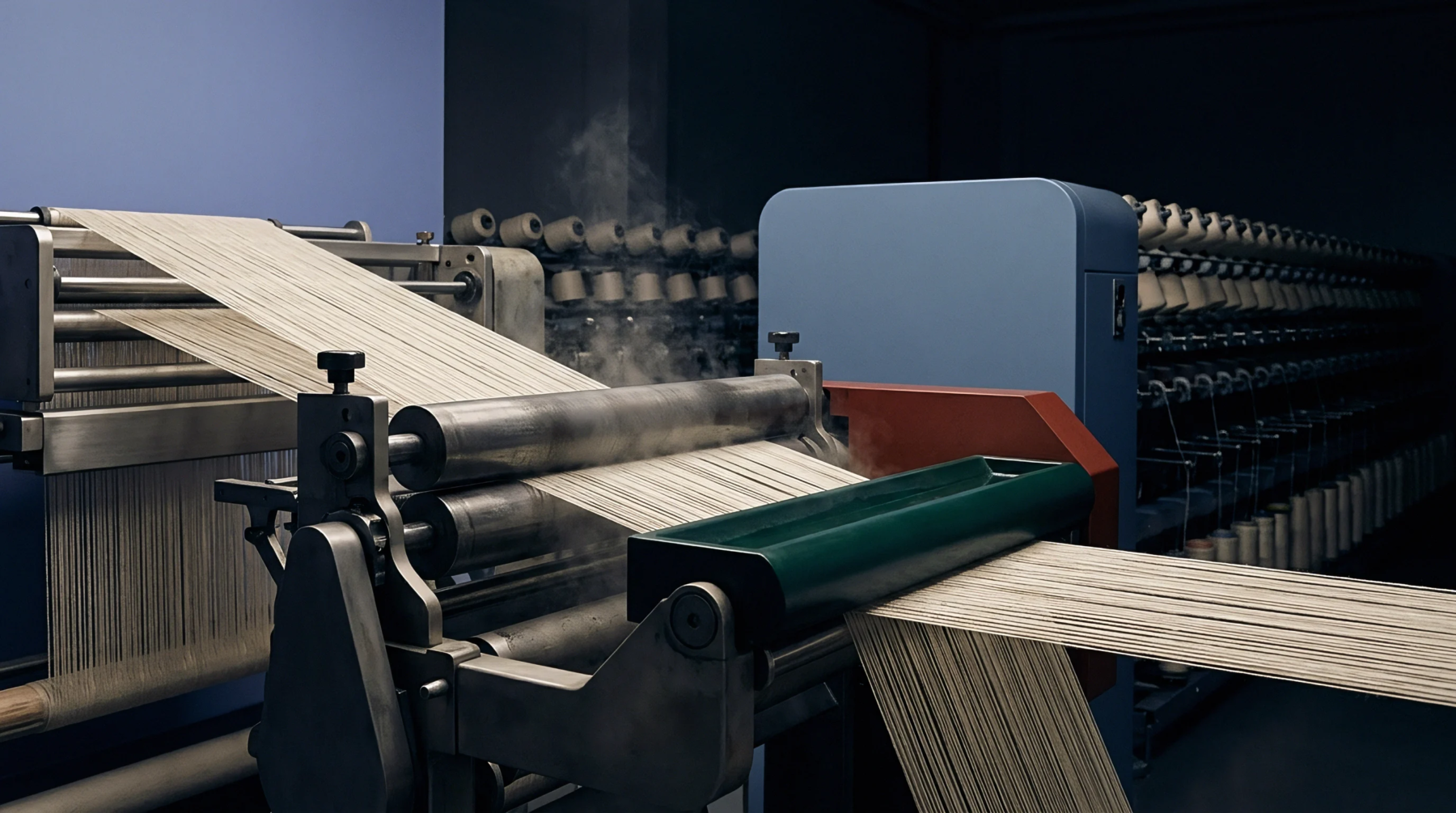
Wet spun linen warp yarn requires a minimum dry tenacity of 26 cN/tex to run on rapier looms at 85 percent efficiency.

Verify European Flax scutched line through scope certificates, lot-matched transaction certificates, and rigorous hackling-to-spinning mass balance audits.

High-speed shedding triggers pectin shear in wet spun flax, requiring dynamic tension adjustment to prevent viscoelastic decay, warp breaks, and costly stops.
Expertise is a utility, not a secret. sentiention™ publishes its working knowledge as open reference: intelligence layer covering the materials it sources, the markets it enters, and the reference that serves both.