
Quantitative Mass Balance Accounting for Blended Linen Yarn Production in Offshore Facilities
Mass balance accounting in offshore linen spinning succeeds only when spinners isolate comber noil and verify dry weight loss at each draw frame stage.

Mass balance accounting in offshore linen spinning succeeds only when spinners isolate comber noil and verify dry weight loss at each draw frame stage.

Airflow differential pressure models for dew-retted flax sliver require secondary compressibility factors to maintain linear density accuracy within 1.5 percent.

Airflow porosimetry on cut bast stricks determines bundle fineness and spinnable count by measuring differential pressure across an isotropic chopped plug.
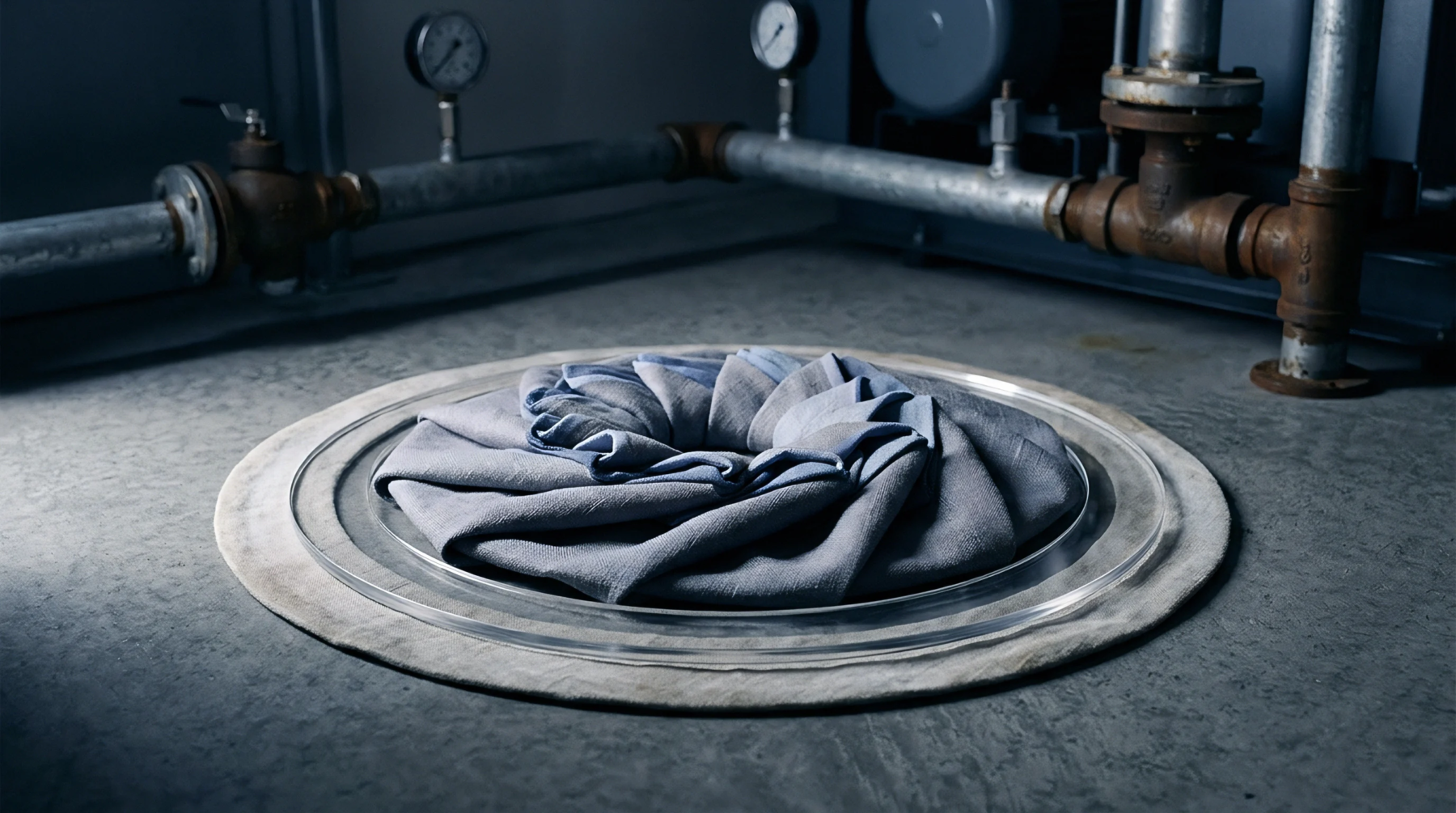
Airflow differential pressure across a compressed bast fiber plug calculates specific surface area through the Kozeny-Carman relation under laminar flow.

Residual pectin alters bast fiber bundle volume and aerodynamic drag, causing airflow fineness testers to overestimate coarseness by up to twenty-eight percent.

European Flax origin claims require batch-level transaction certificates matching mill mass-balance yields across line hackling and wet spinning stages.

Basic fractional cover factor calculations in linen require adjusting nominal yarn diameter for flax packing density and beat-up flattening before computing combined system surface cover.

Bayesian isotopic unmixing reliably detects regional bast fibre adulteration above twenty percent, but baseline variance creates blind spots in minor blends.

Bulk isotope testing detects Asian bast substitutions exceeding fifteen percent by tracking oxygen-18 depletion and radiogenic strontium ratios in yarn.

Elastic sizing films, asymmetric shed timing, and capped loom speeds prevent yarn abrasion and tension rupture in ultra-high-density flax constructions.

Authentic Western European long staple flax exhibits delta 18O values between 20.5 and 23.2 per mil alongside strontium 87Sr/86Sr ratios from 0.7082 to 0.7096.

High sett linen cuts loom output up to 66 percent, requiring overhead costing shifts from linear metre pricing to audited machine hour capacity absorption rates.

Caustic scouring shifts bast fiber delta 13 C positive by up to 1.8 per mil while process water exchange alters delta 18 O by up to 1.4 per mil.
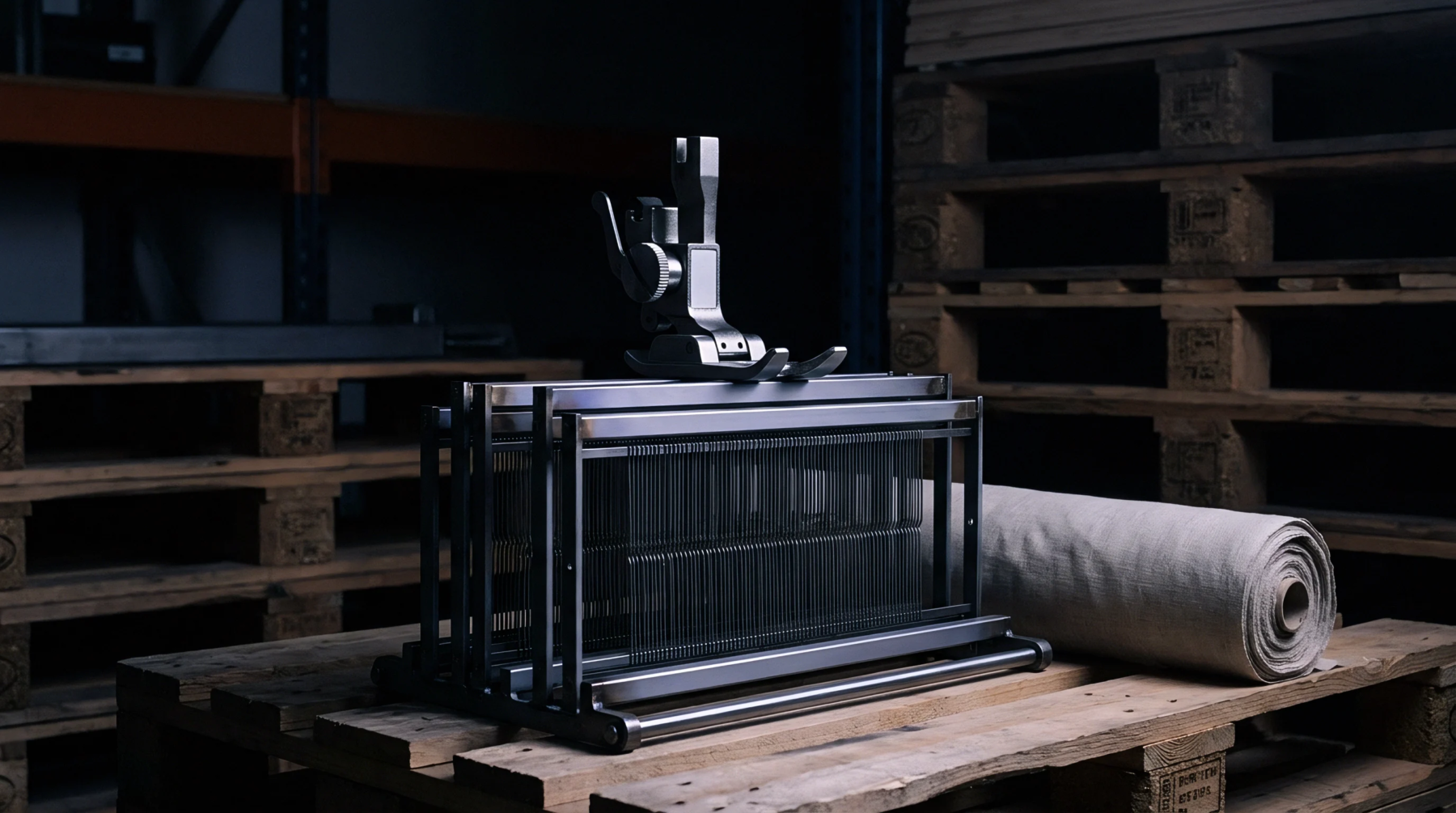
Warp stop downtime combines mechanical repair duration with operator interference queuing, calculated from break frequency per hundred thousand picks.

Standardized airflow permeability testing under ISO 2370 converts pneumatic backpressure into specific surface area to grade flax bundle spinnability.

Dynamic resonance between Jacquard gantries and spring return assemblies distorts shed timing, requiring stiff structural isolation to prevent mispicks.

Scouring shifts linen isotopic ratios through mass loss and water exchange, requiring isolated cellulose testing and process offset vectors for origin audit.
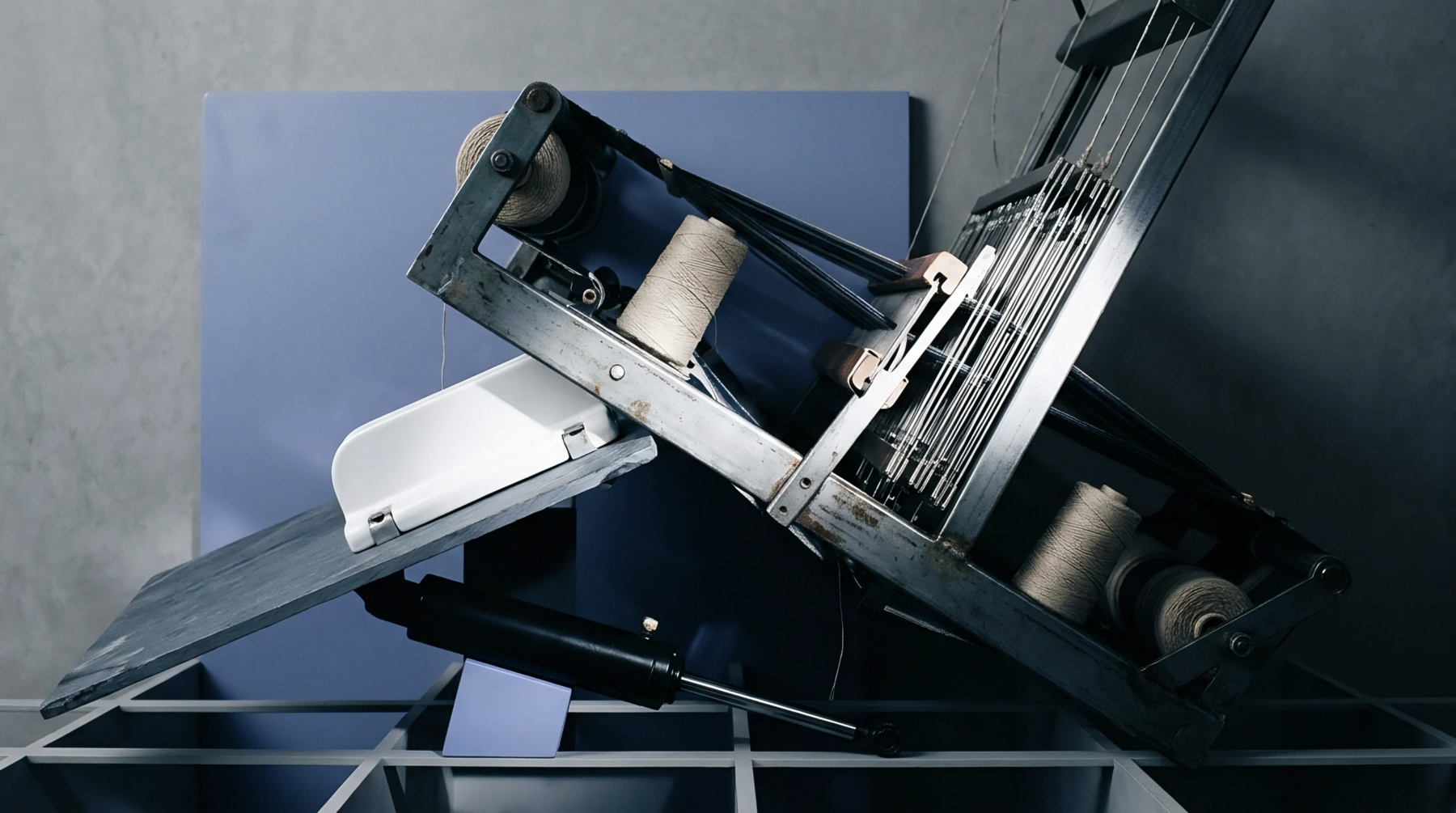
Derate electronic jacquard speed using compound cord splay angles and spring lag to stop linen warp breakages and balance booked loom hour costs.

Cross-sectional bundle area distributions dictate wet drafting stress peaks and spinning triangle stability, directly predicting high-speed frame end breakage.

Dynamic peak load in jacquard suspensions scales with the square of loom speed, requiring rigid gantries and precise spring rate selection.

Alkaline scouring strips wax and pectin, enriching delta 13C and shifting delta 18O; origin assays require alpha-cellulose extraction to prevent false rejections.

Modified starch hybrid sizing films maintain dynamic yield thresholds above 3.5 percent at 15 Hertz, preventing brittle shed flaking and sustaining loom efficiency.

Calculate critical twist factors in high count wet spinning by balancing metric alpha values between seventy and eighty-five against trough pectin extraction.

Verify raw flax sliver cross-sectional mass uniformity through conditioned one-metre gravimetric cuts to prevent severe drafting waves during wet spinning.

Optical histograms predict wet drafting friction by quantifying the coarse bundle tail that breaks hydrodynamic lubrication in the drafting zone.

Cross-border linen yarn audits fail when wet spinning process water shifts cellulosic oxygen baselines away from declared European scutching field data.

Verify non-European flax fiber mass balance by checking moisture-adjusted intake weights, physical scutcher yields, and unbroken inland transfer records.
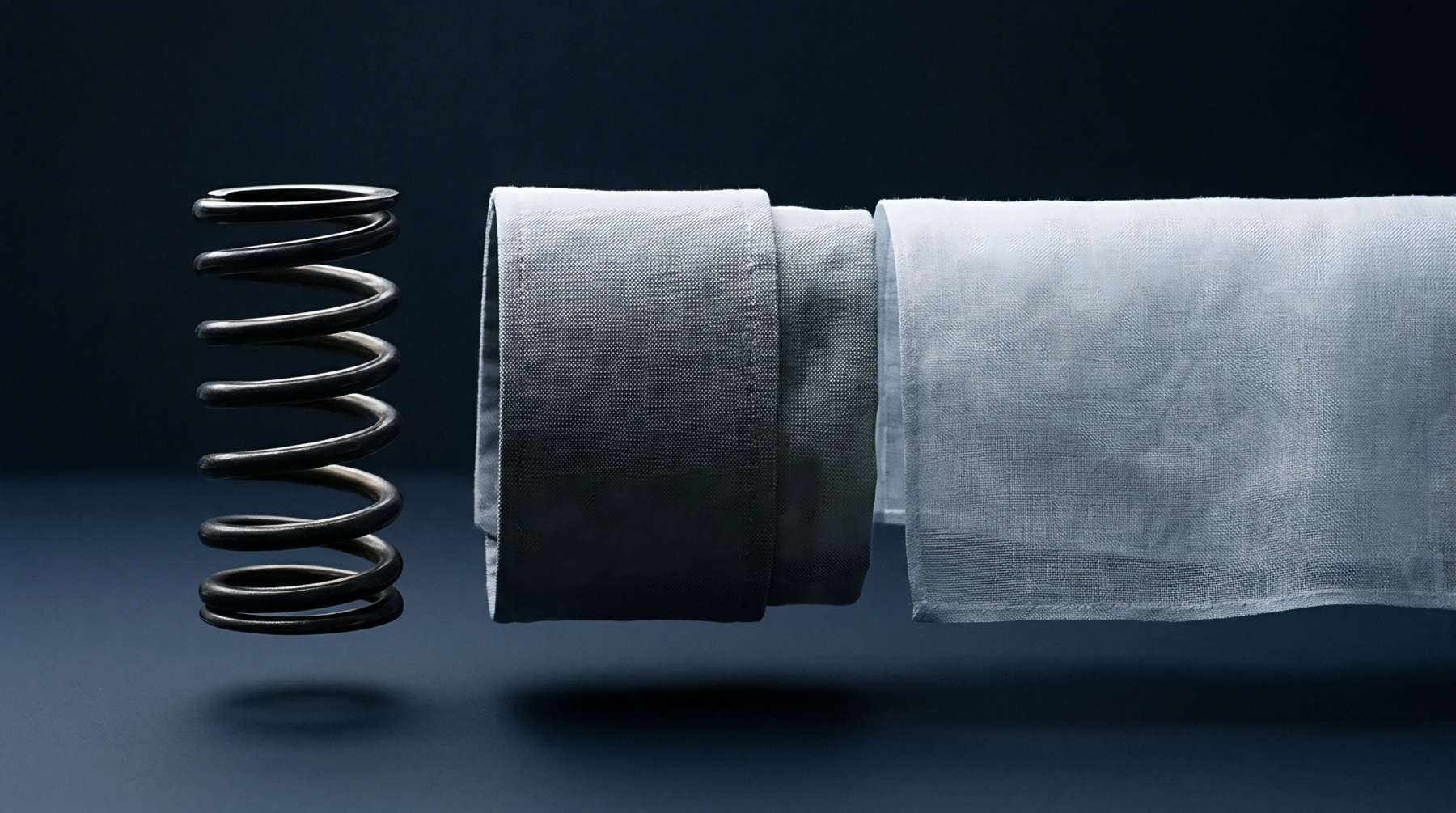
Forced-oscillation film testing establishes elastic storage and viscous damping thresholds that prevent warp filament clinging during rapier loom insertion.

Correlating line-scan bundle area variance with drafting force prevents spinning tension surges, cutting wet-spun yarn breaks and loom downtime.
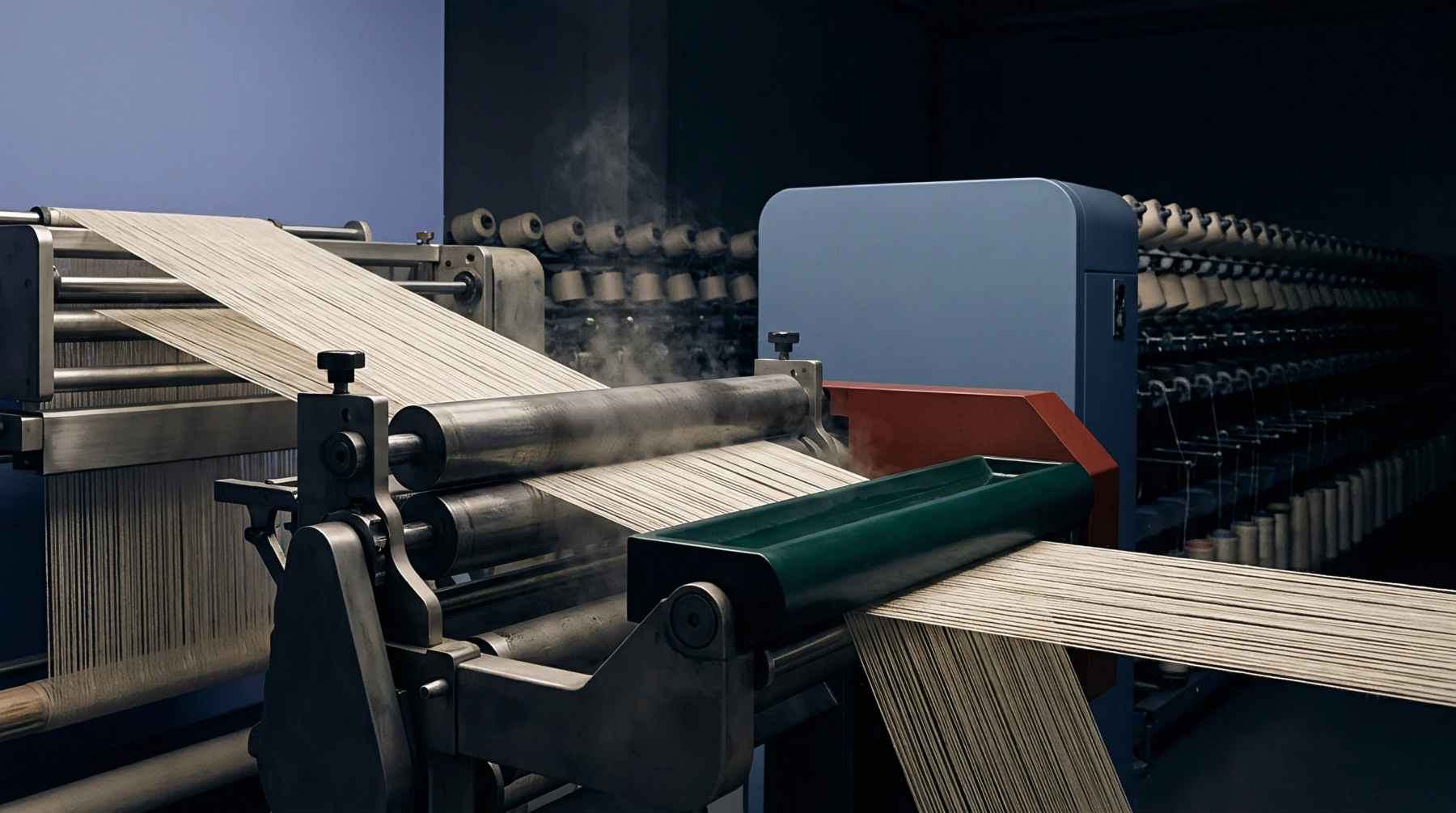
Origin thresholds in mixed linen yarns depend on dry mass accounting after standard moisture regain adjustments and verified scutcher transaction certificates.
Expertise is a utility, not a secret. sentiention™ publishes its working knowledge as open reference: intelligence layer covering the materials it sources, the markets it enters, and the reference that serves both.