
Flax Yarn to Fabric Customs Classification and Origin Determination
Verify linen customs entries by linking HS 53 yarn counts to transaction certificates and proving mass-balance yields across every transformation stage.
Verify linen customs entries by linking HS 53 yarn counts to transaction certificates and proving mass-balance yields across every transformation stage.

Verify mill weighbridge tickets against transaction certificate tonnage to prevent yield inflation and origin invalidation in wet-spun linen chains.

Customs origin for wet spun linen yarn under HS 5306 follows the physical location of the spinning frames where flax roving undergoes substantial transformation.

Resolving linen origin discrepancies demands matching yarn transaction certificates to mill beam logs and reconciling mass balance yields across weaving stages.
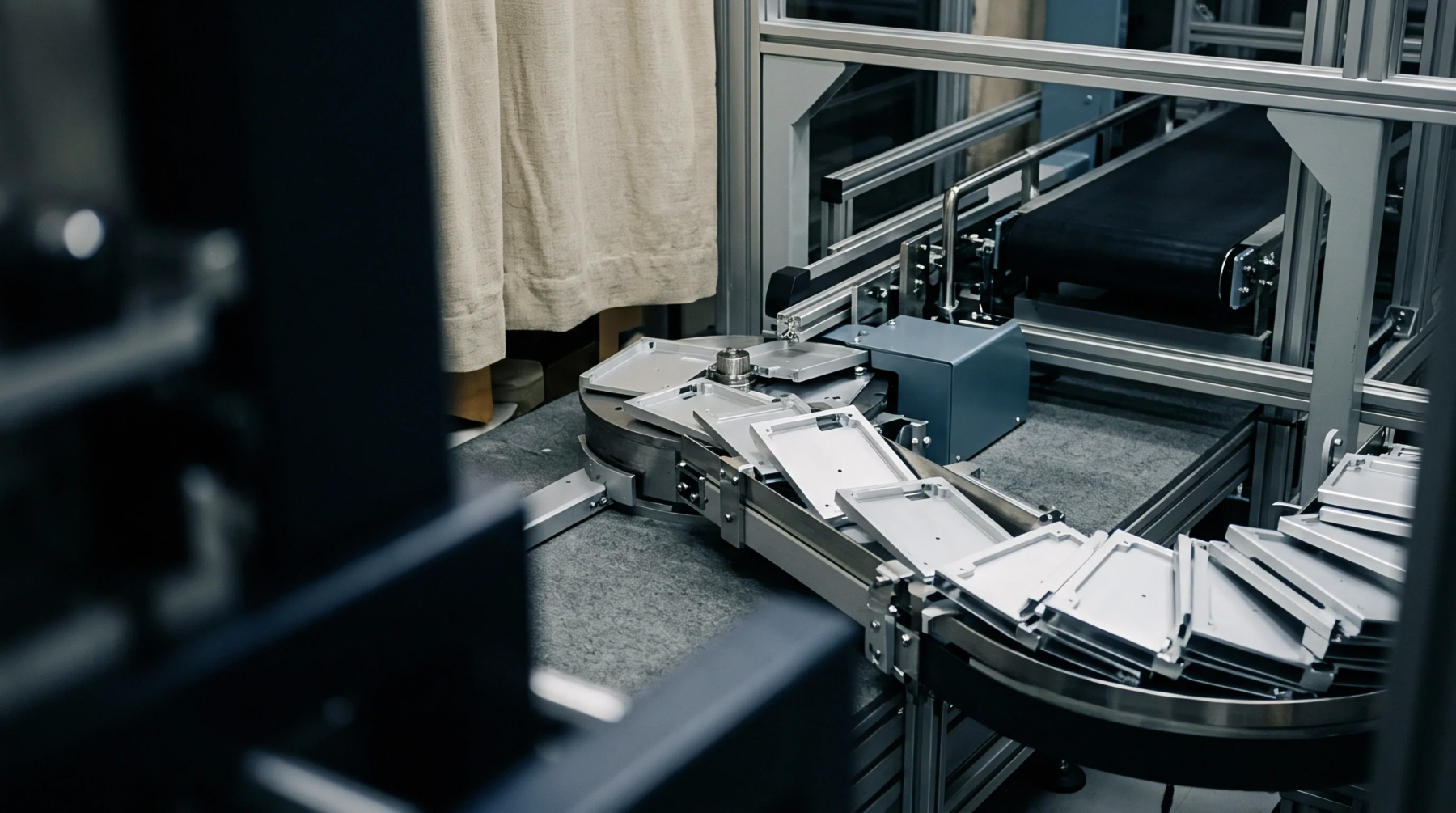
HS Chapter 53 linen classification requires strict lab verification of fibre state, 85 percent blend mass thresholds, and audited mill transaction records.

Spectroscopy cannot resolve high-ratio bast blends due to retting variance; quantitative verification requires microscopic twist counts and mass-balance audits.
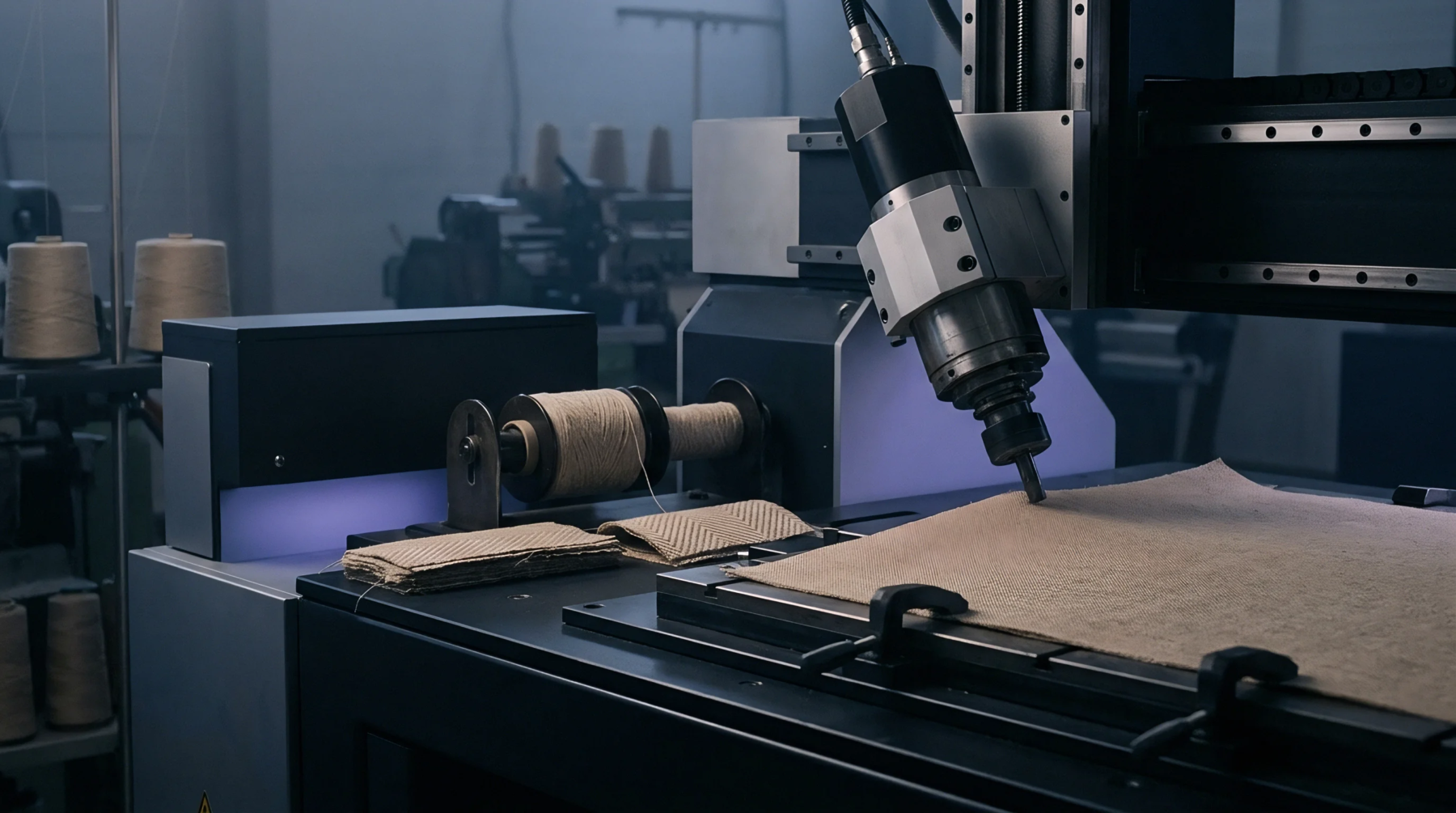
FTIR peak ratios at 1740 against 1605 cm⁻¹ paired with Klason lignin below 1.5% define the drafting boundary for spinning degummed flax on dry cotton frames.

Infrared spectroscopic mapping identifies bast fiber origin by measuring cell-wall biopolymer ratios to expose undocumented blending before customs entry.

Customs audits reclassify mechanically cottonized bast yarns under cotton headings unless importers substantiate Chapter 53 claims with unbroken mill-to-field mass balances.

US Customs splits degummed flax between headings 5301 and 5301.30 based on residual gum content, staple length uniformity, and bundle cohesion at port entry.

Klason lignin testing verifies bast fiber processing levels through acid hydrolysis and ash correction to confirm tariff codes and audit mill degumming claims.
Insoluble calcium pectate inflates commercial dry weight reconciliations by locking mineral mass and bound hydration water into oven-dry fiber baselines.

Trough pectin hydrolysis requires precise temperature and pH control to preserve flax fiber bundle tenacity while enabling uniform wet spinning drafting.

Deducting non-cellulosic spin finishes from oven-dry flax roving mass prevents double-billing and aligns cross-border invoices with net dry fibre content.

Dynamic beater telemetry preserves flax microfibrillar integrity during scutching, maintaining fiber tenacity and validating auditable provenance documentation.

Laser triangulation clearance control maintains flax line yield above twenty-two percent while protecting certified mass-balance records against extraction waste drift.
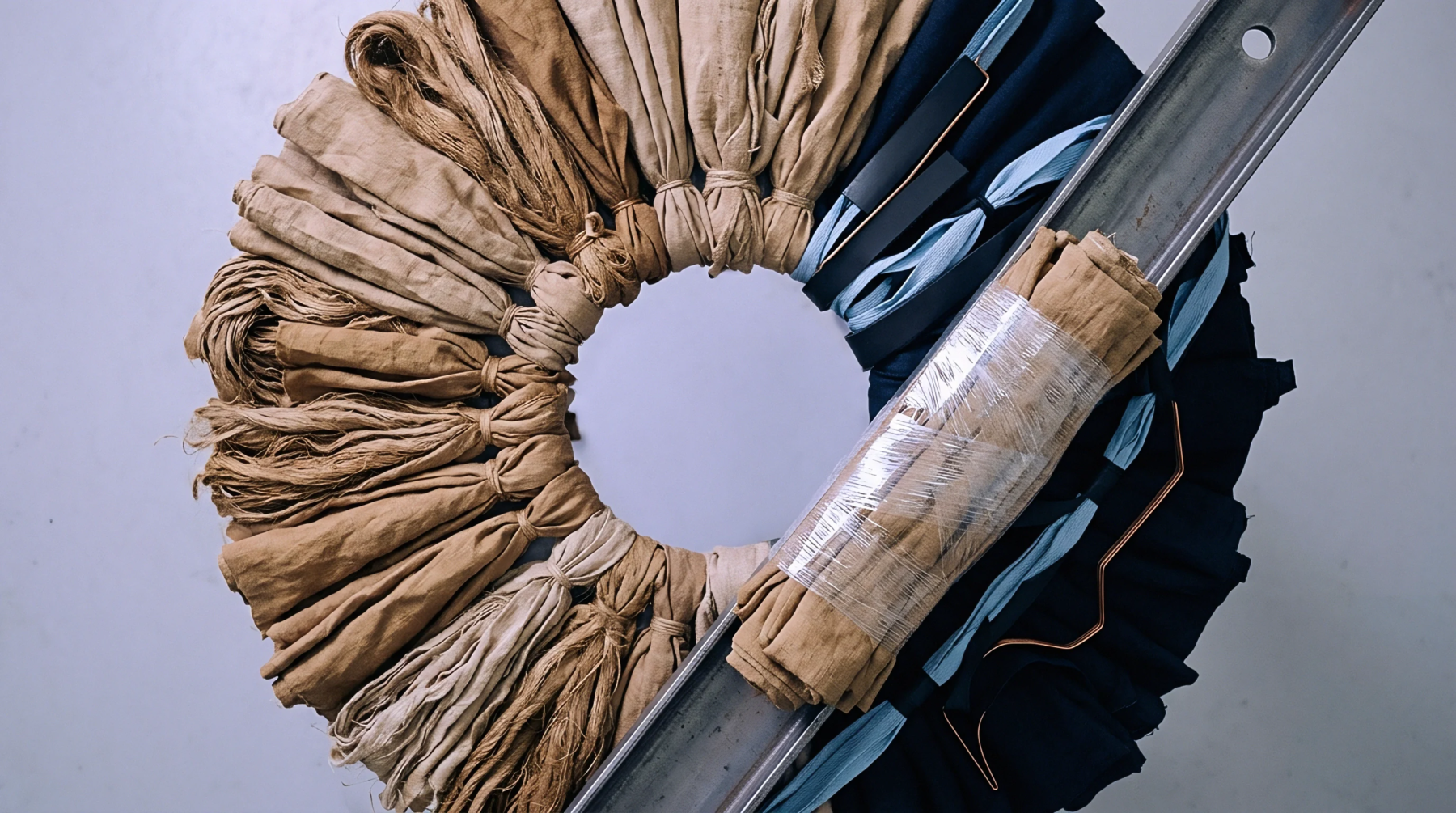
Active roller clearance control stabilizes bast fiber extraction rates, preventing shive retention and preserving mass balance integrity for origin audits.

Scutching confers origin under non-preferential customs rules when straw transforms to fibre, provided mechanical shear stays below structural damage thresholds.
Inter-laboratory solubilization variance in automated blend analysis is resolved by applying empirical method-specific multipliers to raw extraction data.
Expertise is a utility, not a secret. sentiention™ publishes its working knowledge as open reference: intelligence layer covering the materials it sources, the markets it enters, and the reference that serves both.