Impact of Cellulose Microfibril Angle Dispersion on Hackling Yield
Cellulose microfibril angle dispersion drives transverse cell wall cleavage under pin shear, reducing dressed long line flax yield by up to 16 percentage points.
Cellulose microfibril angle dispersion drives transverse cell wall cleavage under pin shear, reducing dressed long line flax yield by up to 16 percentage points.

High-speed mechanical scutching and hackling induce cell wall dislocations in flax bast fibers, directly degrading yarn tenacity and fine-count spinning yield.

Accurate measurement of flax fiber length distribution requires converting between numerical count and mass-weighted metrics to control drafting waves.

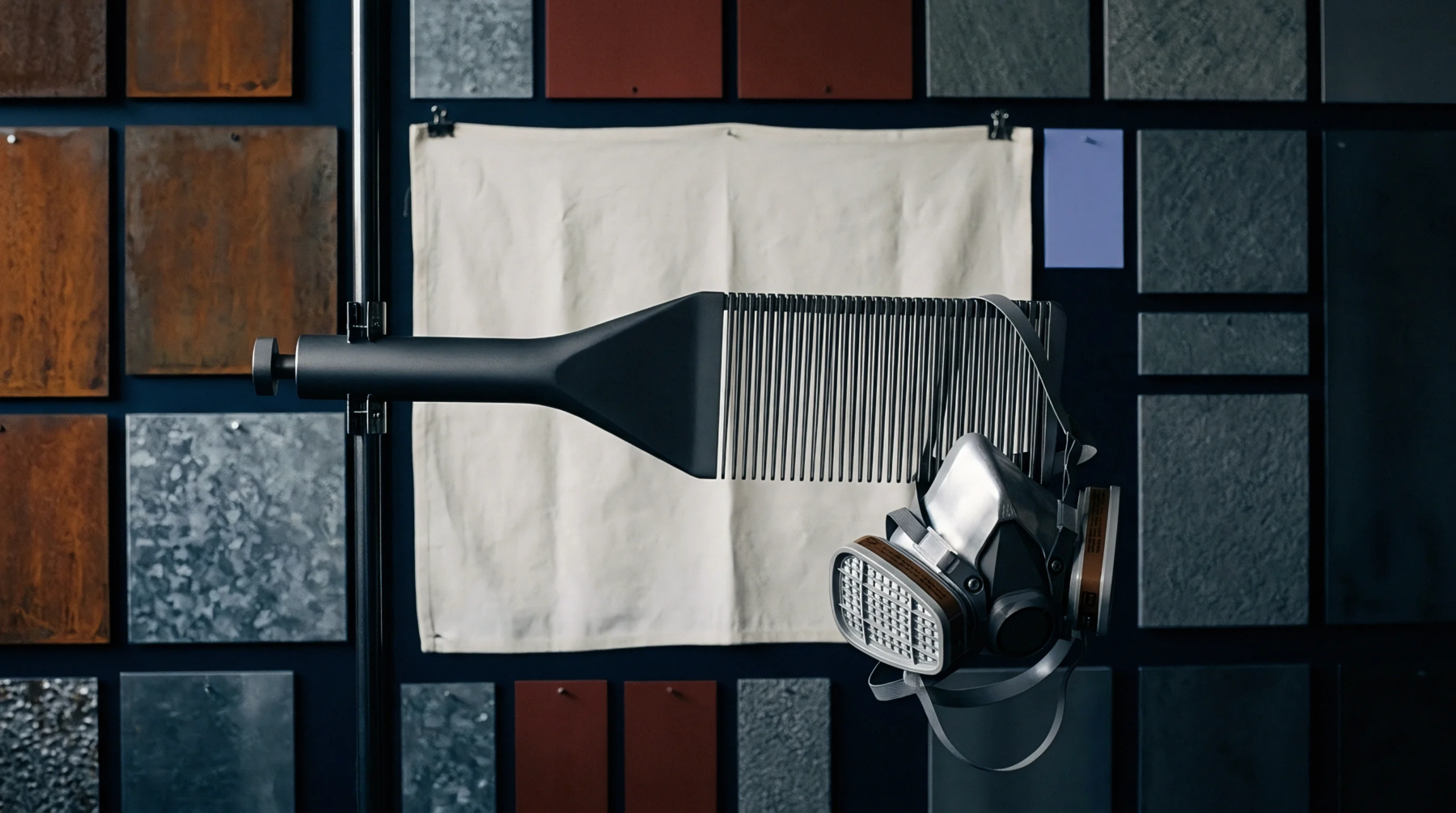
Evaluating scutched flax length distributions using comb arrays identifies short fiber fractions and predicts hackling line yield before spinning.
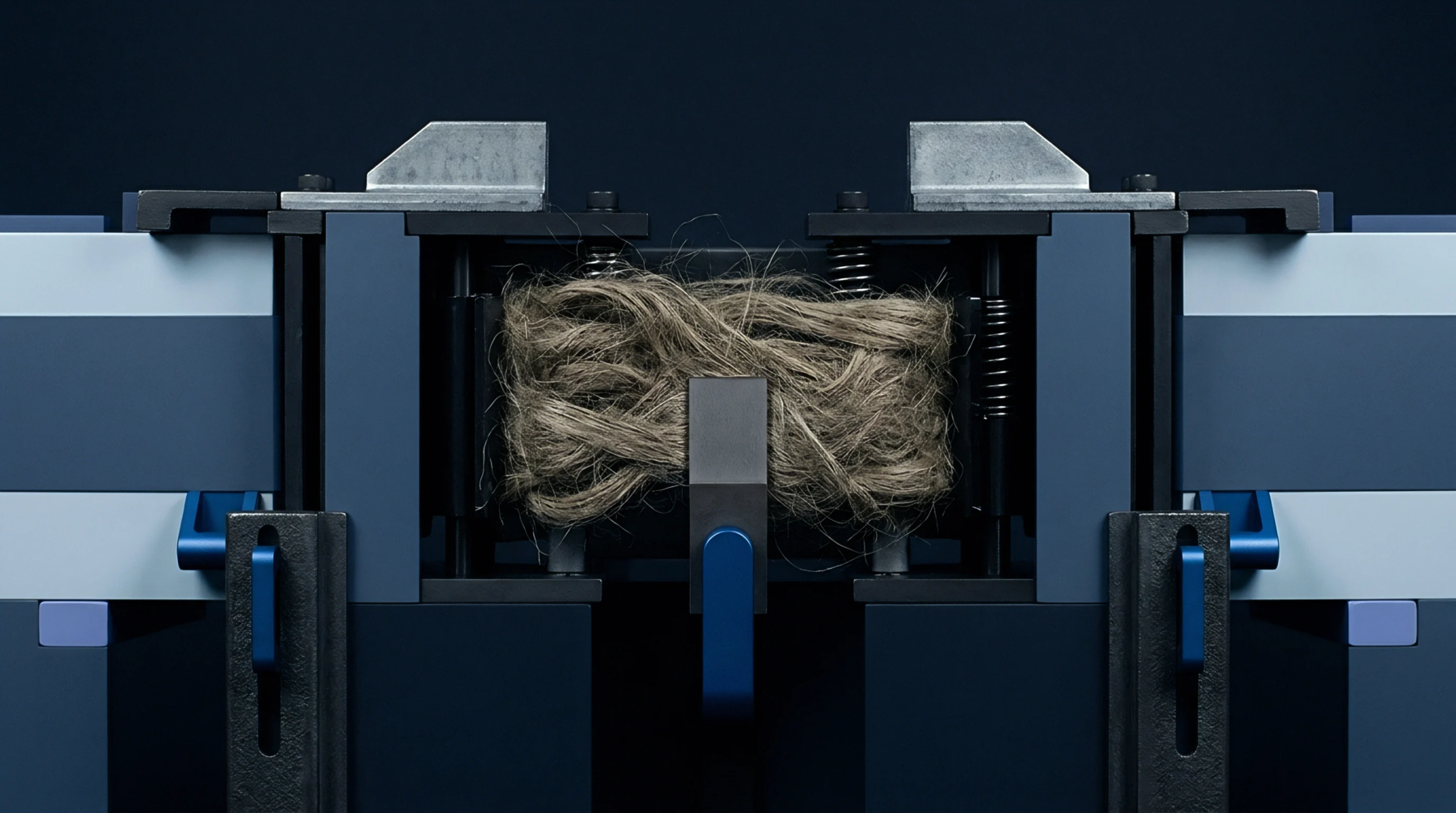
Detect short-staple flax blends in combed line sliver using comb sorter mass arrays and ISO 2370 air permeability tests to stop drafting breaks.
Expertise is a utility, not a secret. sentiention™ publishes its working knowledge as open reference: intelligence layer covering the materials it sources, the markets it enters, and the reference that serves both.