Tensile Resistance
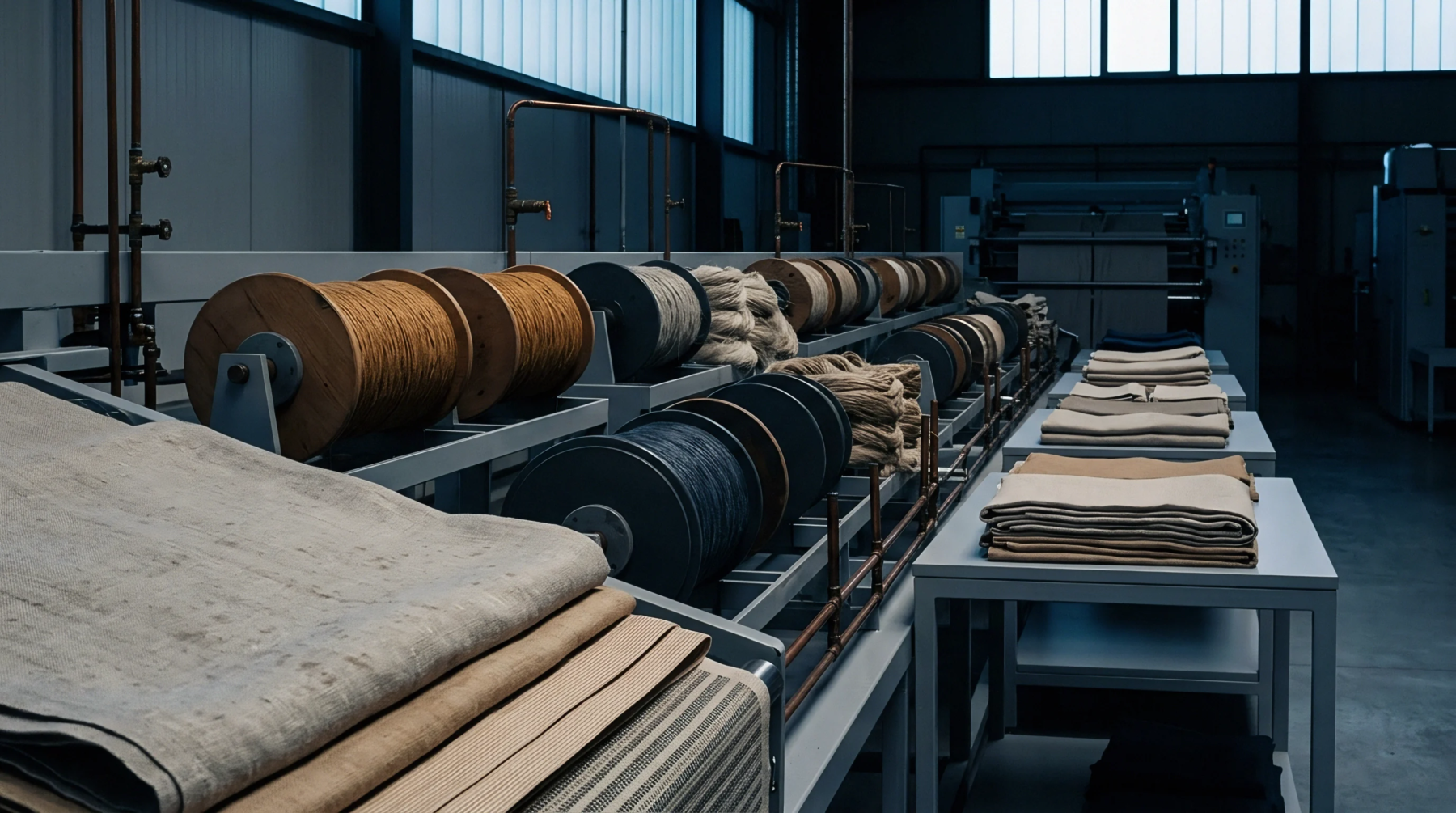
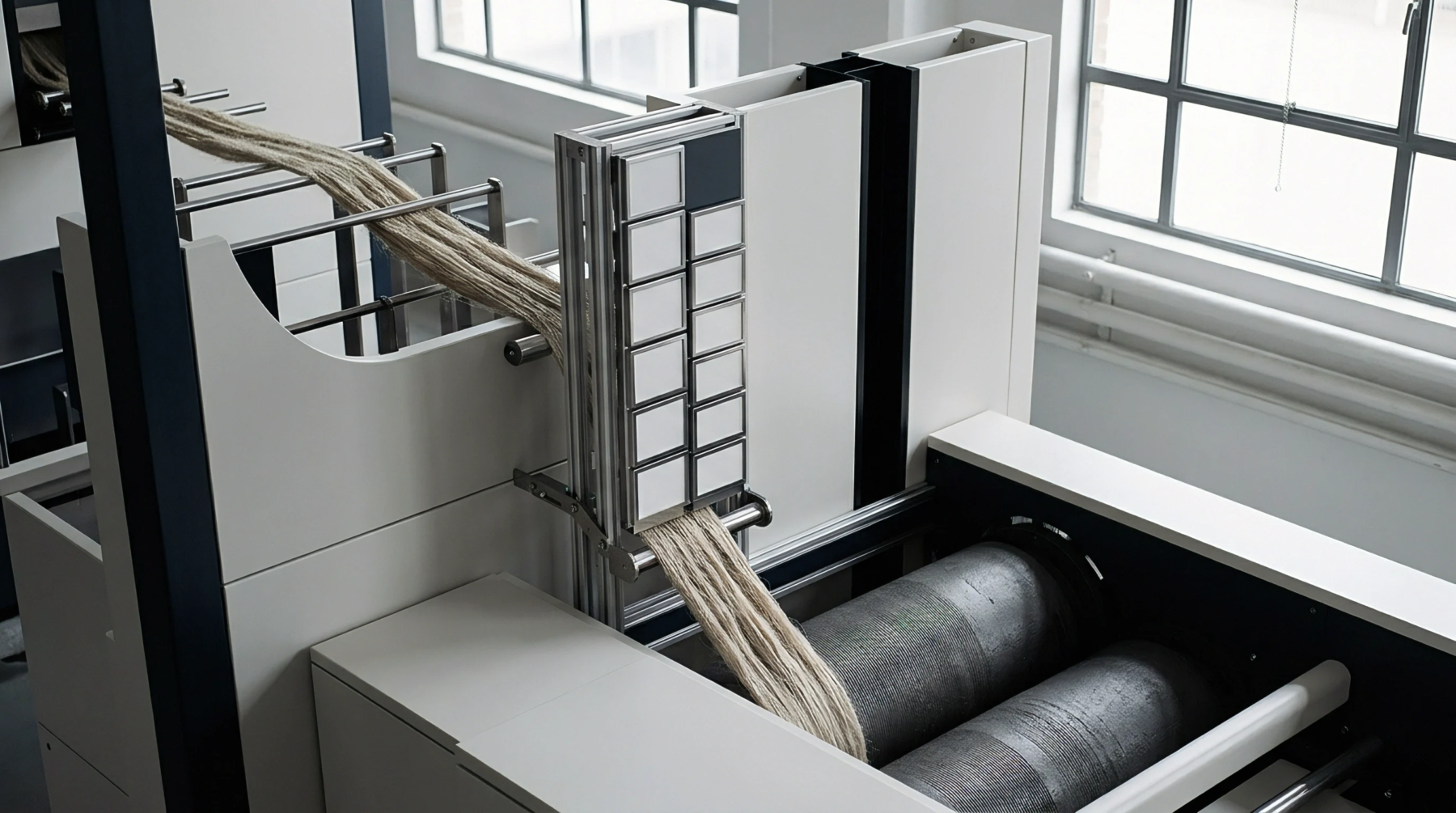
Mechanical load limits dictate how flax strands perform under heavy stress during industrial processing. Spinning mills rely upon yarn tenacity to determine the breaking point of continuous plant cellulose before commercial winding begins. Raw flax fibre possesses natural variance that requires strict testing inside the quality control laboratory prior to production runs.
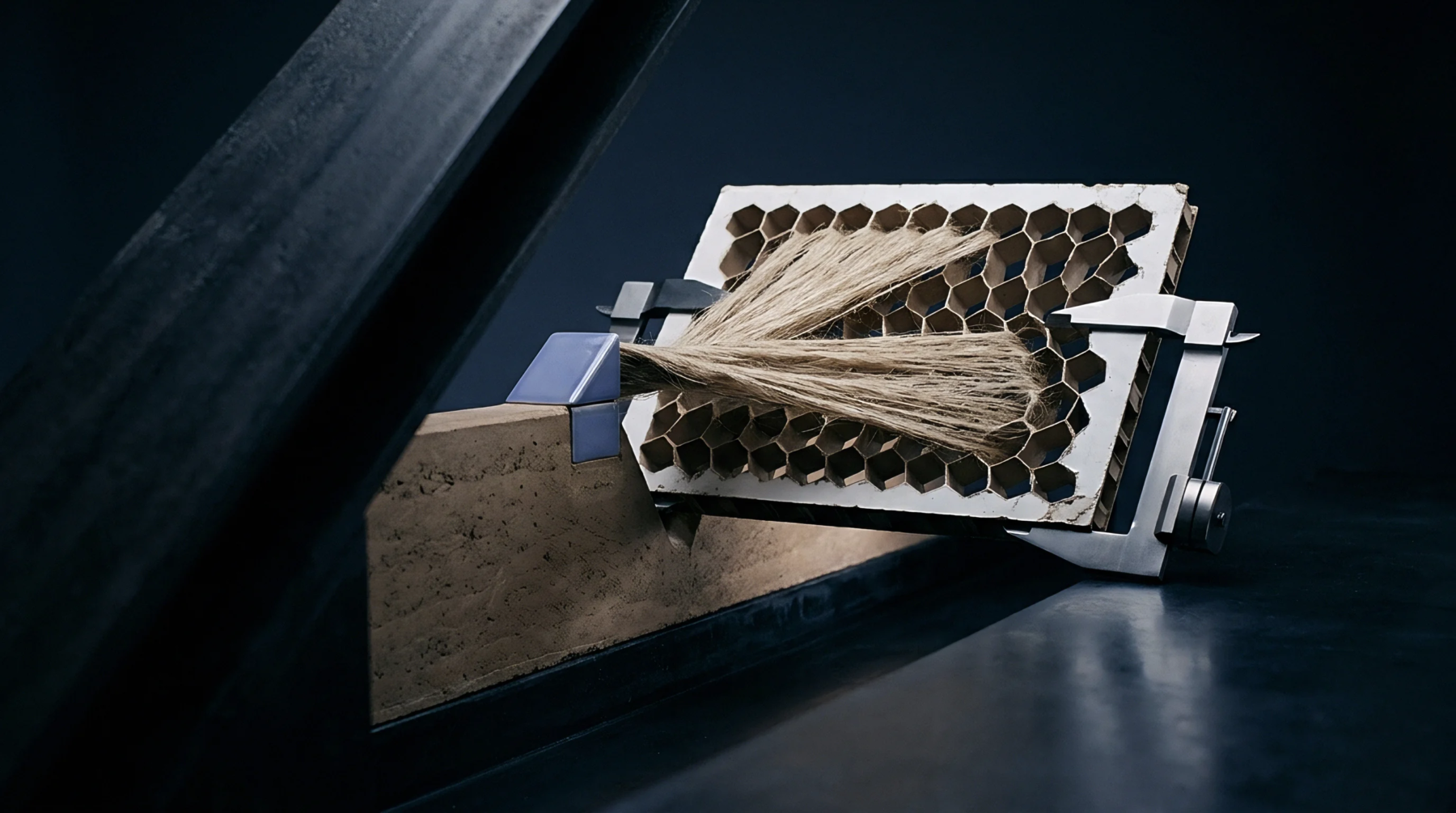
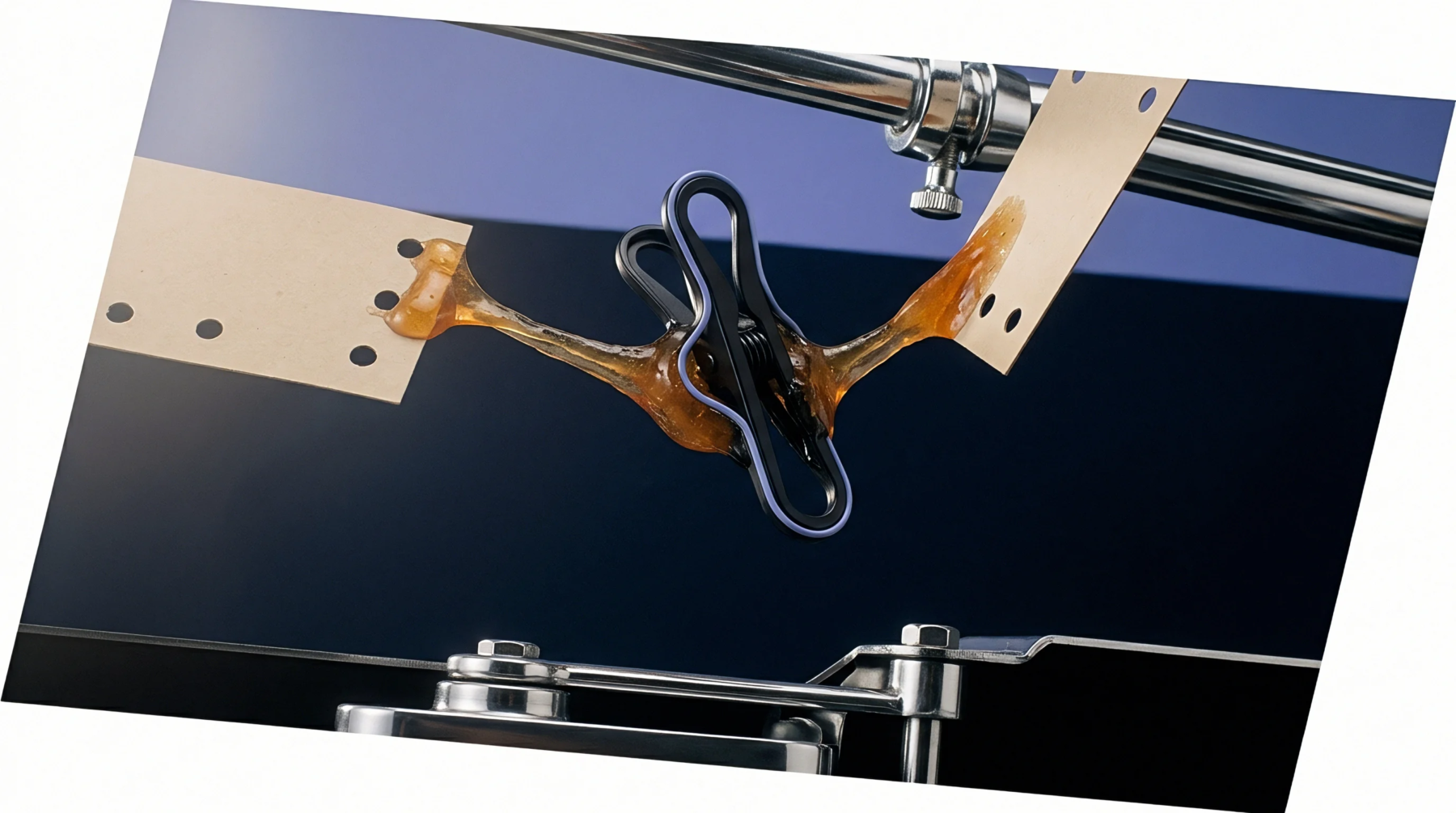
Technicians clamp single strands between jaws on a constant rate of extension machine to record maximum force before rupture. This mechanical metric establishes the ultimate breaking load divided by linear density, yielding a specific measurement expressed in grams per tex. Export certificates record these exact ratings so overseas weavers can match material strength against loom tension requirements.
Fabric grade parameters diverge sharply from basic fibre specifications because twisting alters the final geometry and internal friction of the product. Mills maintain internal standards that often exceed baseline buyer acceptance criteria to protect machinery from costly stopparga during high speed operations.
Stress Threshold
Breakage frequency drops significantly when operators understand how environmental humidity influences cellulose molecular alignment. Natural moisture content inside flax strands acts as a plasticizer, altering the force required to snap the material on the production floor. Testing chambers therefore maintain strict atmospheric controls during evaluation to ensure repeatable outcomes across different shifts.
Plant maturity during the initial harvest stage determines the baseline cellulose crystallinity that governs ultimate breaking limits. Wet spinning preparation softens pectin binders holding elementary fibrils together, allowing better internal load sharing before catastrophic failure occurs. Dry spinning produces higher rigidity through alternative drafting methods, resulting in distinct strength profiles recorded on mill documentation sheets.
Commercial Valuation
Export documentation relies upon measured breaking limits to establish contractual pricing tiers between agricultural suppliers and industrial buyers. Trading desks apply these laboratory figures to sort commercial parcels into designated categories for high performance textiles or standard apparel goods. Lower ratings restrict material utility to coarse interior furnishings where mechanical stress remains minimal throughout the operational lifecycle.
Purchasing agents reject lots falling below agreed contractual minimums because weak strands cause excessive downtime on automated looms. Contractual compliance depends upon rigorous sampling protocols executed by certified testing houses located near major shipping ports. Accurate strength profiling prevents commercial disputes by aligning mill expectations with the physical reality of processed plant cellulose.