
Designing Harness Tie Configurations for Symmetrical Damask Fabric Constructions
Symmetrical damask ties halve jacquard hook requirements by mirroring motifs across a central axis, demanding strict binding offsets to prevent double floats.

Symmetrical damask ties halve jacquard hook requirements by mirroring motifs across a central axis, demanding strict binding offsets to prevent double floats.

Optical sliver grading quantifies shive area and nep density via line-scan arrays to predict wet-spinning end breaks and enforce raw fibre pricing adjustments.

European scope certificates require local notarization and Hague Apostille authentication to survive evidentiary admissibility challenges in CIETAC arbitrations.

Optimal pectin degradation (1.8-2.4%) balances middle lamella splitting and cell integrity, maximising hackling line yield and wet-spun yarn tenacity.
Repeat width equals active pattern hooks divided by warp sett, requiring precise deductions for selvedges, tie repeats, and casting out before booking loom time.

Verify commercial mass by oven-dry testing under ISO 6741-1 to eliminate excess water billing in commercial linen yarn and greige fabric contracts.

A precise mass balance reconciles dry flax count, warp sizing solids, loom shedding fly, and rapier cutoffs against the official twelve percent moisture regain.

Enforcing linen provenance guarantees under PRC contract law requires explicit quality warranties in sales contracts, verified customs entries, and CIETAC arbitration.

Optimizing wet trough temperature and pH solubilizes calcium pectate to lower drafting force, extend spinnable count, and cut ends down in dew-retted flax.
Wet spinning Heilongjiang line flax demands 65°C trough baths, 42 mm reach settings, and draft ratios under 16 to secure high-tenacity Nm 36 to 60 yarn.

Warp crimp and weft contraction in linen derive from flax flexural rigidity, requiring ISO 7211-3 pretension testing to set exact reed width and beam lengths.

Mass balance ledger loss allowances require physical yield reconciliation at each processing tier to prevent certificate inflation and unearned origin credits.

Microcracking lowers hackled flax Weibull modulus, expanding tenacity dispersion and multiplying wet-spinning ring breaks despite normal mean bundle strength.

Optical length profiling converts light obscuration along clamped flax beards into precise span length metrics that dictate drawing roller settings and spinnable Nm.
Flax technical bundle fineness dictates maximum spinnable yarn count while 3.2 millimetre gauge tenacity governs wet-spinning end breaks and hackling yield economics.

Transaction certificate reconciliation requires matching certified input mass to finished fabric area using yarn count, construction density, and moisture regain.

Scope certificates verify mill capability while transaction certificates prove physical batch origin across every stage of linen transformation.

Aero-thermal desiccation at wide reed edges spikes flax end tension, demanding trimmed nozzle timing and differential whip roll settings to prevent brittle breaks.

Customs substantial transformation requires physical batch lineage at the processing site, overriding voluntary mass balance credit accounting.

Reconciling wet spun linen transaction certificates relies on matching fiber intake scope certificates against spindle yield logs, bath waste records, and yarn sales dockets.
Scutching impact speed and low fiber moisture drive microfibrillar dislocations in flax secondary cell walls, lowering tenacity and hackling yield.

X-ray diffraction measures bast fibre microfibril angles via azimuthal peak distribution, setting hard physical limits on yarn tenacity and spinnable count.
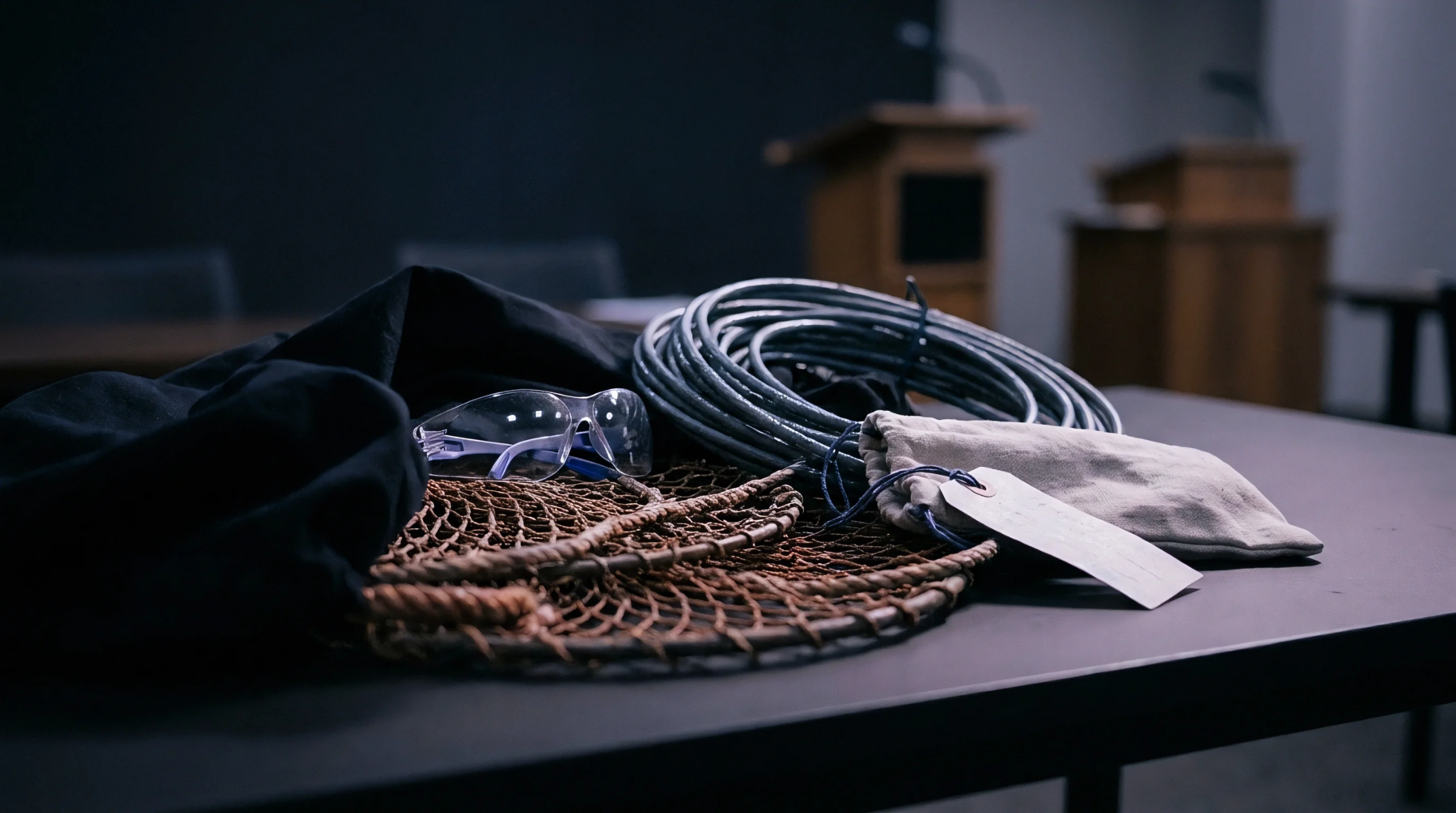
Scope certificate verification requires matching facility address scopes with batch-level transaction certificates and mass-balance yield audits.

Steep S2 microfibrillar angles below ten degrees direct tensile loads along cellulose chains, raising elementary fibre tenacity above sixty centinewtons per tex.
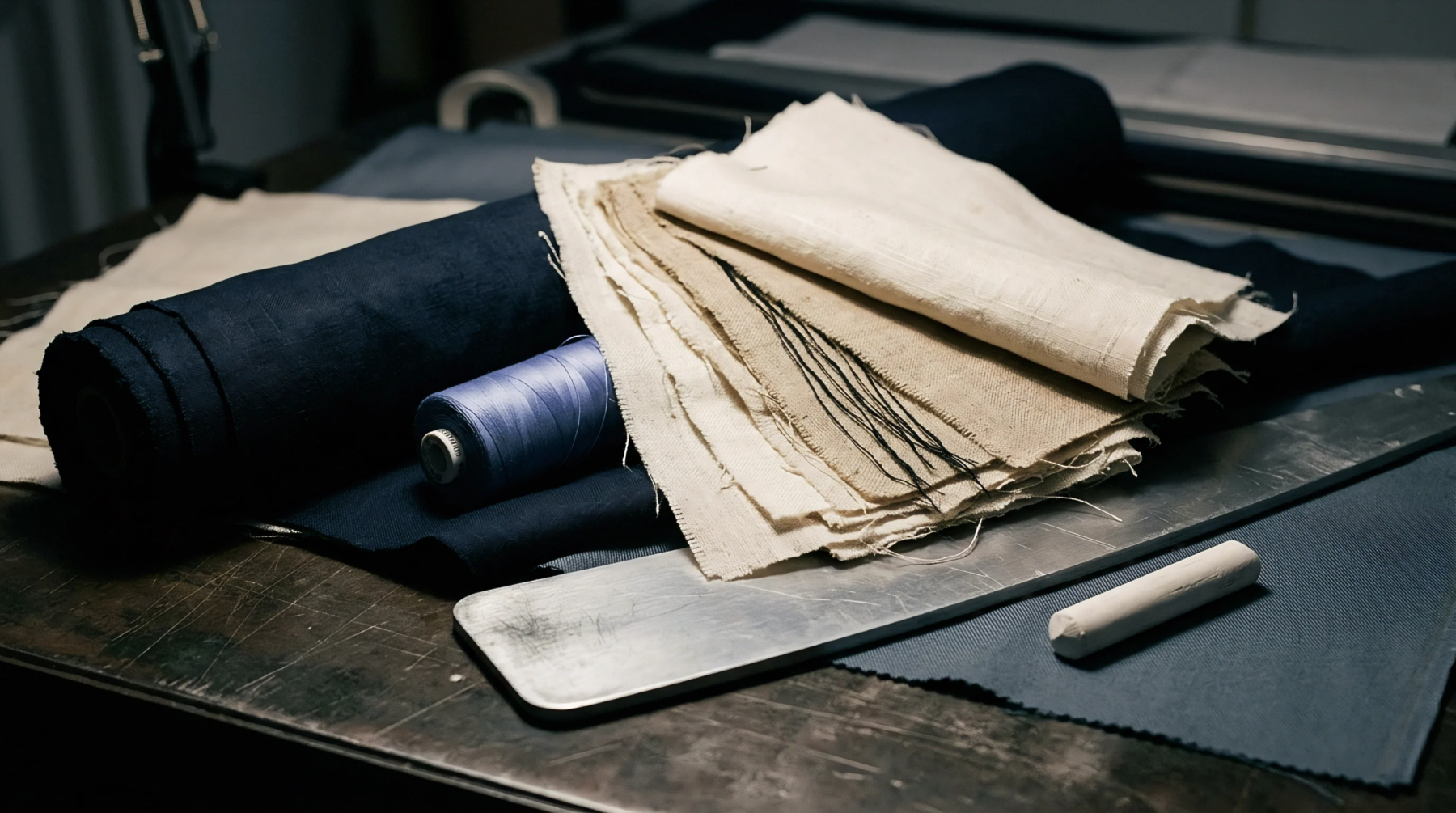
Balancing edge crimp on wide linen warps relies on matched temple pin inclination, selvedge denting gradients, and high ambient shed humidity.

Dynamic isotherm hysteresis modeling reconciles bast fibre transit mass shifts to prevent origin ledger discrepancies and customs duty reclassifications.

Heating wet drafting bath fluid to 68°C balances pectin relaxation with hydrodynamic drag, stabilizing Nm 80 flax drafting tension below 0.12 N.
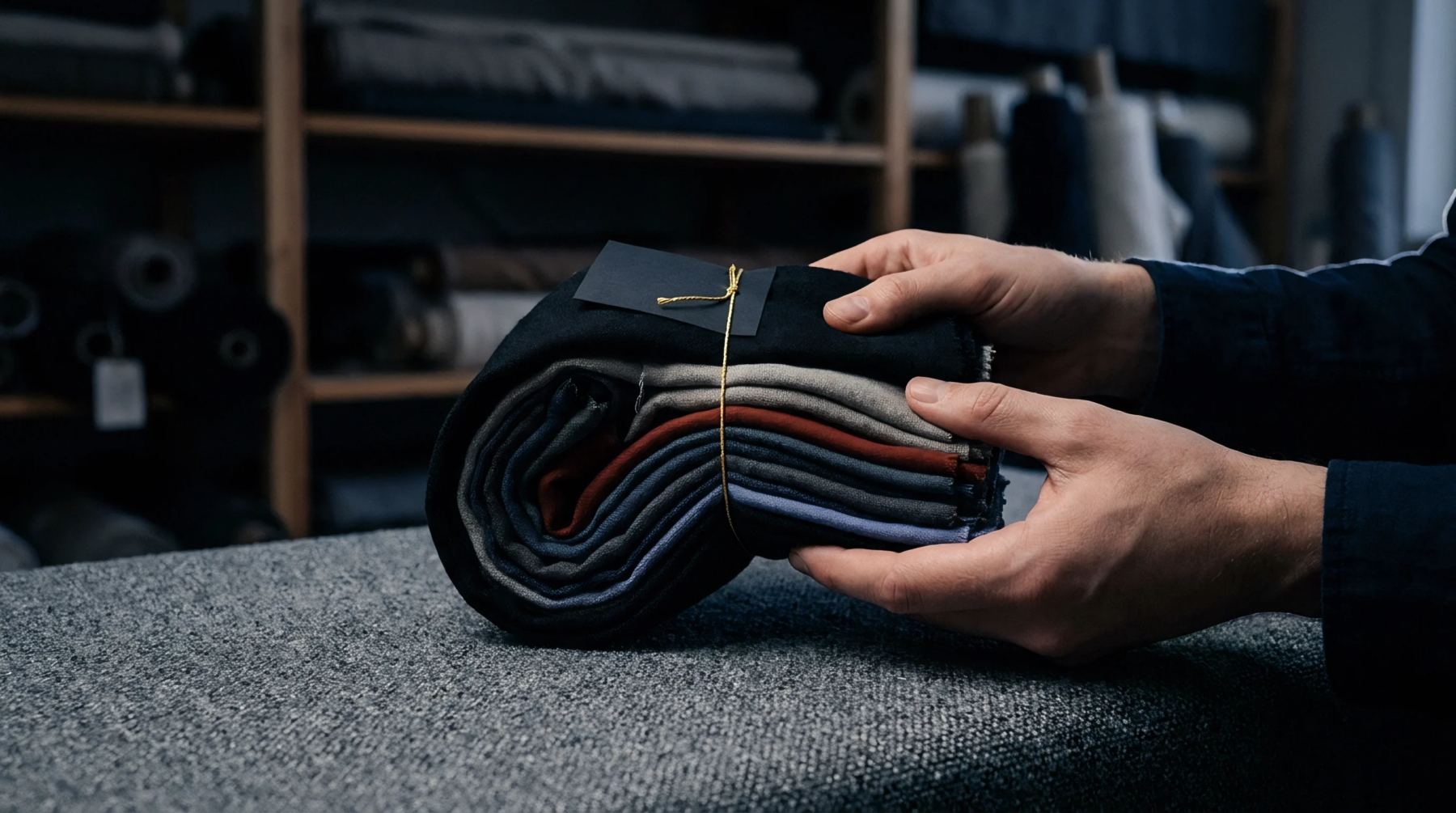
Maintain wet spinning bath at 62-66°C with 2.5 g/L pyrophosphate chelator to cleave middle lamella pectins, cut ends down, and maximize yarn tenacity.
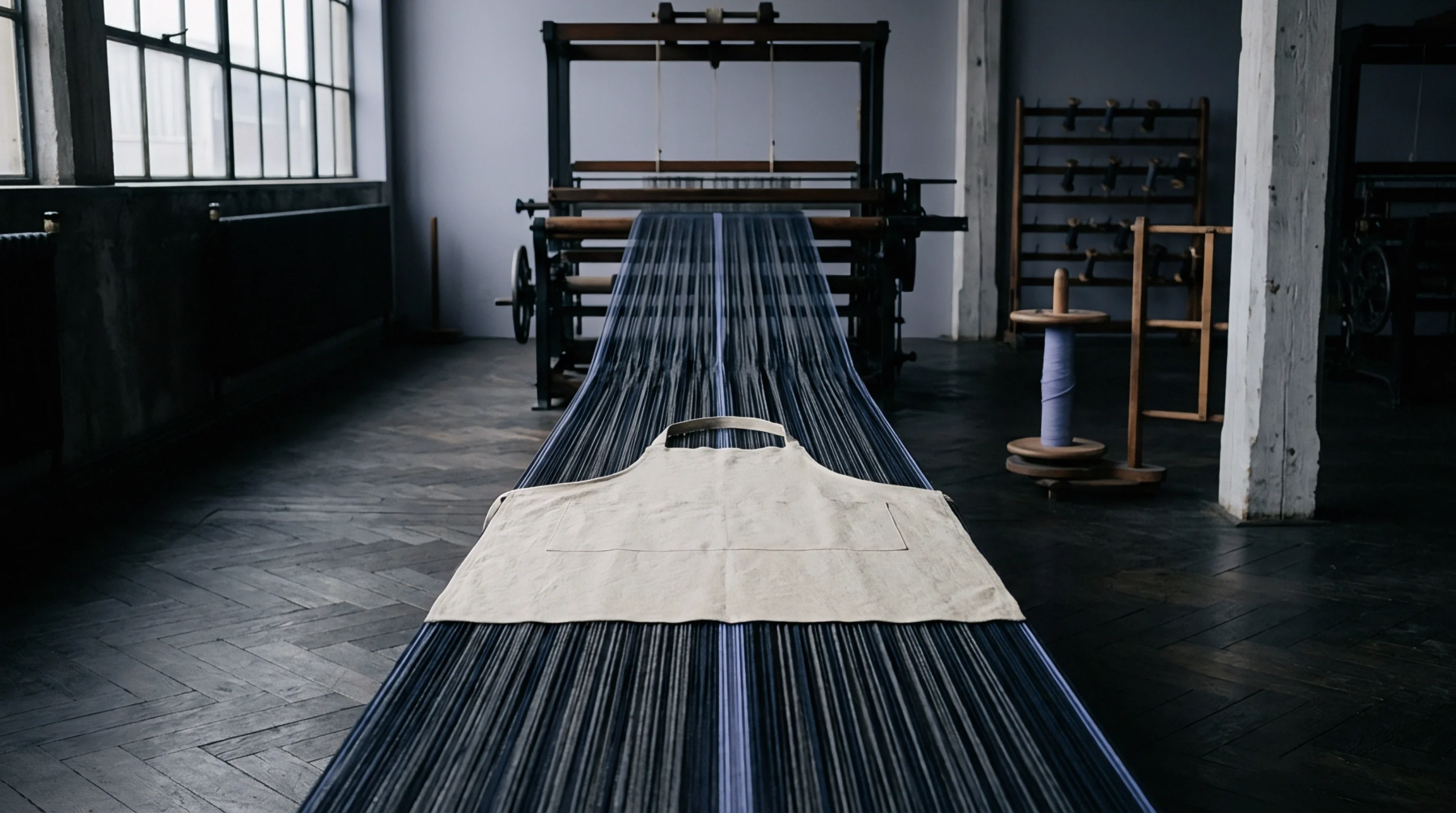
Active whip roll damping combined with lower shed crossover prevents bast yarn rupture while maintaining insertion speed on air-jet looms.
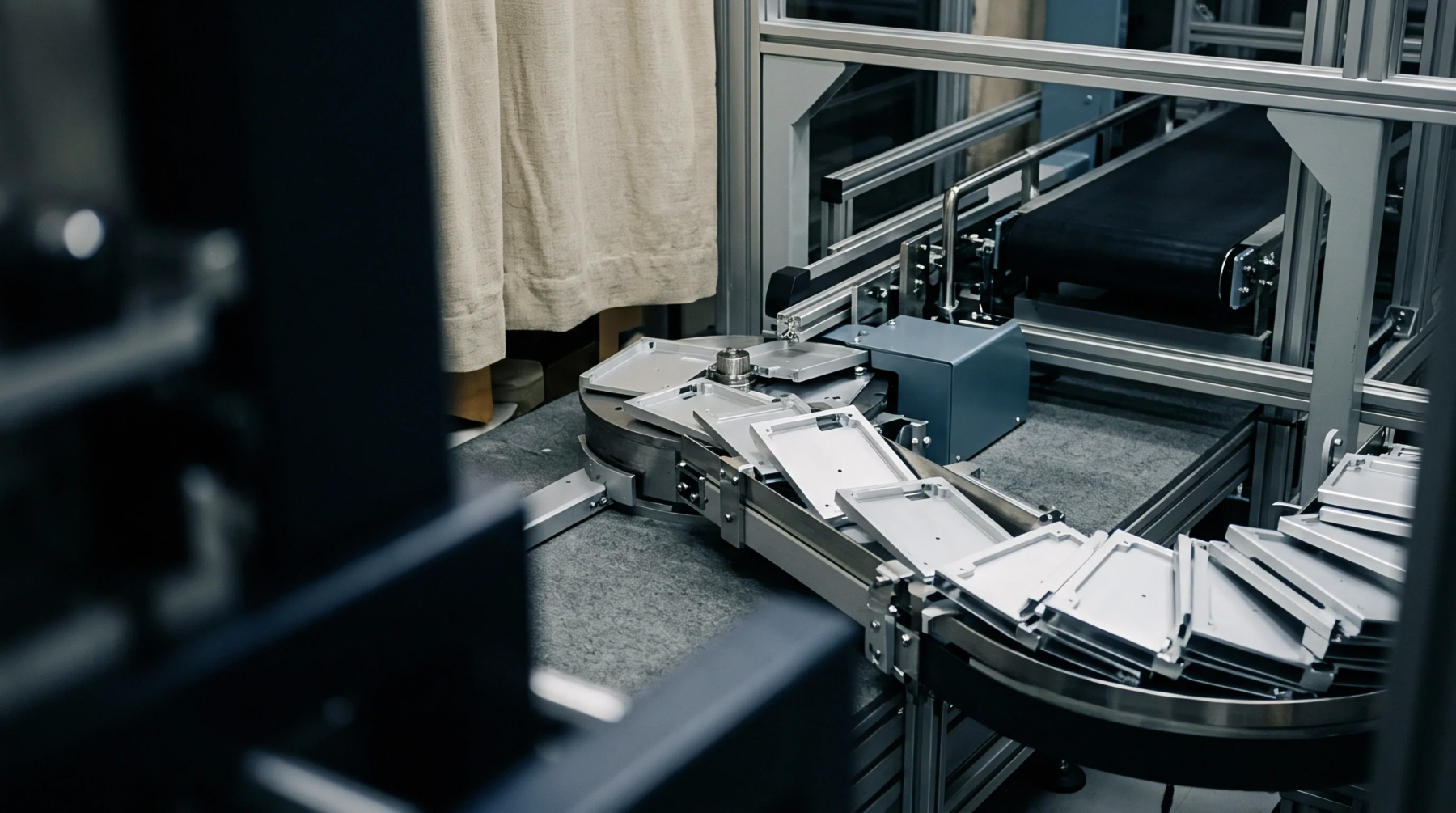
Rebalance linen crimp by lowering the backrest 25mm, delaying shed crossing to 325 degrees, and running segmented temples to suppress structural deformation.
Expertise is a utility, not a secret. sentiention™ publishes its working knowledge as open reference: intelligence layer covering the materials it sources, the markets it enters, and the reference that serves both.