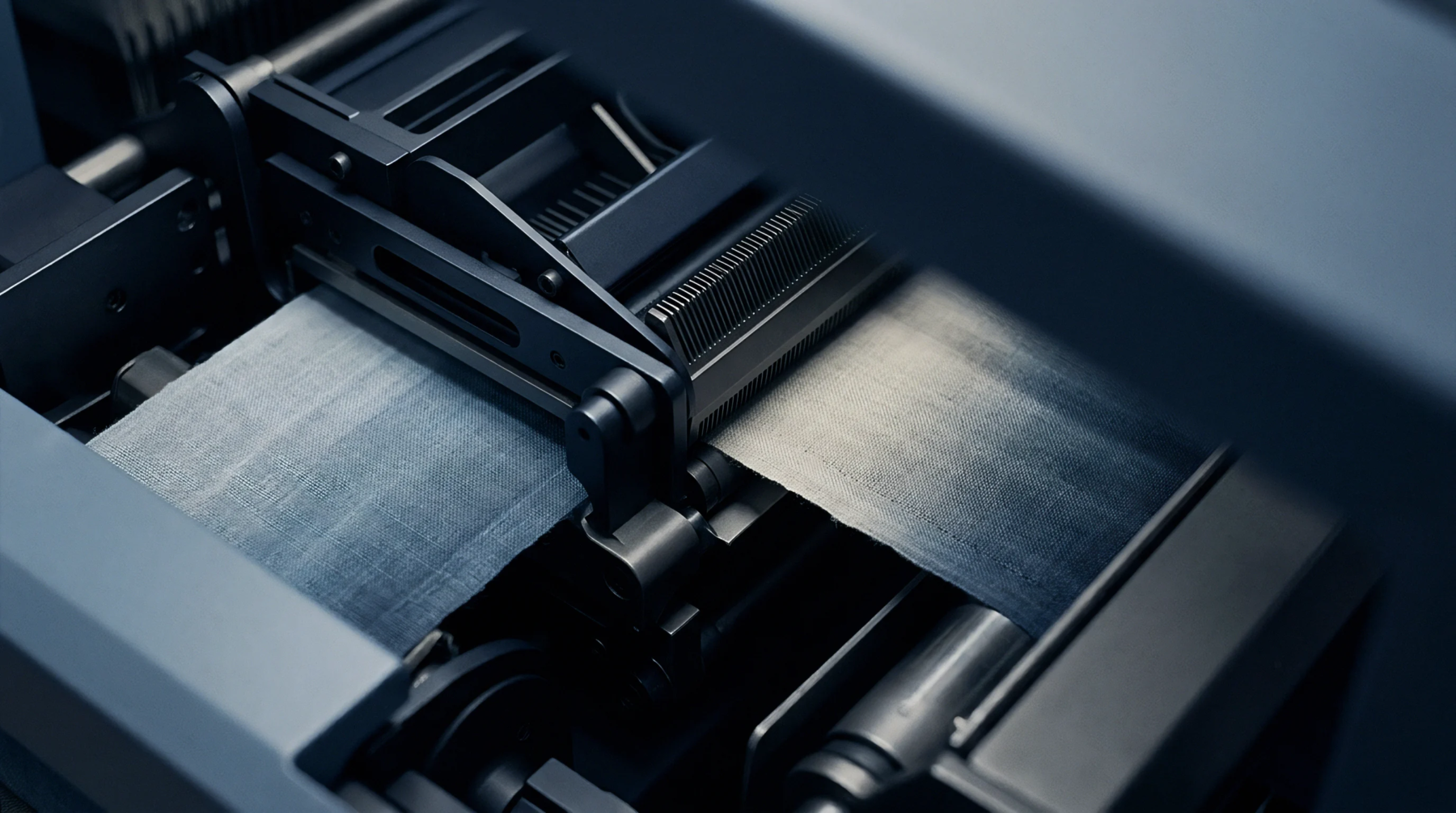
Warp Sizing and Tension Optimization for Rapier Loom Conversion
Optimizing size film elasticity and asymmetric shed geometry on rapier loom conversions cuts warp stops below 0.5 per hour and lowers total metre cost.

Optimizing size film elasticity and asymmetric shed geometry on rapier loom conversions cuts warp stops below 0.5 per hour and lowers total metre cost.

Translating handloom weave structures to rapier looms requires increasing yarn twist, sizing cohesion, and thread spacing to survive peak insertion stress.

Reconciling bast fibre customs entry deficits requires ISO 6741 gravimetric dry mass verification to prove hysteresis moisture loss over missing net fibre.

Discrepancies resolve by synchronizing encoder positions, normalizing tension relaxation shrinkage, and weighting telemetry clusters against ASTM D5430 point bands.
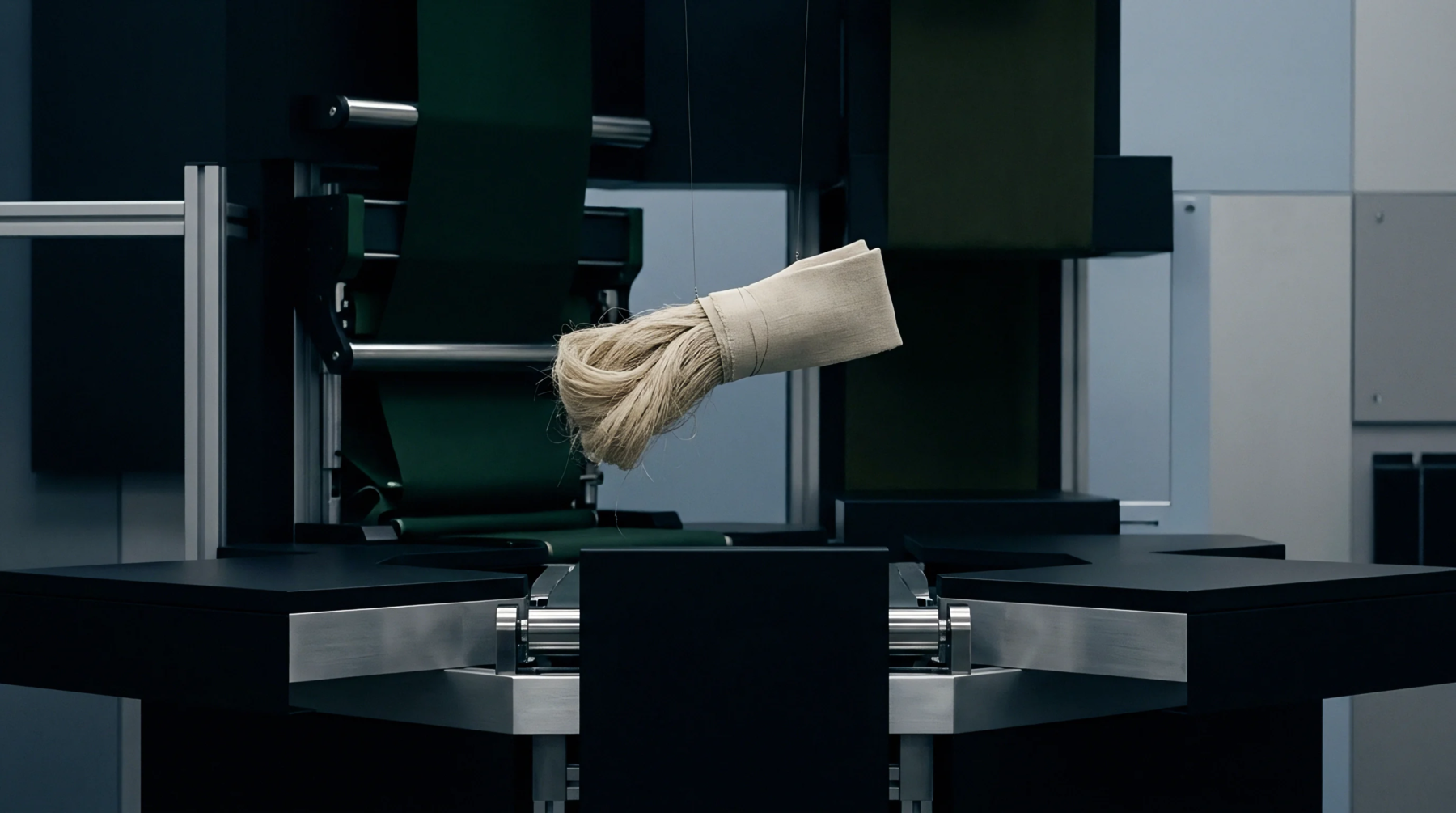
Sorption hysteresis alters landed fibre mass; import ledgers require ISO 6741-1 core dry-mass calculations to adjust raw invoice weights accurately.

Calibrating optical sensor demerits against loom stop telemetry eliminates false slub penalties by verifying mechanical fault codes against visual defects.
Automated fabric point calculations depend on spatial quantization accuracy, defect clustering logic, and width-normalized scoring to mirror ASTM D5430 standards.
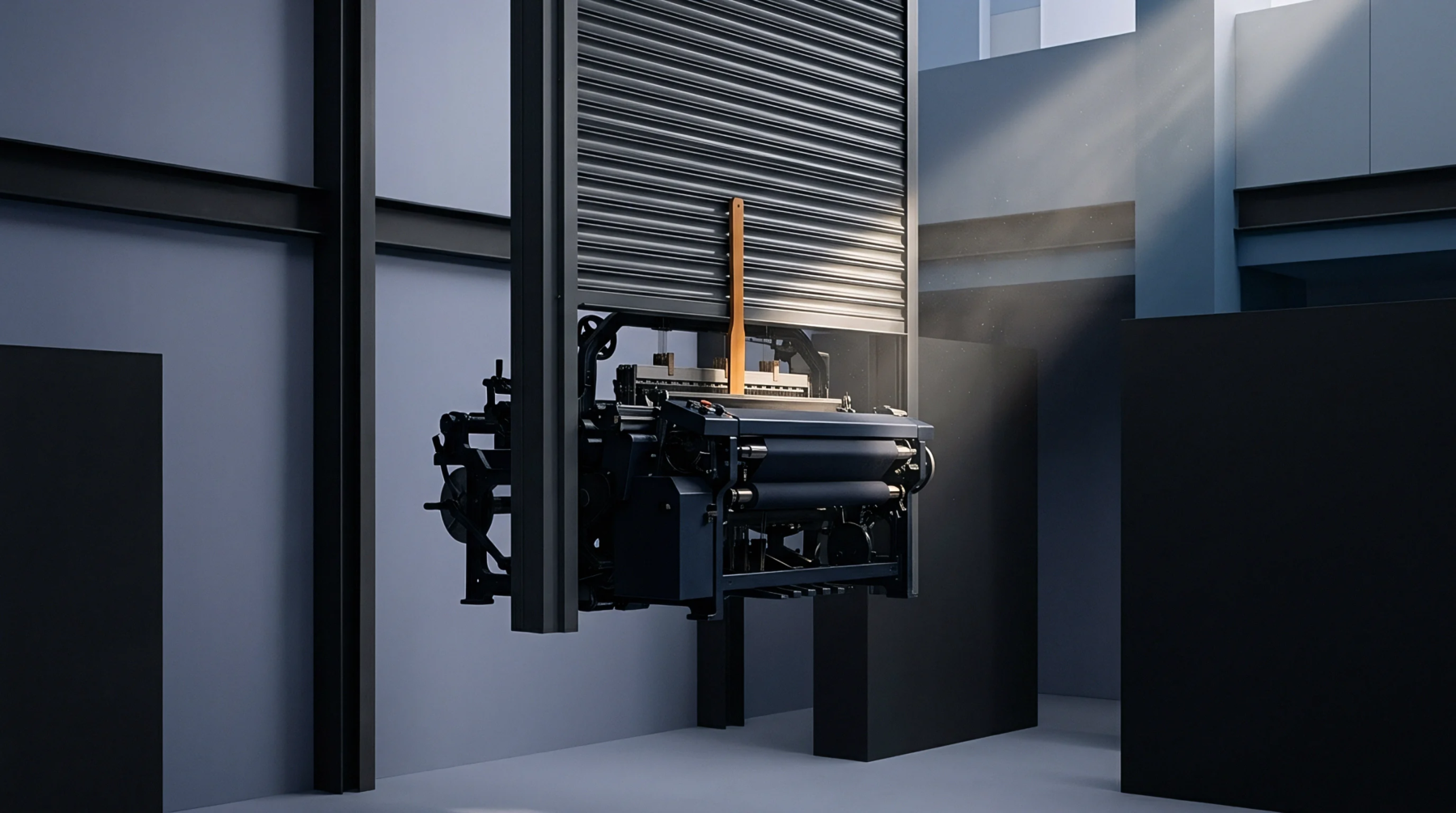
Asymmetric shed geometry causes unequal warp sheet strain during beat-up, spiking dynamic tension and triggering end breaks at high speeds.
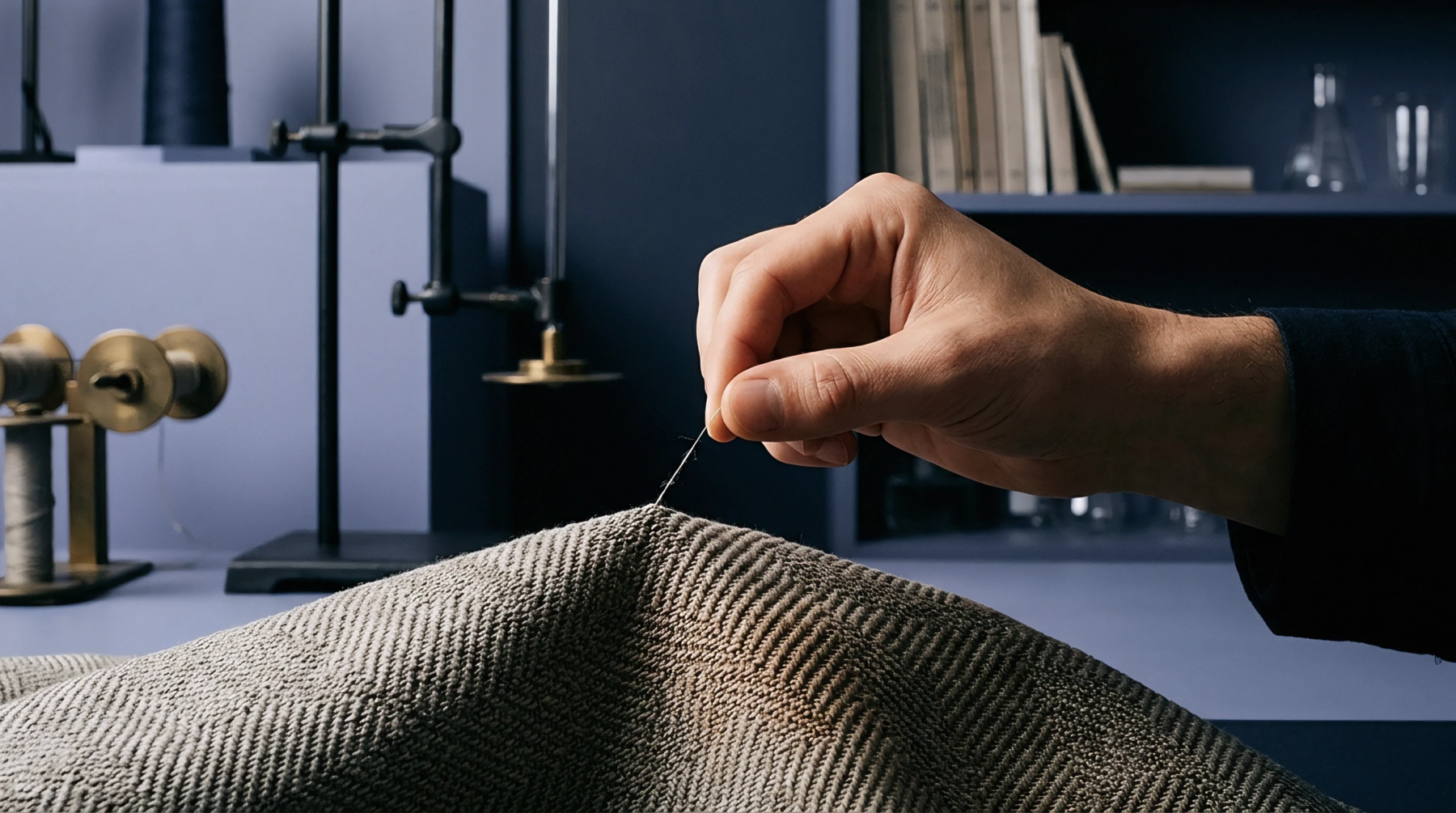
Optimal retting reduces residual pectin below 1.8 percent, allowing ultimate fiber separation to 3 tex and maximizing high-count line yarn yield.

Field weighment variances in cross border flax resolve by calculating true commercial dry mass from certified gravimetric core tests under ISO 6741 rules.
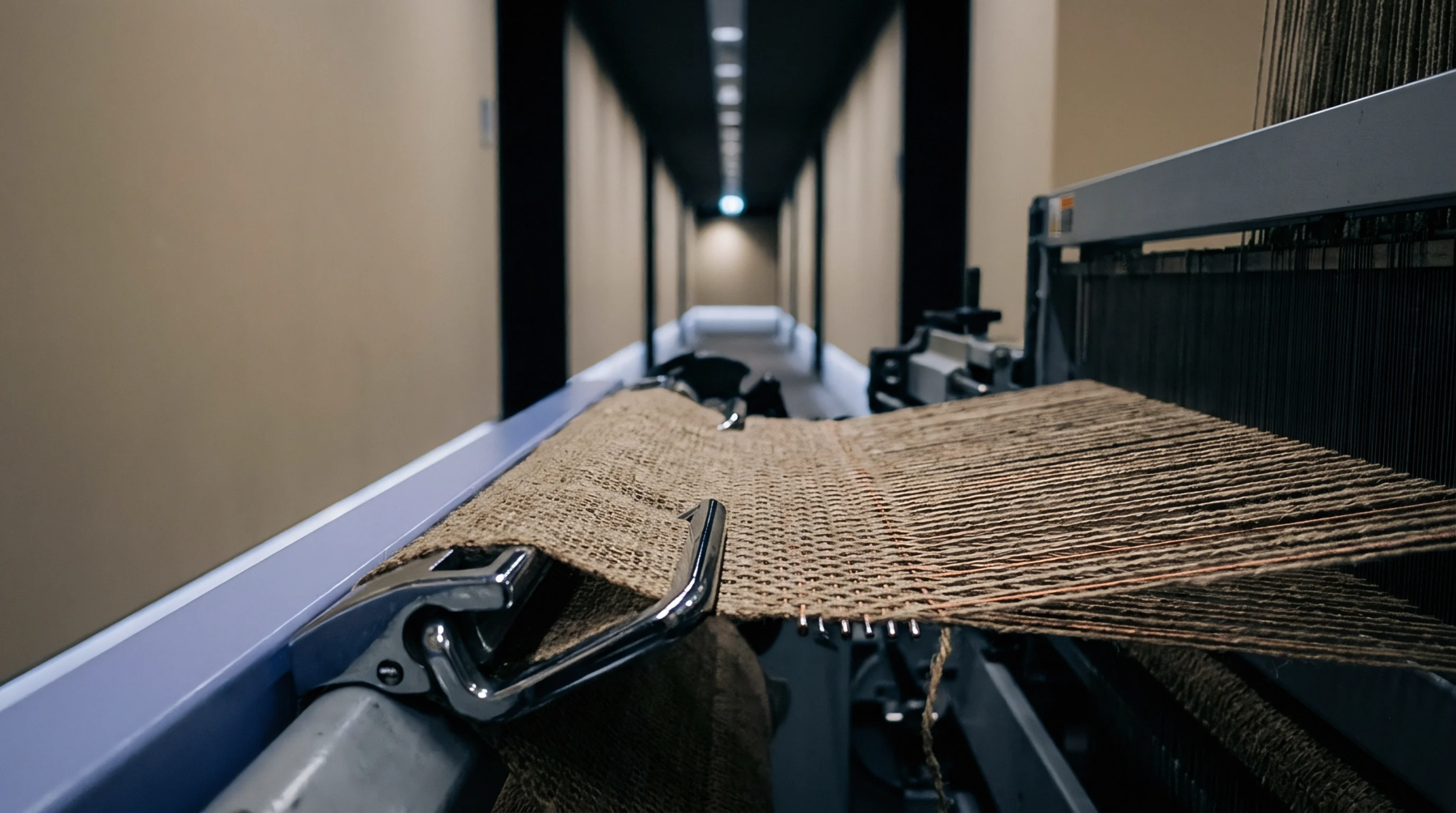
Asymmetric shed geometry and early crossover timing reduce flax peak tension, preventing end breakage on high-density linen warps without sacrificing speed.

Flax transport reconciliation converts field scale weights to twelve percent commercial regain before scutchers log certified mass balance ledgers.

Auditing scutching intake tickets requires verifying axle scale calibration, applying standardized moisture and dockage deductions, and reconciling net straw mass.

Reconcile transoceanic linen weight discrepancies by deducting ambient sorption hysteresis mass using ISO 6741 dry mass tests and commercial debit terms.

Calculating maximum warp end density requires adjusting Peirce geometric jamming models for yarn compaction, reed clearance, and shed beat-up force limits.

Core sampling and forced-air oven drying at 105°C establish true dry flax mass for calculating official 12% commercial regain invoice settlements.

Standard moisture regain baseline calculations convert gross delivered flax mass to 12% commercial invoice mass via certified laboratory oven dry testing.

Thermogravimetric analysis separates moisture from volatile extractives to enable exact hysteresis-corrected commercial weight settlements for bast blends.

Verifying mass balance continuity in multi-country flax spinning requires adjusting gross bale weights to standard oven-dry regain and auditing yield losses at each frame.

Calculating standard moisture regain corrections for hackled flax corrects raw mass readings to 12% standard regain, securing true tex and metric count.

Predicting off-loom longitudinal warp contraction in high-density flax jacquards requires combining geometrical crimp, flexural stiffness, and hygroscopic relaxation factors.

Reconciling European Flax Transaction Certificates requires adjusting physical dock scale weights to standard commercial regain before matching net mass to certifier records.
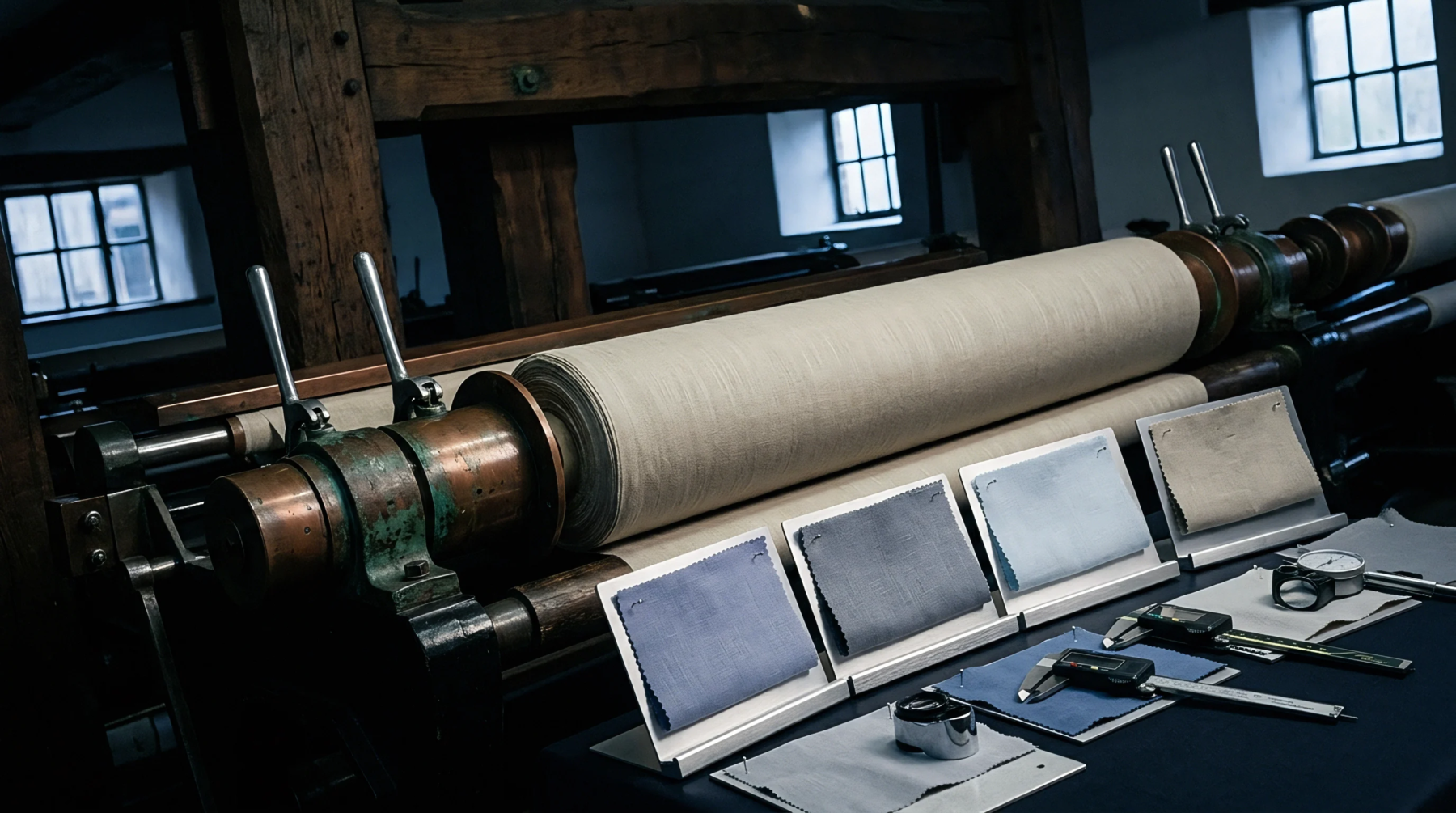
Verify dry mass through oven desiccation at 105C and apply a 12% moisture regain formula to protect mill yield and block transit water charges.

Calibrating wet spinning trough temperature and pH prevents pectin-induced draft rupture, lowering fine yarn end breaks and securing target tenor tenacity.
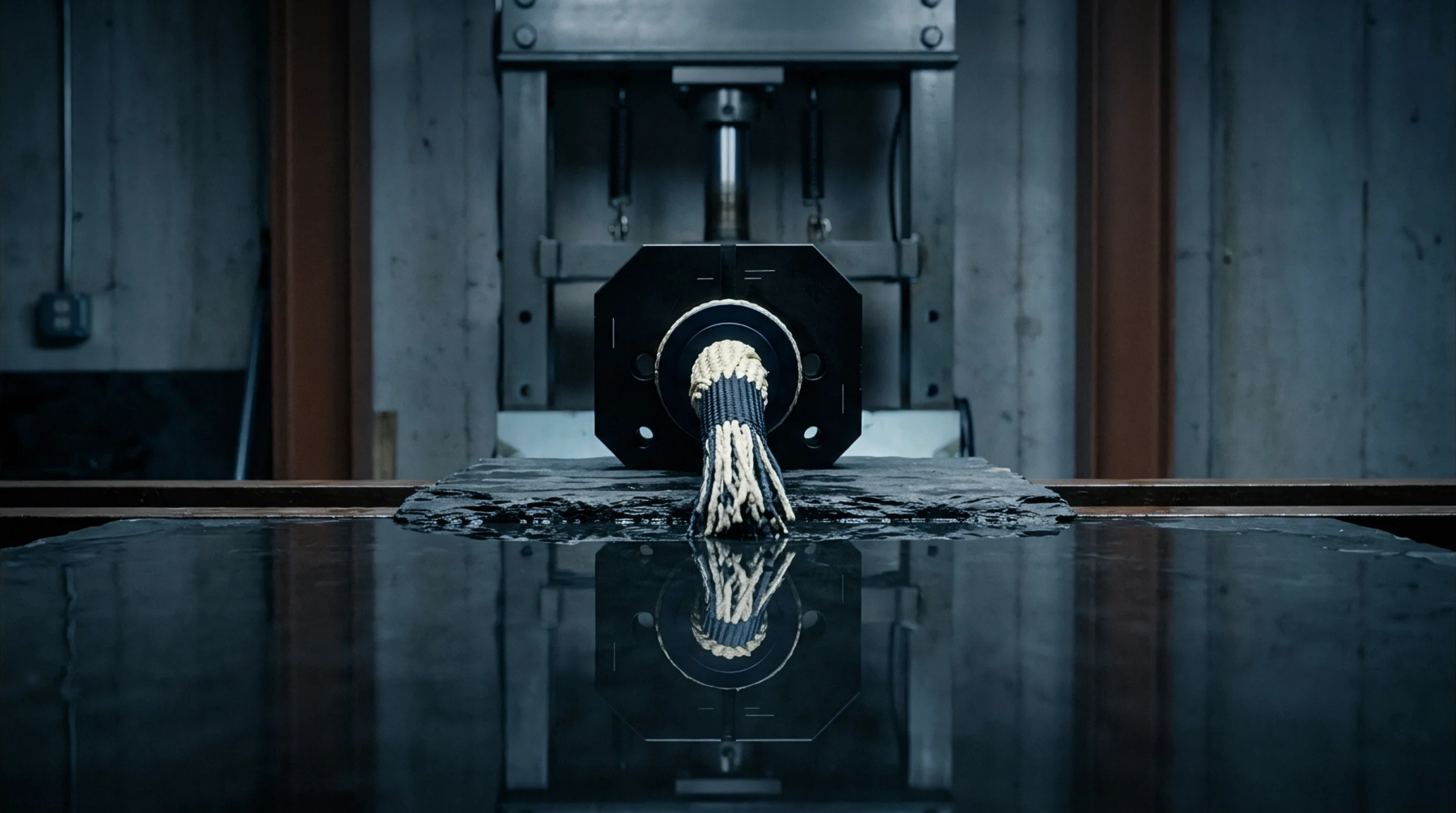
Flax wet bundle cohesion limits depend on pectin esterification, where levels between 38 and 48 percent optimize drafting resistance and yarn count.

Manage wet desizing by matching size chemistry to bath temperature and pH while auditing cellulose degree of polymerization to prevent loss of fiber strength.

Calculating reed denting widths for heavy flax requires factoring yarn diameter, wire air gap above fifty percent, and weave-specific width contraction.

Hydrothermal roving softening solubilizes calcium pectate to allow fine wet spinning down to Nm 100 while preserving bundle tenacity.

Water-assisted pneumatic splicing increases bast fiber splice strength above 80% retained strength by plasticizing pectin with 10-30 µL atomized water mist per cycle.

Dynamic warp tension spikes during high speed rapier shedding are controlled through active backrest compensation and optimized shed opening geometry.
Expertise is a utility, not a secret. sentiention™ publishes its working knowledge as open reference: intelligence layer covering the materials it sources, the markets it enters, and the reference that serves both.