
Contractual Reallocation Mechanics for Overbooked Air Jet Loom Capacity
Enforce explicit machine serial numbers and liquidated hourly delay damages in greige contracts to prevent overbooked mills from diverting booked air jet capacity.

Enforce explicit machine serial numbers and liquidated hourly delay damages in greige contracts to prevent overbooked mills from diverting booked air jet capacity.
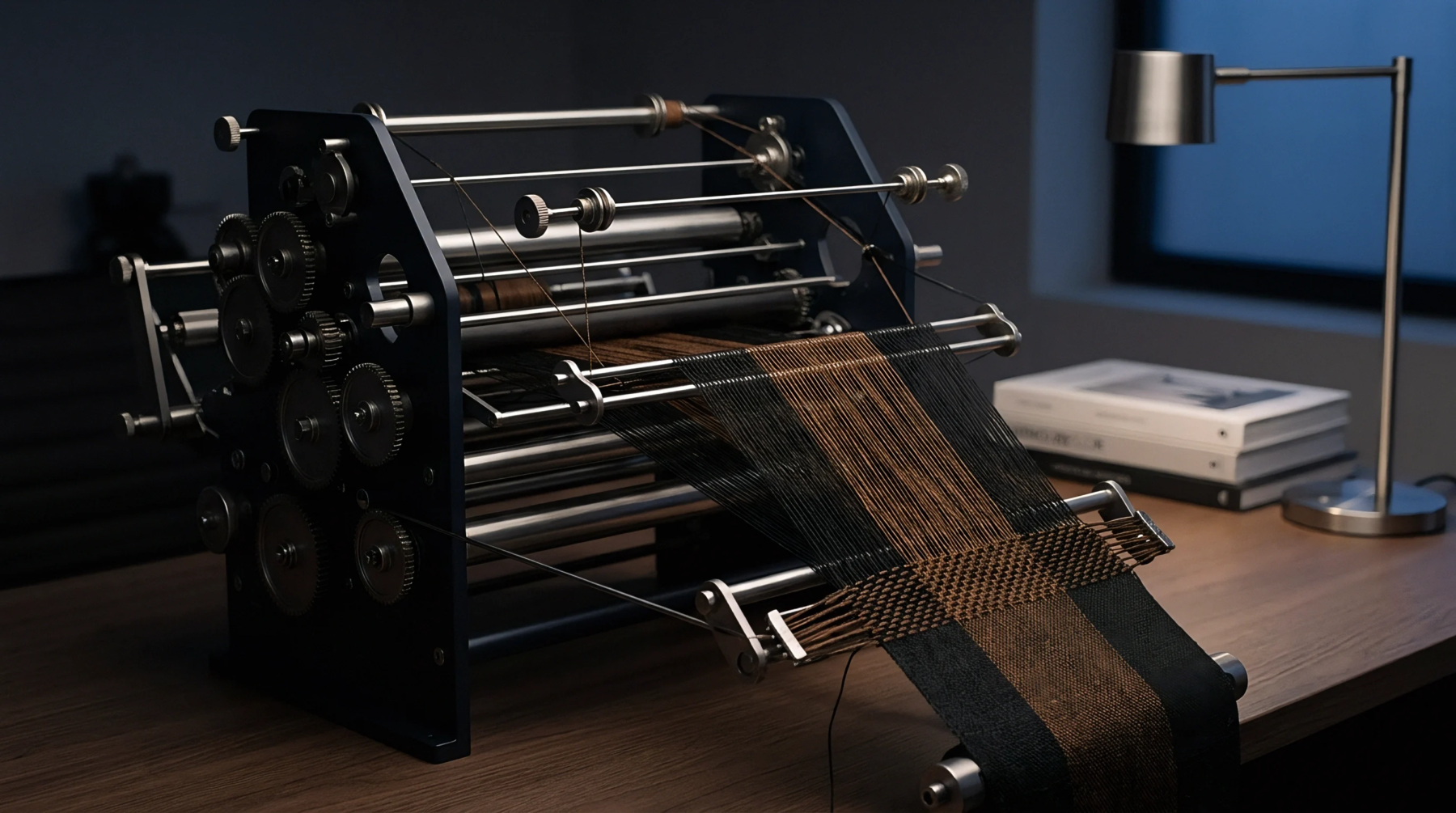
Air-jet looms lower unit costs on uniform fine yarn styles through high PPM, but rapier looms win on heavy or slubbed linen by avoiding expensive stop downtime.

Dynamic tensile stress accelerates microstructural cell wall dislocation propagation in single flax fibres, mandating strict mechanical and audit qualification.

High processing speeds generate microstructural kink bands that drop flax tenacity by thirty percent, requiring strict mechanical speed limits in supply contracts.

Graduating hackling pins from coarse opening needles to fine finishing combs preserves long bast bundle length while generating maximum linear sliver tenacity.

Chinese linen weaving allocation hinges on booking rapier capacity around seasonal crunches and sizing constraints rather than generic yardage purchasing.

Carbazole colorimetry isolates anhydrogalacturonic acid in hackled flax slivers to control residual middle lamella pectin between 1.10 and 1.45 percent.

Acid decalcification and hot ammonium oxalate extraction remove middle lamella pectins to split flax bundles for fine spinning while retaining tensile strength.

Mechanical extraction forms destructive cellulose dislocations in flax cell walls, requiring polarimetric verification to prevent spinning failures.

Controlled thermal and solvent extraction reduces flax bundle fineness below 9 dtex, raising the wet spinning limit to Nm 42 while avoiding fibre degradation.
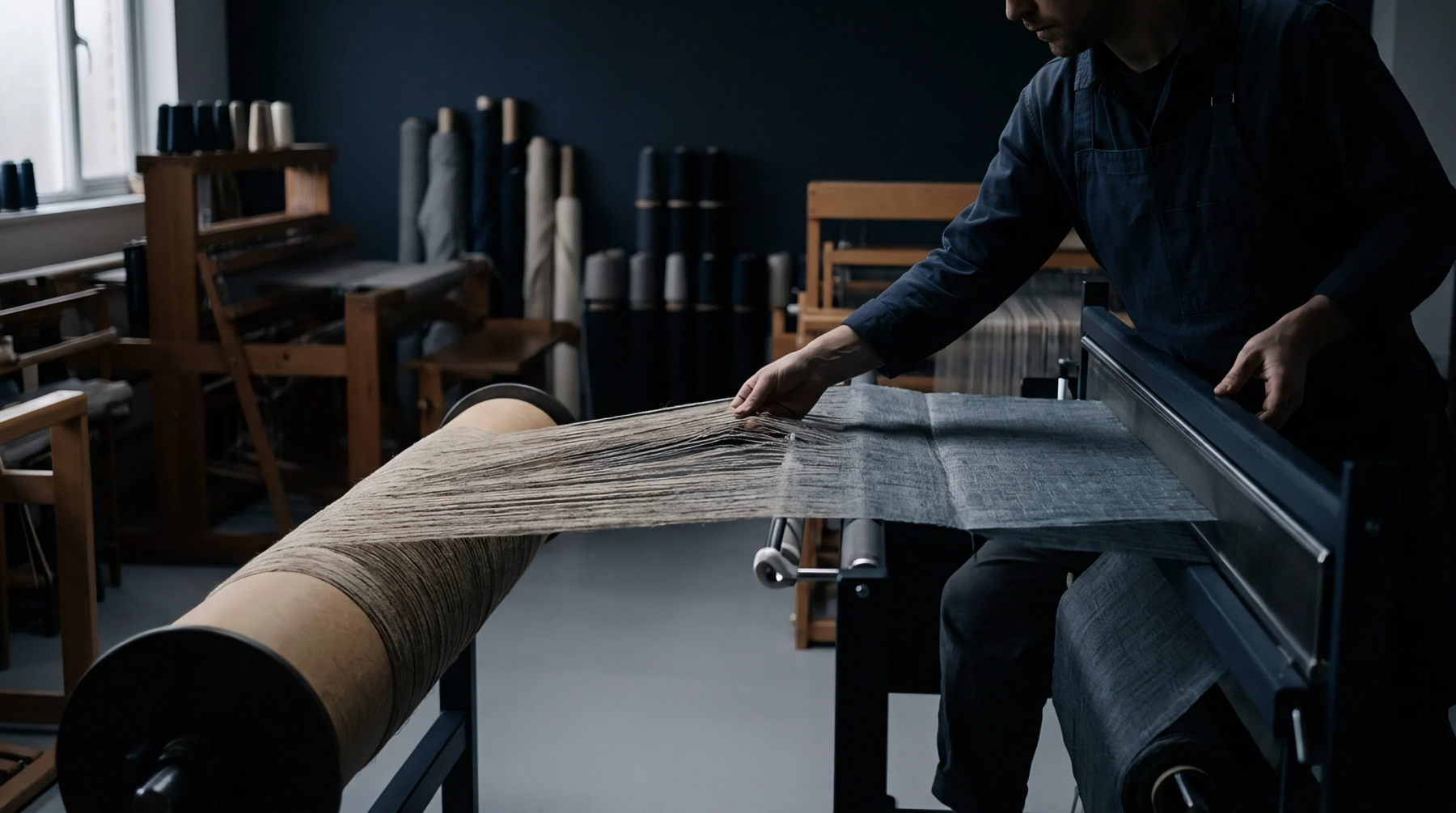
Dynamic sensor-driven sley compensation eliminates gripper transfer misses and starting marks caused by chassis thermal expansion during night shift production.

Statistical arbitration clauses require critical difference thresholds based on inter-laboratory variance to prevent disputes over normal flax test scatter.
Combing pin shear stress maintained between seven and eleven megapascals separates technical fiber bundles along pectin interfaces without breaking ultimate cells.
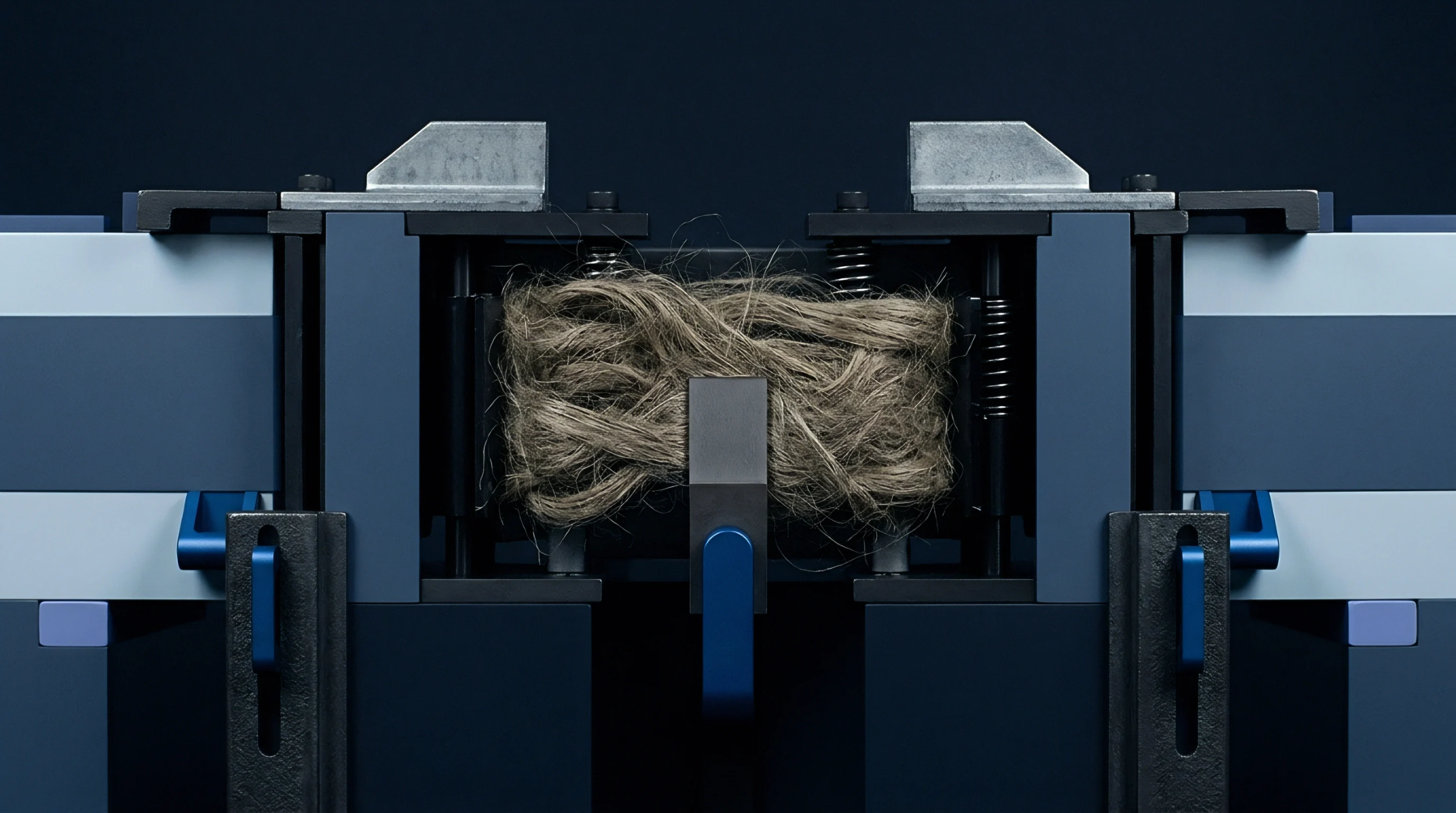
Gravimetric determination measures flax metric fibre number by weighing cut bundle segments to establish length per mass for accurate wet spinning yield calculation.
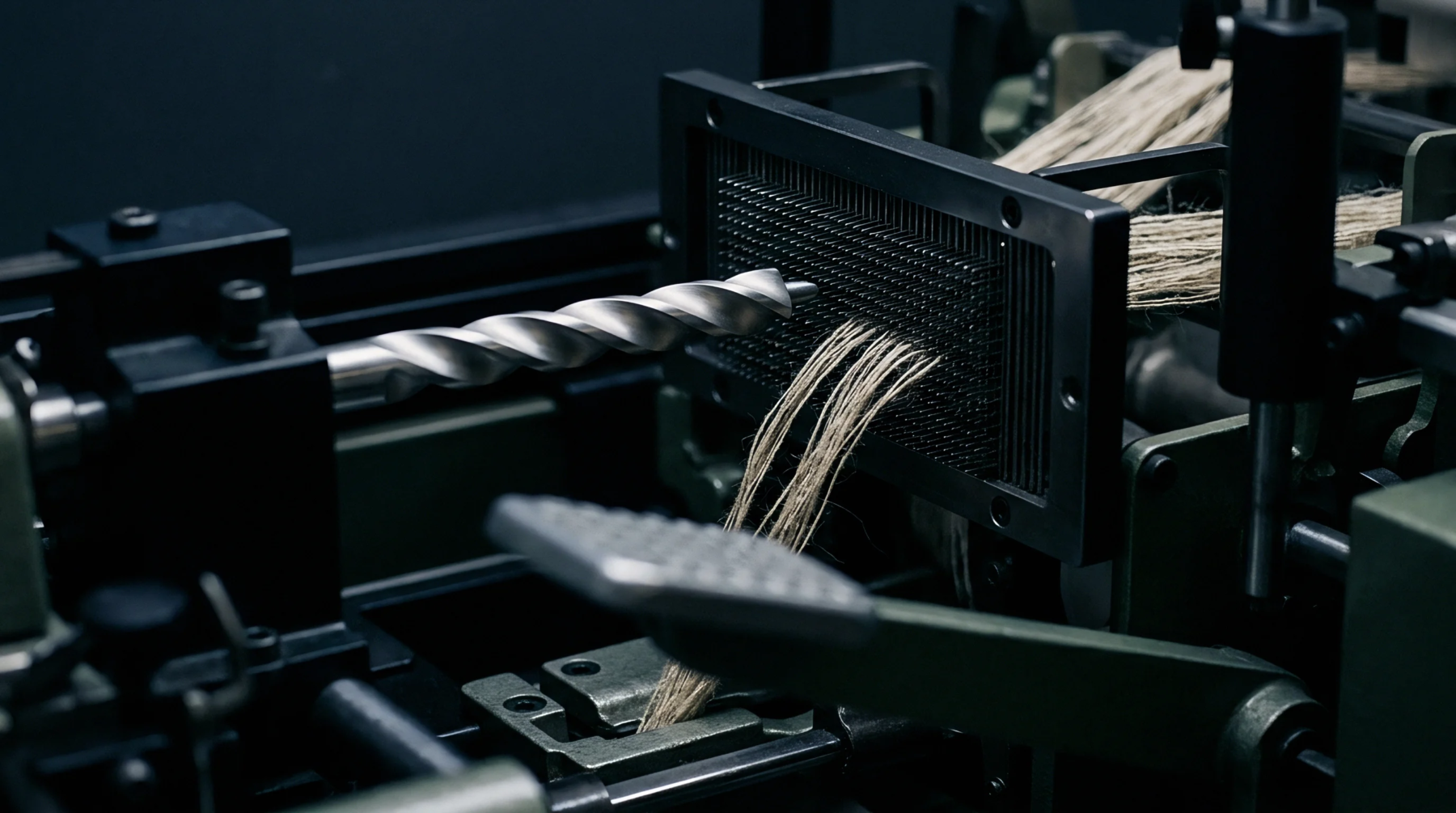
Scutched flax hackling requires progressive pin densities up to 20 pins/cm to maximize sliver tenacity without increasing tow loss or cutting fiber length.
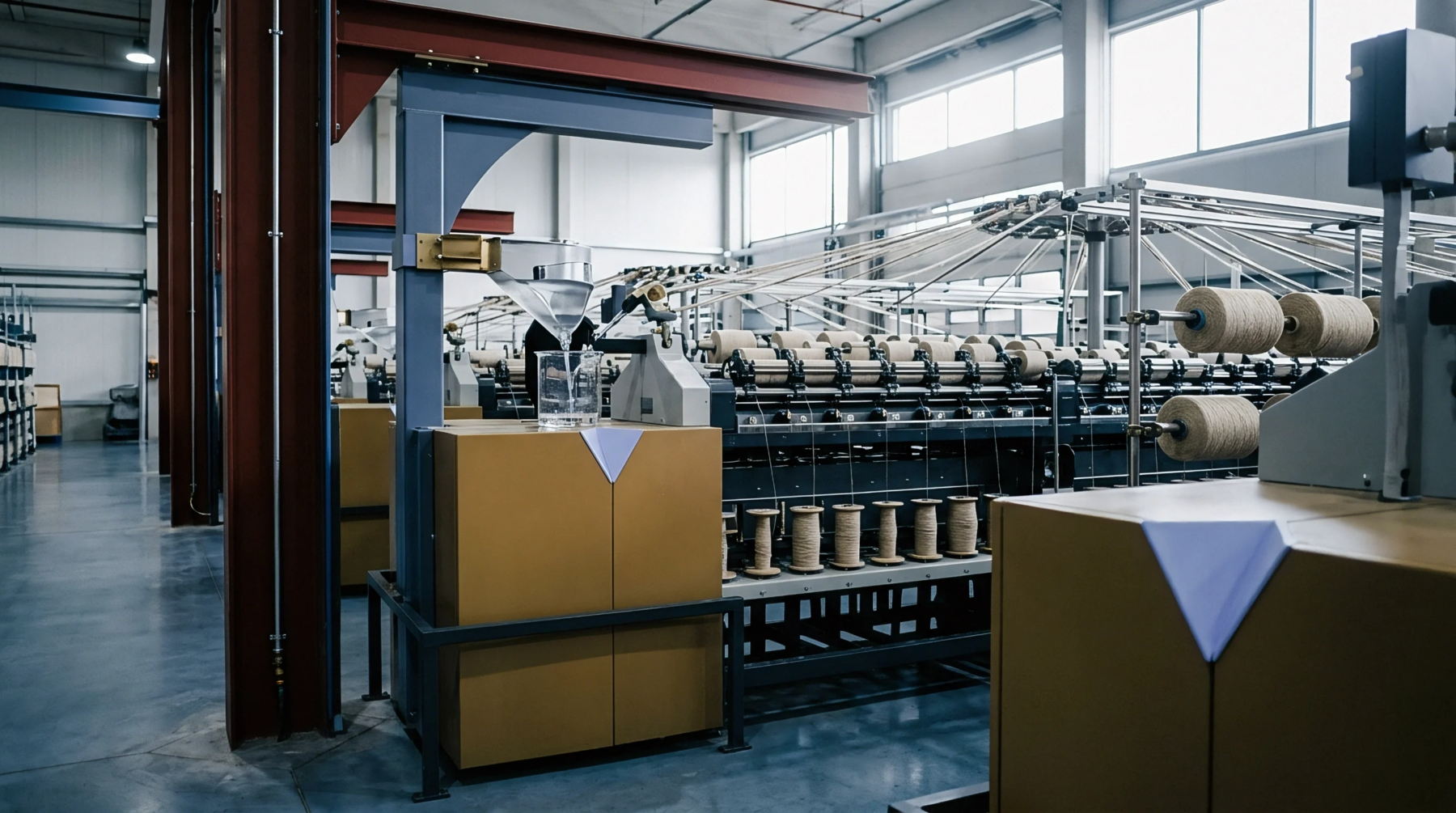
Short-wavelength sliver tex variance above eleven percent triggers drafting separation and spikes wet-spinning breaks, adding over one dollar per finished metre.

Standardizing isotopic baselines across cross-border linen trade requires harvest-calibrated alpha-cellulose reference data to defeat customs detentions.
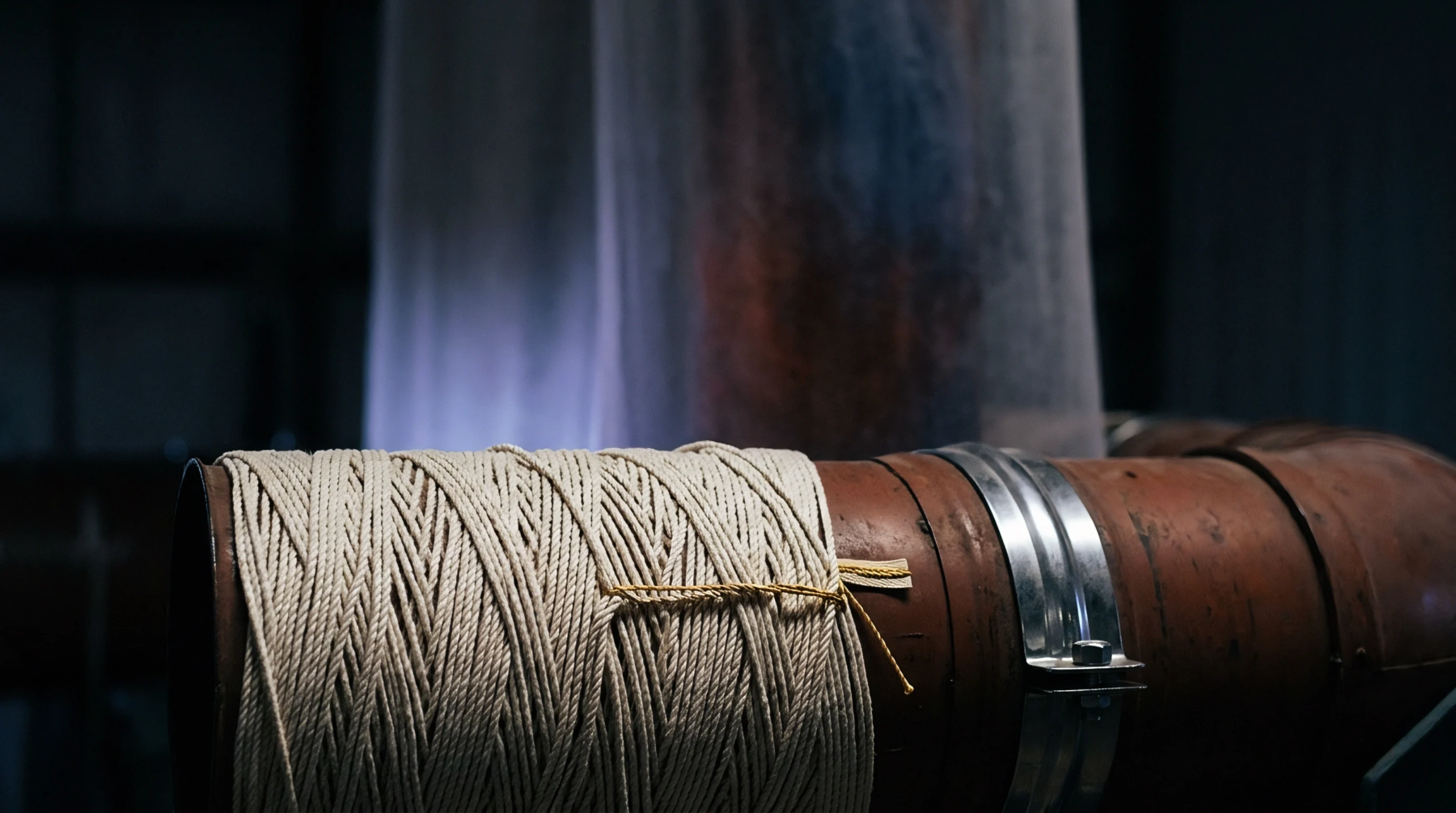
Dynamic PID let-off loops must counter flax hygroscopic shrinkage by tracking real-time backrest load rather than mechanical pick accumulation.

Sectional gravimetric cut testing along hackled stricks identifies root to tip fineness gradients before uneven drafting compromises wet spun yarn lea count.

Reconciling trade entry fiber origin claims requires verifying batch-level scutching manifests, bale serial tags, and physical spinning mass balances against customs filings.
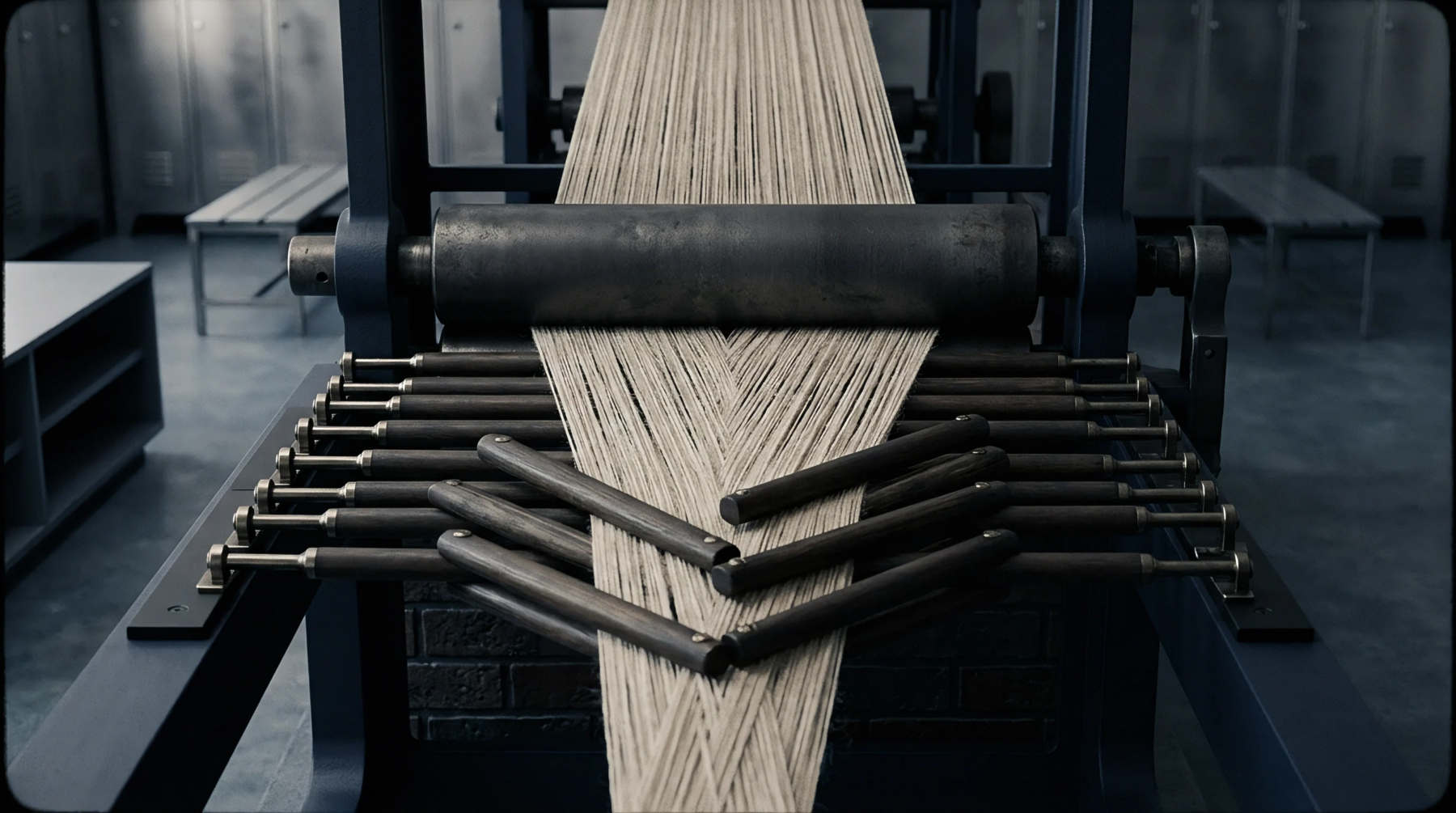
Dynamic back rest damping and precise electronic let-off control keep rigid flax warp tension within a 45 cN limit to prevent end breaks at high speeds.

Microbalance weighing of cut hackled flax bundles establishes true technical fibre linear density to fix wet spinning limits and enforce raw lot contracts.
Predicting wet warp crimp recovery through nonlinear viscoelastic models allows accurate stenter overfeed adjustments to meet finished width and shrinkage specs.
High-speed bast permeametry overestimates metric fineness unless corrected for wall slip and expansion chilling across irregular polygonal bundles.

Customs clearance mandates unbroken mass-balance dossiers linking finished flax yardage through spinning and scutching to specific agricultural parcel coordinates.

Rapier crimp exchange calculations incorporate velocity-induced yarn flattening and transient shed tension to prevent off-loom greige width shortfalls.

Thermodynamic moisture regain and internal porosity skew bast linear density; true tex demands oven-dry cut-and-weigh testing plus standard commercial allowance.
Airflow fineness testing measures bast bundle specific surface area through pneumatic resistance, linking retting quality directly to spinnable wet-spun counts.

Nonlinear permeability in bast bundles depends on shive-induced inertial drag and hygroscopic swelling, making sub-two-percent shive essential for fast infusion.

Reconciling offshore linen weaving discrepancies requires oven-dry mass balance models that strip volatile sizing and ambient moisture from physical scrap ledgers.
Expertise is a utility, not a secret. sentiention™ publishes its working knowledge as open reference: intelligence layer covering the materials it sources, the markets it enters, and the reference that serves both.