Biological Dissolution
Pectinolytic activity within flax stalks determines retting quality during water immersion stages in Chinese processing mills. Microbial enzymes break down internal cellular adhesives that bind bast fibres to woody cores. Anaerobic bacteria consume natural polysaccharides until stems reach optimal separation points.
Workers monitor water temperature and pH levels to maintain microbial stability throughout industrial tanks. Mill documentation records these parameters daily to prevent over-retting damage to cellulose structures.
Fiber Separation
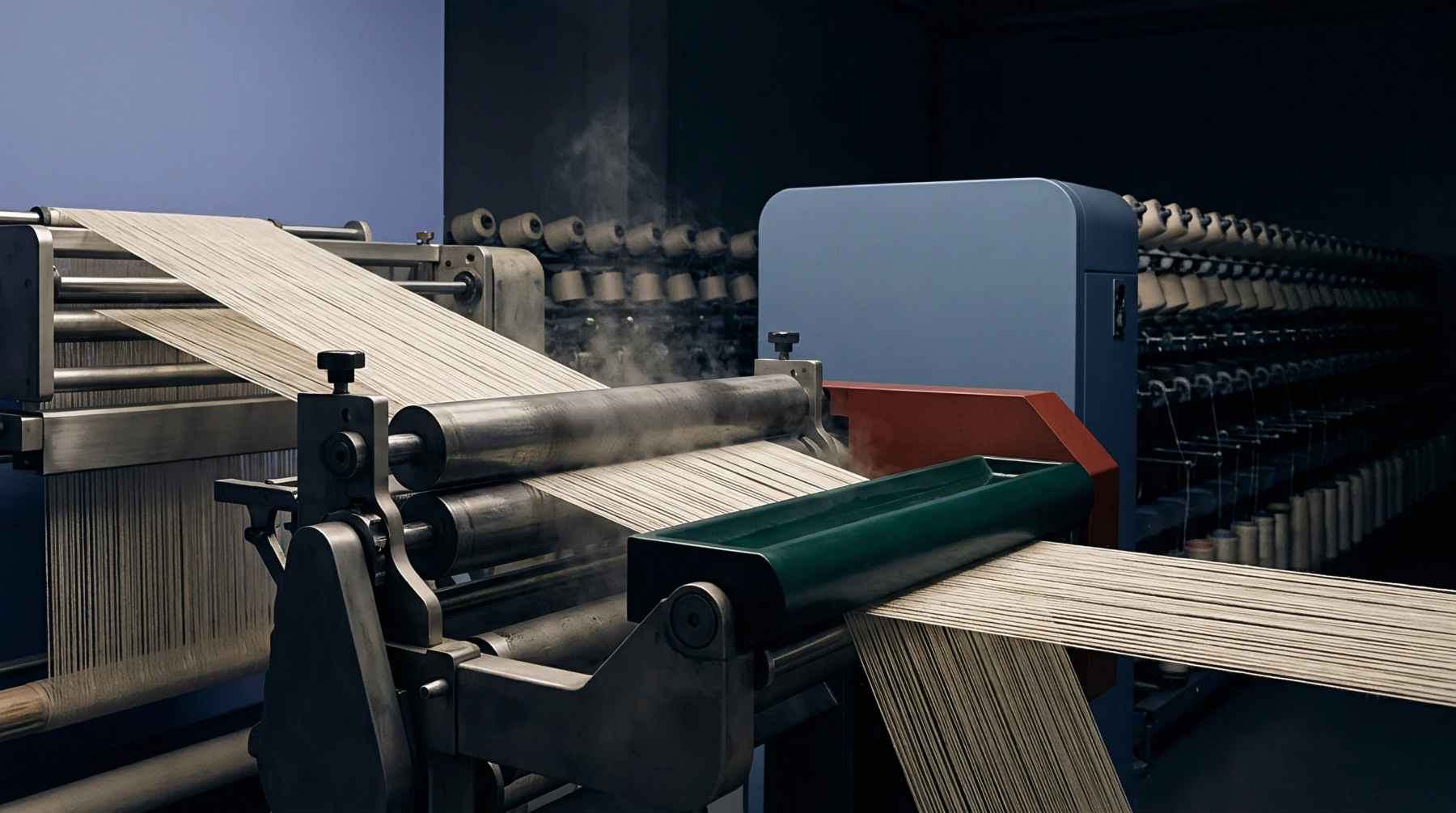
Microscopic evaluations measure tensile strength differentials between treated strands and raw material samples. Mechanical decortication yields variable yields if biological breakdown remains incomplete inside core tissues. Technicians extract dried stalks from tanks and pass them through fluted breaker rollers.
Processed lots undergo hand grading to separate clean technical fibres from residual shives. Buyer acceptance criteria demand uniform color and absence of gummy residues along individual strands.
Grade Standards
Internal mill benchmarks differ significantly from export market specifications established by foreign spinning mills. Technical inspectors classify resulting bundles according to fineness, length, and residual pectin content. Fabric grade requirements impose stricter limits on surface impurities than standard rope manufacturing thresholds.
Export contracts stipulate maximum allowable moisture percentages before bales receive final export clearance. Final valuation depends entirely upon how uniformly biological separation proceeded across each production batch.