Structural Rigidity
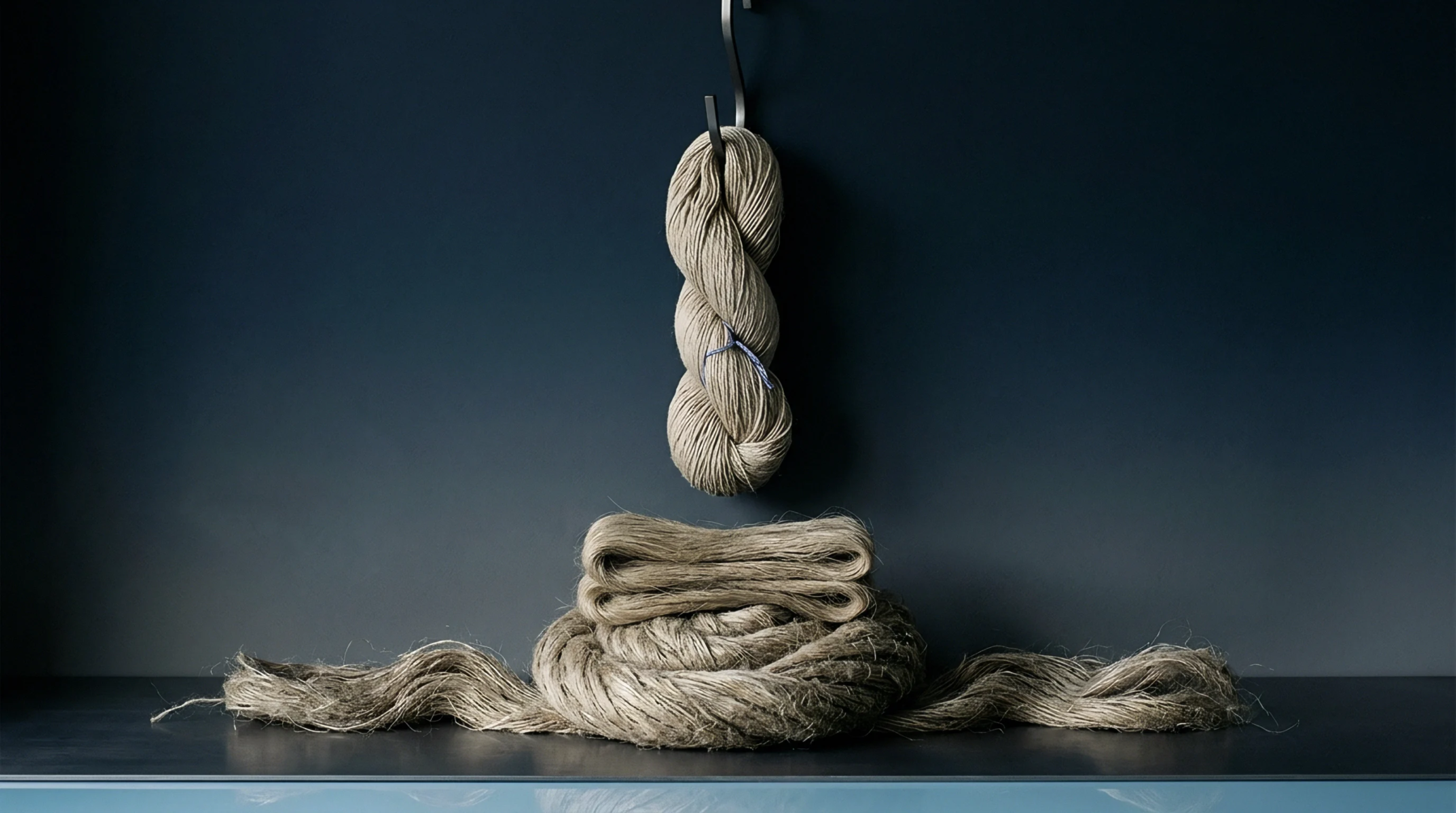
Highly ordered molecular regions define the solid phase of processed plant polysaccharides. Crystalline cellulose occurs within the secondary cell walls of flax fibres as linear chains of glucose units bonded by hydrogen links. These rigid zones dictate the tensile strength and thermal stability of the raw bast material during industrial extraction.
The chemical composition remains distinct from the amorphous regions that retain water and remain susceptible to enzymatic degradation. Strict boundaries exist where the dense internal structure resists solvent penetration during initial chemical retting. This arrangement provides the physical scaffold required for subsequent mechanical processing stages in flax preparation.
Precision in measuring the ratio of ordered segments to disordered chains allows mills to predict the spinning behaviour of the prepared roving.
Fibre Integrity
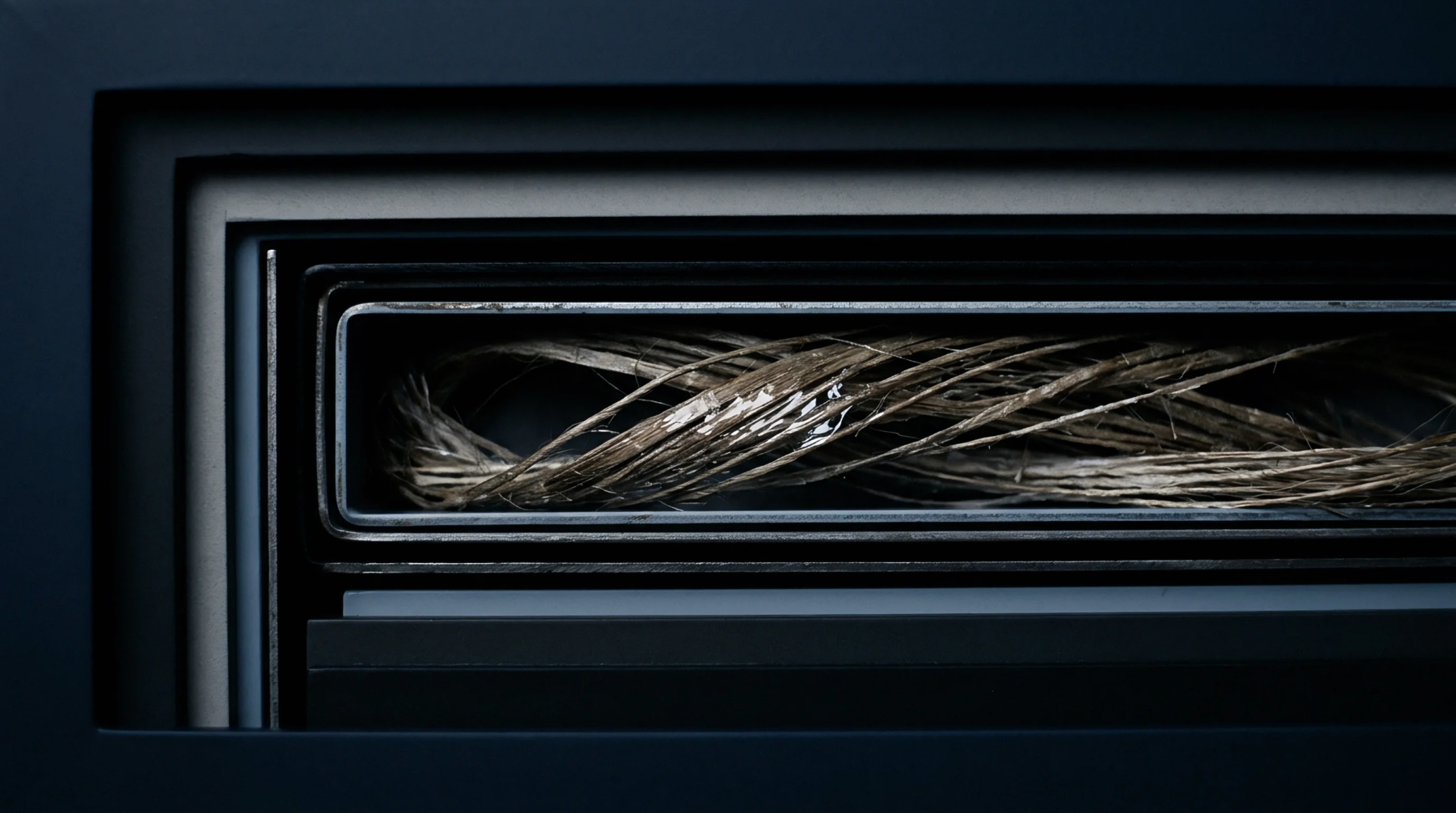
Automated spectroscopic sensors detect these ordered domains during the wet spinning phase to ensure consistency. Crystalline cellulose provides the resistance to torque required when high speed spindles pull strands into fine yarn for linen cloth. Tensioners on the spinning frame calibrate their pressure based on the detected concentration of these stable segments to prevent breakage.
High levels of this component correlate with lower elongation under load, which allows a mill to certify specific batches for high tension industrial applications. Fabric grades depend on the uniformity of this internal structure, as varying densities across a single yarn lead to uneven dye absorption in the final boiling or bleaching process. A quality control officer verifies these parameters by comparing incoming fibre against the buyer agreement document.
Deviations from the baseline indicate an over-processed fibre supply that loses its structural cohesion during the intense mechanical combing stage.
Molecular Stability
The chemical configuration of crystalline cellulose determines how the fibre reacts to the harsh alkaline agents used in scouring. Resistance to chemical hydrolysis maintains the length of the individual fibres during the transition from loom to finishing plant. Stable chains withstand the stress of high temperature drying cycles without losing their natural moisture retention properties or turning brittle under heat.
Manufacturers rely on this durability to guarantee that the finished linen retains its physical form through repeated wash cycles. The structural arrangement survives the impact of standard textile treatments, provided that the processing temperature stays below the threshold where hydrogen bonds break. The total count of these ordered regions defines the limit of durability for the finished textile product.