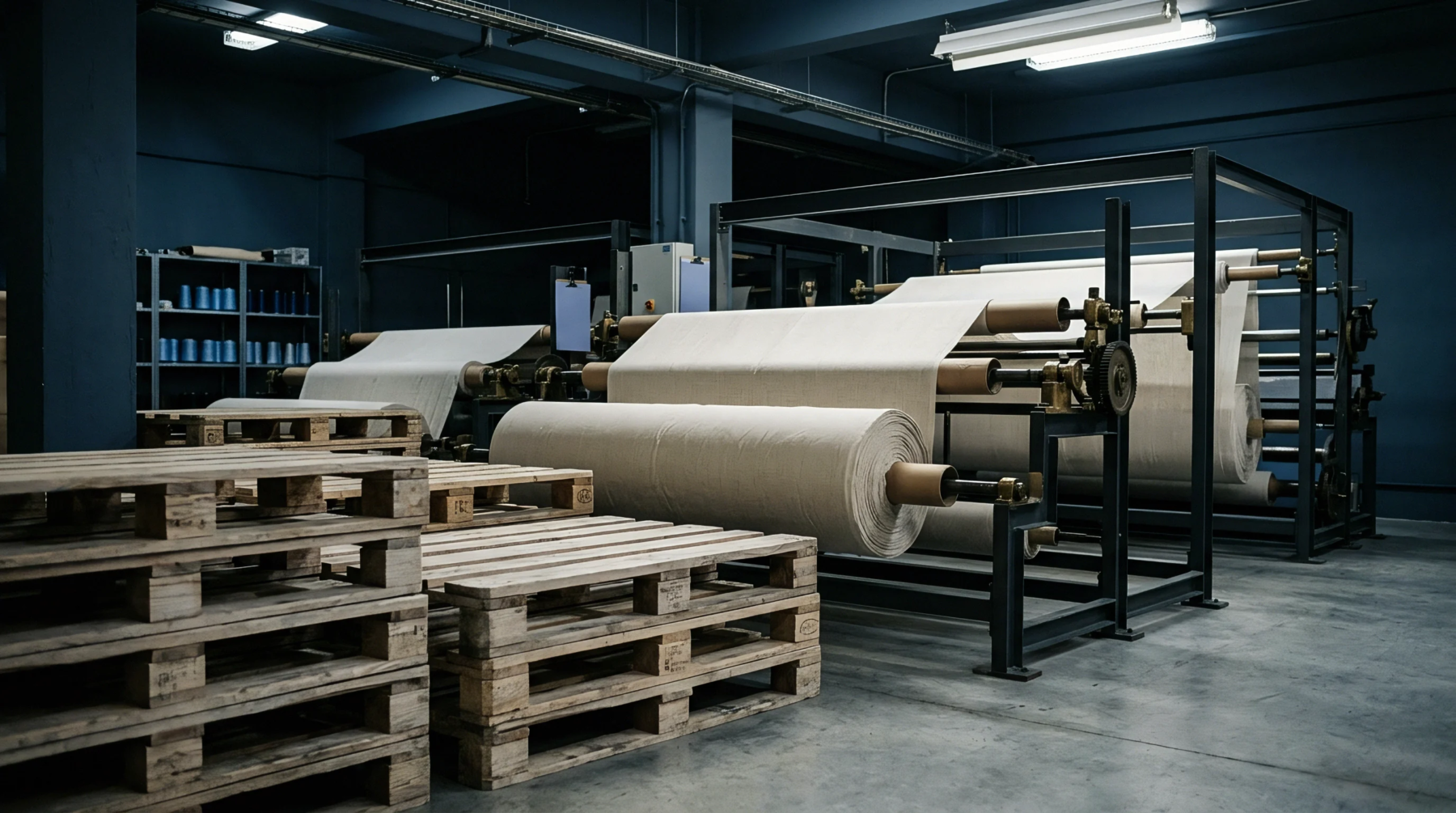
Optimizing Edge Crimp and Temple Settings for Wide Linen Warps
Balancing edge crimp on wide linen warps relies on matched temple pin inclination, selvedge denting gradients, and high ambient shed humidity.
Balancing edge crimp on wide linen warps relies on matched temple pin inclination, selvedge denting gradients, and high ambient shed humidity.
Scouring linen increases GSM despite mass loss because wet viscoelastic crimp interchange condenses thread count faster than non-cellulosic extraction lightens yarn.

Trough water hardness suppresses enzymatic pectin hydrolysis, altering dry fiber mass loss and requiring calcium-calibrated true-up calculations.
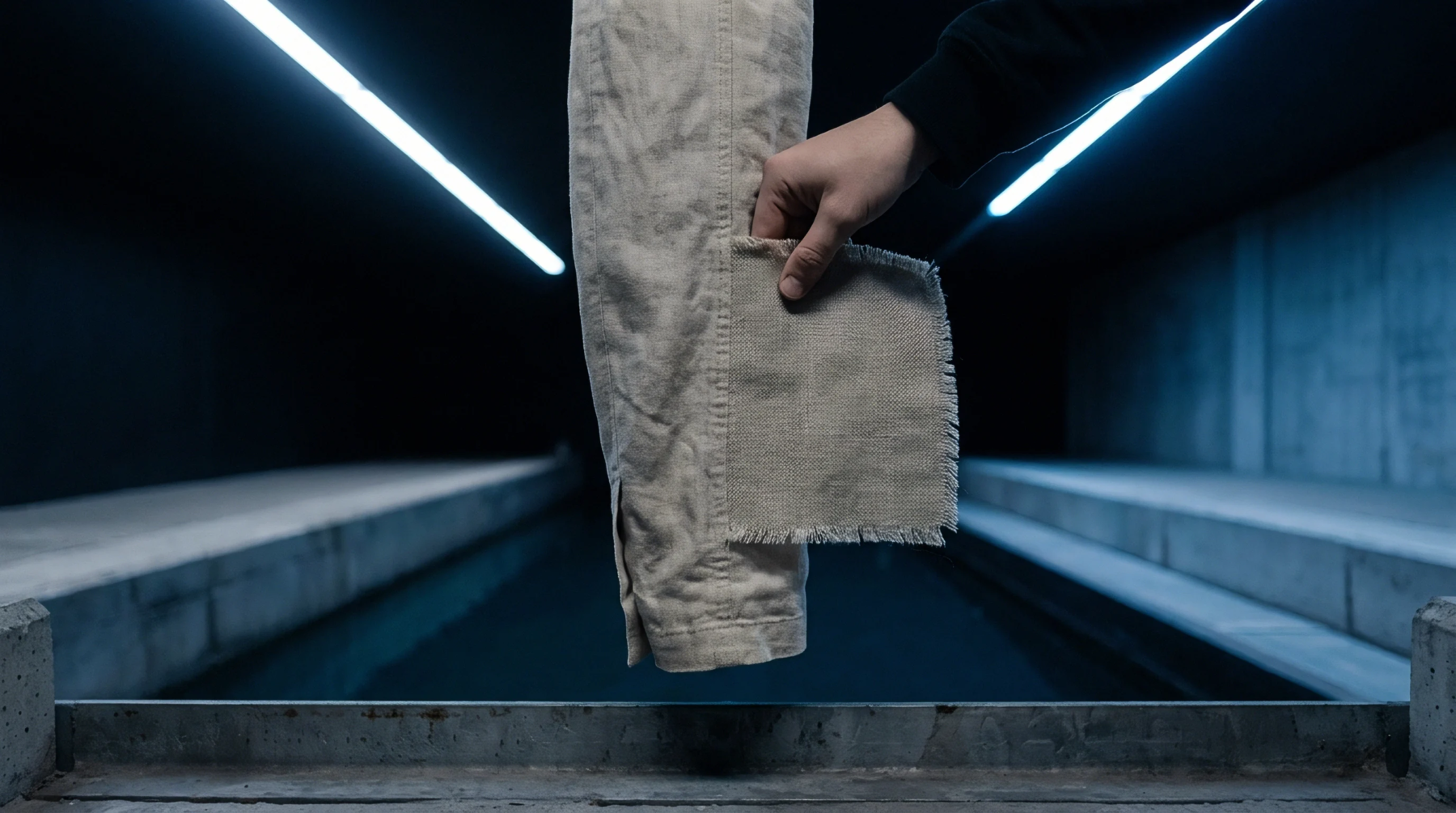
Flax moisture regain directly alters measured yarn count and fabric mass; accurate verification requires oven-drying to normalize weights against standard commercial regain allowances.
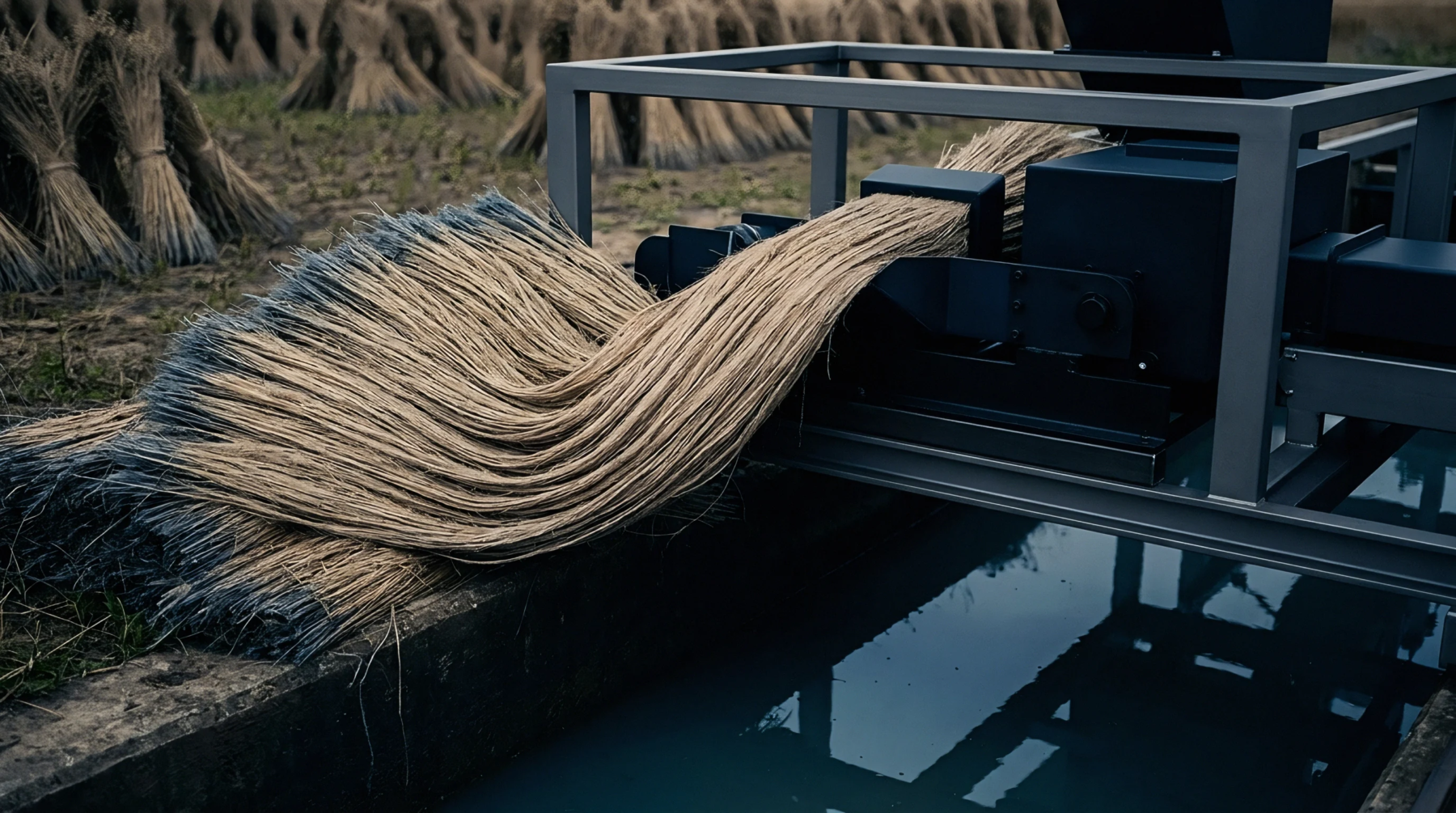
Auditing wet spinning bath dissolution losses requires continuous tracking of trough temperature, pH, and dissolved solids to correct dry mass yield balances.

Verify wet spinning mass ledgers by adjusting raw inputs to standard moisture regain, deducting verified chemical bath extraction losses and weighed mechanical scrap.
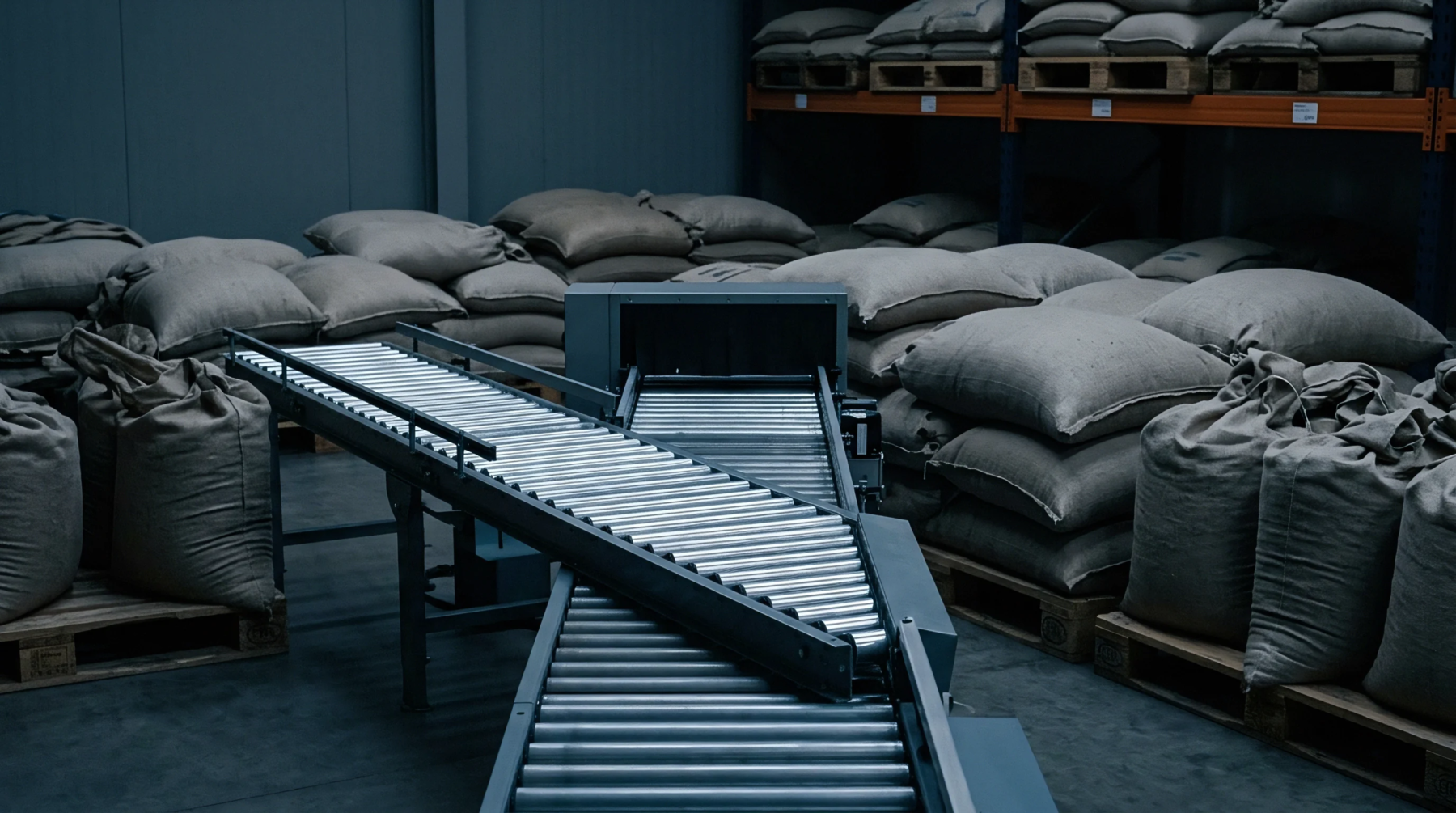
Linen yarn counts and cloth weight must be verified against dry fiber mass plus standard 12 percent moisture regain to eliminate costly moisture billing errors.
Expertise is a utility, not a secret. sentiention™ publishes its working knowledge as open reference: intelligence layer covering the materials it sources, the markets it enters, and the reference that serves both.