Warp Tensioning
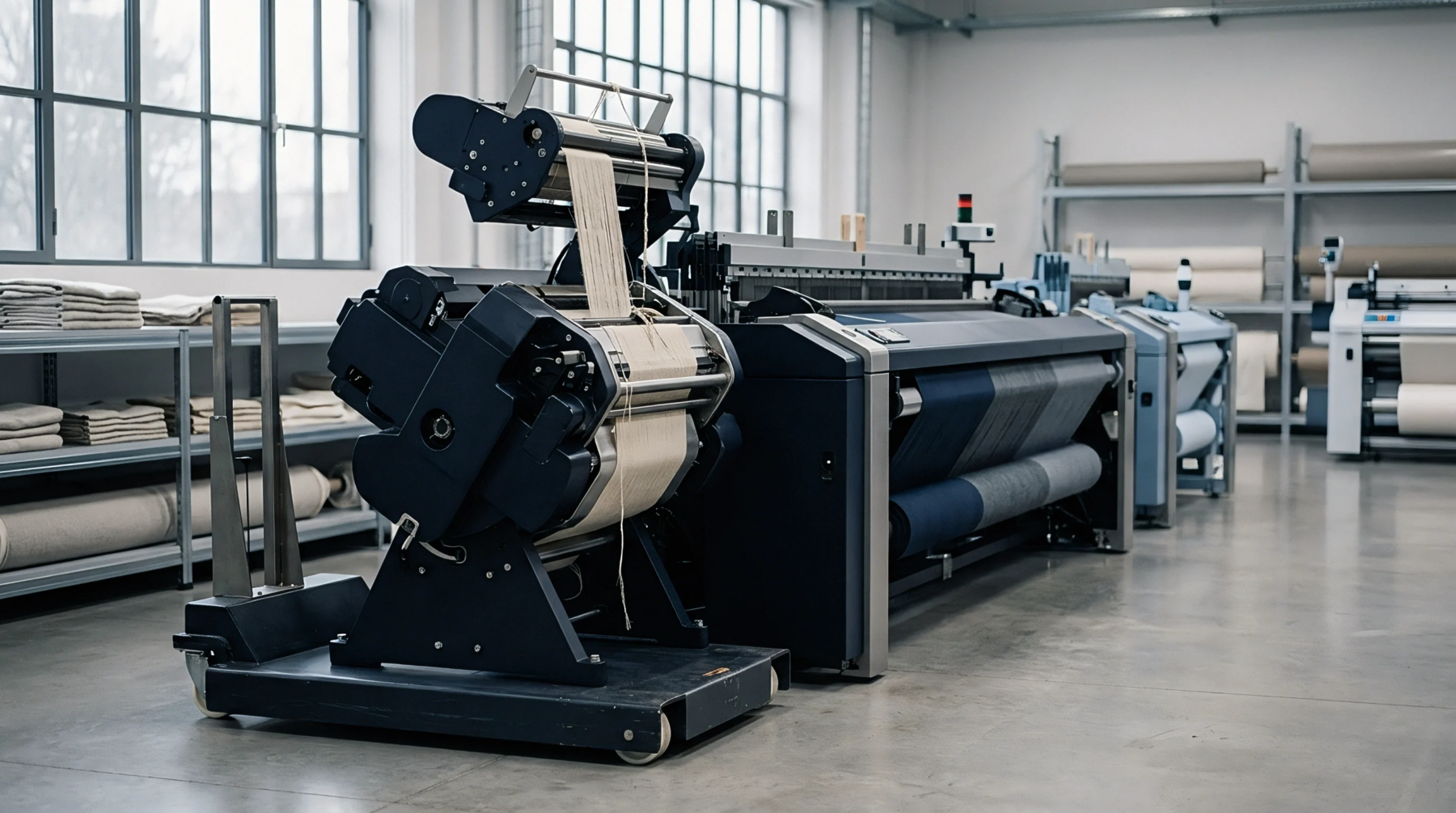
Raw flax fibres undergo a transformation during the initial assembly of the longitudinal threads required for mechanical production within high speed looms. Linen warp preparation determines the final distribution of stress across thousands of individual strands to prevent breakage during the transition from the creel to the sizing unit. Practitioners utilize this stage to calibrate the moisture content and surface friction of the yarn to match the specific requirements of the shedding mechanism.
Correct management of these variables ensures the integrity of the material before the insertion of the weft. This phase concludes once the beam arrives at the loom ready for intersection with the horizontal elements.
Size Application
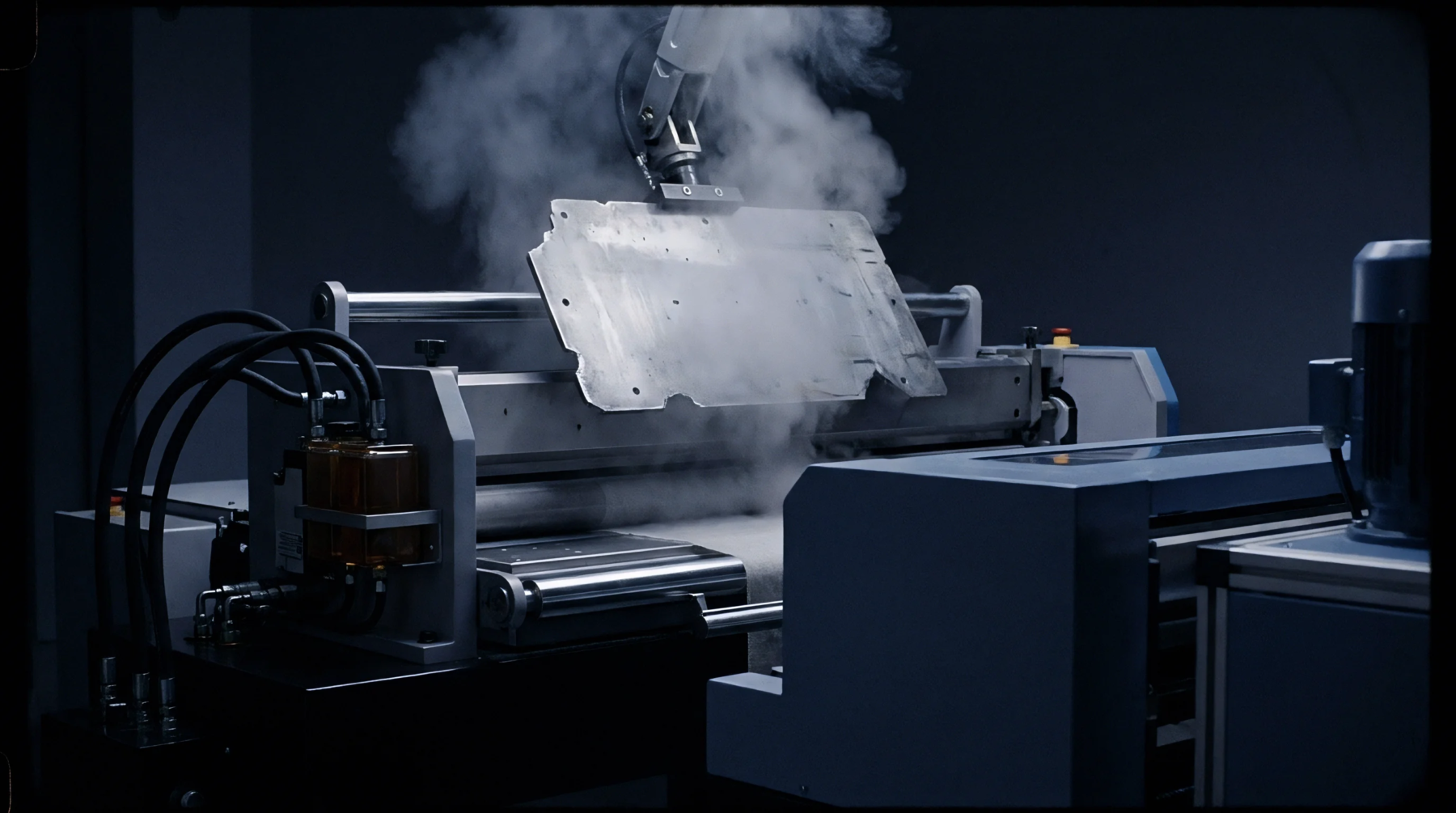
Mills apply a starch or synthetic solution to the yarn surface to protect the delicate fibres from the high abrasion encountered during the mechanical shedding cycle. The linen warp preparation process influences the total absorption rate of this coating by adjusting the speed of the sizing rollers and the heat of the drying cylinders. Uniform coating prevents the fibre ends from fraying and ensures that the final cloth remains consistent with the specifications agreed upon between the buyer and the manufacturer.
Engineers measure the degree of size add on by weighing samples before and after the immersion to verify compliance with mill standards. Dense yarn bundles require a different concentration of chemical bonding agents than looser assemblies to maintain sufficient elasticity. Excess humidity during the sizing stage weakens the bond between the sizing agent and the fibre, causing the protective film to flake off prematurely.
Variations in the dry content of the yarn significantly impact the operational efficiency of the factory floor.
Quality Verification
Technical inspectors audit the resulting beam against the defined mill standards for density and parallelism to isolate defects before the production run starts. A mill standard establishes the tolerance for missing ends or crossed threads that would otherwise trigger a fault in the finished fabric grade. Buyers often specify an acceptance criterion that dictates the maximum frequency of knots or slubs allowed within the length of a single warp beam.
Accurate logs at this stage ensure the traceability of the material back to the specific spinning batch. Consistent calibration of the tension monitors remains the most effective method for maintaining uniform quality across entire production runs.